
Predation, Almost Entirely by Red Foxes, Accounted for 42% of Recorded Mortality in Wild Norfolk Hen Pheasants
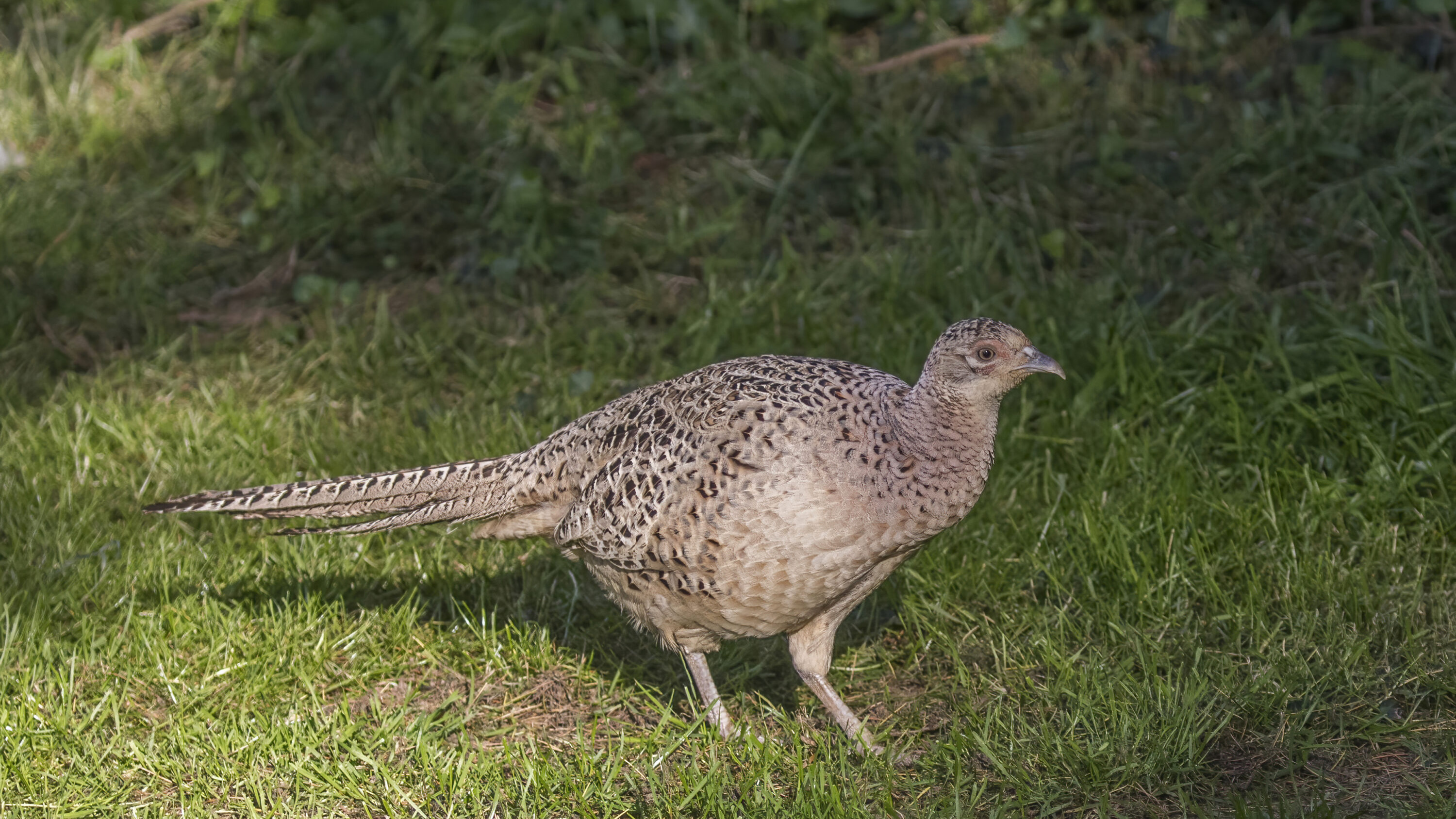
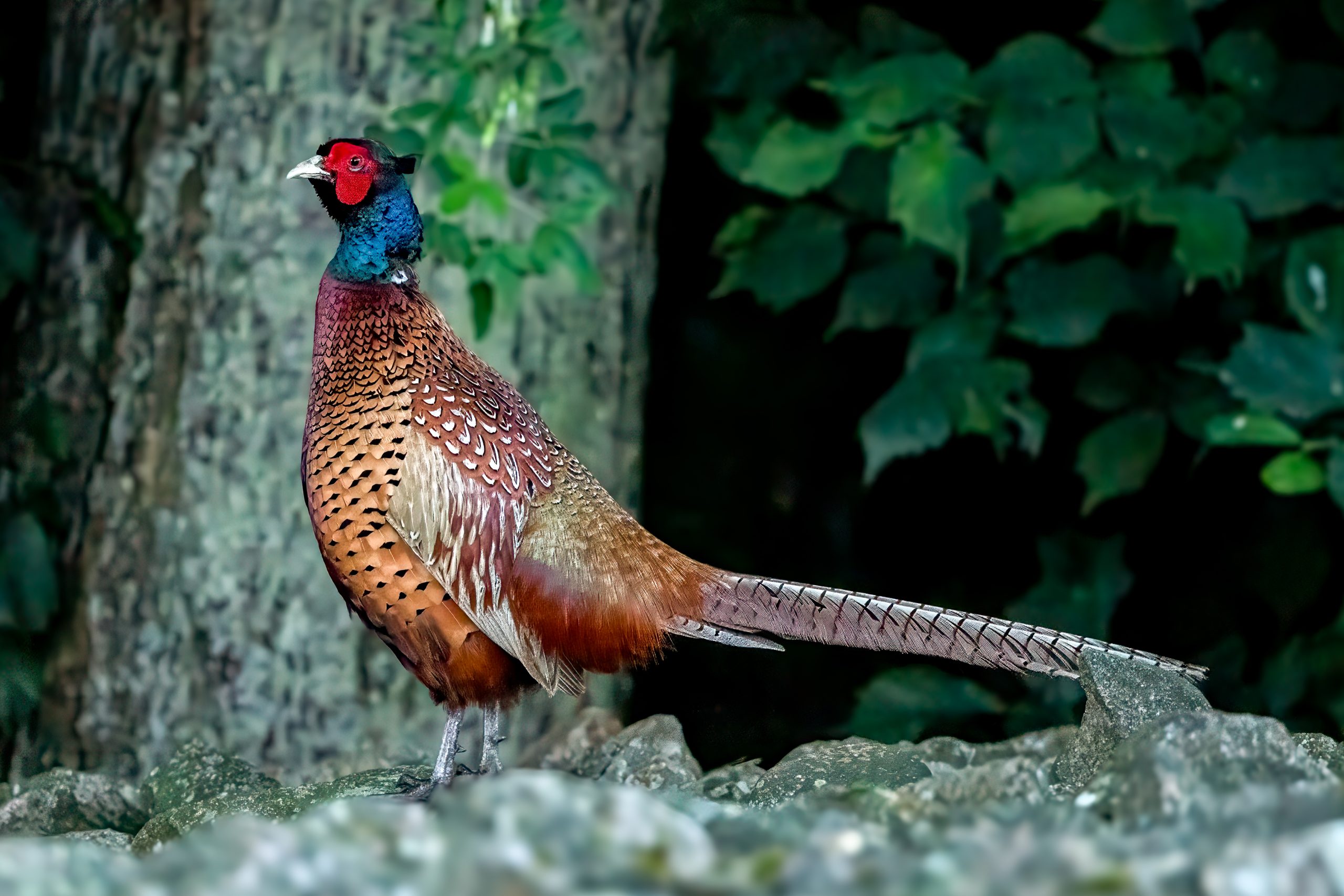
A three-year field study of a wild common pheasant (Phasianus colchicus) population in Norfolk, eastern England, found predation to be the largest recorded cause of mortality among radio-tagged hens. Researchers captured 154 females in late winter during 2011–2013 and fitted them with radio transmitters in an area where no pheasant releases were conducted.
Median survival among the radio-tagged hens was 129 days. Overall survival did not differ clearly among years and showed no detectable effect of age or body condition, although the yearly survival patterns began to diverge from April onwards; the authors suggest variation in predation pressure and weather as likely contributors. Predation accounted for 42% of recorded mortality and was attributed almost entirely to red foxes (Vulpes vulpes). Kidney damage accounted for 19% and was suspected by the authors to be associated with coronavirus infection, while parasitic infections accounted for 18%. Throat swabs from captured birds and pheasants shot on neighbouring estates were negative for coronavirus, so the viral link was not confirmed.
The researchers also monitored 38 nests from tagged hens in 2013. Thirteen nests, or 34%, hatched successfully, 14 were abandoned and seven were predated. Nest survival was significantly lower for clutches initiated from May to July than for those begun in March and April.
The authors describe survival in this managed wild population as being shaped by several mortality sources rather than a single factor. Their results combine direct tracking of adult hens with nest monitoring and diagnostic examinations, providing a field-based picture of both adult survival and breeding losses in a population maintained without releases.
Ecology
Related news
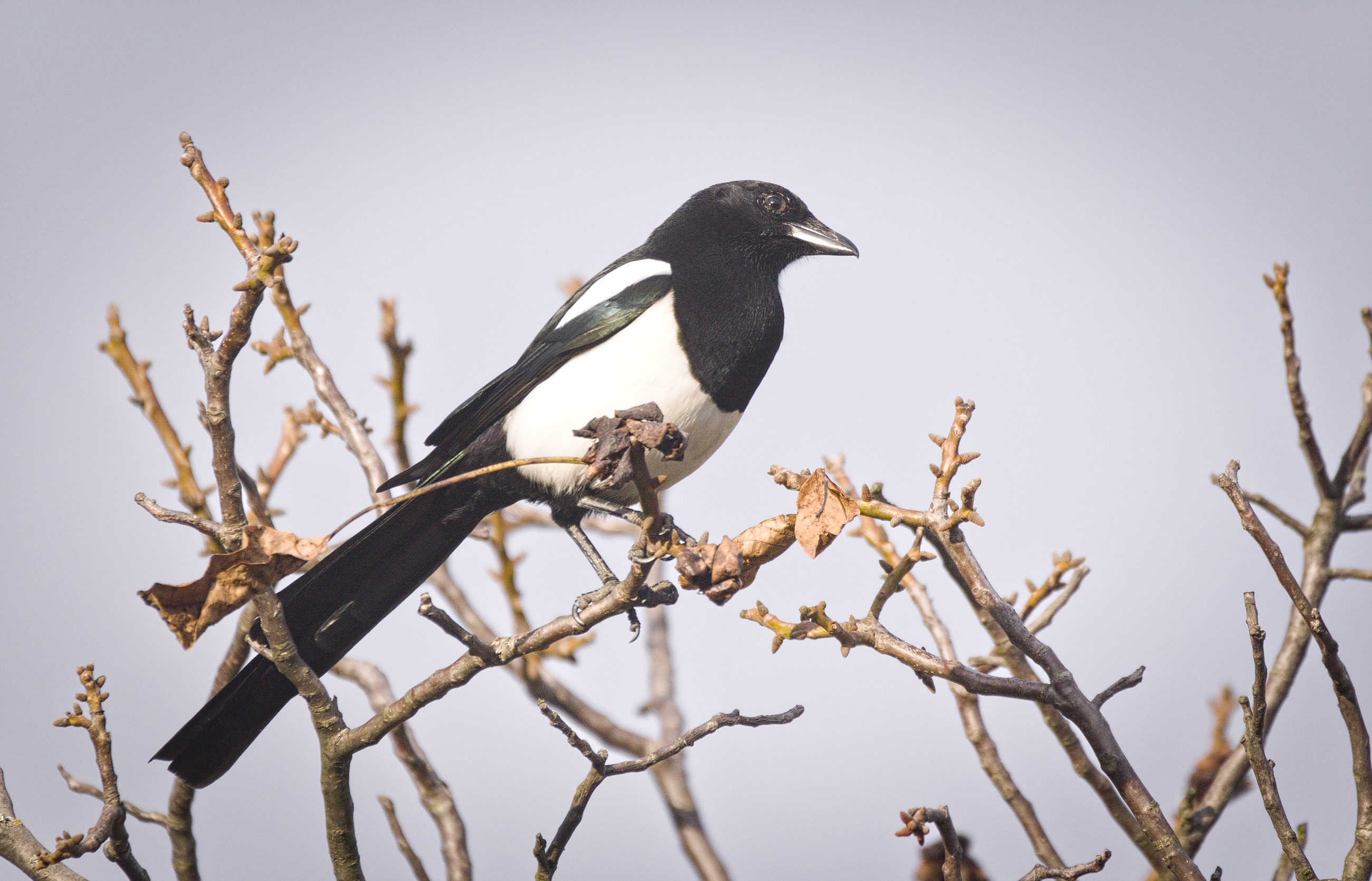
Magpies Dominated Predation on Artificial Pheasant Nests in Polish Urban Sites, Red Foxes in Farmland
Eurasian magpies were the main predator at destroyed artificial pheasant nests in Polish urban sites, while red foxes…
Read story →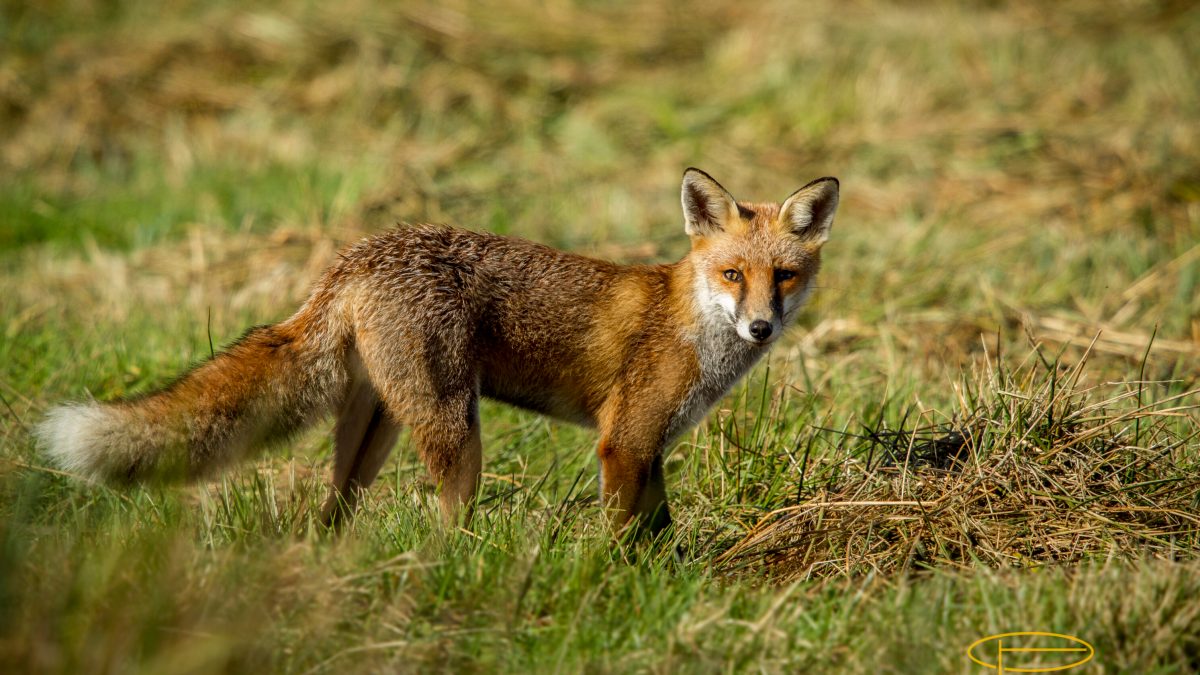
Models Estimated Galliformes at 43% of Fox Diet on Releasing Sites and 33% Elsewhere
Stable-isotope models based on 117 red foxes estimated Galliformes at 43.1% of assimilated diet on gamebird-releasing sites and…
Read story →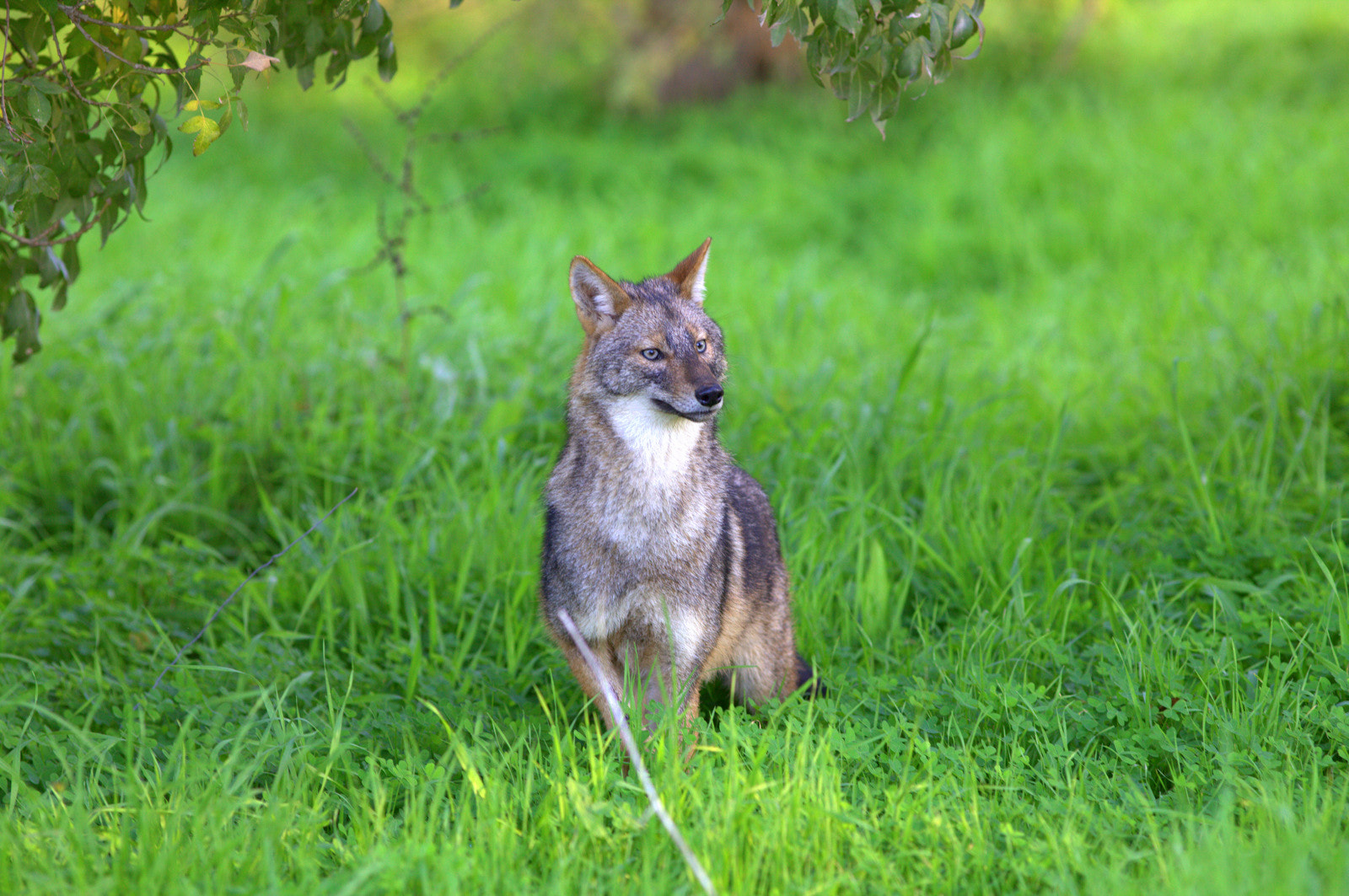
Similar Mammal Diversity, Different Activity Patterns in Grazed and Ungrazed Areas
Camera traps in four northern Israeli reserves found similar numbers of mammal species with and without livestock grazing.…
Read story →SPECIES IN THIS STORY
Species in this story

Independent research and conservation news archive
Did you find this information useful?
Wildlife Vagabond is independently built and maintained. Voluntary support helps cover source verification, hosting and continued work on research and conservation news.
Support Wildlife VagabondThe news archive will remain freely available.