
Rodents Were the Most Frequent Food Remains in Red Fox Scats from Kashmir
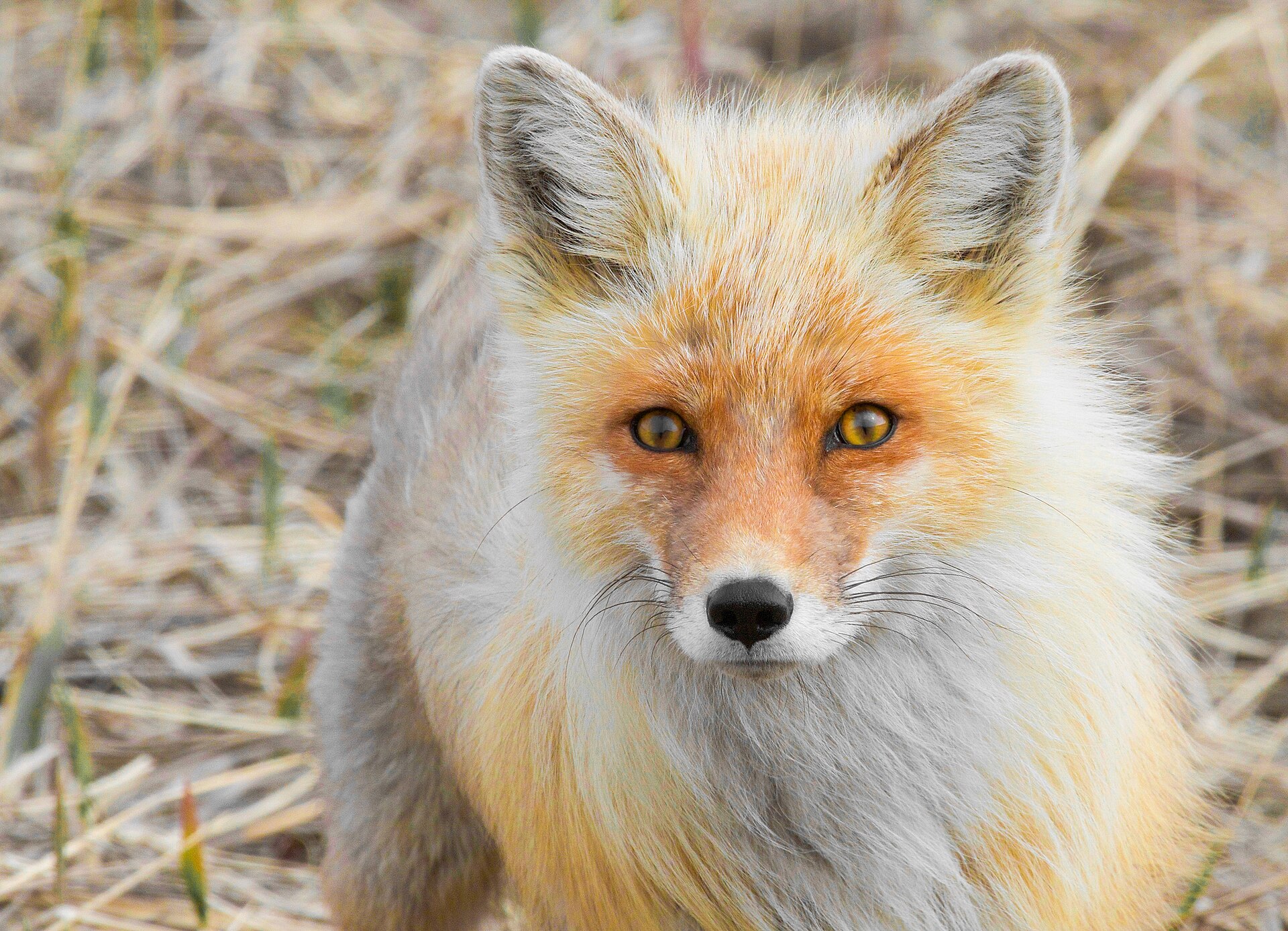
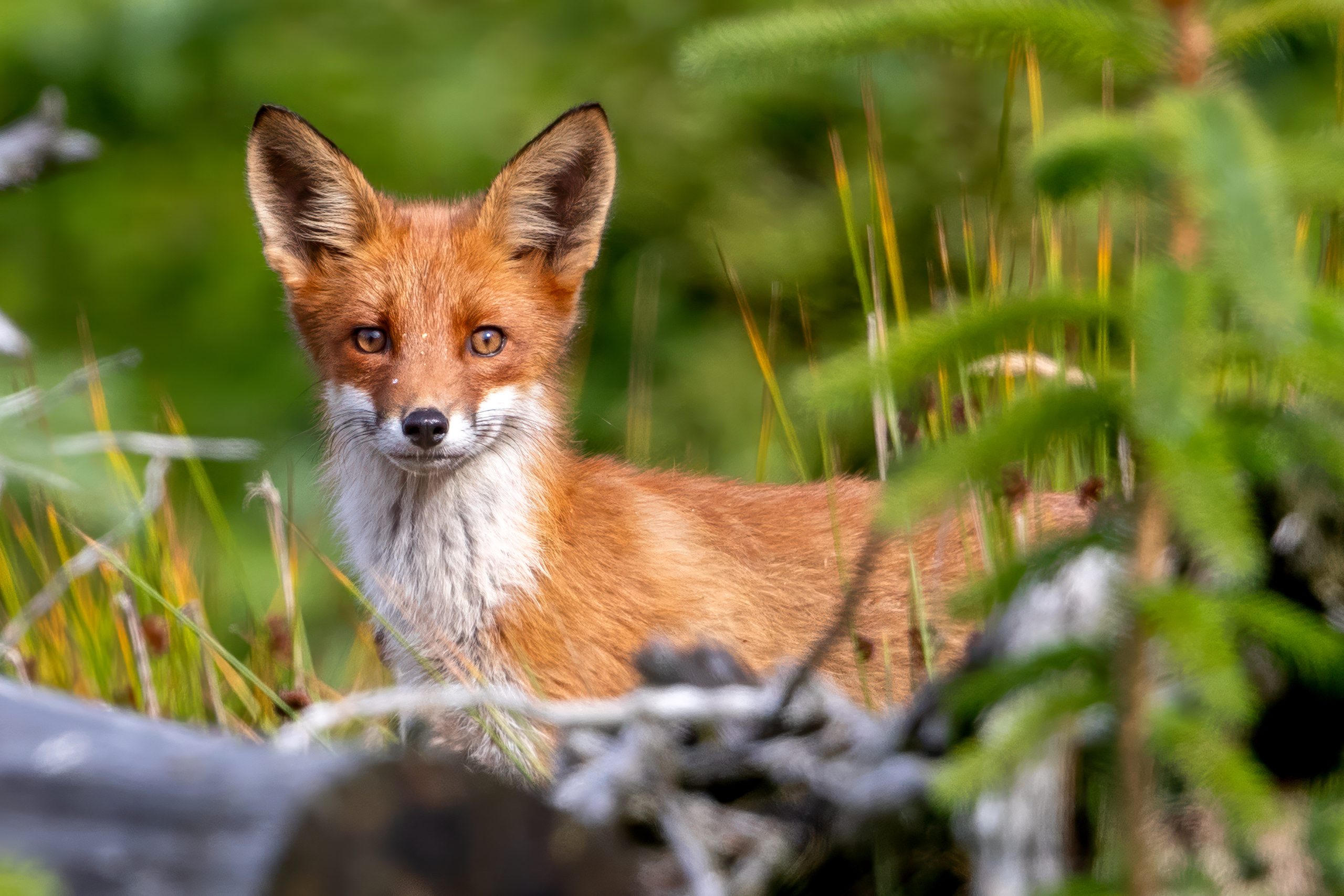
What does a red fox eat in autumn in the Kashmir Himalaya? In Limber Wildlife Sanctuary, researchers examined 33 scats collected between September and November 2025. They found traces of 12 food categories, with rodents appearing most often. The samples also contained plants, birds, insects, remains from large mammals, and materials associated with people.
To identify the food, the researchers sorted remains from the scats and examined mammal hairs under a microscope, comparing their surface scales and internal structures with reference specimens. Rodent remains appeared in 15 of the 33 scats (45.5%). Plant matter appeared in 27.3%, and bird and insect remains each appeared in 24.2%. These figures show how often a category occurred in a scat, not how much of the foxes’ food it represented: one scat could contain several categories. Rodents made up 22.1% of all recorded food-category occurrences, the largest share, but that measure also does not show the weight or volume eaten.
A varied diet, including remains of large animals
Among the larger animals, remains identified as a goral (Naemorhedus goral) occurred in 21.2% of scats, markhor (Capra falconeri) in 15.2%, and sheep in 12.1%. Remains of a langur (Semnopithecus ajax) appeared in 9.1%. Cow and goat remains each appeared in 6.1%. The researchers also found human-associated materials—cloth, paper and plastic—in 9.1% of the samples. The bird remains could not be identified more specifically.
The range of findings is consistent with foxes feeding opportunistically on different available foods. The large-animal remains do not show that foxes killed those animals. Given the size of goral and langur, the authors suggest the foxes may have scavenged carcasses, possibly those left by larger predators such as leopards. The scats cannot establish how the animals died, however.
This autumn survey provides a local snapshot of red fox (Vulpes vulpes) diet in Limber Wildlife Sanctuary. Rodents were the most frequently detected category, but the remains also point to a broader mix of foods, including large animals and human-associated material. The findings suggest dietary flexibility, while the 33 scats from one season cannot show how the foxes’ diet changes through the year or how important each food is overall.
Ecology
Related news
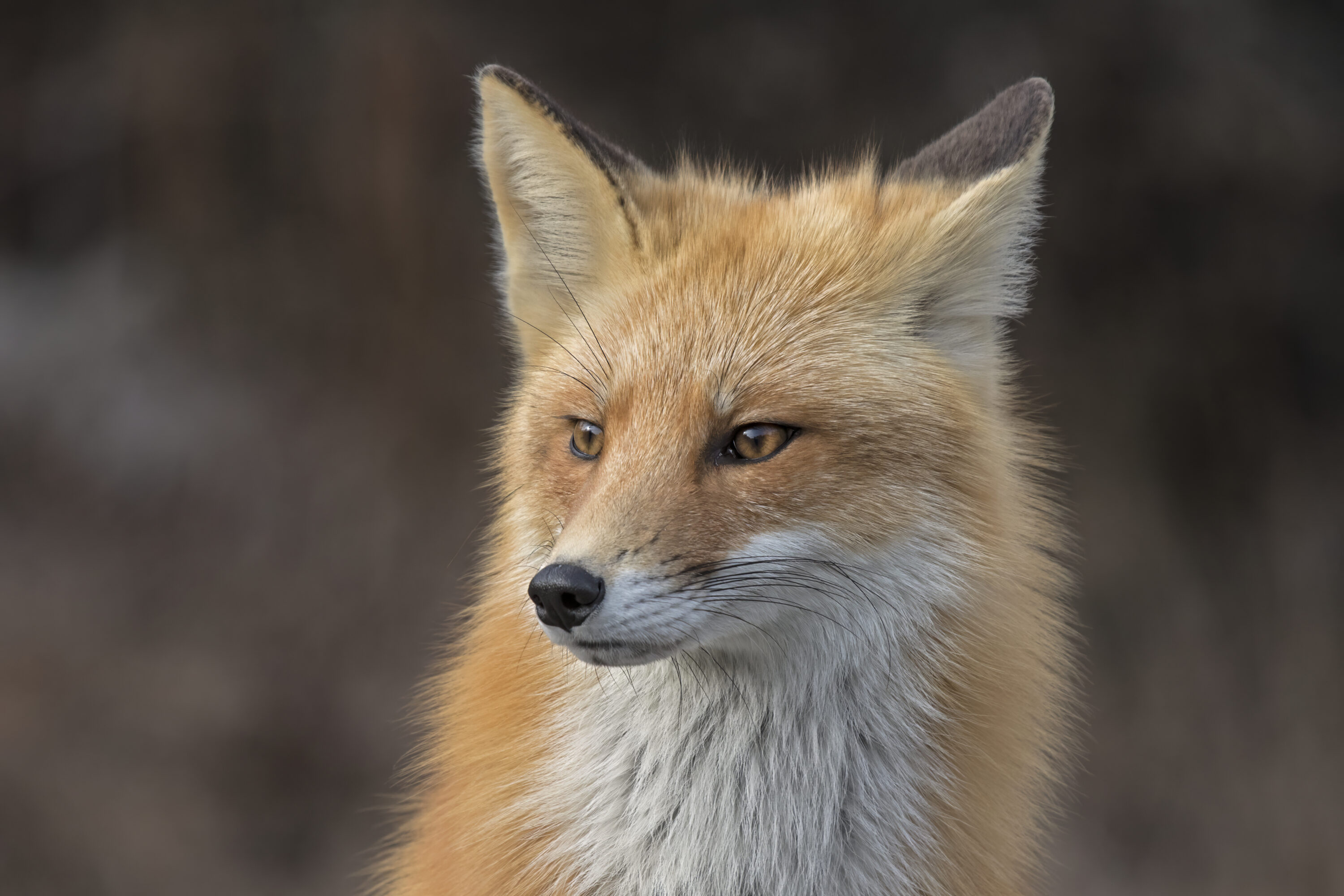
Canine distemper virus found in foxes and badgers in northern Italy
Researchers detected canine distemper virus in six red foxes and six European badgers among 43 wild carnivores examined…
Read story →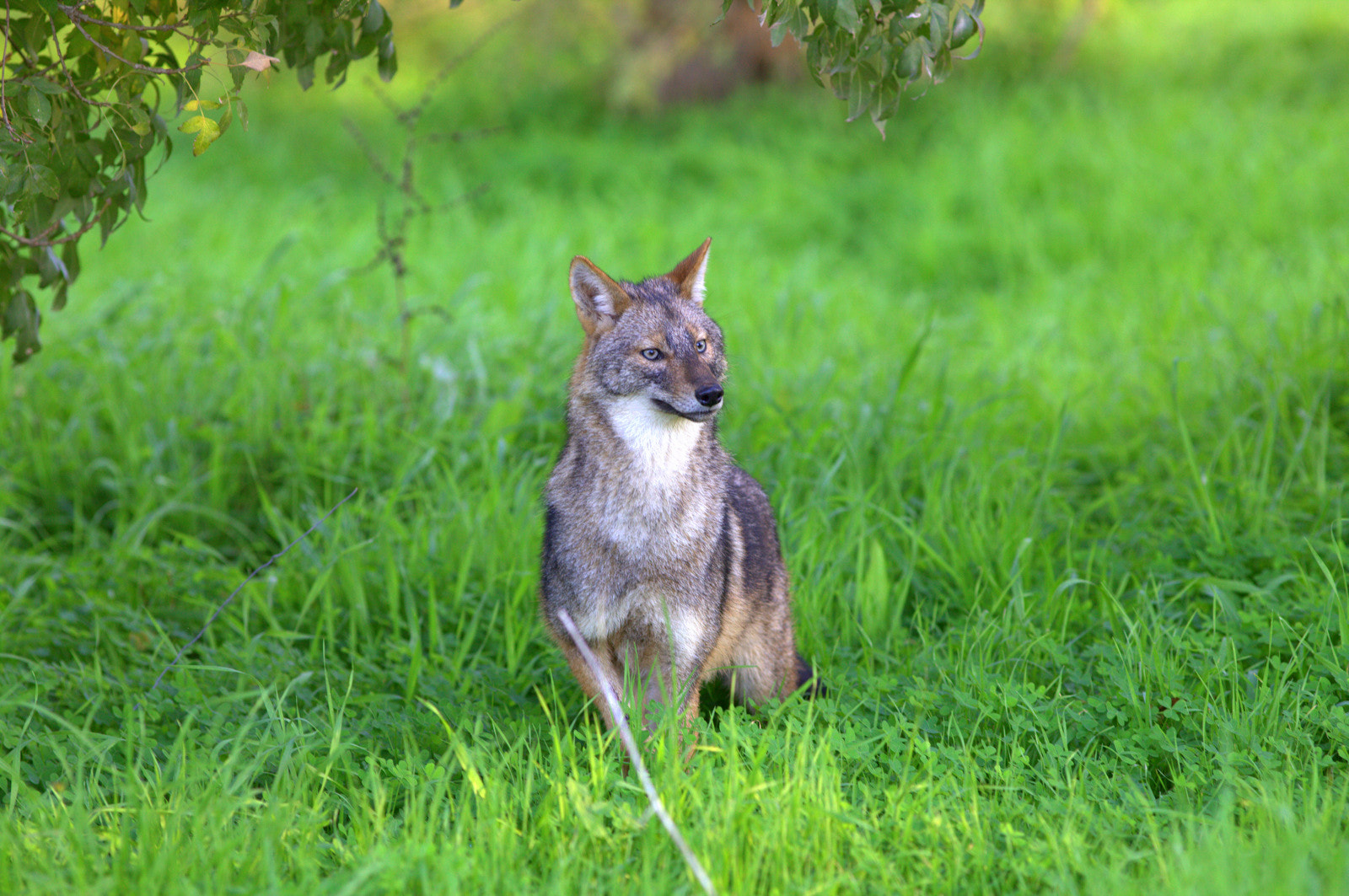
Similar Mammal Diversity, Different Activity Patterns in Grazed and Ungrazed Areas
Camera traps in four northern Israeli reserves found similar numbers of mammal species with and without livestock grazing.…
Read story →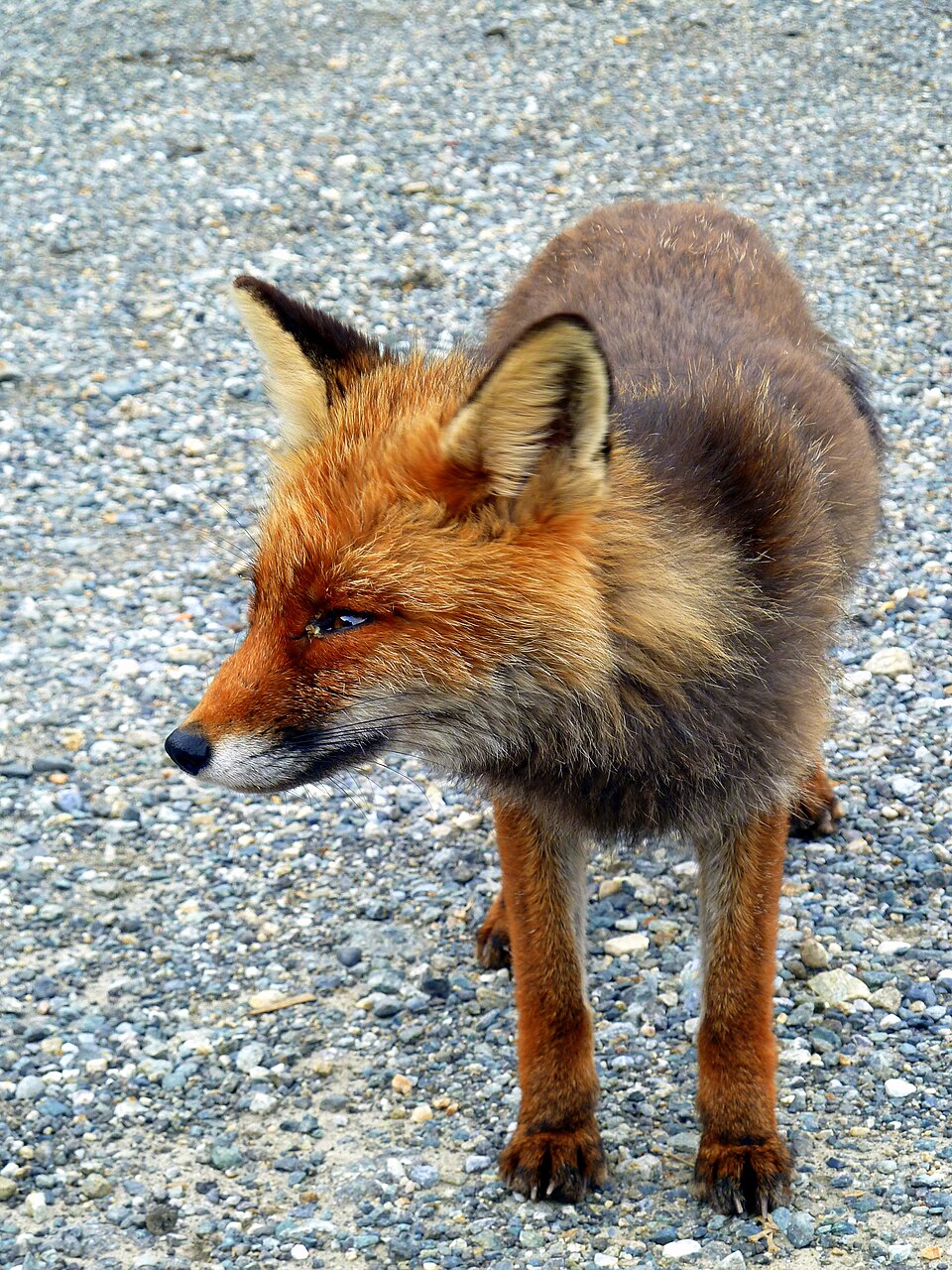
Wolf Kills Provided Plenty of Food for Red Foxes
Red foxes visited all 26 wolf-killed red deer monitored in Stelvio National Park. The amount of meat left…
Read story →SPECIES IN THIS STORY
Species in this story
Independent research and conservation news archive
Did you find this information useful?
Wildlife Vagabond is independently built and maintained. Voluntary support helps cover source verification, hosting and continued work on research and conservation news.
Support Wildlife VagabondThe news archive will remain freely available.