
Vanilla–Capsaicin Pairing Delayed Red Fox Bait Consumption but Did Not Reduce Overall Intake
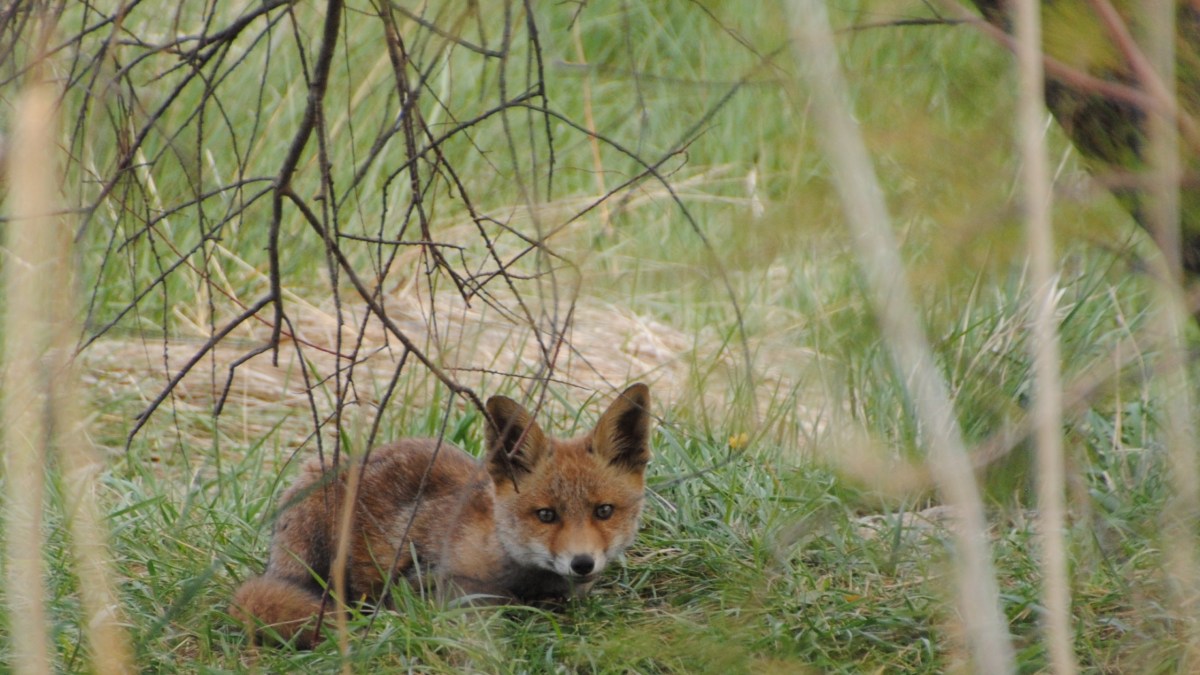
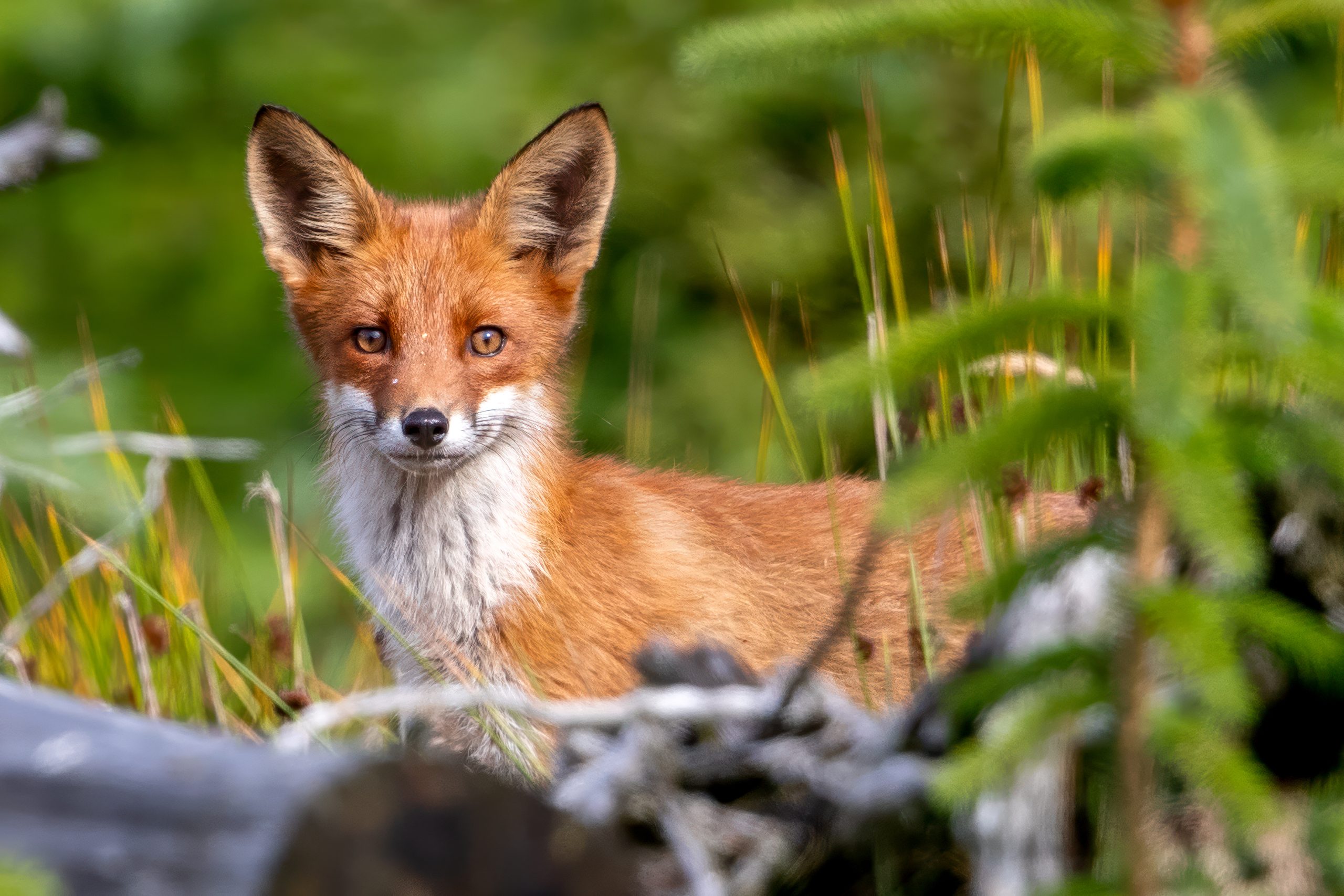
A field experiment published in 2026 tested whether red foxes (Vulpes vulpes) could associate a neutral odour with an unpleasant repellent and subsequently alter their feeding behaviour. Baits paired with vanilla odour and capsaicin took longer for foxes to consume, and the delayed response persisted in later phases when vanilla was presented without capsaicin. Overall bait consumption, however, did not clearly differ between treatments or experimental phases.
The study was conducted in Sierra de Picón in Ciudad Real province, central Spain, using eight baiting points divided between treatment and control sites. The experiment moved through four phases: a pre-repellency phase without treatment, a repellency phase with capsaicin and vanilla at treatment points, a post-repellency phase with vanilla alone, and a final phase in which treatment and control locations were switched while vanilla was maintained at the new treatment points.
Vanilla delayed bait consumption but did not reduce intake
Researchers deployed 226 baits. Mammals or birds consumed 159 of them, and red foxes were the most frequent consumers, taking 110 baits. Foxes took longer to consume baits at treatment points during the repellency, post-repellency and post-repellency-rotation phases.
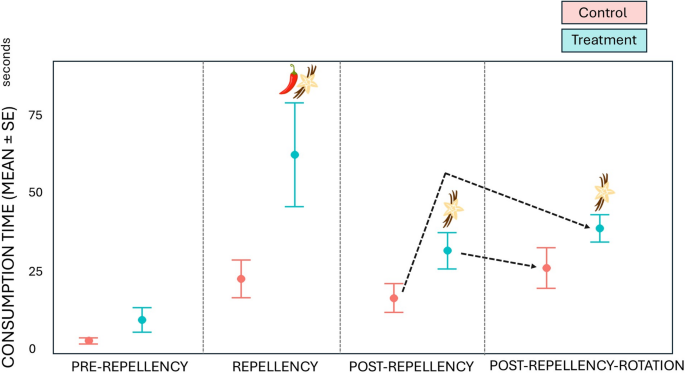
Capsaicin produced clear aversive reactions
Responses associated with capsaicin included rubbing, scratching and salivation. Scratching was also recorded after capsaicin had been removed and only vanilla remained. Together with the longer delay before eating, this suggests that some foxes may have associated the vanilla odour with the earlier unpleasant experience, but the response was not strong enough to prevent bait consumption. The authors stress that this was a small pilot study with only eight baiting points and probably only a few individual foxes exposed to the treatments.
Behaviour
Related news
Juvenile Harris's Hawks Manipulated Pine Cones for About Five Minutes
Two juvenile Harris's hawks in Buenos Aires Province tore pine cones from trees, carried them to new perches…
Read story →
Task Uncertainty Increased Interference From Irrelevant Visual Information in Rhesus Macaque Decisions
Two rhesus macaques made less accurate visual decisions under task uncertainty; recordings and microstimulation in primary visual cortex…
Read story →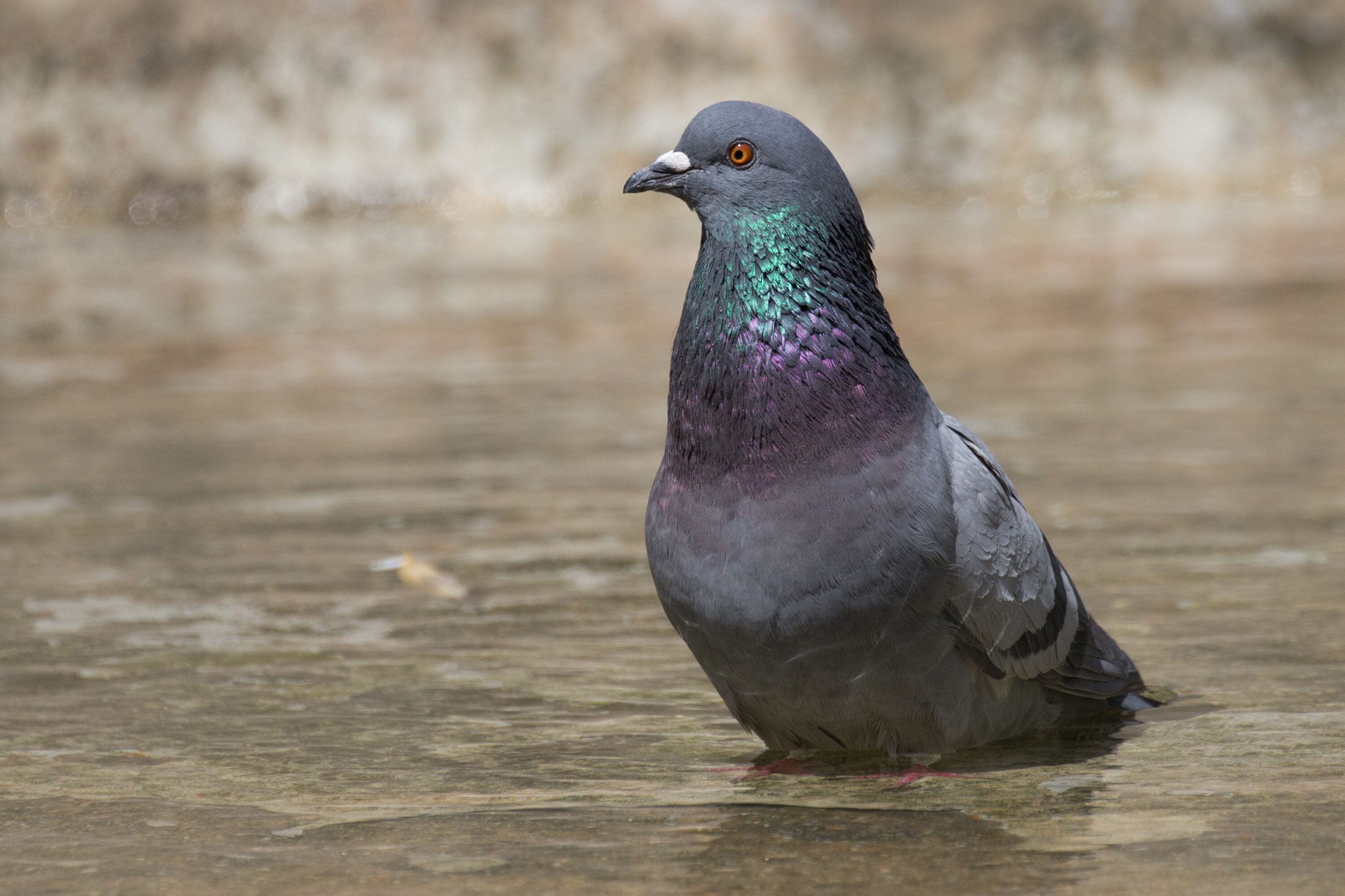
Rock Doves Preferred Predictive Information Despite a Lower Food Payoff
Seven rock doves preferred an informative option that paid on 20% of trials over a non-informative option that…
Read story →SPECIES IN THIS STORY
Species in this story
Independent research and conservation news archive
Did you find this information useful?
Wildlife Vagabond is independently built and maintained. Voluntary support helps cover source verification, hosting and continued work on research and conservation news.
Support Wildlife VagabondThe news archive will remain freely available.