
Red junglefowl and other birds reveal a shared pattern in beak growth—with exceptions
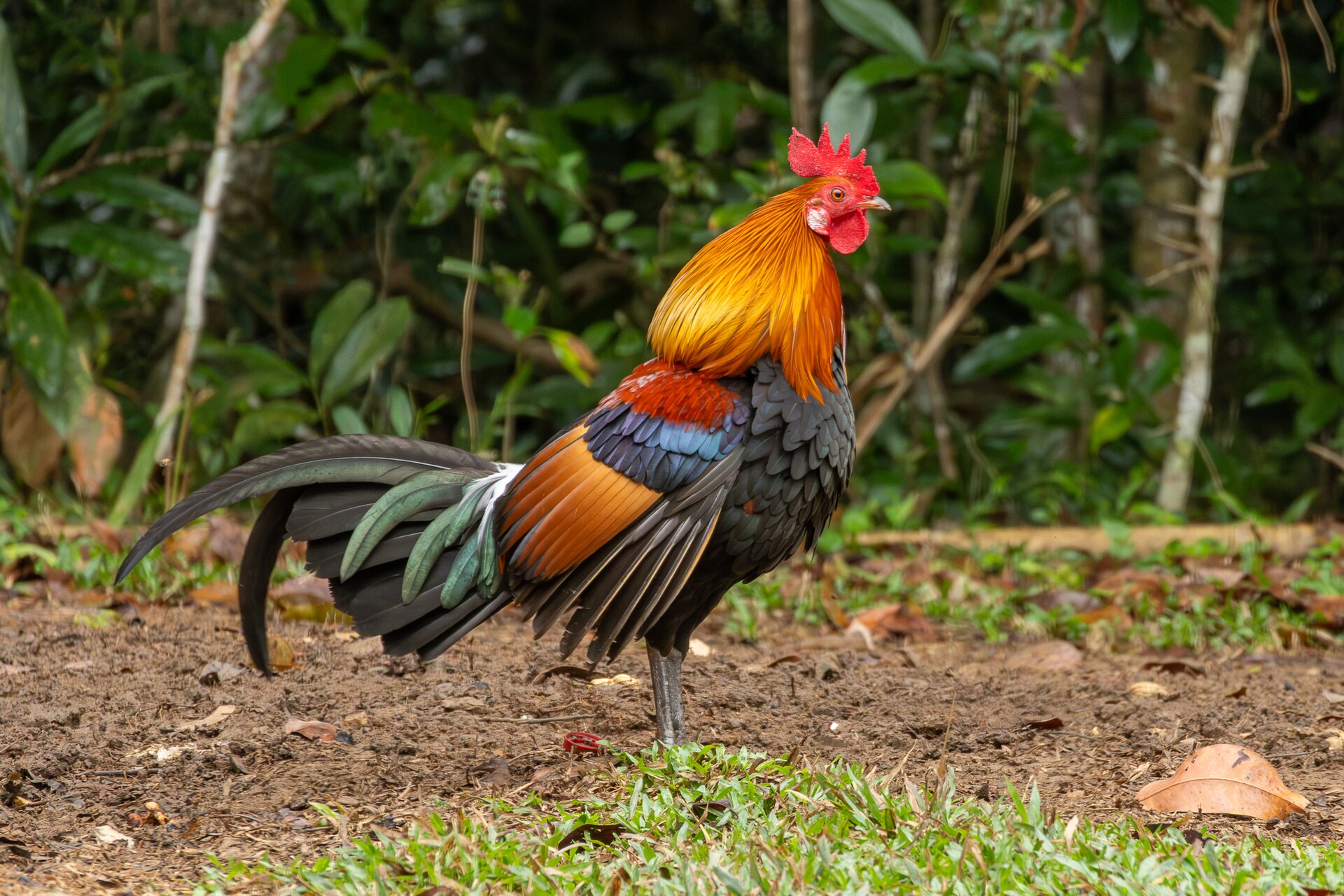
How does a bird’s beak take shape as it grows? A comparison of seven species, including red junglefowl (Gallus gallus), found that a recurring mathematical pattern describes beak growth in three of them, but not the others. Beak shape is closely linked to feeding and foraging, so understanding how development builds different shapes can help explain the diversity of bird beaks.
The researchers used CT scans to make three-dimensional models of the premaxilla, a major bone in the upper beak, at different growth stages. They measured cross-sections along the beak, testing whether its radius increased in a predictable way with distance from the tip. This relationship, called a power cascade, describes how a beak broadens from tip to base. It does not prescribe one universal shape: each species can follow its own version of the pattern. Some species were represented from embryo to adult, while others were represented only at juvenile and later stages. A separate shape analysis captured changes that the power cascade does not describe.
Three species followed their own growth patterns
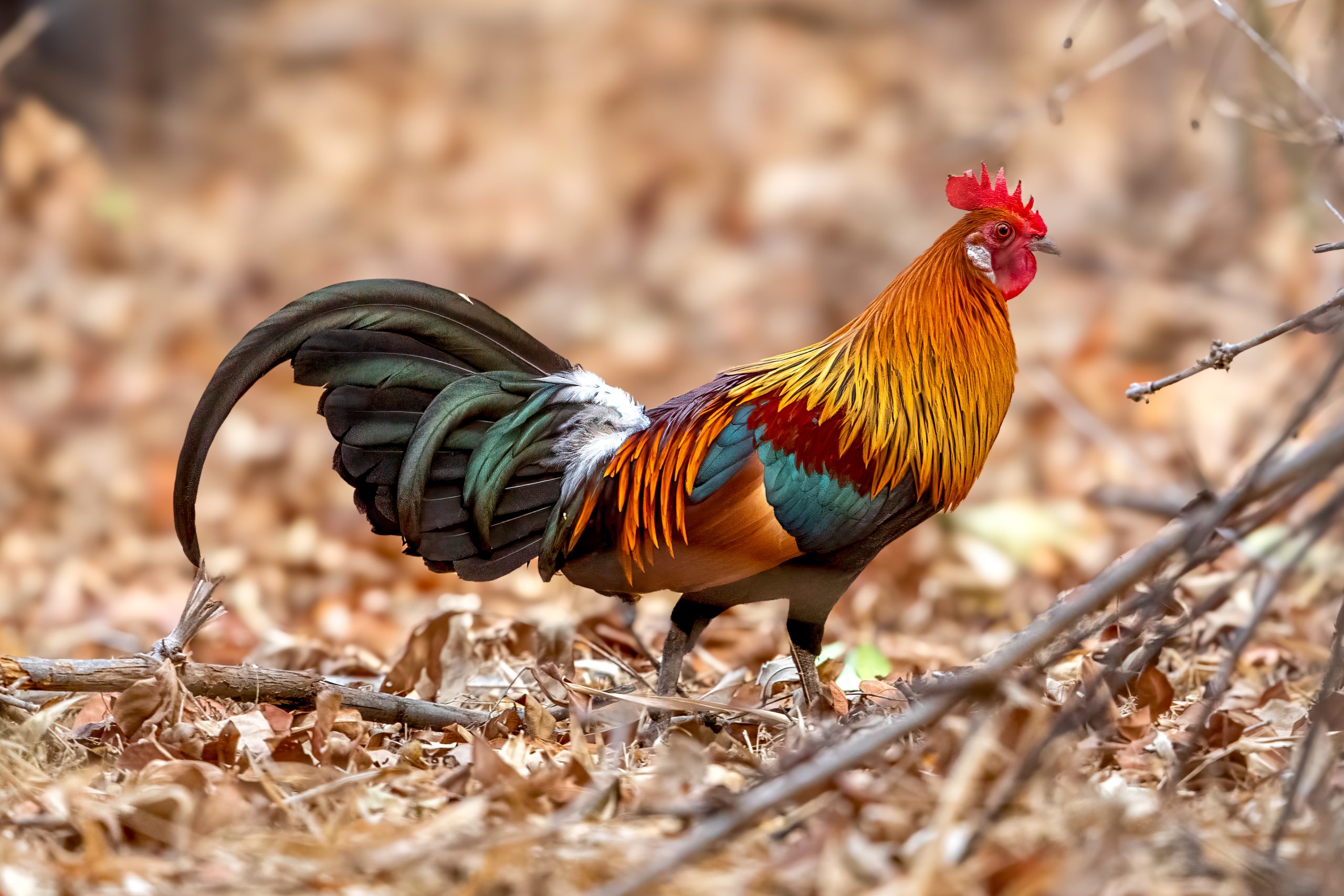
Red junglefowl, Australian zebra finches (Taeniopygia castanotis) and southern cassowaries (Casuarius casuarius) followed species-specific versions of the power cascade across the stages studied. In red junglefowl and zebra finches, the beaks became more pointed as the birds grew. The cassowary’s profile changed comparatively little according to this model, even as its beak grew in size.
The separate shape analysis revealed changes beyond the profile measured by the model. From post-hatching stages to adulthood, all seven species developed more gracile, less robust beaks. But changes in flattening and curvature differed. The magpie goose (Anseranas semipalmata), Pacific black duck (Anas superciliosa) and southern cassowary became less flattened and more curved. The zebra finch shifted in the opposite direction, becoming flatter and less curved; royal spoonbills (Platalea regia) and Australian white ibises (Threskiornis molucca) showed smaller changes in the same direction. The zebra finch and ibis—the species with the smallest and largest beaks in the comparison—also showed the greatest shape change for a given increase in beak size. Red junglefowl were excluded from this particular rate-of-shape-change analysis because only one subadult or adult specimen was available.
Some departures depended on age or beak region
The whole beaks of the Pacific black duck and magpie goose did not follow the power cascade through the stages studied, but their tips did. The pattern also held in particular regions of the beak, though not consistently across every age and region. In the Australian white ibis, juvenile beaks followed the pattern, while beaks at later stages did not.
The duck and goose have compound beaks, with additional structures along the sides as well as an elongated main body. The researchers suggest that growth in these regions may help explain why the whole beak departs from the model even though the tip follows it. The royal spoonbill showed a different kind of exception: its external beak did not follow the model, but a more heavily ossified inner bone core did so in the two youngest stages examined. At those stages, the core was distinct from a lattice-like bony element along the sides of the beak; later, the two had fused into one premaxilla. The researchers suggest that the core may provide a scaffold from which the sides expand, producing a shape that departs from the original pattern.
Together, the findings suggest that one recurring growth pattern can describe the development of some beaks, while other growth changes build on or depart from it. The separate changes in slenderness, flattening and curvature show why measuring the whole beak—and looking at how its regions develop—reveals more than a single growth rule alone.
Anatomy & morphology
Related news
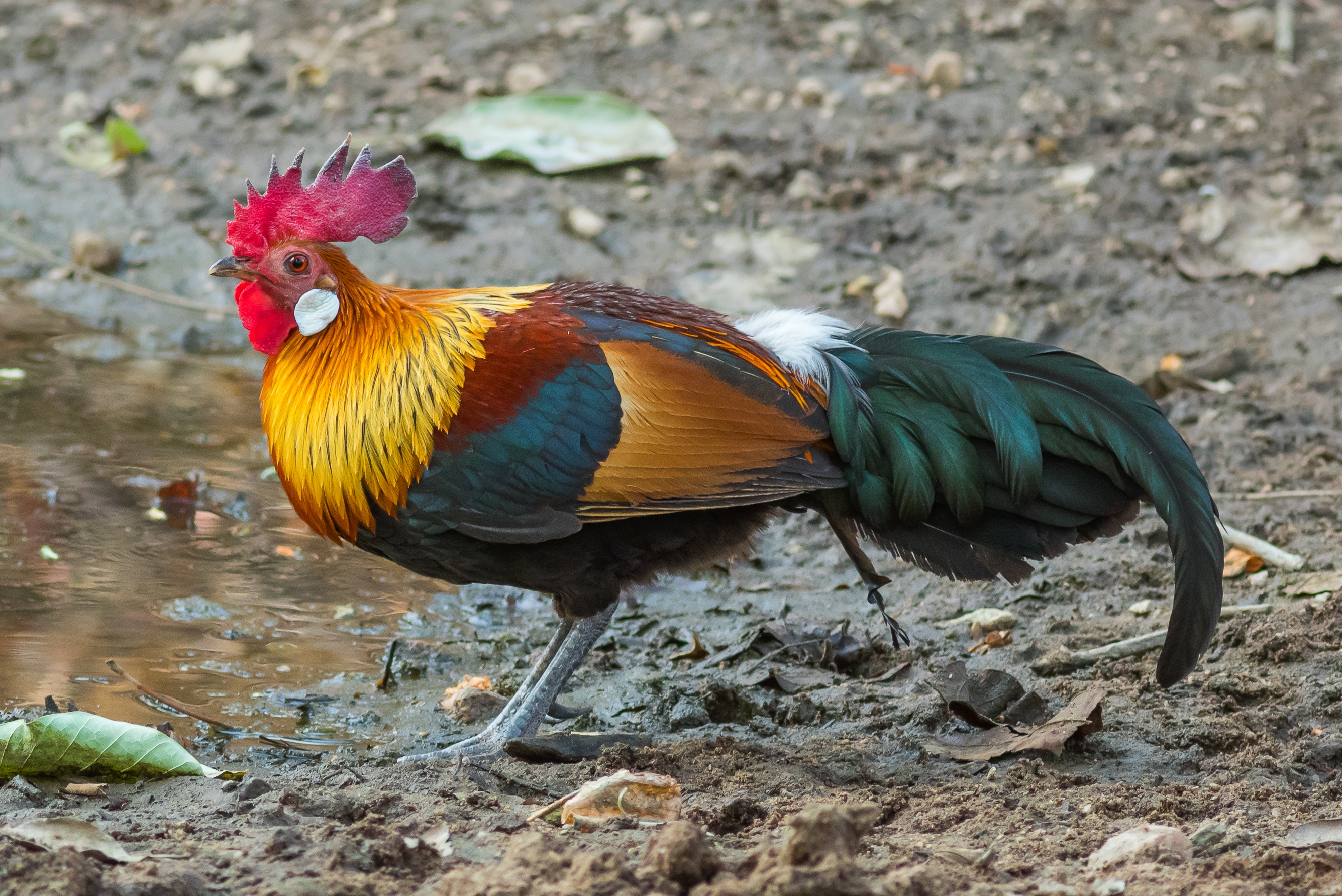
Three Lactic Acid Bacterial Strains From Wild Red Junglefowl Were Selected as Probiotic Candidates
Researchers recovered 39 presumptive lactic acid bacterial isolates from three wild red junglefowl in southeastern Bangladesh. After sequencing…
Read story →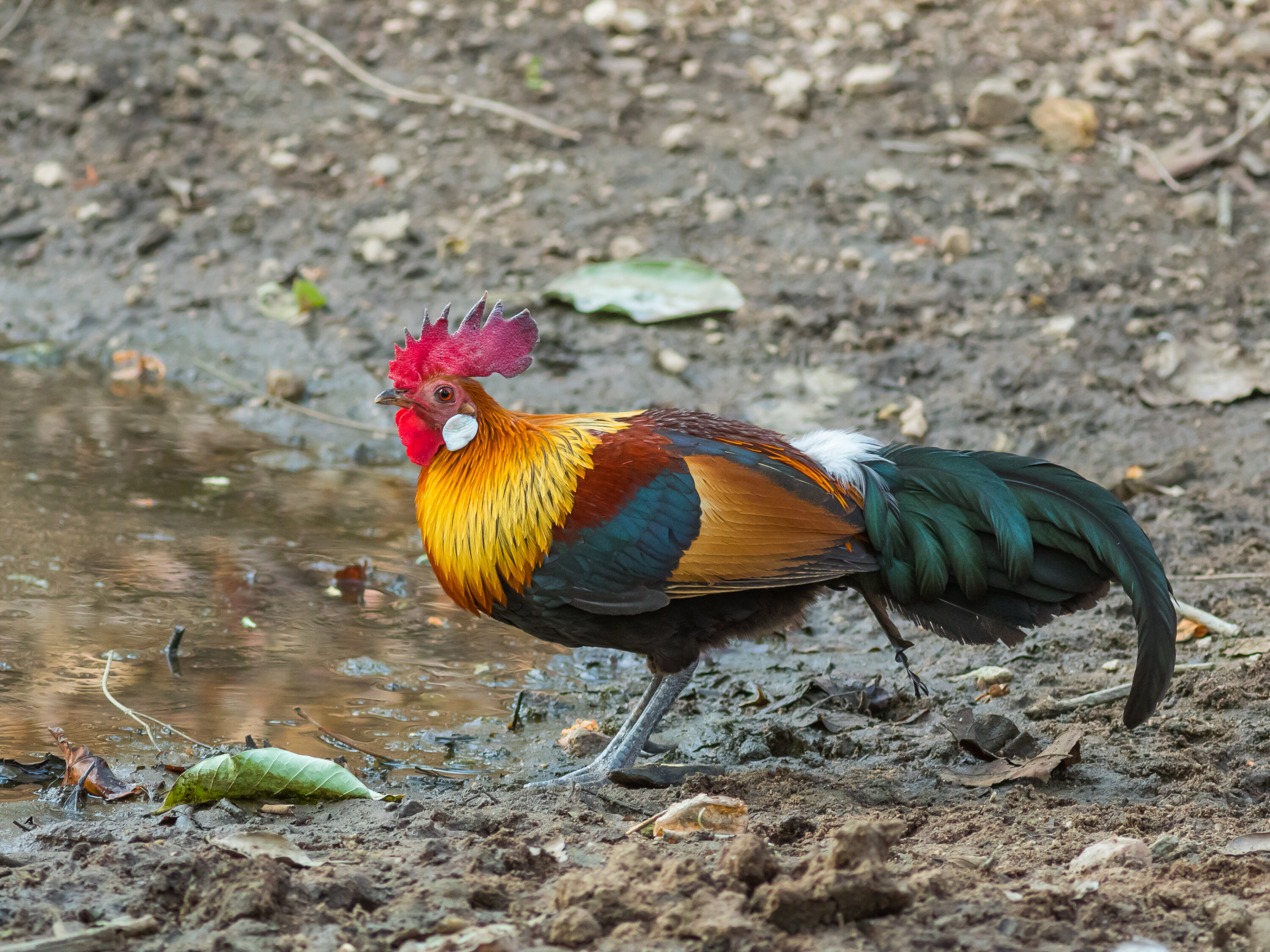
Play Stimulation Increased Later Exploration in Red Junglefowl and White Leghorn Chicks
A controlled experiment with 32 Red Junglefowl and 31 White Leghorn chicks found that early play stimulation increased…
Read story →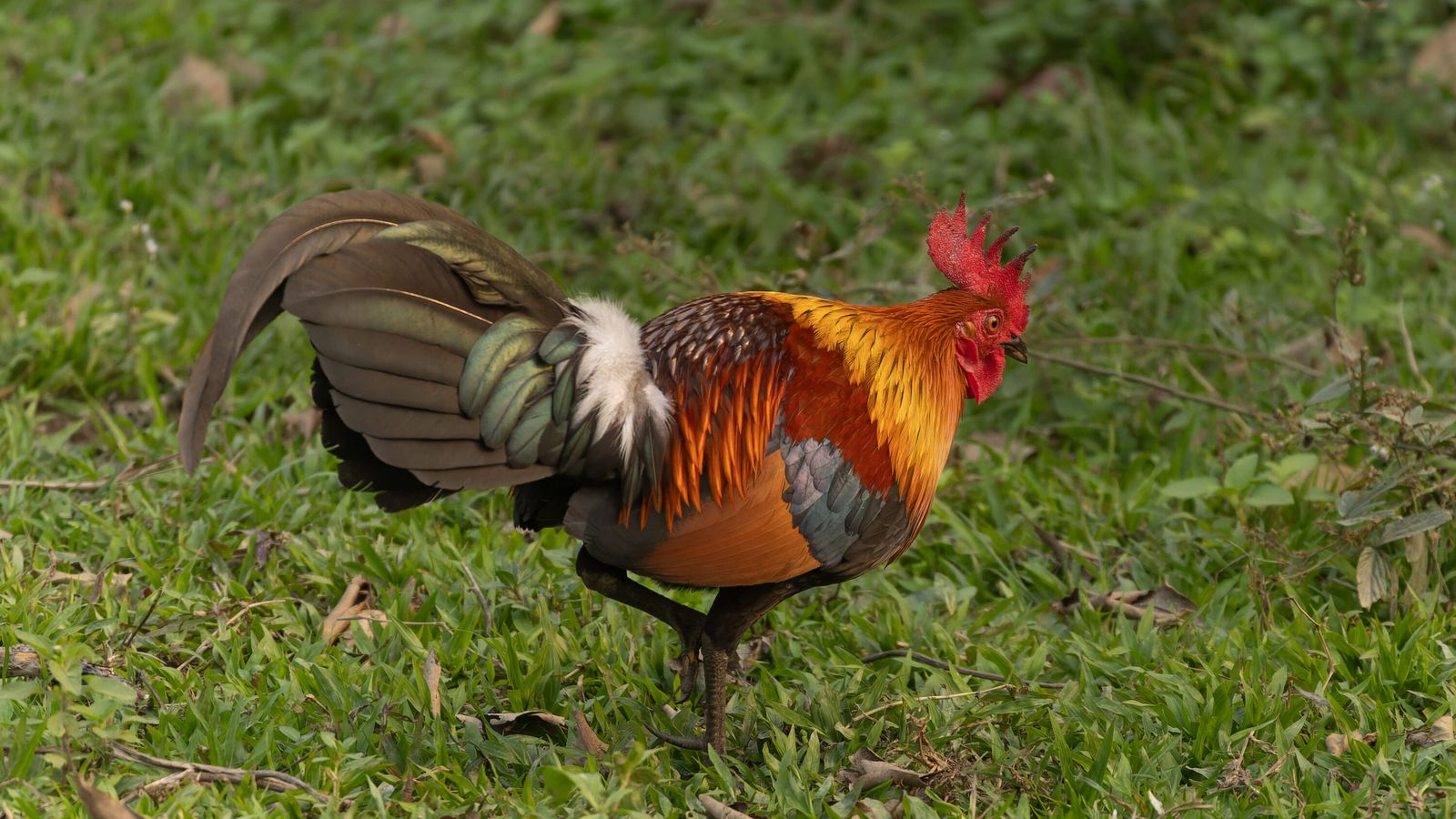
A 285-SNP Model Distinguished Red Junglefowl, Domestic Chickens and Hybrids
A model trained on 1,960 genomes reduced Red Junglefowl identification to a 285-SNP panel and achieved 97.8% accuracy…
Read story →SPECIES IN THIS STORY
Species in this story
Independent research and conservation news archive
Did you find this information useful?
Wildlife Vagabond is independently built and maintained. Voluntary support helps cover source verification, hosting and continued work on research and conservation news.
Support Wildlife VagabondThe news archive will remain freely available.