
Play Stimulation Increased Later Exploration in Red Junglefowl and White Leghorn Chicks
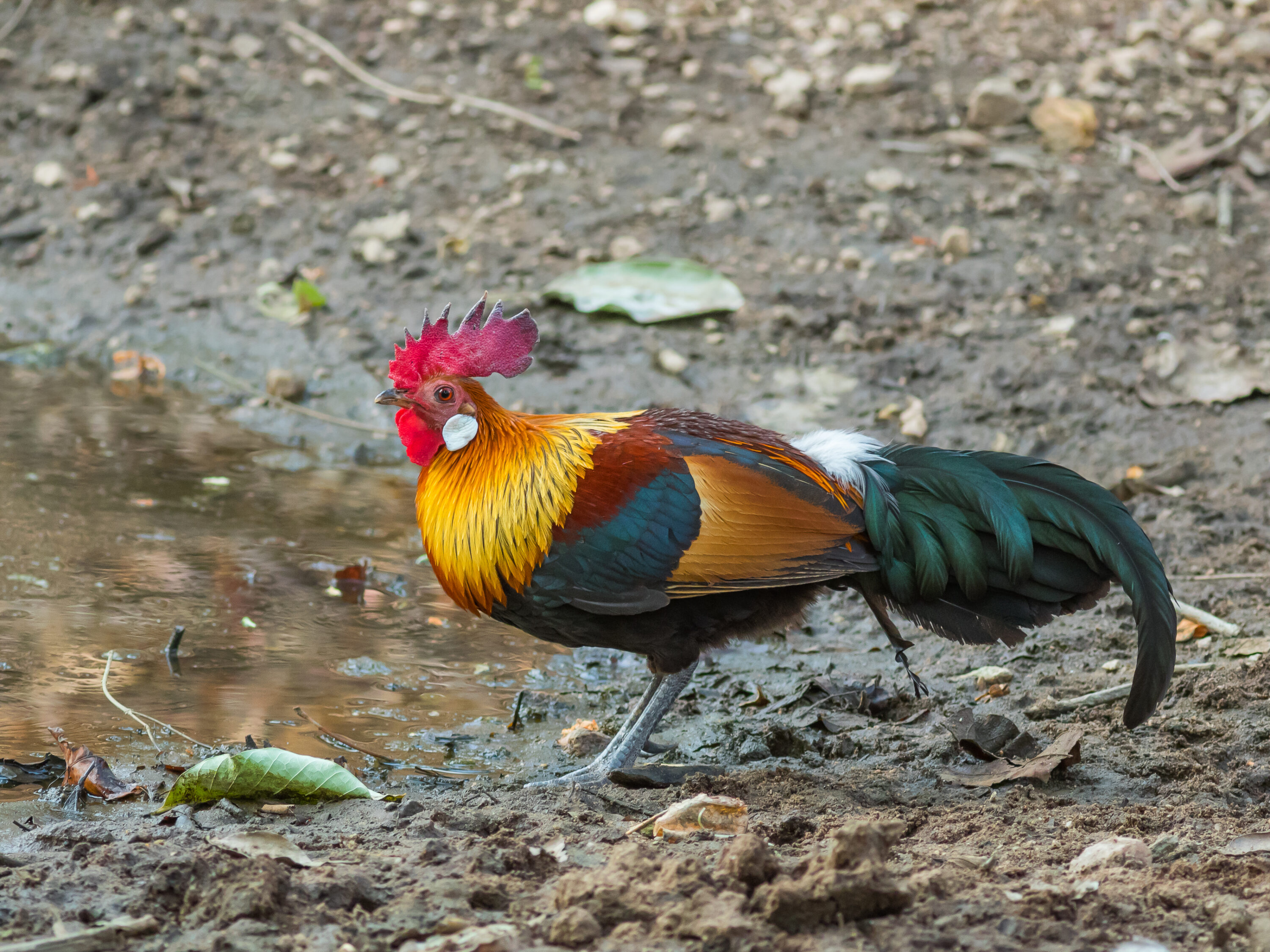
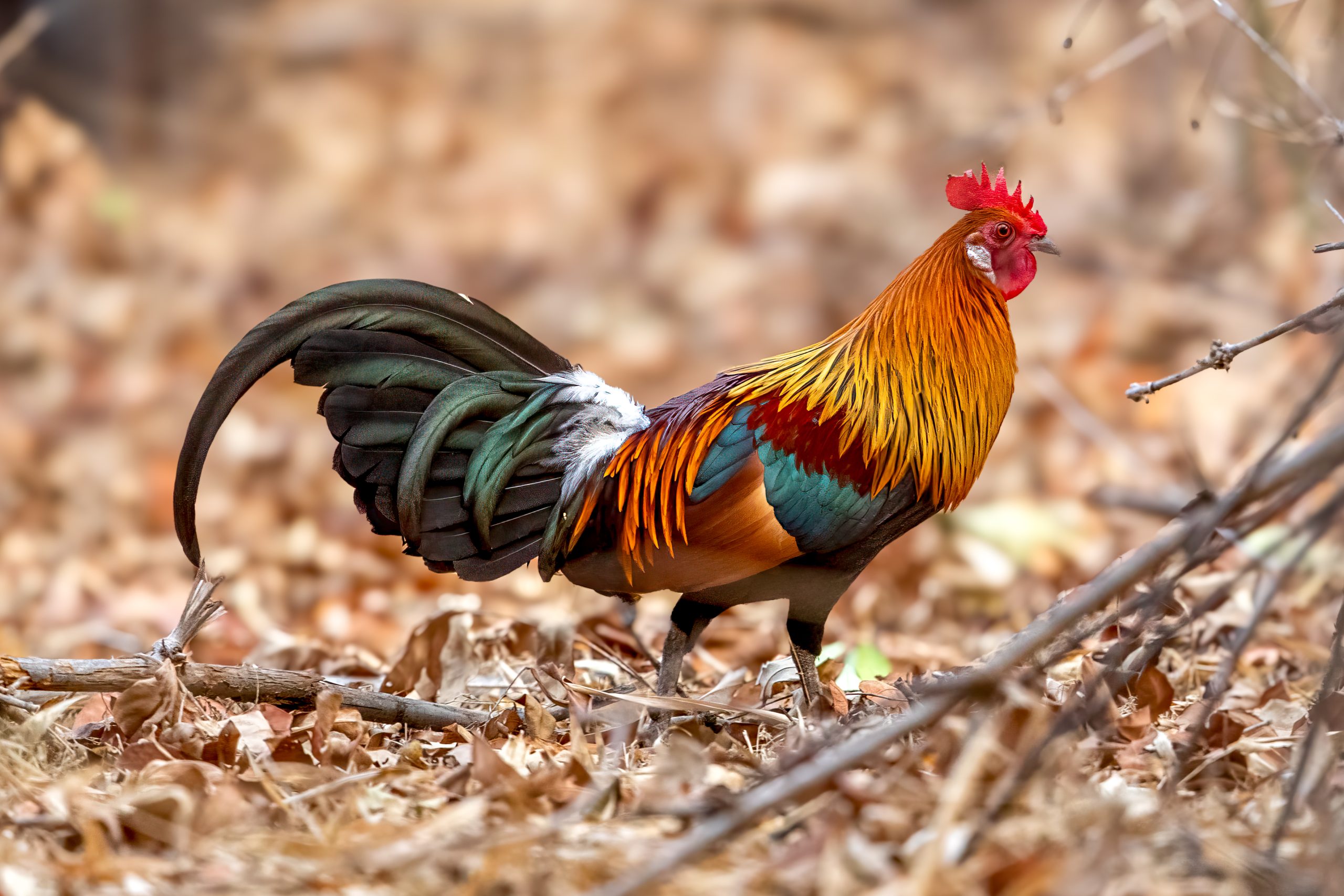
A controlled experiment comparing Red Junglefowl (Gallus gallus) with domesticated White Leghorn chickens found that extra opportunities for play during the first five weeks of life changed later exploratory behaviour. The study used 32 Red Junglefowl and 31 White Leghorn chicks bred and hatched at Linköping University.
About half of each line received play stimulation three times a week for five weeks. During each 30-minute session, groups of four chicks were released into a larger arena with wood chips and enough space and companions to trigger locomotor and social play. Control birds were handled on the same schedule but did not receive the same opportunity to play.
Play-stimulated chicks explored more food patches
Later exploration was tested by releasing two same-sex chicks into an arena containing food cups with mealworms. Researchers recorded how many cups each bird visited and how often it returned to them. Visiting more different cups therefore meant that the chick searched a larger part of the arena for food.
Across both lines, play-stimulated chicks later visited more food patches than control birds. Red Junglefowl were generally more exploratory than White Leghorns regardless of treatment. Because birds were tested in pairs, the authors note that competition or social facilitation between the two chicks may also have influenced how much they explored.
Social effects were strongest in White Leghorns
Social motivation was measured in a separate L-shaped arena. One arm led toward two familiar cage-mates behind a mesh barrier, while the other led to food out of sight of those companions. The test therefore asked whether a chick stayed close to other birds or moved away from them to forage.
Play stimulation increased later sociality mainly in White Leghorns. The domesticated chicks that had received extra play were more inclined to remain near companions than their control counterparts, whereas the corresponding treatment effect was much weaker in Red Junglefowl. The experiment therefore produced both a shared effect on exploration and a more domestication-dependent effect on social behaviour.
The brain differences were relative, not an increase in absolute brain mass
After the behavioural tests, researchers weighed the body, whole brain and cerebellum. Play-stimulated birds had a larger brain mass relative to body mass, most clearly in White Leghorns, but their absolute brain mass did not differ from controls. They also had lower body weight. In practical terms, the brain therefore made up a slightly larger share of body mass; the experiment did not show that play produced a physically heavier brain.
Among Red Junglefowl, play-stimulated chicks had a larger cerebellum relative to total brain mass than controls. The cerebellum is strongly involved in coordinating movement and motor learning, making it a biologically interesting region in a study of active play. However, play stimulation did not change the density of neurons or non-neuronal cells in the cerebellum.
The authors describe the brain effects as relatively weak and in need of further study. Their stronger result is behavioural: repeated play opportunities early in life increased later exploration in both chicken lines, while some social and brain responses differed with domestication history.
Behaviour
Related news
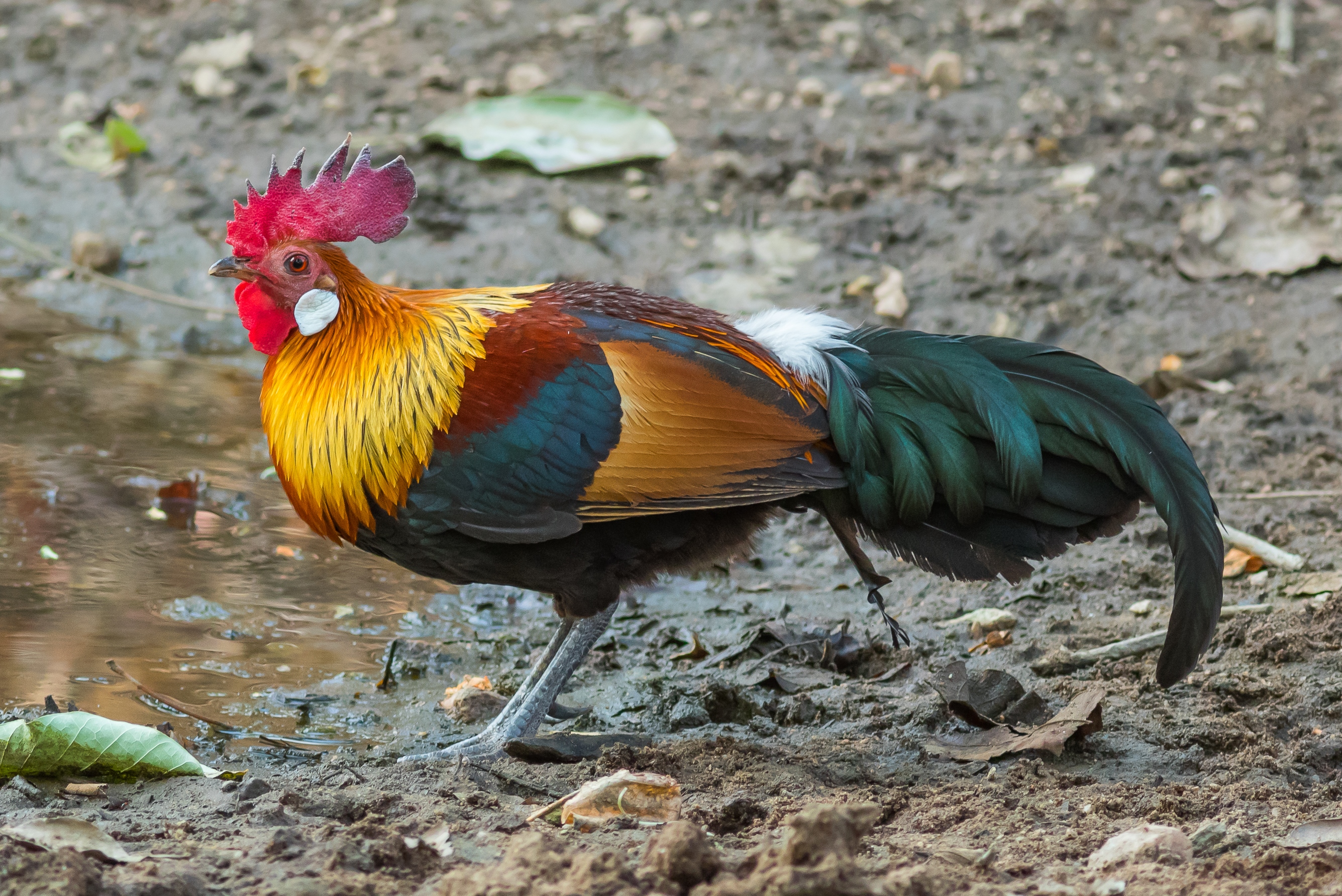
Three Lactic Acid Bacterial Strains From Wild Red Junglefowl Were Selected as Probiotic Candidates
Researchers recovered 39 presumptive lactic acid bacterial isolates from three wild red junglefowl in southeastern Bangladesh. After sequencing…
Read story →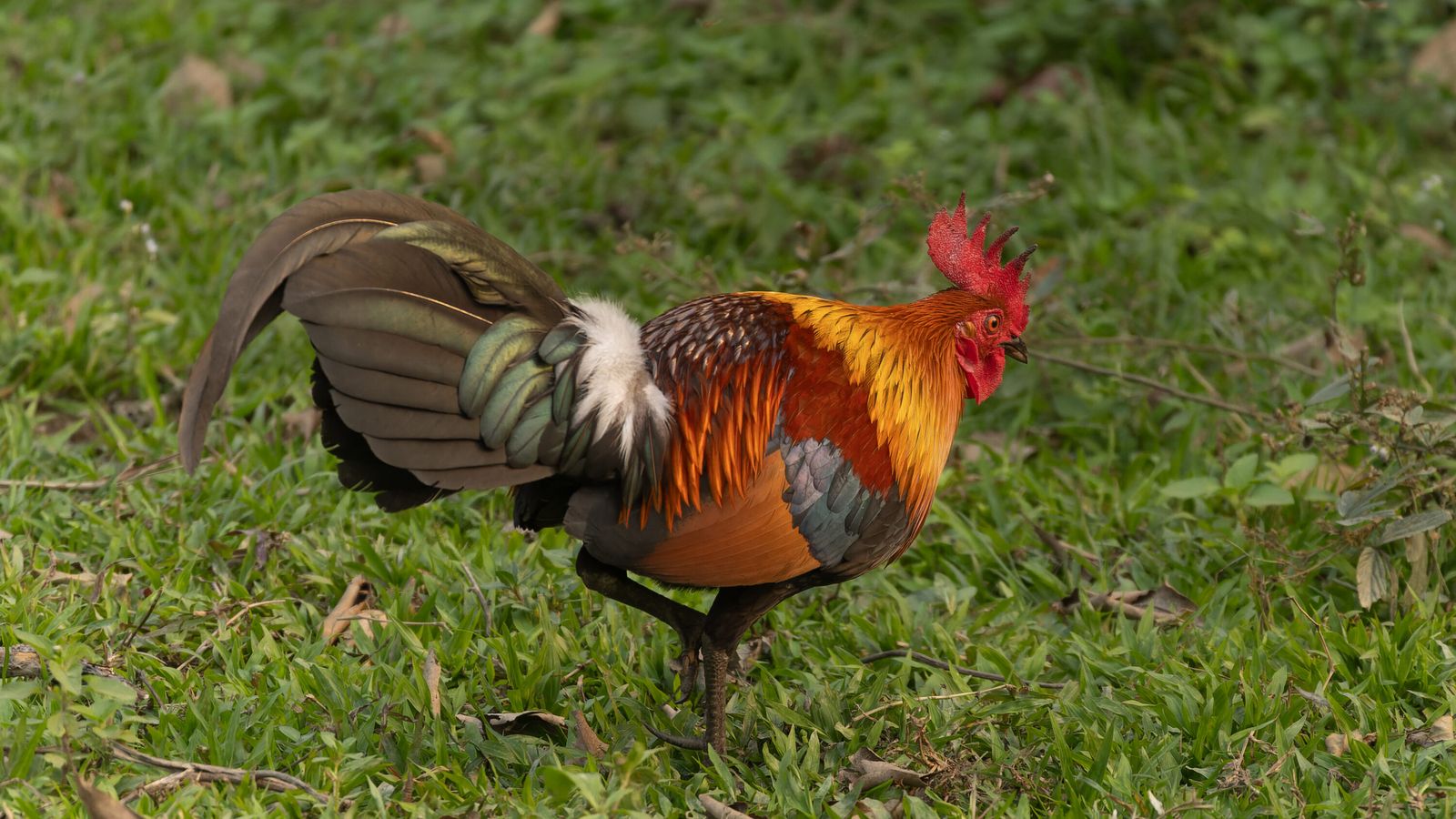
A 285-SNP Model Distinguished Red Junglefowl, Domestic Chickens and Hybrids
A model trained on 1,960 genomes reduced Red Junglefowl identification to a 285-SNP panel and achieved 97.8% accuracy…
Read story →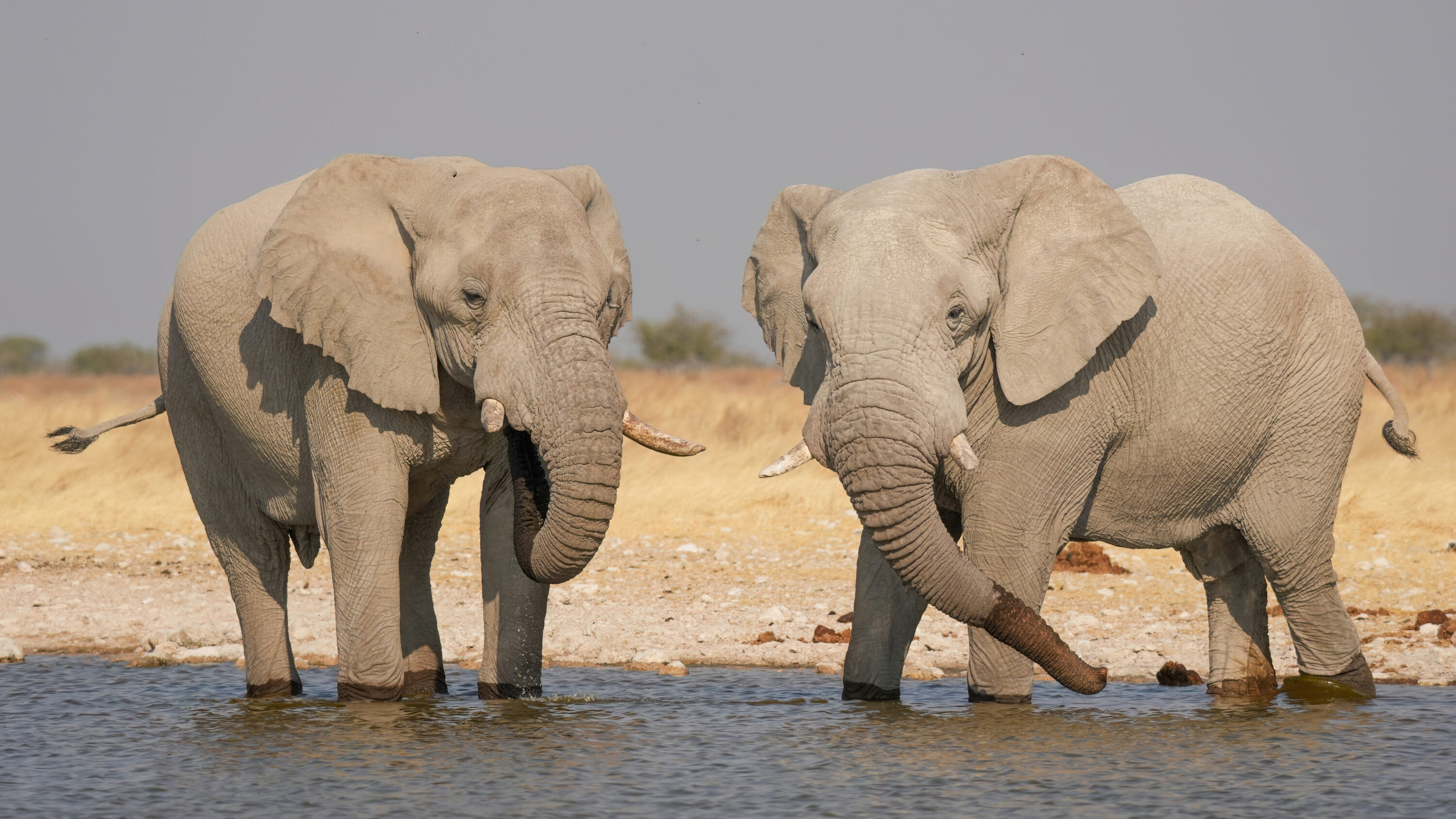
Three Ways of Analysing Elephant Calls Gave Different Results
Recordings from a semi-free herd in South Africa show how the method used to classify call timing can…
Read story →SPECIES IN THIS STORY
Species in this story
Independent research and conservation news archive
Did you find this information useful?
Wildlife Vagabond is independently built and maintained. Voluntary support helps cover source verification, hosting and continued work on research and conservation news.
Support Wildlife VagabondThe news archive will remain freely available.