
Red-vented Bulbuls Rejected Large Foreign Eggs but Accepted Most Host-sized Eggs
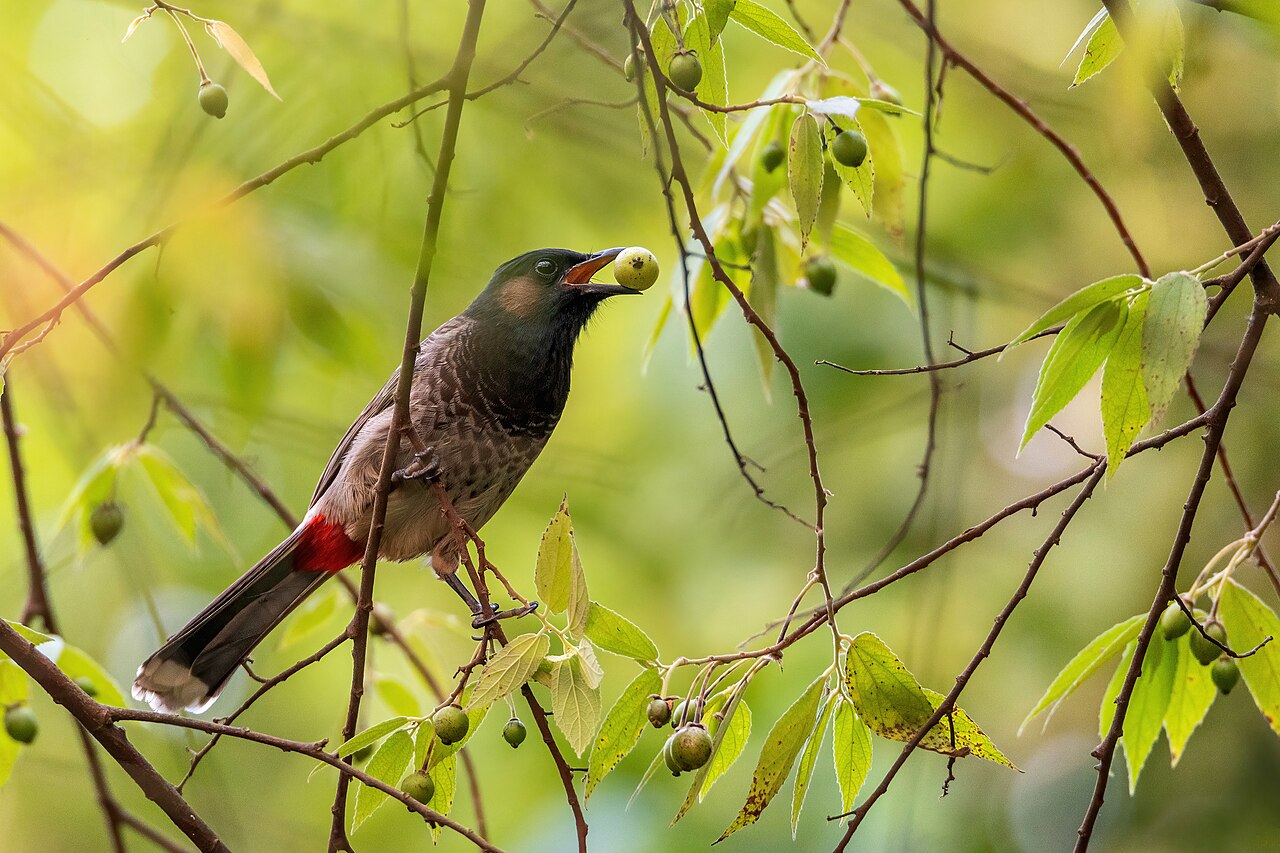
Red-vented bulbuls (Pycnonotus cafer) in Pakistan use several cues when responding to brood parasitism, according to an experimental study published on 2 February 2026. The species is a common host of the Jacobin cuckoo (Clamator jacobinus), which lays its eggs in the nests of other birds.
Researchers experimentally introduced foreign eggs and nestlings of different sizes into bulbul nests to test how the hosts distinguished them from their own offspring.
Large foreign eggs were consistently rejected
The bulbuls accepted most foreign eggs that were similar in size to their own, but consistently rejected large eggs. The authors conclude that egg size acts as an important recognition cue for this host species.
Nestling responses were linked more to skin colour than size
Responses after hatching were different. Nestling discrimination appeared to depend more on skin colour than on size: nestlings whose skin colour did not match the host young were left unfed. The authors explicitly caution, however, that this part of the experiment was based on a small sample and should therefore be interpreted carefully.
Hatching order also affected the response
In a few experiments, bulbuls rejected their own clutch when a foreign egg hatched first. The researchers therefore identify hatching order as another factor that can affect host responses during brood parasitism.
Whether parents were present in the nest also affected rejection behaviour. The birds did not rely on a single recognition rule throughout the breeding cycle; visual, temporal and behavioural cues all influenced their response.
Behaviour
Related news
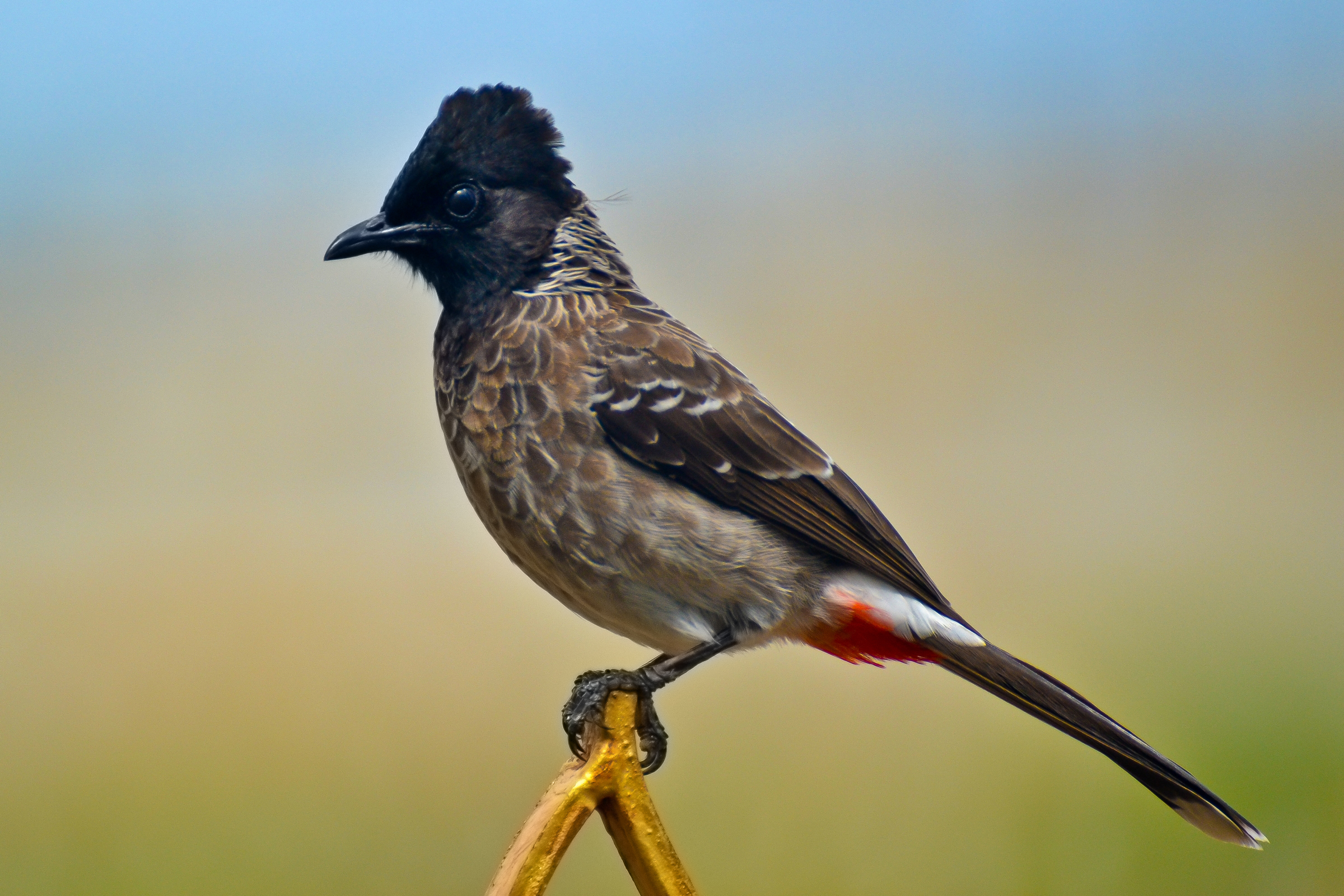
Red-vented Bulbul Index Showed Clear Increases on Both Time Scales in India
The 2025 State of India’s Birds update estimated a +61.5% long-term trend and a +2.2% current annual trend…
Read story →
Three Ways of Analysing Elephant Calls Gave Different Results
Recordings from a semi-free herd in South Africa show how the method used to classify call timing can…
Read story →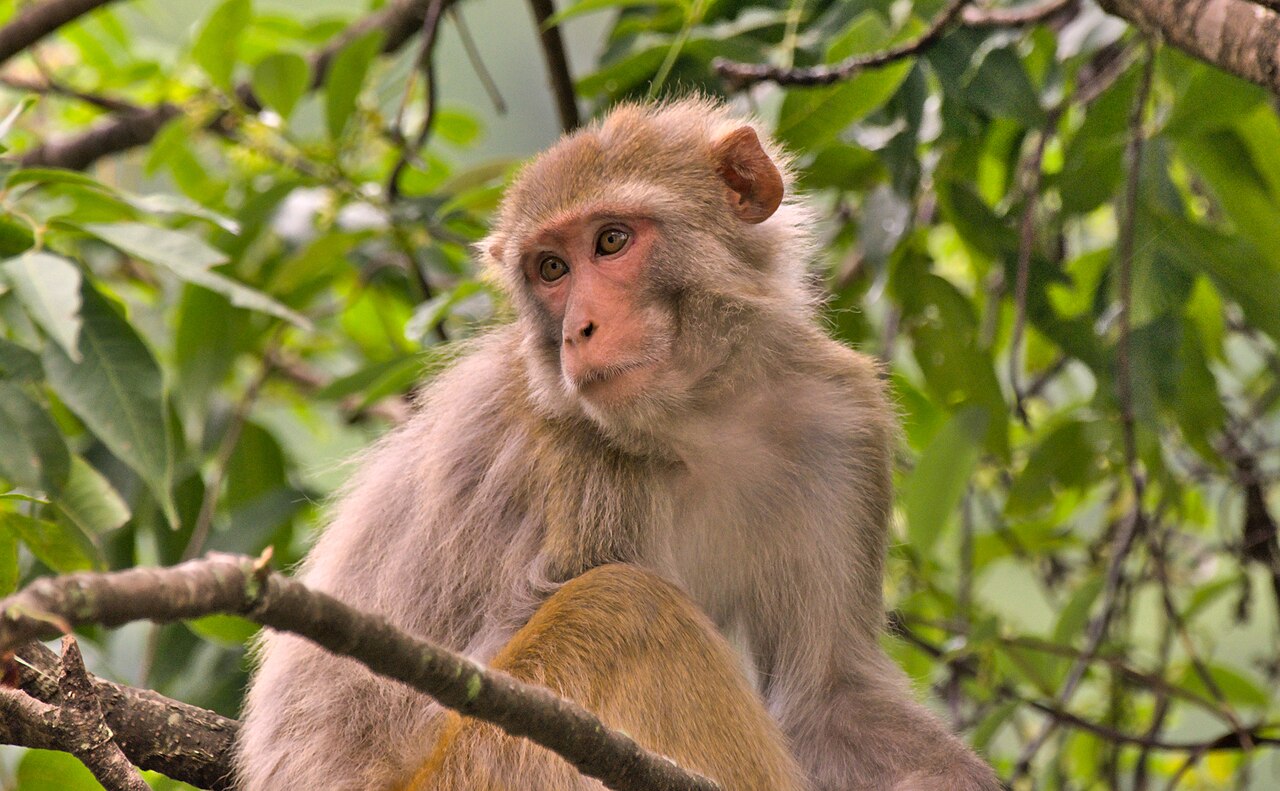
Female Rhesus Macaques That Watched Unfamiliar Female Faces Longer Were More Likely to Have Offspring the Following Year
At a semi-free-ranging population in Puerto Rico, females that spent longer looking at an unfamiliar female’s neutral face…
Read story →SPECIES IN THIS STORY
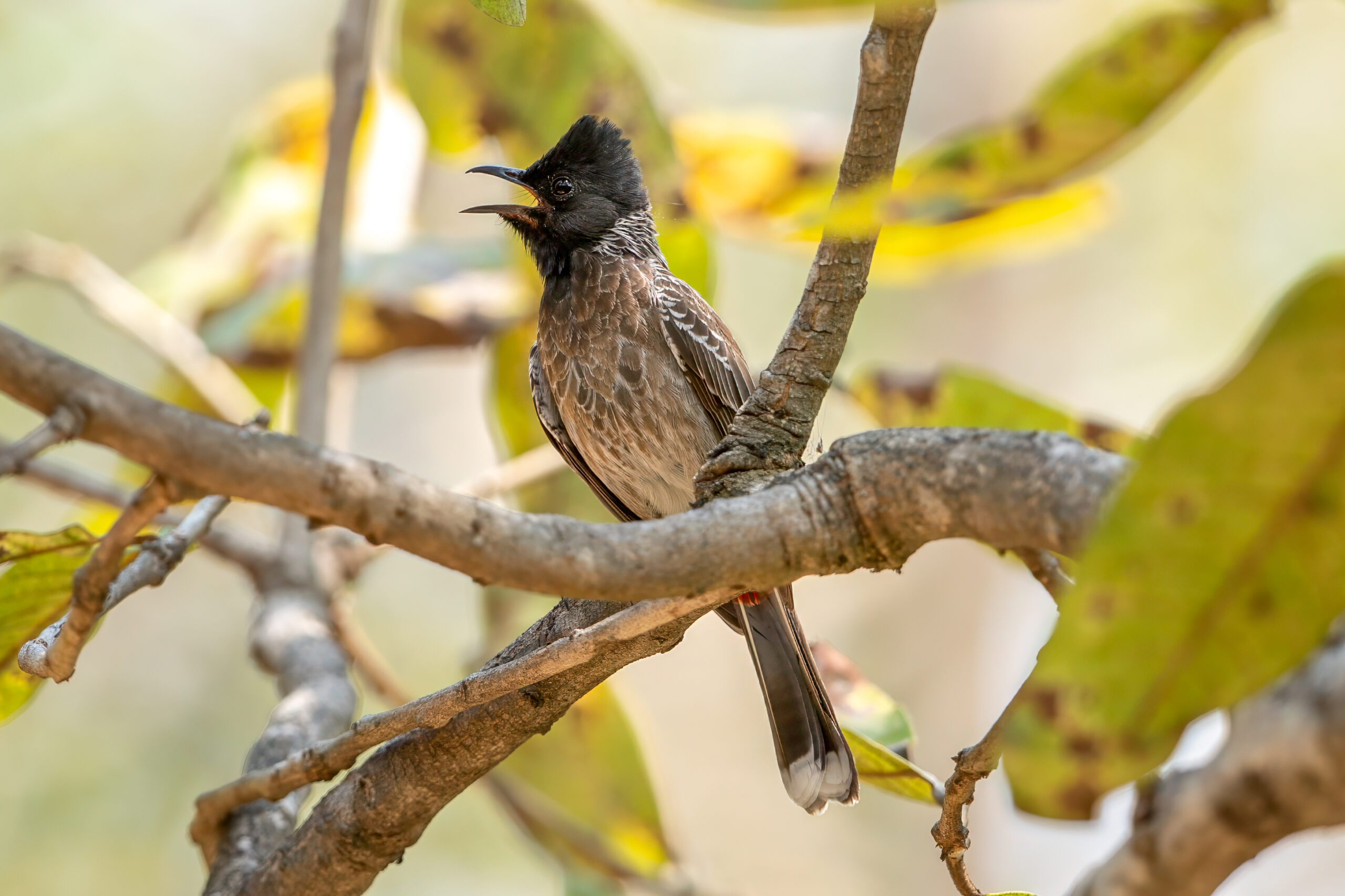
Species in this story
Independent research and conservation news archive
Did you find this information useful?
Wildlife Vagabond is independently built and maintained. Voluntary support helps cover source verification, hosting and continued work on research and conservation news.
Support Wildlife VagabondThe news archive will remain freely available.