
Three ways of analysing elephant calls tell different stories
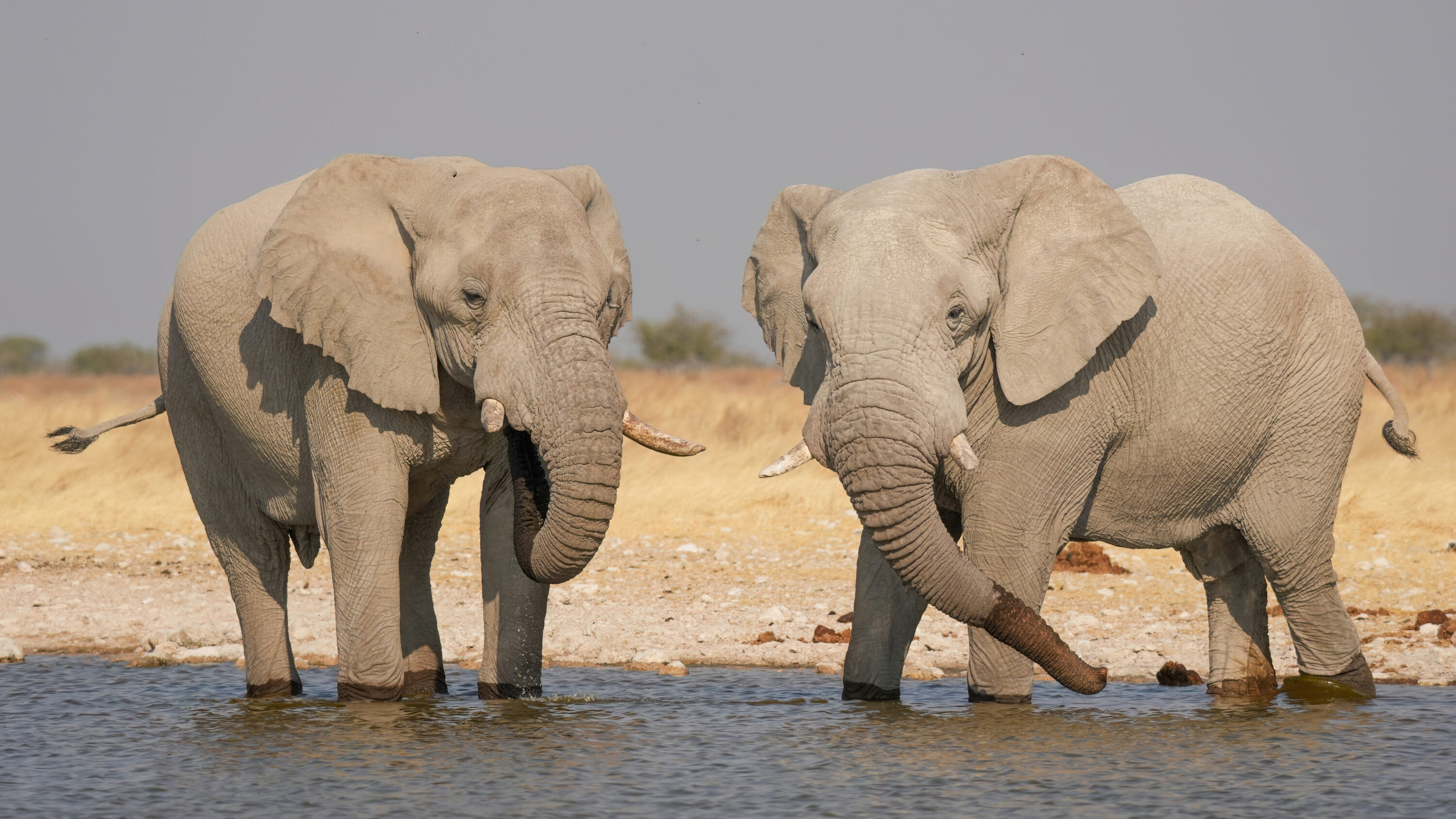
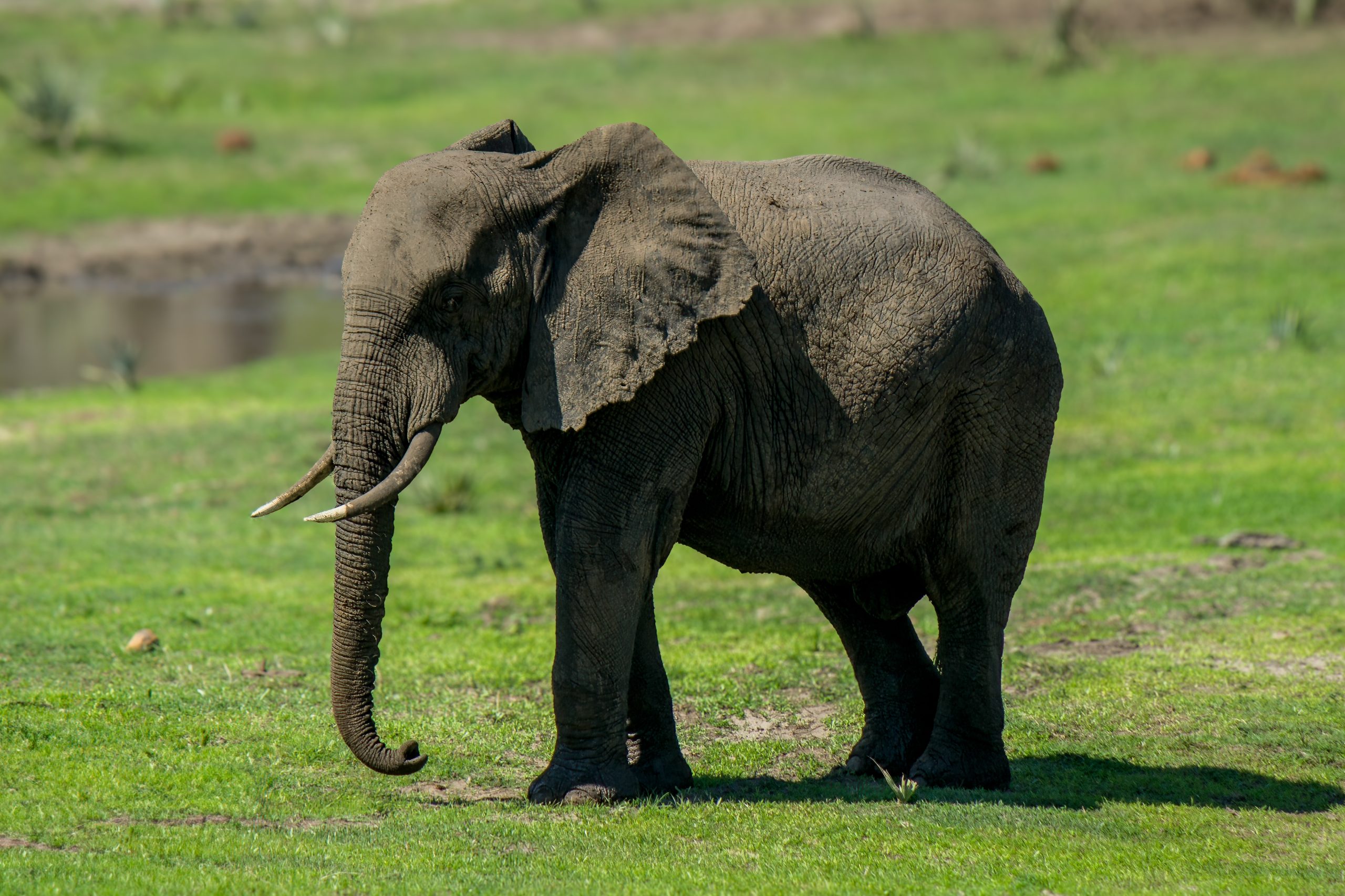
When elephants call close together in time, are they responding to one another, or are their calls simply part of a longer period of vocal activity? A study of African Bush Elephants (Loxodonta africana) in Bela Bela, South Africa, compared three ways of analysing call timing. The same recordings produced different pictures of how the calls were organized.
The researchers recorded a semi-free herd during 18 daytime sessions between 4 and 28 November 2018. In a standardized separation context, the herd was divided into two subgroups about 200 metres apart, with no line of sight between them. Each separation lasted 10 minutes. The team annotated 459 rumbles from seven elephants; 86 calls could not be assigned to an individual.
Three ways to classify call timing
One approach used quartiles—divisions based on the distribution of time gaps between calls—to sort calls into timing categories. It classified 49.2% of the rumbles as overlapping calls, the largest category. Adjacent calls, the category most relevant to possible short-delay responses in this framework, were least common, at 14.2%. The time boundaries also differed from those in an earlier study using the same approach: here, the adjacent-call window ended at 25 seconds rather than 30, and the intermittent-call category ended at 71 seconds rather than 120.
A second approach tested whether one elephant’s call was followed by another call within 25 seconds more often than would be expected by chance. Chova and Messina had significantly more calls in that window than the chance-based expectation; the other identified elephants did not. This is limited evidence of turn-taking in these recordings, not proof that elephants either do or do not communicate through call-and-response.
The third approach used a bout criterion interval, or BCI: a time-gap threshold for distinguishing calls within a bout from calls that begin a new bout. The analysis identified a breakpoint of about 124 seconds. By this measure, 384 of the 428 calls with a measurable preceding gap—89.7%—fell within vocal bouts, while 44 marked the start of a new bout.
Rumble duration did not differ significantly among the four timing categories or between overlapping and non-overlapping calls. Individual identity accounted for more of the observed variation in call duration than call category.
These approaches describe different features of the same sequence of sounds. One emphasizes whether calls overlap or follow closely; another asks whether close-following calls occur more often than chance predicts; the BCI groups calls into longer bouts separated by pauses. As a result, the same recordings can support different interpretations of how vocal activity is organized. The authors recommend treating the methods as complementary rather than assuming that one timing threshold works universally.
The study is exploratory and comes from one semi-free herd at one South African facility, recorded over a short period in a standardized separation context. Its results show why analytical choices matter for interpreting these recordings, but do not establish how common the patterns are among African Bush Elephants more generally. The authors call for standardized definitions and for methods to be tested across populations and recording contexts.
Behaviour
Related news
An ancient viral gene may have been repurposed in elephant placenta
An ancient viral gene that appears to have been inherited for at least 79 million years is strongly…
Read story →
African Bush Elephants use visual food cues at close range
In experiments in South Africa, four semi-tame elephants chose between visual patterns representing canopy size and leaf density.…
Read story →
Elephant Rumble Choruses Carried Context and Sometimes Converged During Coordination
Recordings from wild African bush elephants in Amboseli showed that behavioural context remained detectable in overlapping rumble choruses.…
Read story →SPECIES IN THIS STORY
Species in this story
Independent research and conservation news archive
Did you find this information useful?
Wildlife Vagabond is independently built and maintained. Voluntary support helps cover source verification, hosting and continued work on research and conservation news.
Support Wildlife VagabondThe news archive will remain freely available.