
Reintroduced and Free-Roaming African Wild Dogs Showed Weak Genetic Differentiation in Southern Africa
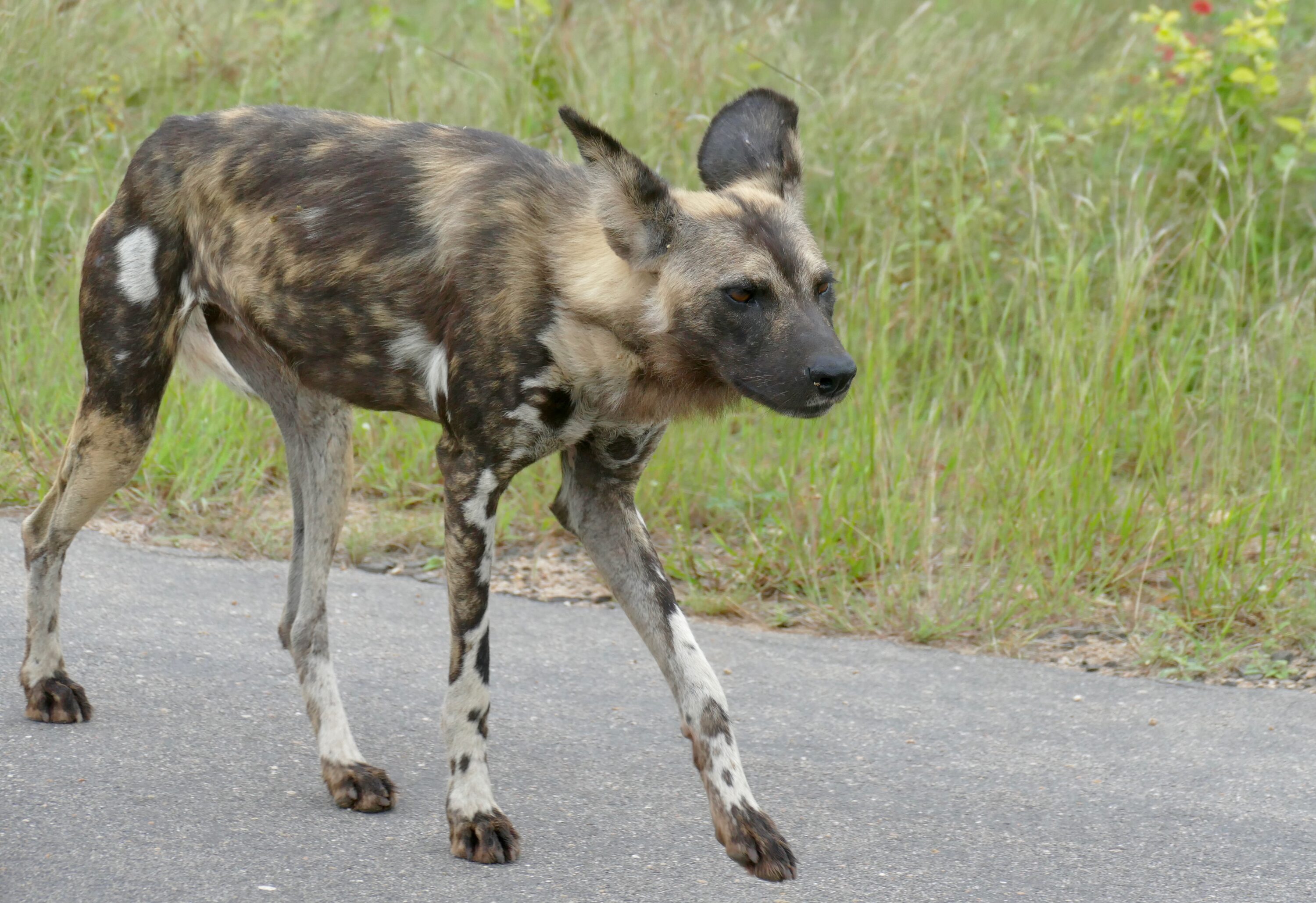
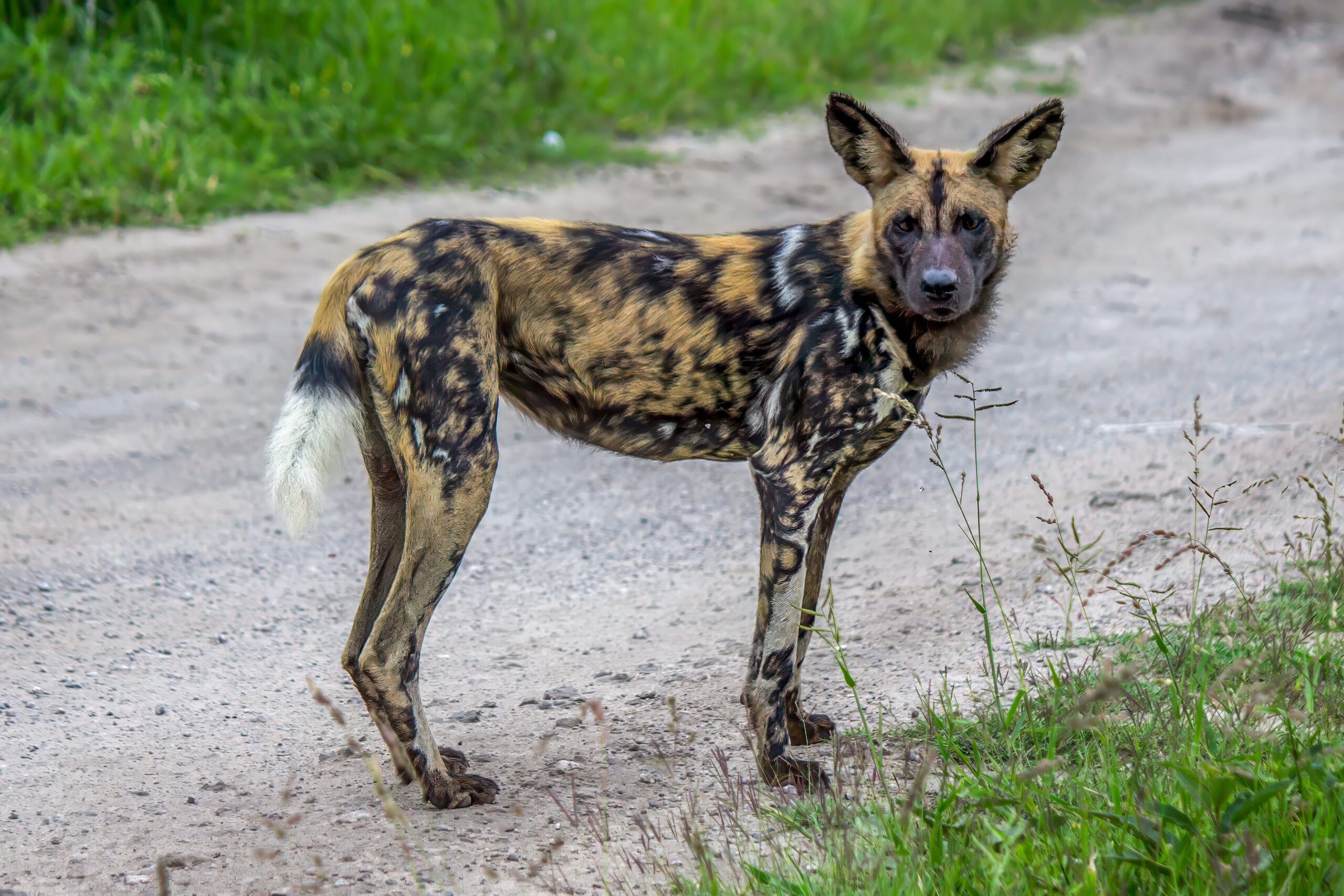
A genomic study published in June 2026 found only weak genetic differentiation among reintroduced and free-roaming African wild dog (Lycaon pictus) populations in southern Africa. Researchers compared dogs from South Africa’s managed metapopulation — a network of fenced reserve populations deliberately connected through conservation translocations — with animals from Kruger National Park and a free-roaming population spanning northern South Africa and southern Zimbabwe.
Genome-wide markers showed only weak population separation
After initial quality control, 74 blood samples were retained: 22 from the managed metapopulation, 33 from Kruger and 19 from the free-roaming population. The researchers compared 9,906 filtered single-nucleotide polymorphisms (SNPs) — individual DNA positions that vary among animals and, taken across the genome, can reveal population structure and diversity. Overall genomic diversity was similar among the three populations, with no general evidence of inbreeding.
Pairwise genetic differentiation was low, with all FST values below 0.04. FST measures how strongly allele frequencies differ among populations: values near zero mean little separation, so values below 0.04 indicate weak rather than absent genetic structure. Clustering analyses likewise showed substantial overlap. The weak structure that remained was interpreted largely as genetic drift from serial founder events and long periods of partial isolation, rather than as deep evolutionary separation.
Immune-gene diversity remained high across populations
The study also examined DLA-DRB1, a highly variable MHC class II immune gene involved in recognising foreign antigens. High diversity at such genes can preserve a wider range of immune responses even when demographic bottlenecks reduce variation elsewhere in the genome. The researchers identified 18 DLA-DRB1 alleles, or gene variants, and all but one were shared among the three populations. Unlike the weak structure seen in mostly neutral genome-wide markers, the immune-gene variants showed little geographic structuring.
Recent gene-flow estimates also showed that the populations were not completely isolated. Kruger contained substantial genetic input from both the managed metapopulation and the free-roaming population, whereas estimated movement out of Kruger was much weaker. Direct recent gene flow between the managed and free-roaming populations was low but present. The authors therefore describe the southern African dogs as a broadly connected population shaped by both natural dispersal and conservation translocations.
Only a small fraction of the genome showed evidence of diversifying selection between populations, so the study found little sign that the three groups had evolved strongly different locally adapted genetic profiles. Based on this combination of weak population structure, ongoing gene flow and high immune-gene diversity, the authors argue that translocation programmes should generally prioritise maintaining overall genetic diversity rather than trying to preserve the exact genetic composition of individual reserves. Their decision framework recommends matching source and recipient populations more strictly when distinct evolutionary lineages or strong adaptive differences are present, but supports admixture — mixing animals from different populations — when diversity is low and such differences are limited.
Genetics & genomics
Related news
Food Leaves Its Mark on the Gut Bacteria of Kruger’s Wildlife
Gut bacteria in nine mammal species from Kruger National Park followed clear patterns linked to food and digestion.…
Read story →
Wild Dogs Travelled Thousands of Kilometres in Search of a Mate
GPS tracking in Zambia shows how African wild dogs can cross enormous distances between populations. But snares and…
Read story →
Twenty African Wild Dogs Return to Matusadona After Decades of Local Extinction
Two established packs comprising 20 African wild dogs have been returned to Matusadona National Park in Zimbabwe after…
Read story →SPECIES IN THIS STORY
Species in this story
Independent research and conservation news archive
Did you find this information useful?
Wildlife Vagabond is independently built and maintained. Voluntary support helps cover source verification, hosting and continued work on research and conservation news.
Support Wildlife VagabondThe news archive will remain freely available.