
Frequent Researcher Visits Were Linked to Lower Eastern Barn Owl Nest Survival During Incubation
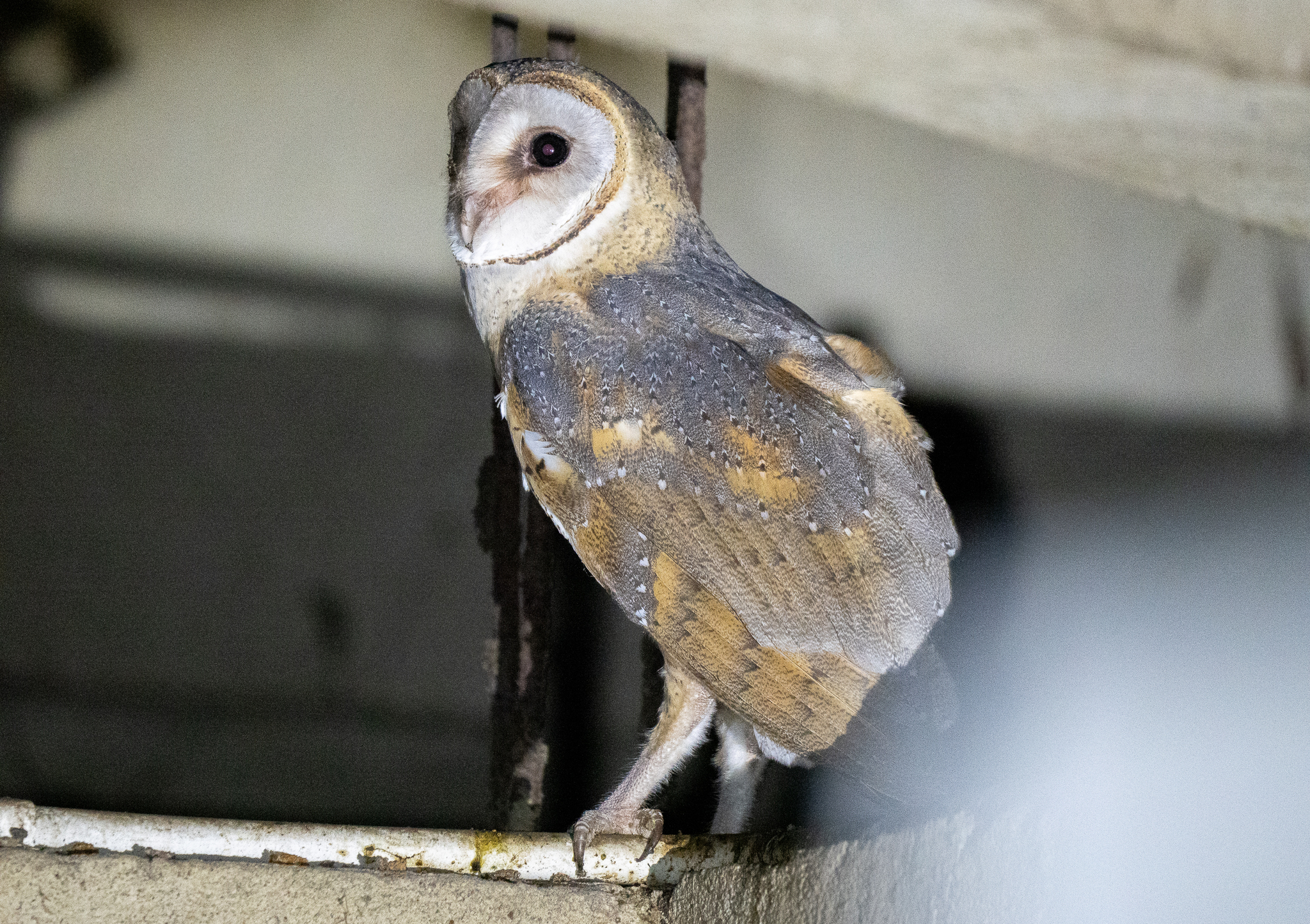
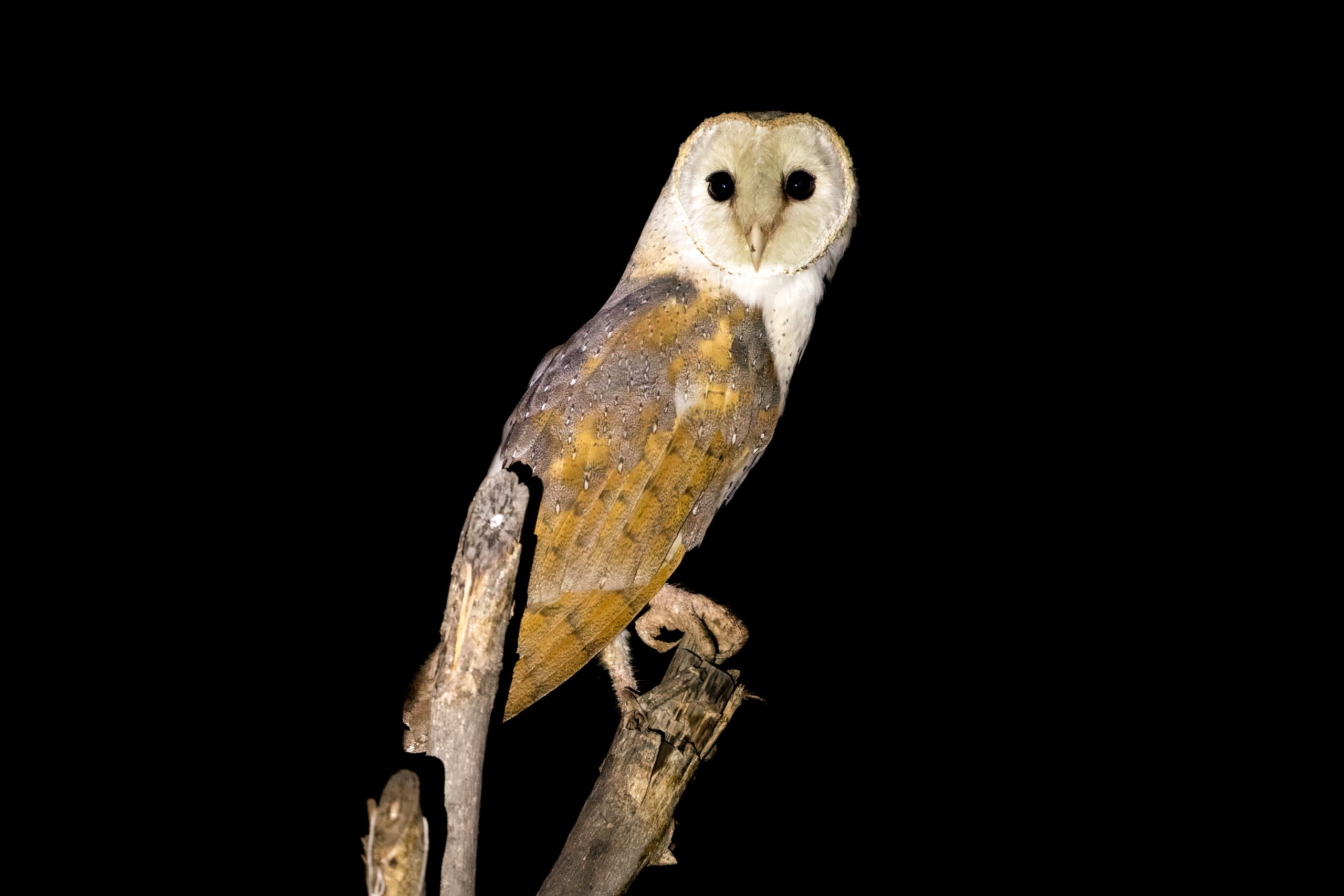
More frequent researcher visits were linked to lower nest survival in eastern barn owls (Tyto javanica javanica) breeding in Malaysian oil-palm plantations, with the strongest relationship during incubation. The study followed 57 nest boxes in Pahang and Sabah for 30 months and recorded 108 breeding attempts.
Researchers repeatedly checked the boxes and recorded how long breeding females took to return after leaving the box when a visit disturbed them. Visit frequency was the monitoring variable most clearly related to nest survival, while female return time provided a measure of the owls’ immediate response to disturbance.
Females returned sooner in mature oil-palm habitat and during incubation. Return time was also related to hatching success, and the researchers recorded several cases in which eggs or young were taken by predators shortly after females had left nest boxes during researcher visits.
The authors recommend less frequent and shorter researcher visits during incubation. They also suggest checking boxes around dusk so nests are not left unattended for long periods after a female departs.
Reproduction & development
Related news
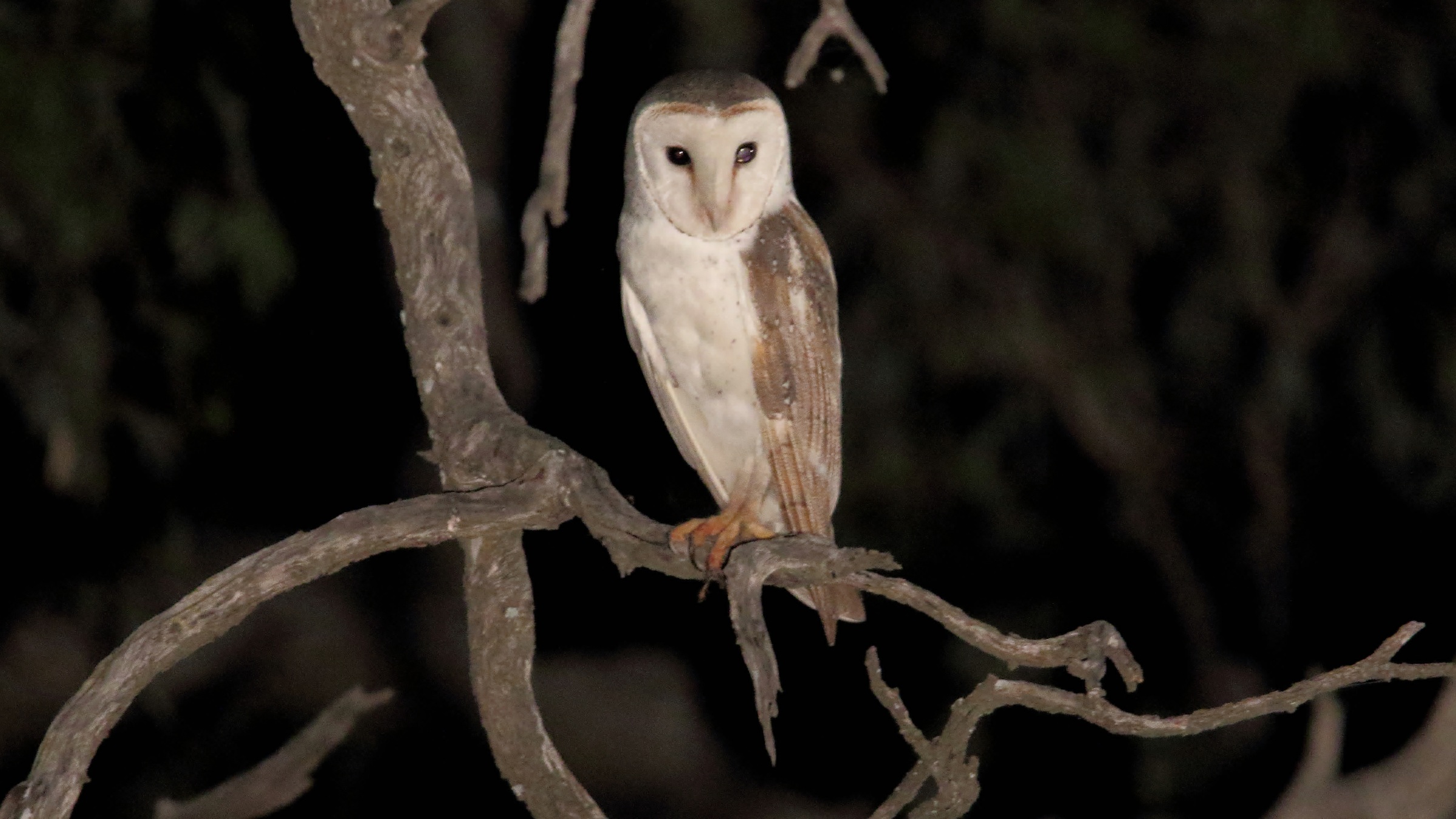
House Mice Made Up 88–99% of Eastern Barn Owl Prey in Two Arid Australian Samples
Pellet samples from South Australia and New South Wales were dominated by introduced house mice, which made up…
Read story →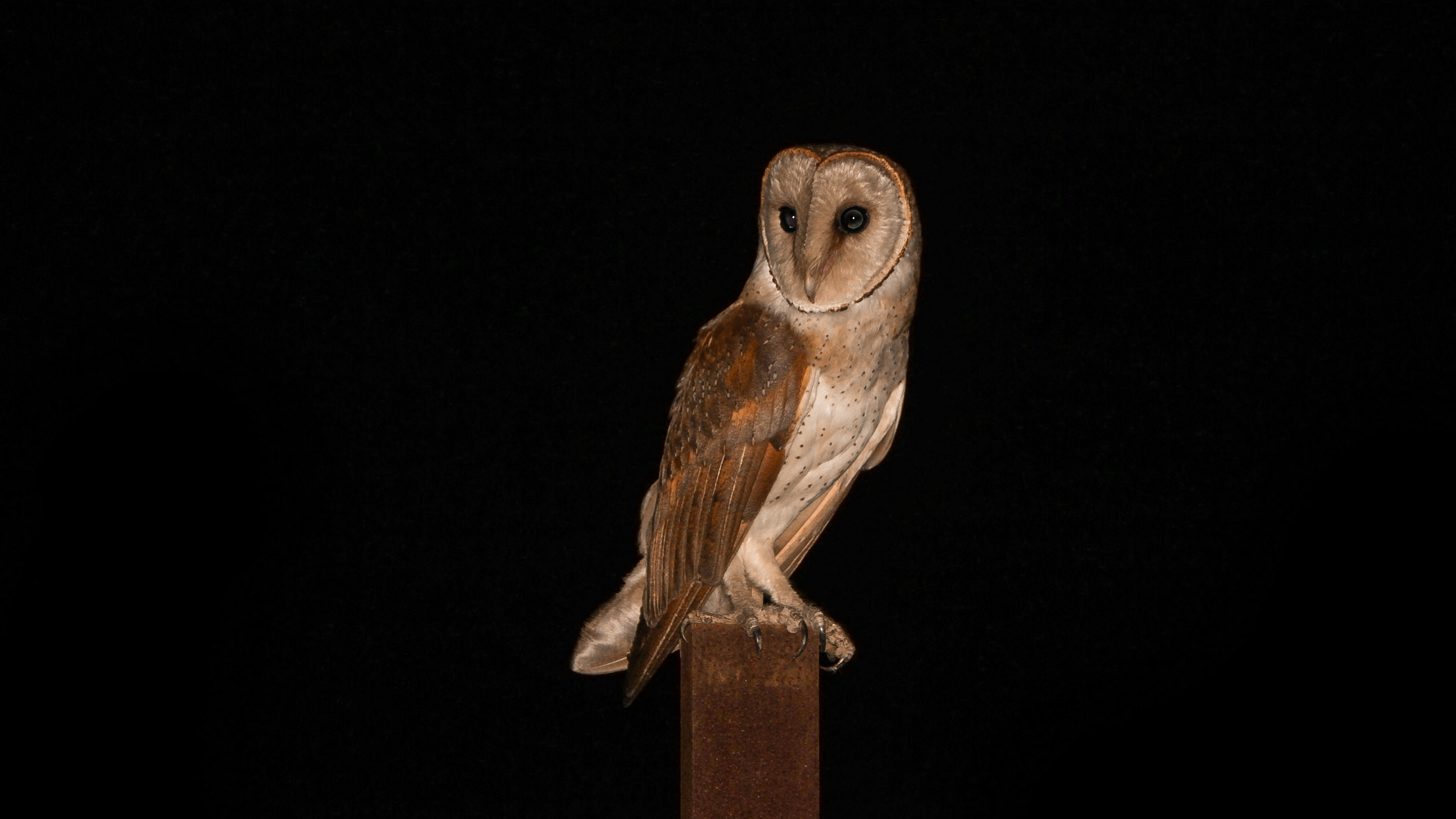
Mean Eastern Barn Owl Nest-box Damage Ranged From 1.2% to 11.2% Across Five Thai Oil-palm Plantations
Monitoring of 452 eastern barn owl nest boxes in southern Thailand found mean damage rates ranging from 1.2%…
Read story →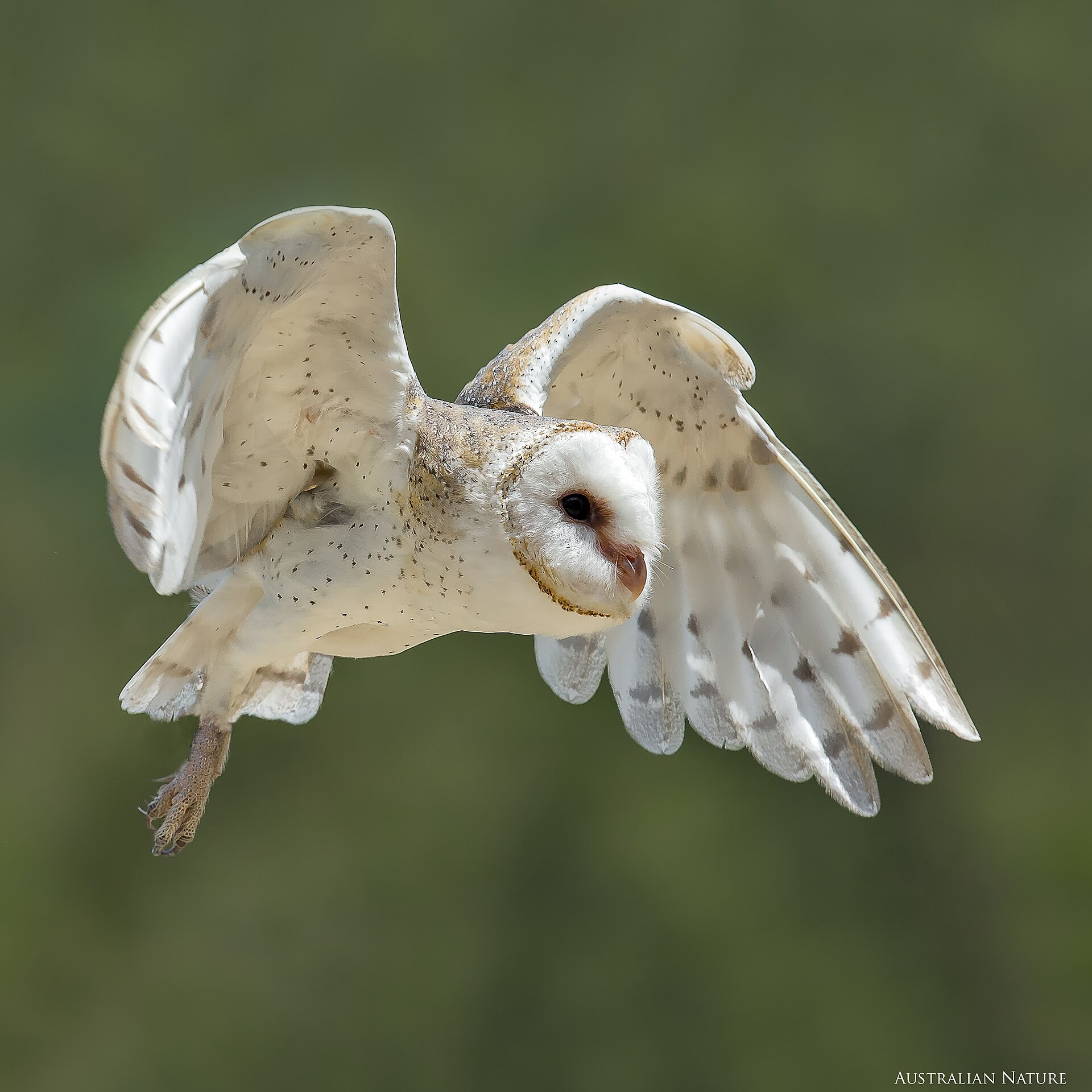
Measurements of 1,463 Barn Owls Supported a Three-Species Split
A 2026 study of 192 live and 1,271 museum barn owls found consistent differences in body size and…
Read story →SPECIES IN THIS STORY
Species in this story
Independent research and conservation news archive
Did you find this information useful?
Wildlife Vagabond is independently built and maintained. Voluntary support helps cover source verification, hosting and continued work on research and conservation news.
Support Wildlife VagabondThe news archive will remain freely available.