
Measurements of 1,463 Barn Owls Supported a Three-Species Split
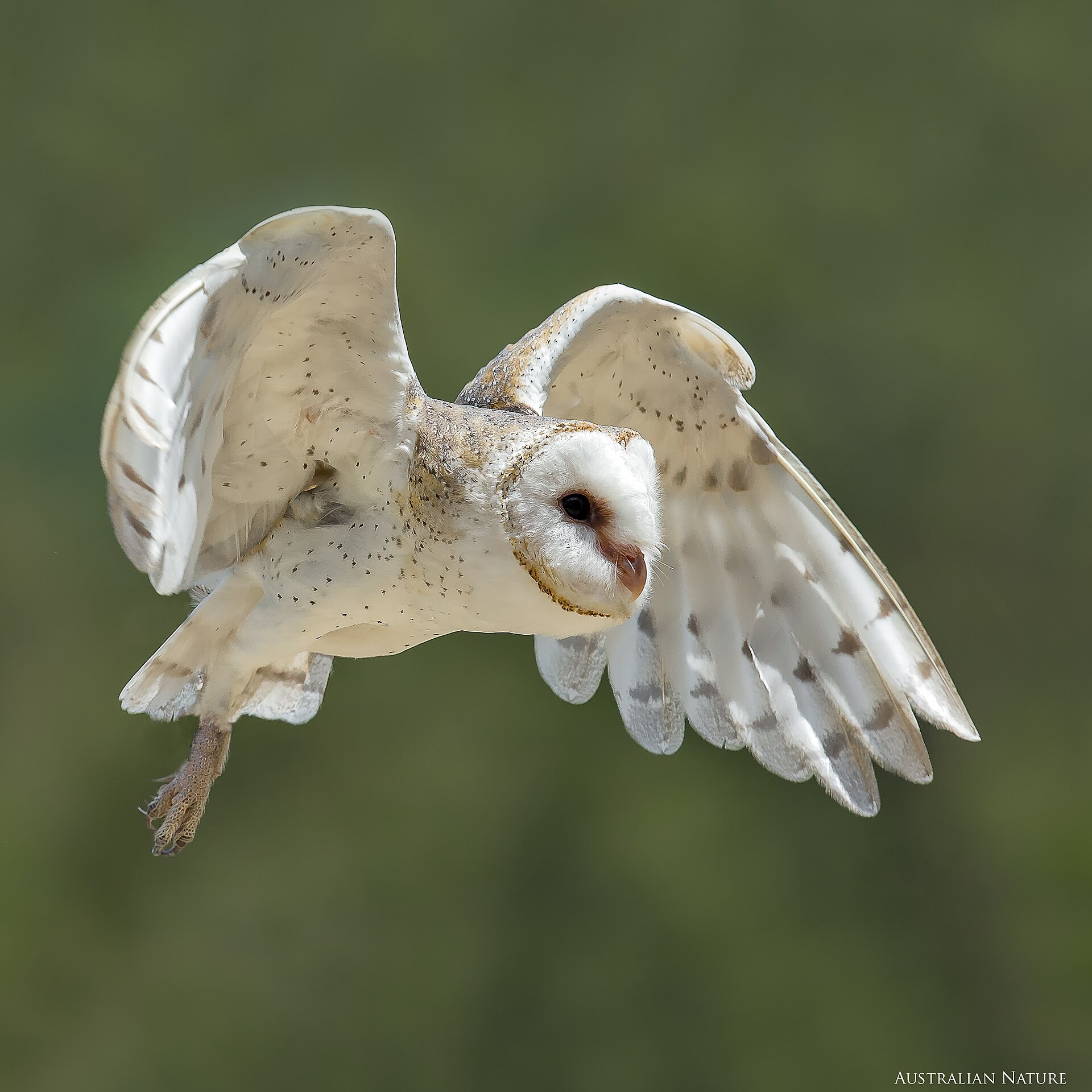
A large morphological study of the former barn owl complex found that Western Barn Owl (Tyto alba), American Barn Owl (Tyto furcata) and Eastern Barn Owl (Tyto javanica) differ in body size and wing shape, adding morphological support to the genetic and vocal evidence already used to separate them. The study measured up to 21 traits in 192 live birds and 1,271 museum specimens from across the ranges of the three lineages.
Genomic work had already identified the three as deeply diverged evolutionary units. The new study asked whether their external morphology showed the same broad separation despite substantial geographic variation within each lineage.
American Barn Owls stood out most clearly
When the researchers considered many measurements together, the three groups separated clearly. The weakest separation was between T. alba and T. javanica, which were morphologically closer to each other than either was to T. furcata.
American Barn Owls were the strongest size outlier. Sex for sex, T. furcata was considerably larger than the other two species, especially in wing length. Eastern Barn Owls were somewhat intermediate overall, but individual measurements did not all follow a simple size ladder. The support for three groups therefore came from the overall combination of traits rather than from one measurement that cleanly separated every bird.
Wing shape supported the same broad division
Measurements of the primary feathers also showed the strongest contrasts between American Barn Owls and the other two groups, while Western and Eastern Barn Owls were much less strongly separated. The agreement between overall body measurements and wing shape added independent morphological support to the three-species division.
Because most of the material consisted of museum specimens, the researchers also compared live and preserved birds from the same Pacific Northwest population. Several measurements were smaller in museum skins, but the wing measurements used to describe wing shape were much less affected. This check reduced the risk that preservation effects were being mistaken for taxonomic differences.
The authors conclude that morphology supports and complements the genetic and vocal evidence behind the now widely adopted division of the former Tyto alba sensu lato complex into three species. The study does not replace the genetic evidence; it shows that the same broad evolutionary divisions are also visible in measurable aspects of external form.
Evolution & taxonomy
Related news
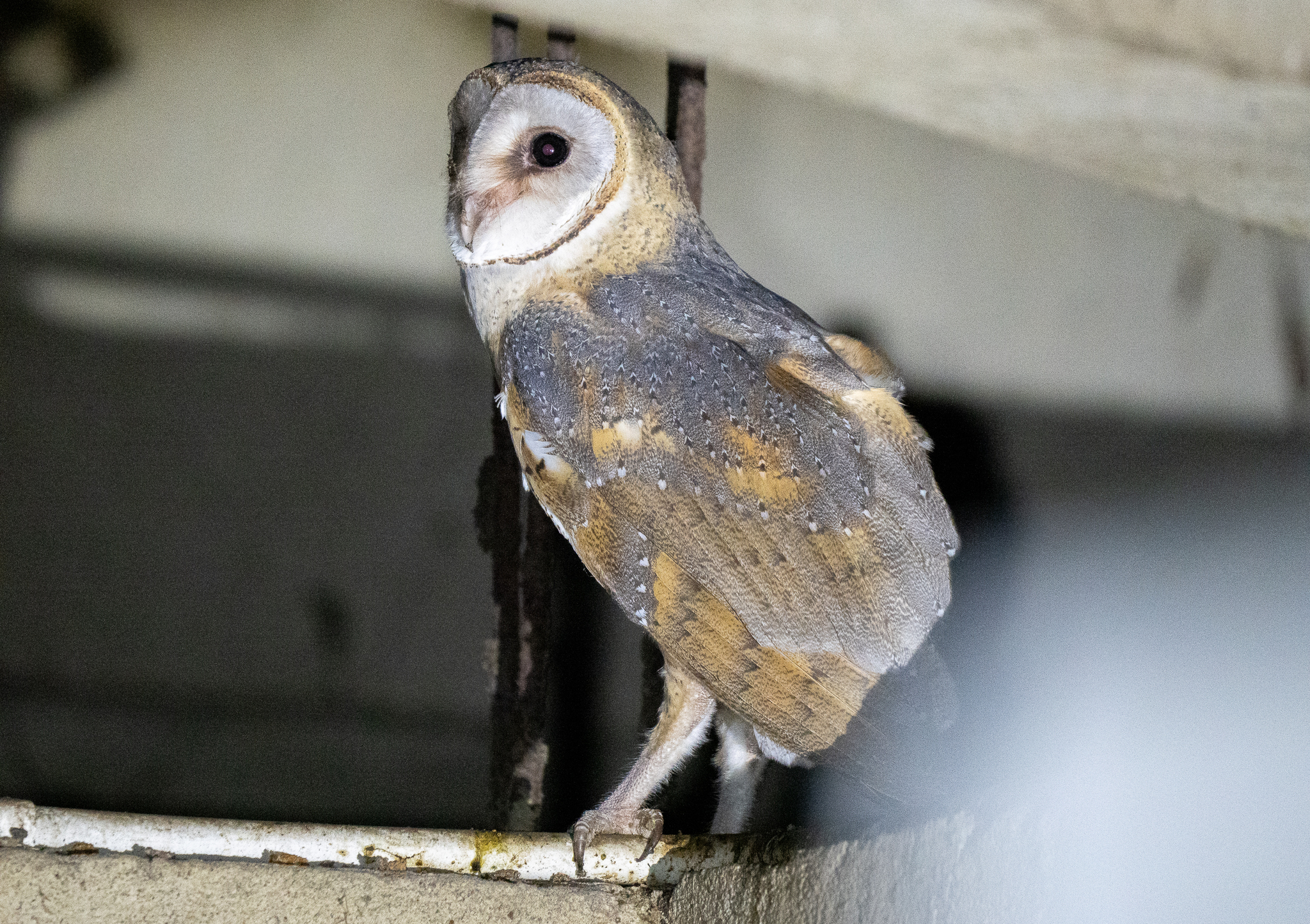
Frequent Researcher Visits Were Linked to Lower Eastern Barn Owl Nest Survival During Incubation
Across 57 nest boxes and 108 breeding attempts in Malaysian oil-palm plantations, more frequent researcher visits were linked…
Read story →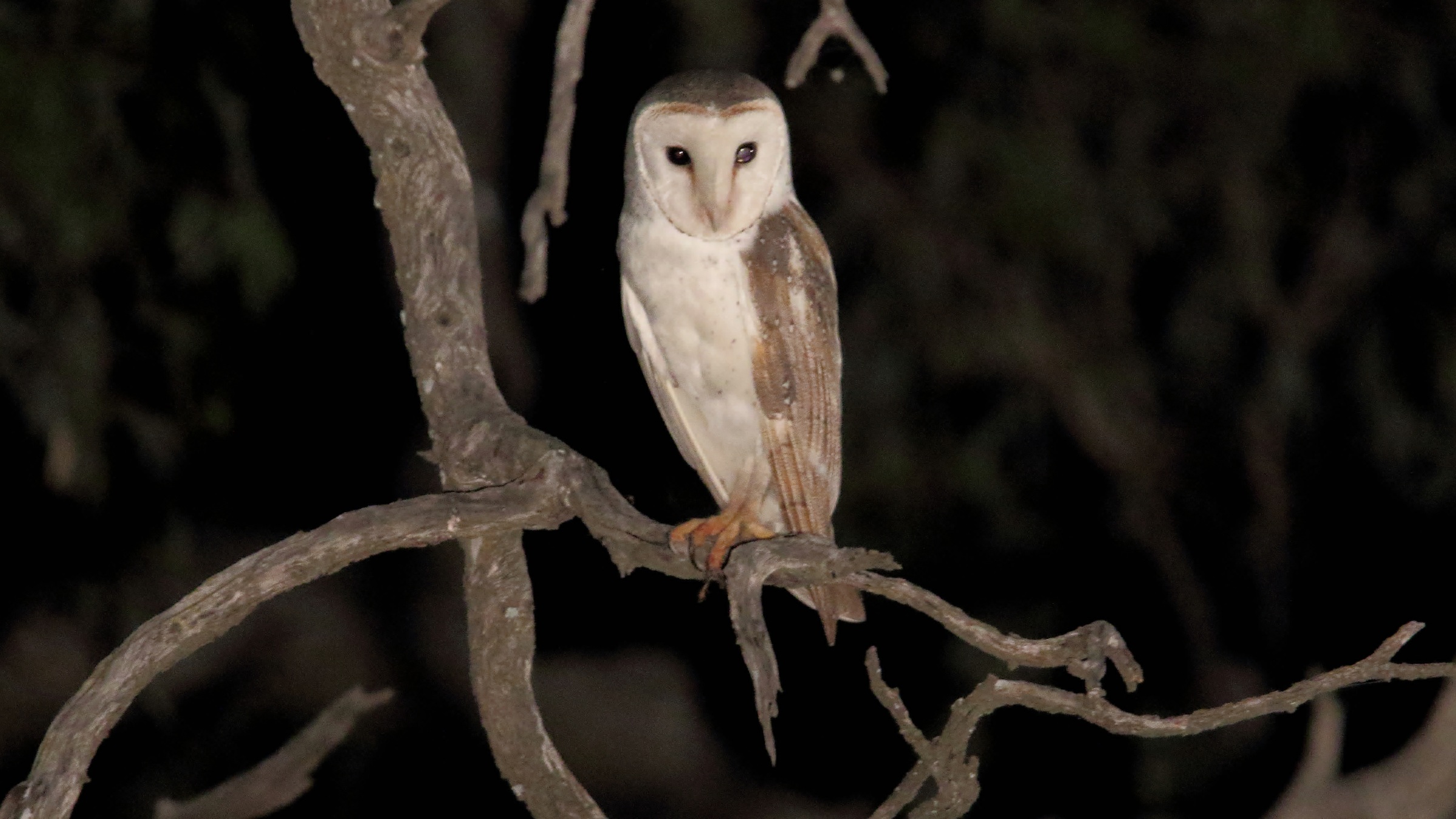
House Mice Made Up 88–99% of Eastern Barn Owl Prey in Two Arid Australian Samples
Pellet samples from South Australia and New South Wales were dominated by introduced house mice, which made up…
Read story →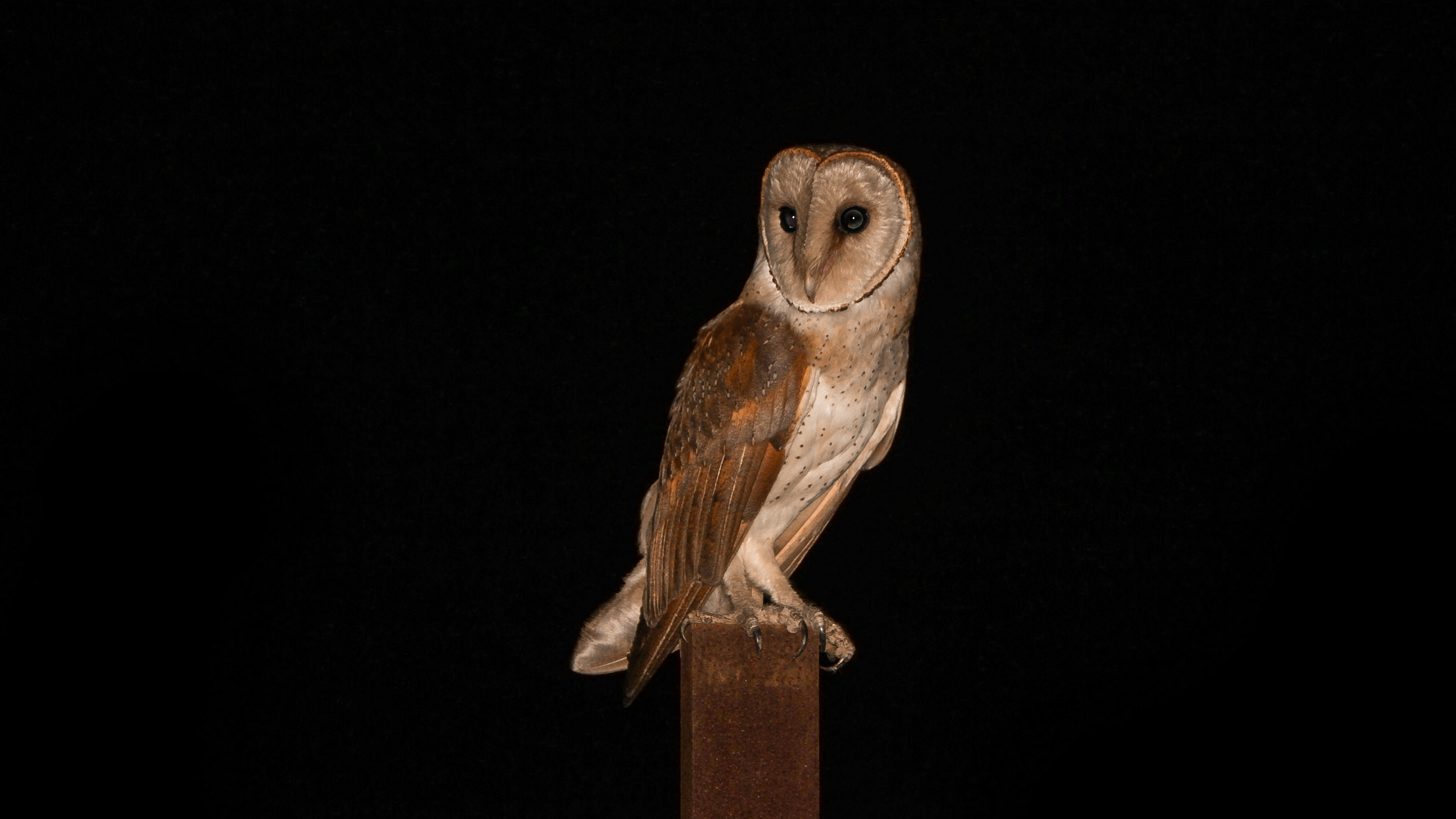
Mean Eastern Barn Owl Nest-box Damage Ranged From 1.2% to 11.2% Across Five Thai Oil-palm Plantations
Monitoring of 452 eastern barn owl nest boxes in southern Thailand found mean damage rates ranging from 1.2%…
Read story →SPECIES IN THIS STORY
Species in this story
Independent research and conservation news archive
Did you find this information useful?
Wildlife Vagabond is independently built and maintained. Voluntary support helps cover source verification, hosting and continued work on research and conservation news.
Support Wildlife VagabondThe news archive will remain freely available.