
Restored Wetland Attracted Avocets but Few Nests Succeeded
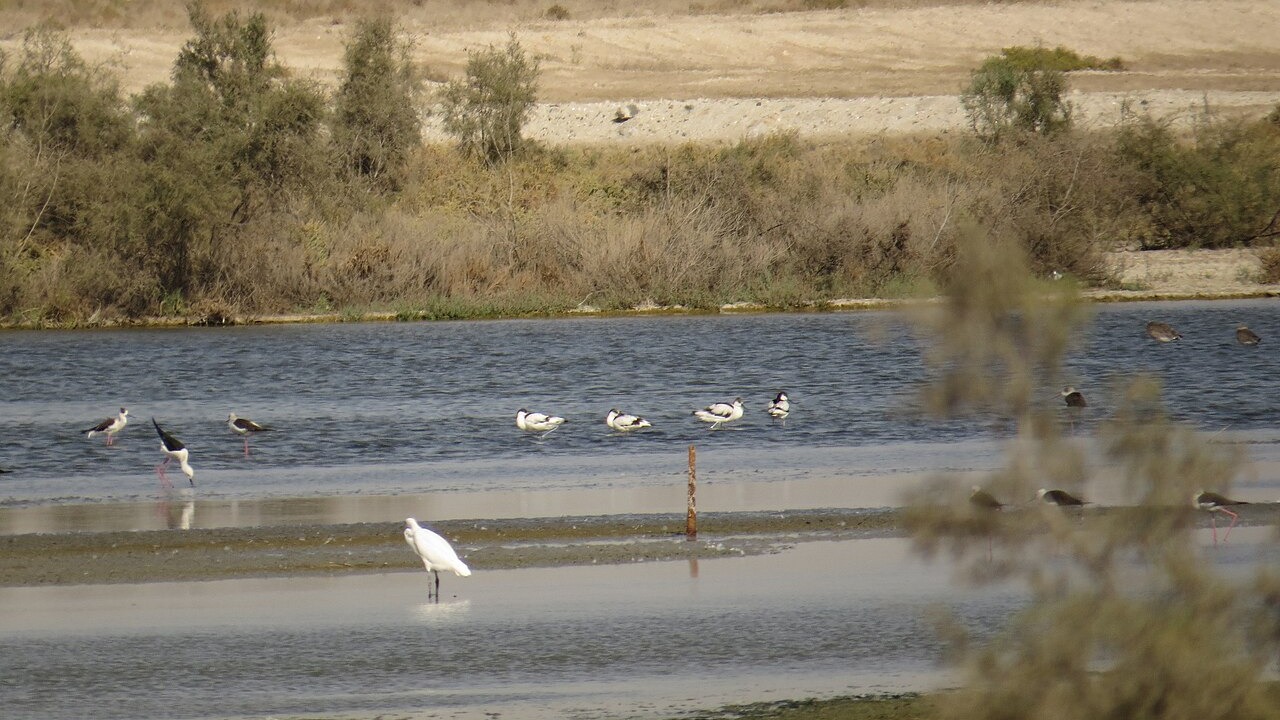
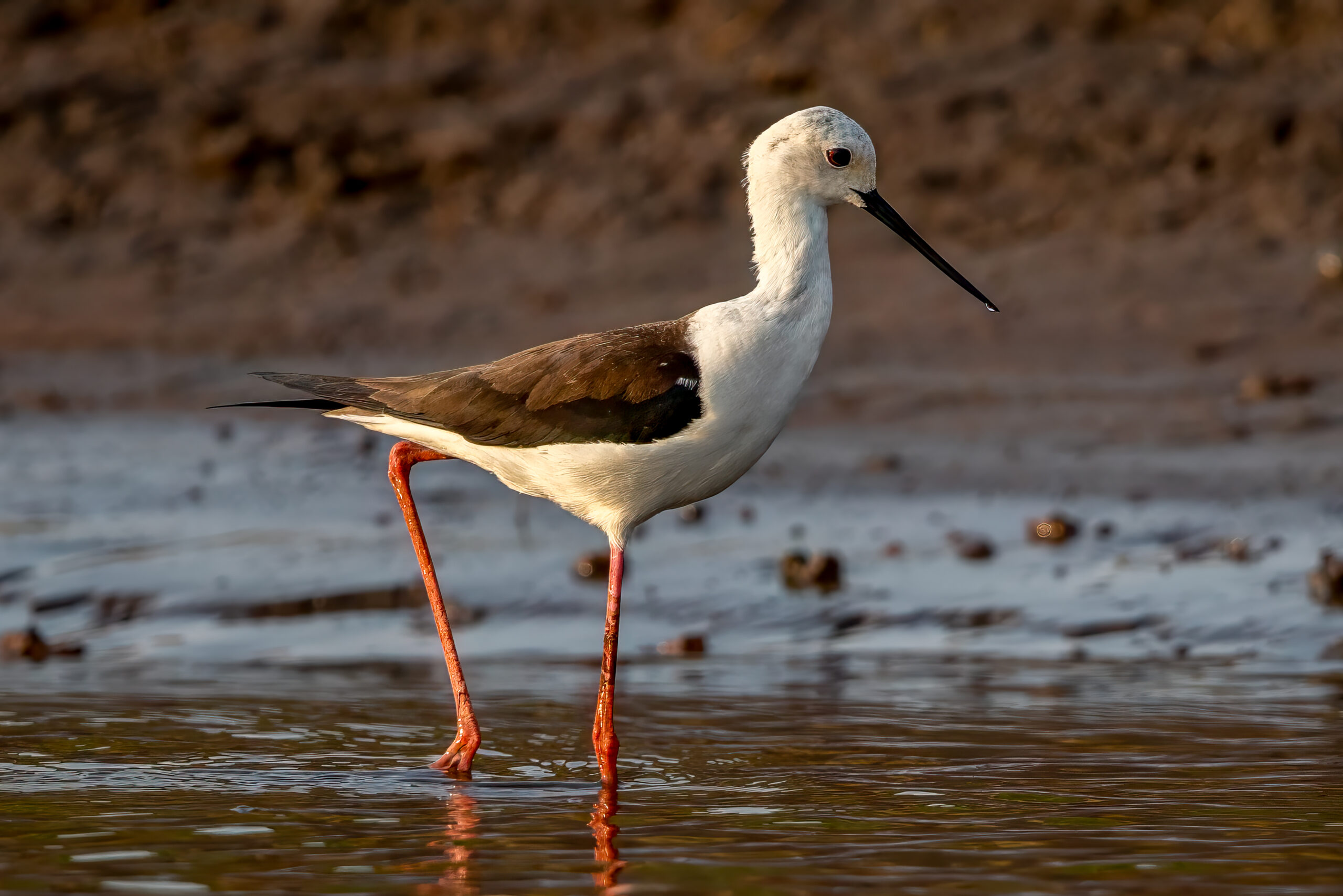
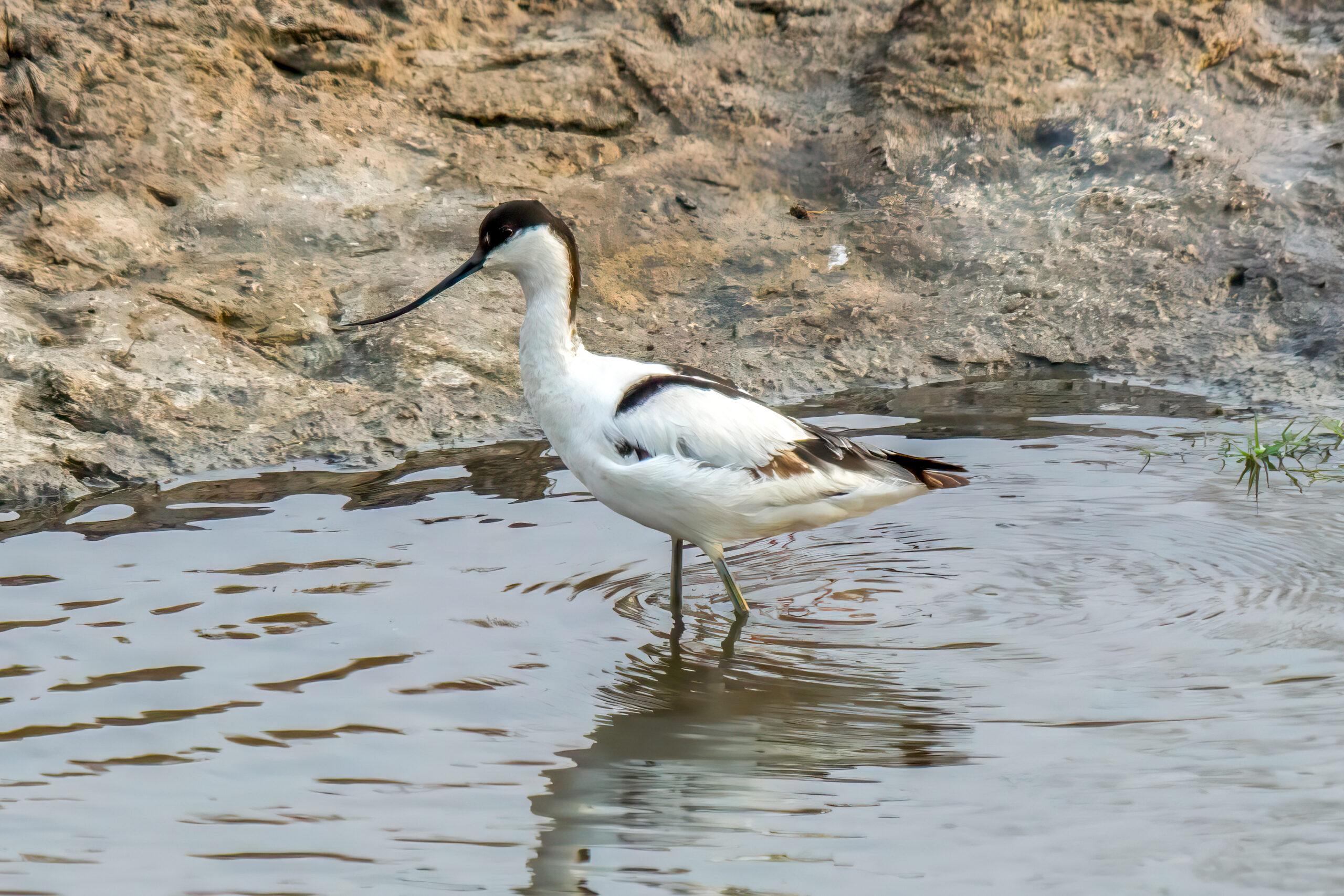
A large restored wetland in eastern China attracted hundreds of nesting waterbirds, but only 6.9 per cent of monitored pied avocet (Recurvirostra avosetta) nests and 20.3 per cent of black-winged stilt (Himantopus himantopus) nests succeeded. Researchers warn that bird numbers alone can therefore give an overly favourable impression of restoration quality.
The study took place at Chongming Dongtan in the Yangtze estuary, where a project begun in 2013 removed invasive smooth cordgrass and created 2,400 hectares of open water, reedbeds, shallow flats and islands. During the 2023 and 2024 breeding seasons, researchers surveyed birds, searched for nests and used camera traps to determine whether nests succeeded and why they failed.
Only 6.9% of monitored avocet nests succeeded
Across the two years, the team monitored 101 pied avocet nests, 79 black-winged stilt nests and 133 nests of Saunders’s gull (Saundersilarus saundersi). The observed proportions of successful nests were 6.9, 20.3 and 13.5 per cent, respectively. Estimates calculated from daily nest-survival rates were slightly higher—10.9 per cent for pied avocets, 25.8 per cent for black-winged stilts and 31.6 per cent for Saunders’s gulls—but all three species performed significantly worse than reported at other breeding sites worldwide.
Predation, flooding and egg cracking drove different failures
The main cause of pied avocet failure was nest predation. Mammals including Siberian weasels could reach bare nesting islands surrounded only by shallow water, and cameras also recorded egg predation by other birds. Flooding was the main cause of black-winged stilt failure, especially when heavy rain raised water levels around nests on low flats and embankments. Egg cracking dominated among Saunders’s gulls.
For Saunders’s gulls, daily nest survival decreased with increasing temperature and with greater distance from the nearest water surface, and was higher in the cooler 2024 season than in 2023. Most nests were on gravelly islands with sparse vegetation and little shade, so the authors suggest that heat exposure may contribute to egg cracking; they also note that pollutants, diet and eggshell properties need further study. Across all three species, daily nest survival also declined as the breeding season progressed.
The authors say the restored wetland may act as a population sink if local breeding losses are sustained by birds arriving from elsewhere. They recommend deeper ditches and exclusion fencing around nesting islands, careful water-level reductions before heavy rain, floating nesting rafts and sparse saltmarsh vegetation for shade. The results support measuring reproductive success, not only species richness and abundance, when judging whether wetland restoration works.
Restoration
Related news
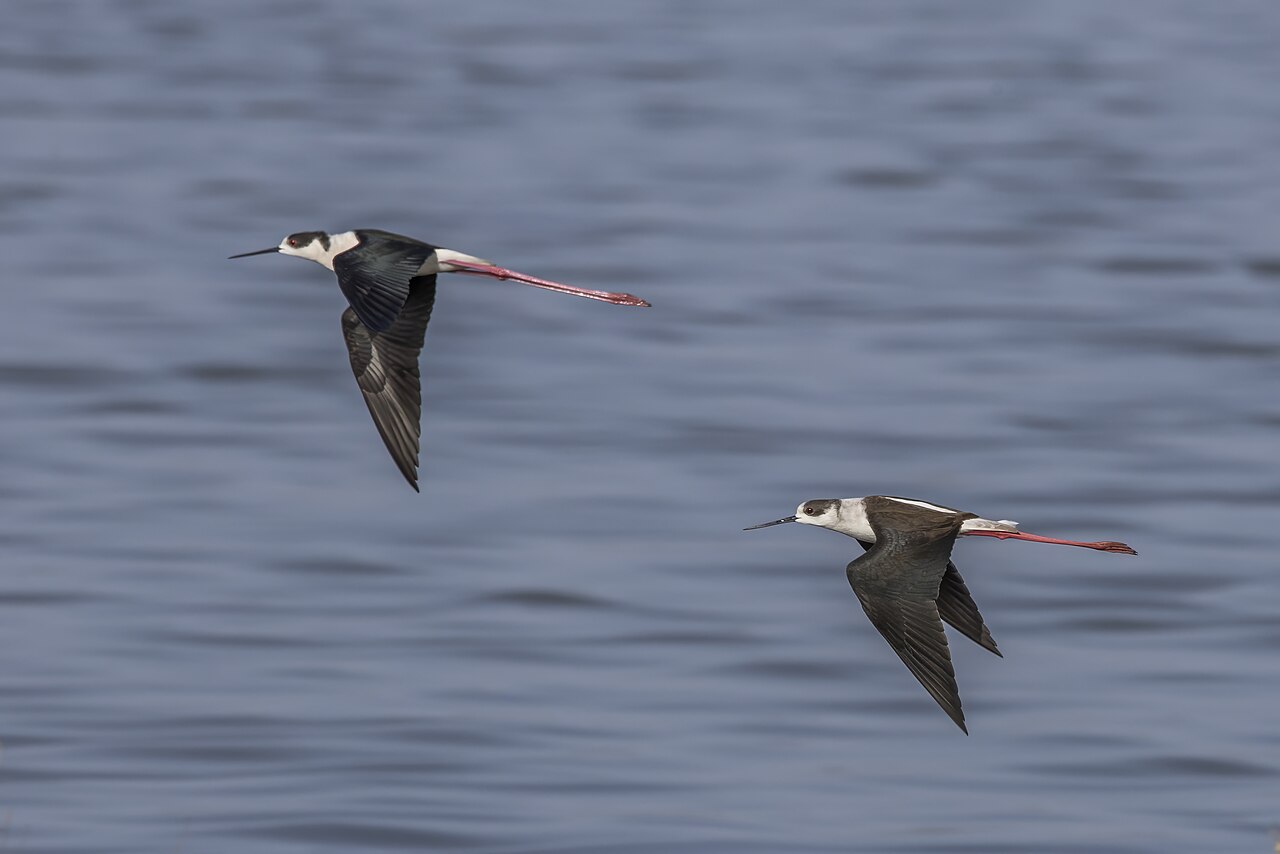
GPS Tracks and Wind Modelling Suggest Black-winged Stilts May Fly Above 7,000 Metres
Two GPS-tracked black-winged stilts moved rapidly between Mallorca and West Africa, while wind modelling identified atmospheric layers compatible…
Read story →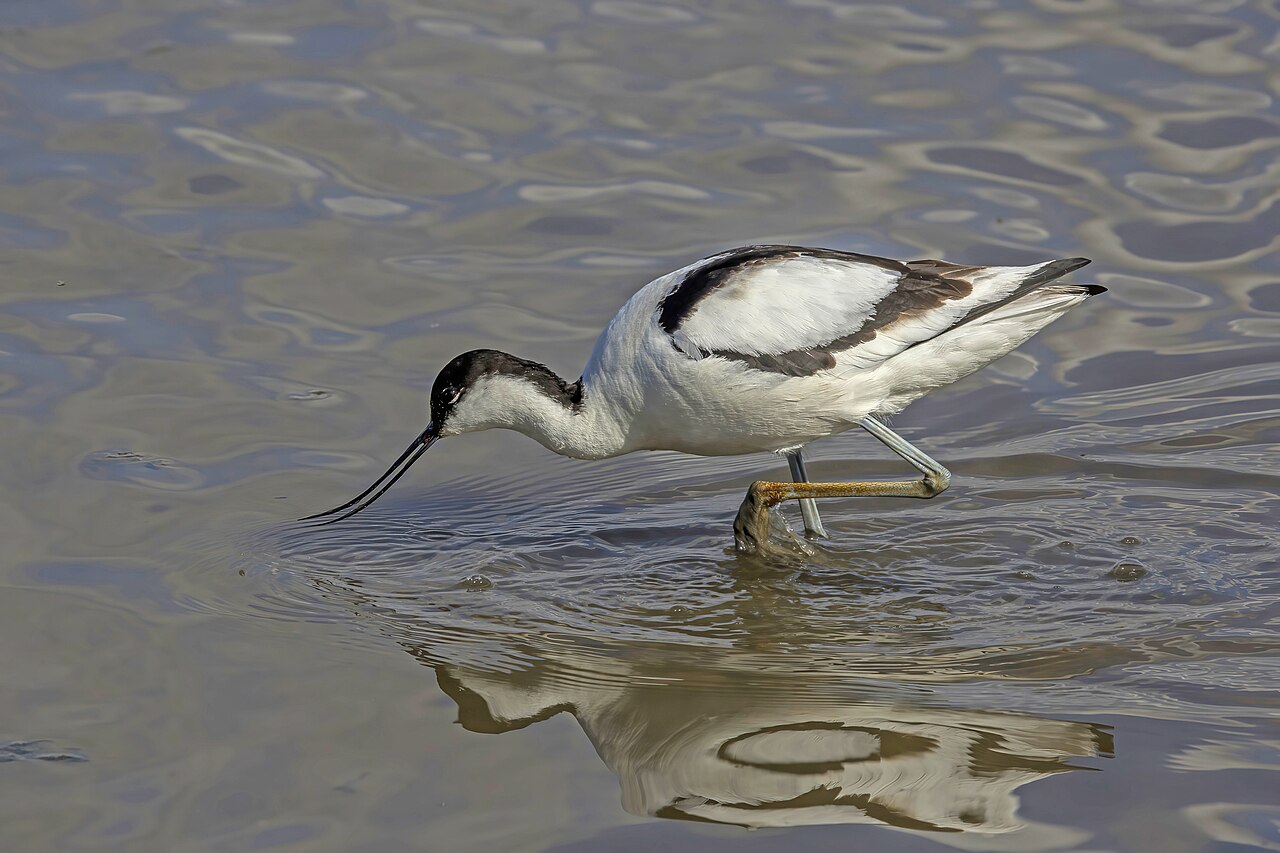
Ringed Pied Avocet Set a UK Longevity Record at 36 Years
A Pied Avocet ringed as a nestling at Titchwell Marsh on 2 July 1990 was identified alive at…
Read story →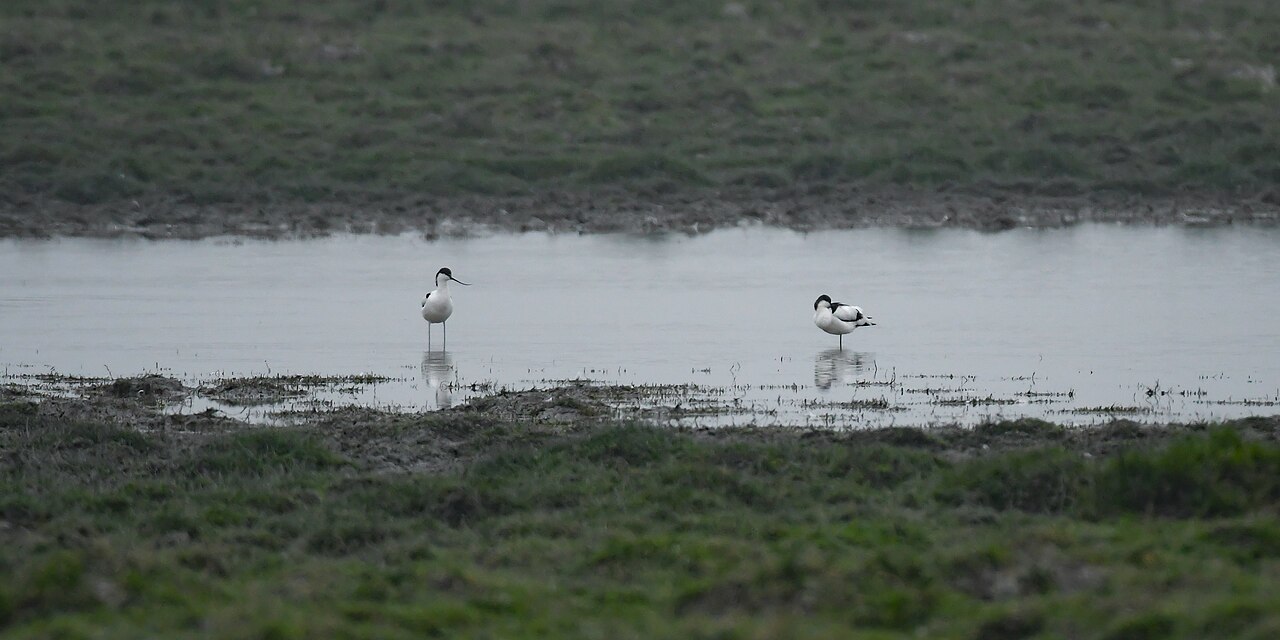
Fungal Communities Differed Across Pied Avocet Breeding Substrates
Around ten Pied Avocet nest sites in China's Yellow River Delta, researchers detected 9,980 fungal DNA variants but…
Read story →SPECIES IN THIS STORY
Species in this story
Independent research and conservation news archive
Did you find this information useful?
Wildlife Vagabond is independently built and maintained. Voluntary support helps cover source verification, hosting and continued work on research and conservation news.
Support Wildlife VagabondThe news archive will remain freely available.