
Food Provisioning and Season Reshaped Rhesus Macaque Behaviour Across Urban Uttar Pradesh
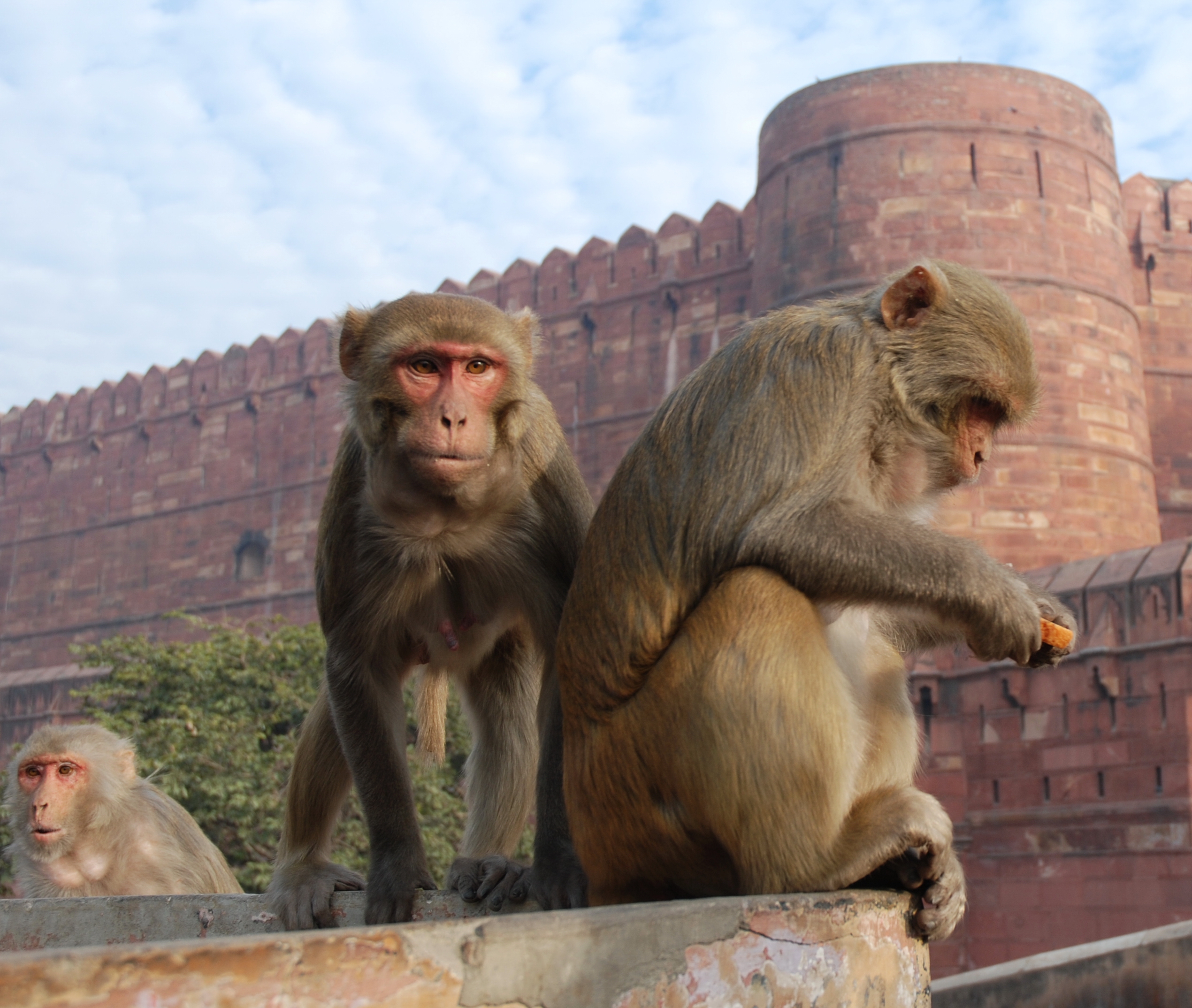
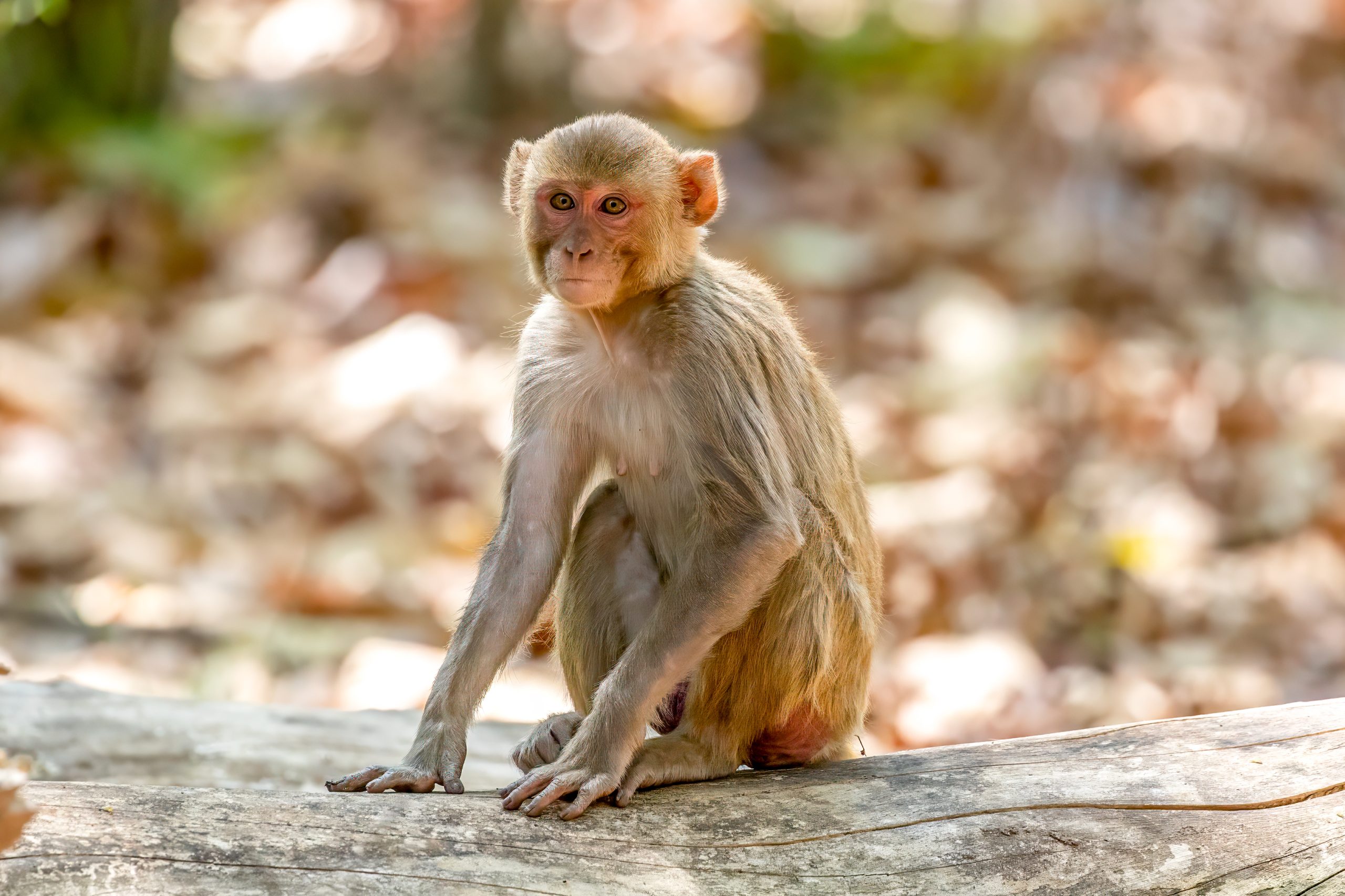
A two-year study of urban rhesus macaques (Macaca mulatta) across the semi-arid zone of Uttar Pradesh, India found marked differences in behaviour between districts and seasons. Researchers identified 42 troops across all seven districts in the study region and followed their movements and activity from April 2019 to March 2021.
Behaviour shifted with season and local conditions
Systematic observations of selected animals, combined with video-based behavioural coding, showed that foraging, locomotion and play were especially common in spring. In autumn, locomotion, maintenance behaviour, conflict and play increased. The authors also found clear behavioural variation among urban areas, associated particularly with differences in food availability.
Human provisioning altered behaviour and conflict
Human food provisioning changed natural activities such as foraging and grooming and increased reliance on human-provided food. At temple sites in Mathura, macaques were recorded snatching food or objects, begging and bartering during interactions with tourists. Conflict episodes were highest in Mathura, Agra and Aligarh.
The study links these patterns to several features of urban environments, including reduced green space, provisioning, high human population density, tourism and religious practices. The authors argue that managing urban macaque–human interactions requires a combination of ecological, planning, education, conservation and policy measures.
Behaviour
Related news
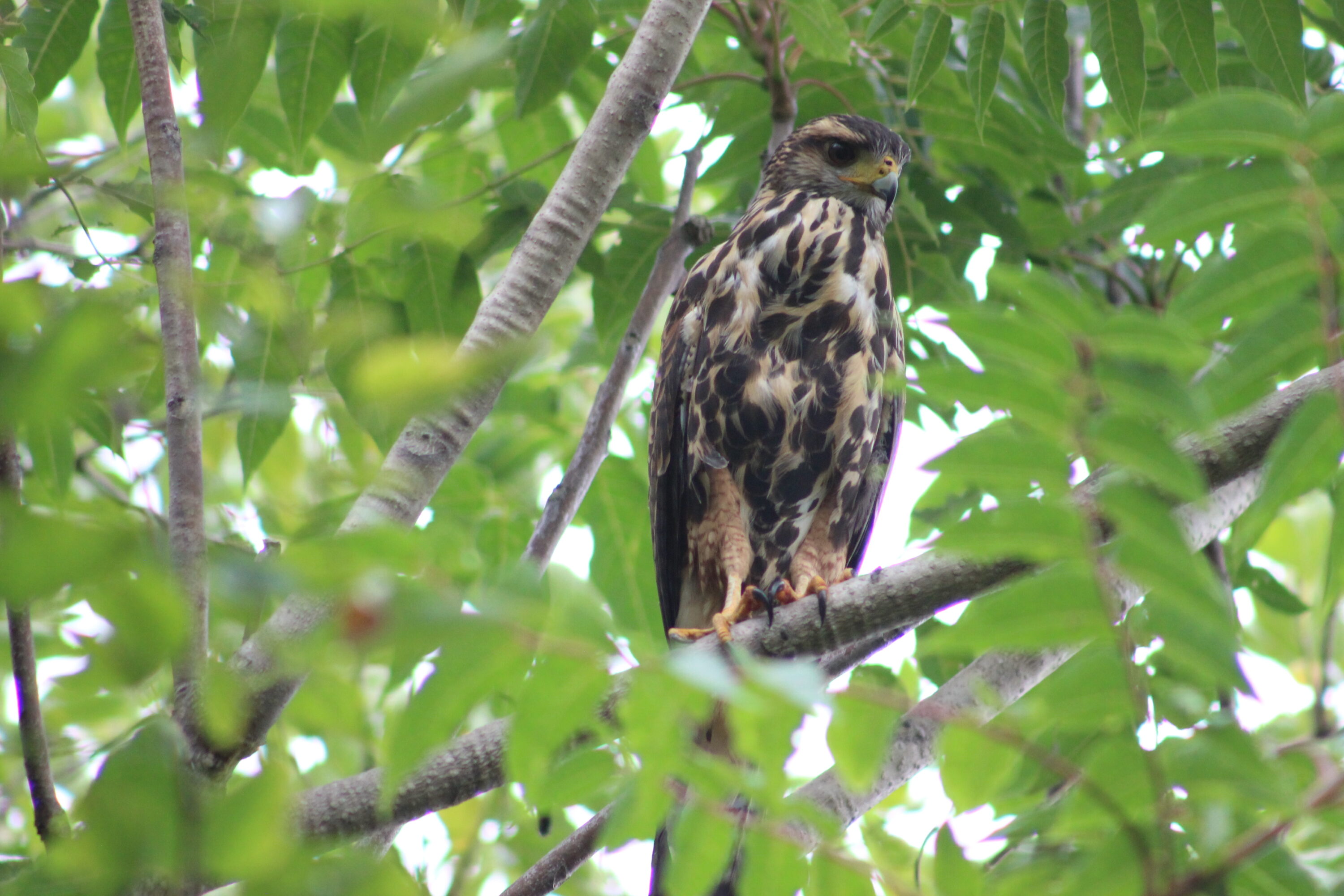
Juvenile Harris's Hawks Manipulated Pine Cones for About Five Minutes
Two juvenile Harris's hawks in Buenos Aires Province tore pine cones from trees, carried them to new perches…
Read story →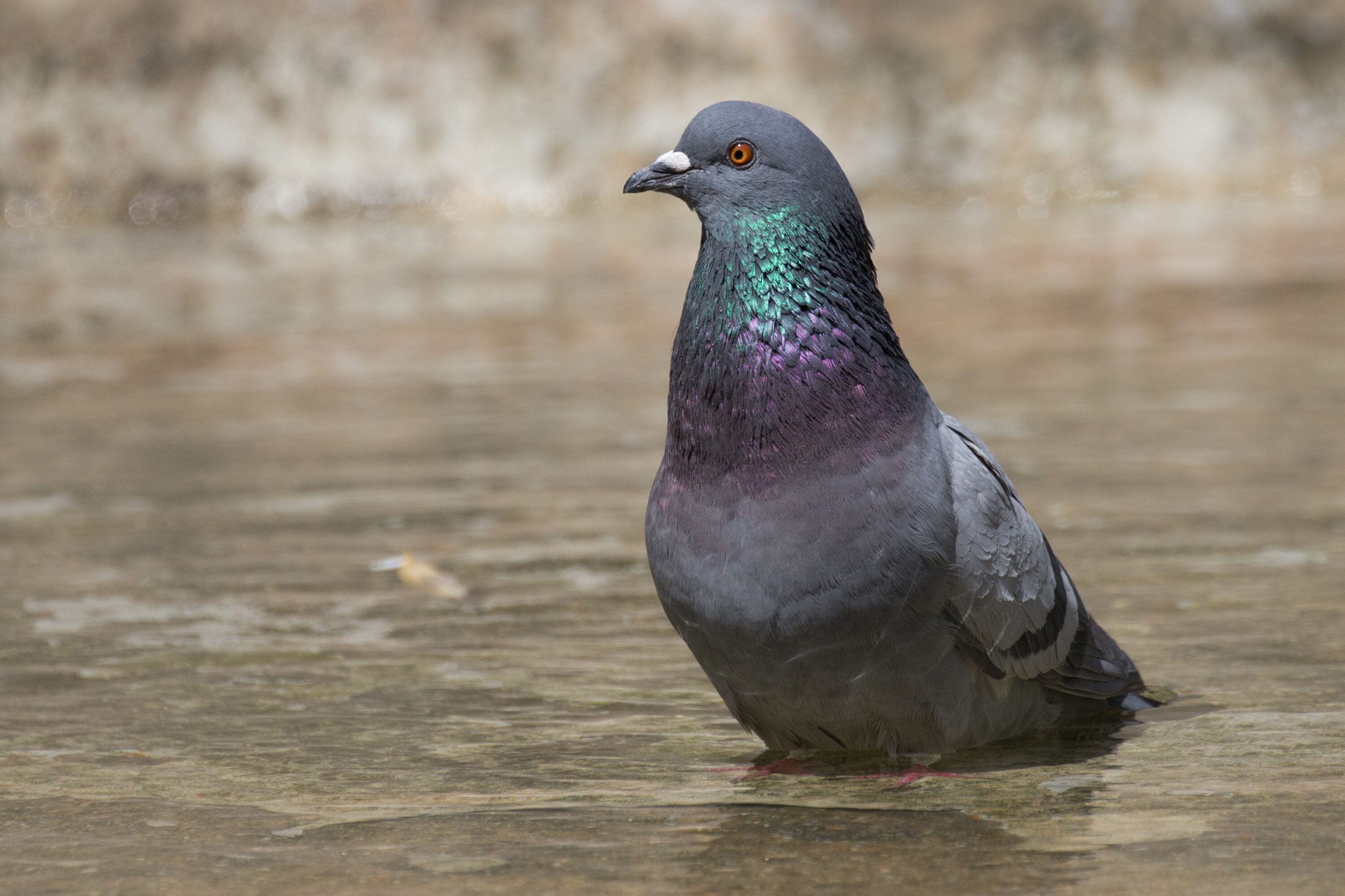
Rock Doves Preferred Predictive Information Despite a Lower Food Payoff
Seven rock doves preferred an informative option that paid on 20% of trials over a non-informative option that…
Read story →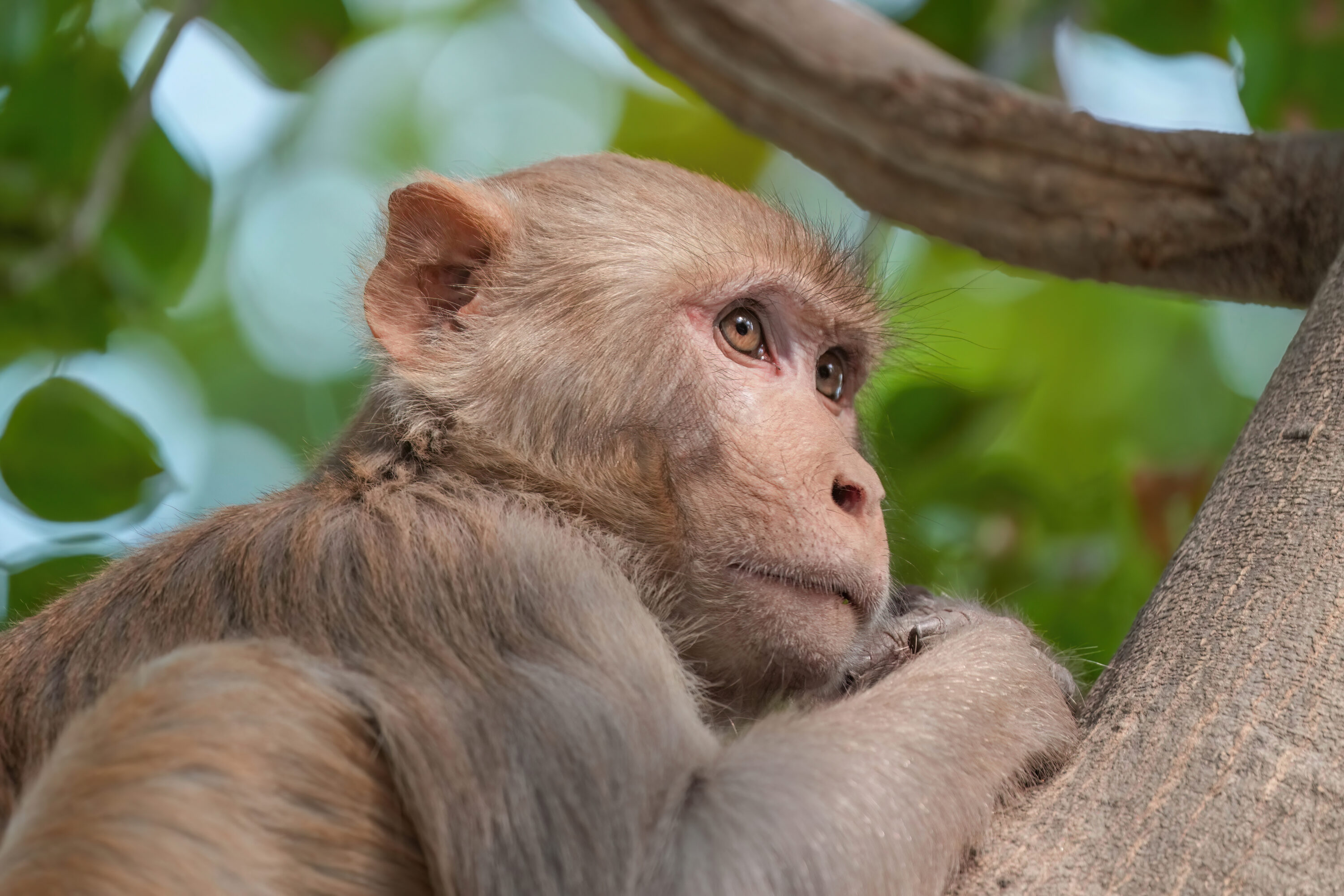
Task Uncertainty Increased Interference From Irrelevant Visual Information in Rhesus Macaque Decisions
Two rhesus macaques made less accurate visual decisions under task uncertainty; recordings and microstimulation in primary visual cortex…
Read story →SPECIES IN THIS STORY
Species in this story
Independent research and conservation news archive
Did you find this information useful?
Wildlife Vagabond is independently built and maintained. Voluntary support helps cover source verification, hosting and continued work on research and conservation news.
Support Wildlife VagabondThe news archive will remain freely available.