
Rotavirus A Antibodies Were Common in Feral Pigeon Samples but Rare in Wood-Pigeon Samples in Germany
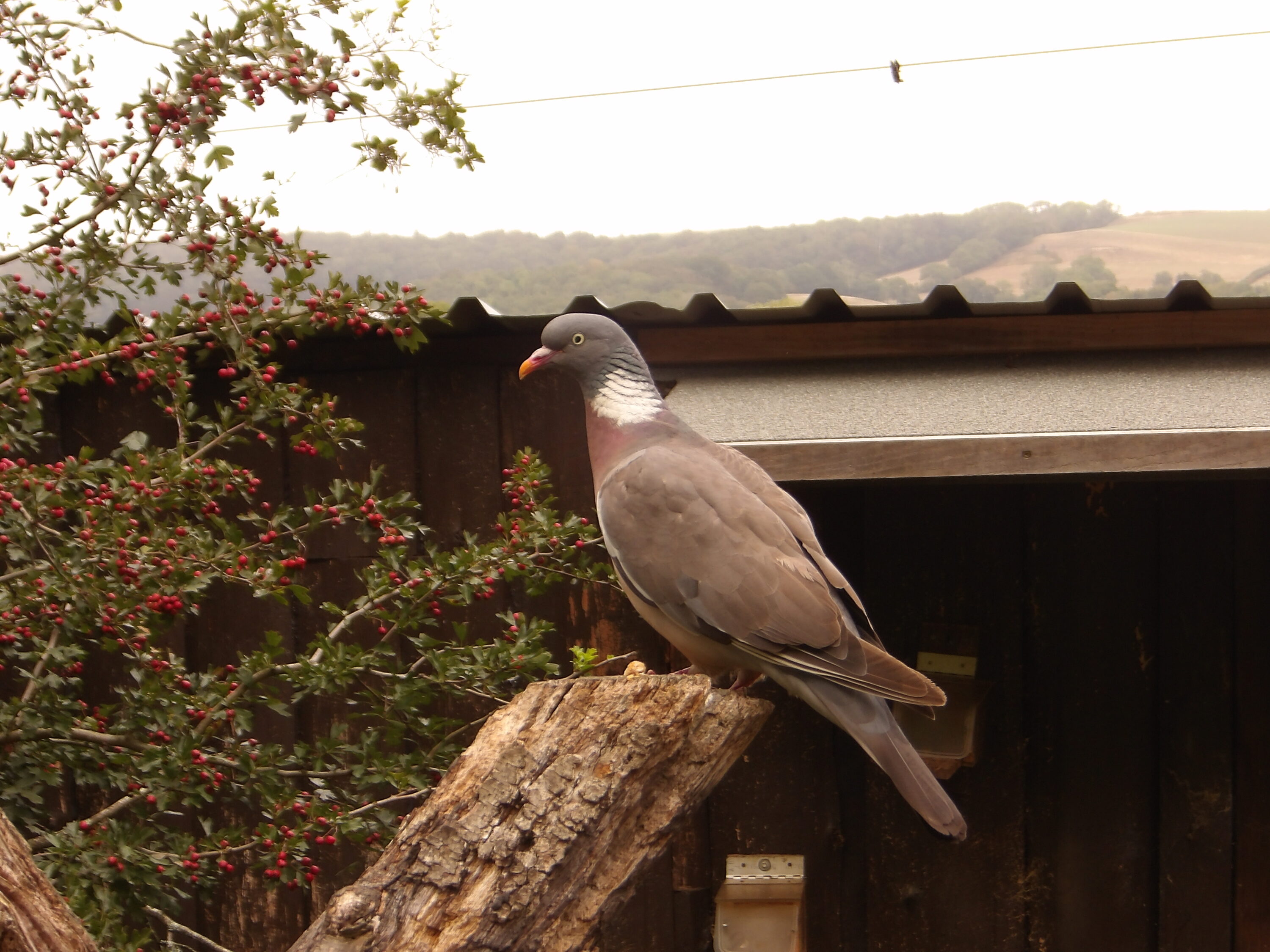
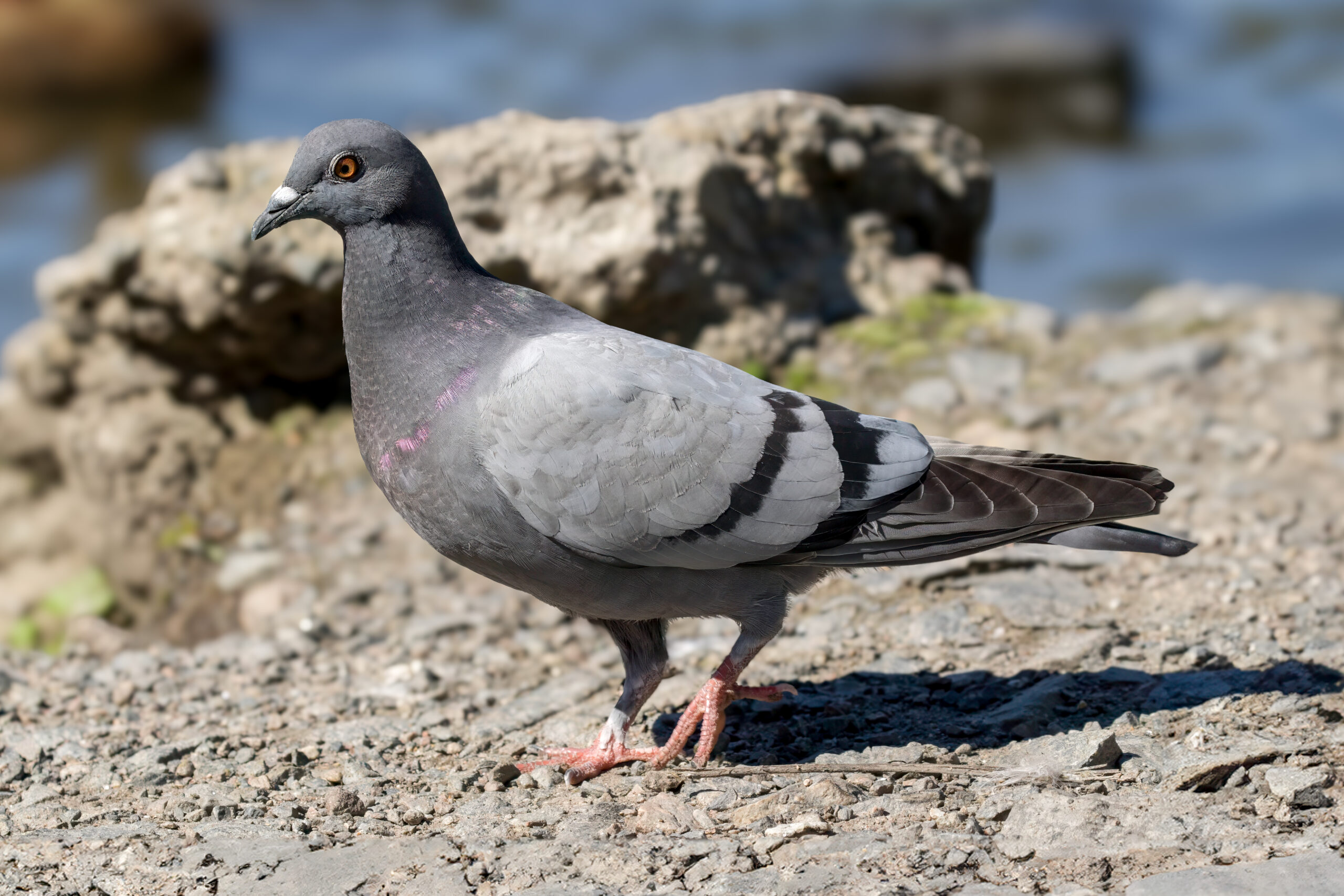
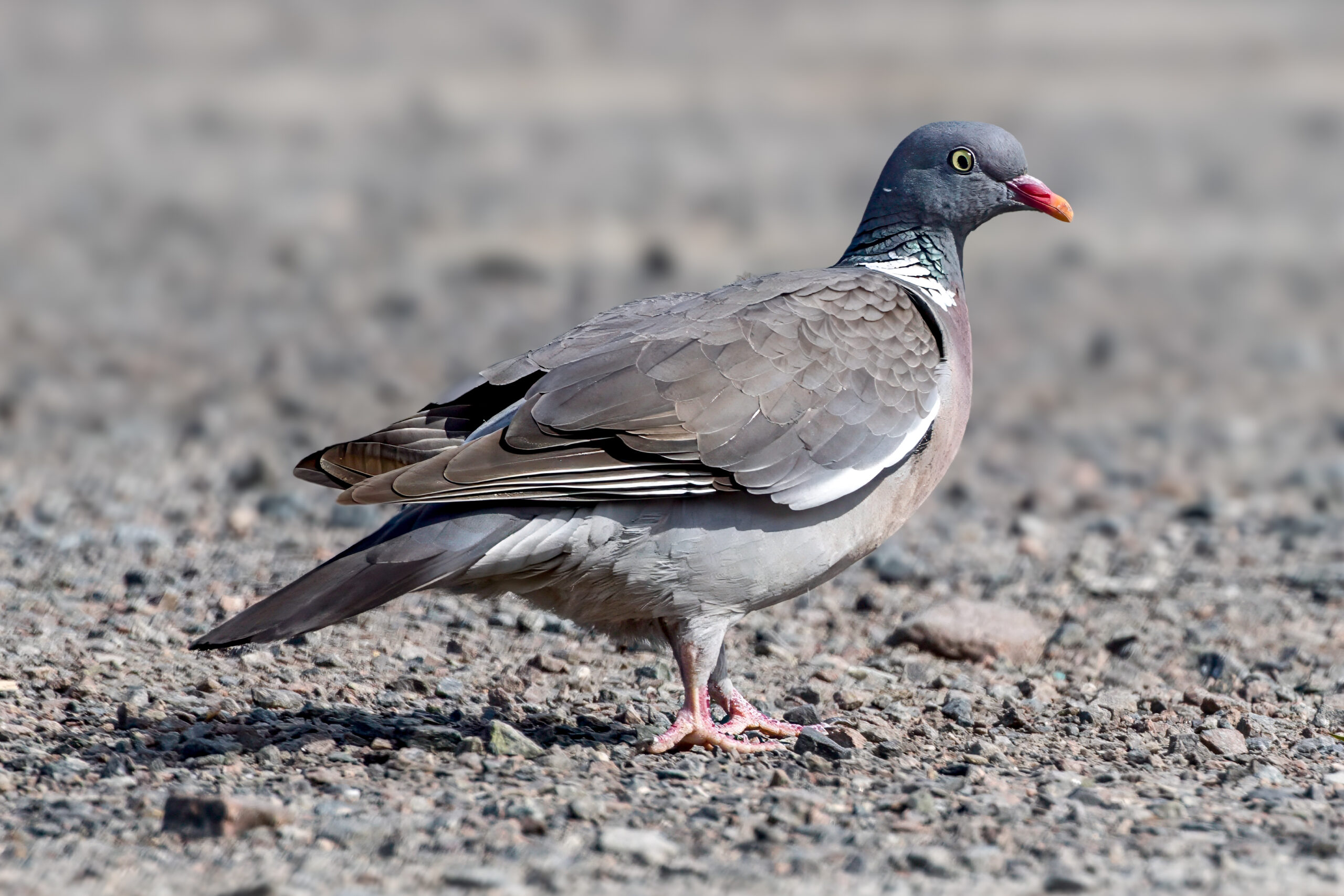
Rotavirus A-reactive antibodies were detected in 79.2% of free-ranging feral pigeons and 77.0% of domestic pigeons in Germany — both within the rock dove species (Columba livia) — but in only 5.4% of wild common wood-pigeons (Columba palumbus). The study, published on 7 August 2026, tested serum from 197 feral pigeons, 318 domestic pigeons and 428 common wood-pigeons. Antibodies show that a bird has mounted an immune response to the virus; they do not show that it had an active infection when the sample was taken.
The contrast matters because the pigeon-associated rotavirus A genotype G18P[17] causes classical young pigeon disease in domestic pigeons. The antibody test used here was not serotype-specific, so a positive result did not by itself identify G18P[17]. The authors note, however, that G18P[17] is the only rotavirus A serotype so far described in pigeons and other Columbiformes.
Exposure was common in domestic and feral pigeons
Among domestic pigeons, 98.1% of tested adults had rotavirus A-reactive antibodies, compared with 65.8% of juveniles. Antibody titres in unvaccinated juvenile racing pigeons also rose from spring to autumn. Together with the high proportion of positive feral pigeons, the authors interpret this as evidence that rotavirus A circulates widely and repeatedly in these Columba livia populations.
Wild common wood-pigeons showed a very different pattern. Only 23 of 428 samples were antibody-positive. The authors therefore consider common wood-pigeons unlikely to be an important reservoir, while free-ranging feral pigeons could provide a source from which the virus is reintroduced into domestic pigeon lofts.
The percentages are not population prevalence estimates
The sampling was opportunistic rather than designed to represent entire pigeon populations. Many domestic and feral pigeon samples were leftover diagnostic material, whereas most common wood-pigeon samples came from apparently healthy birds collected during legal hunting. The authors also lacked complete age information for the feral and wood-pigeon groups. The 77.0%, 79.2% and 5.4% figures therefore describe the tested samples and should not be treated as precise population-wide seroprevalence estimates.
Disease, parasites & microbiology
Related news
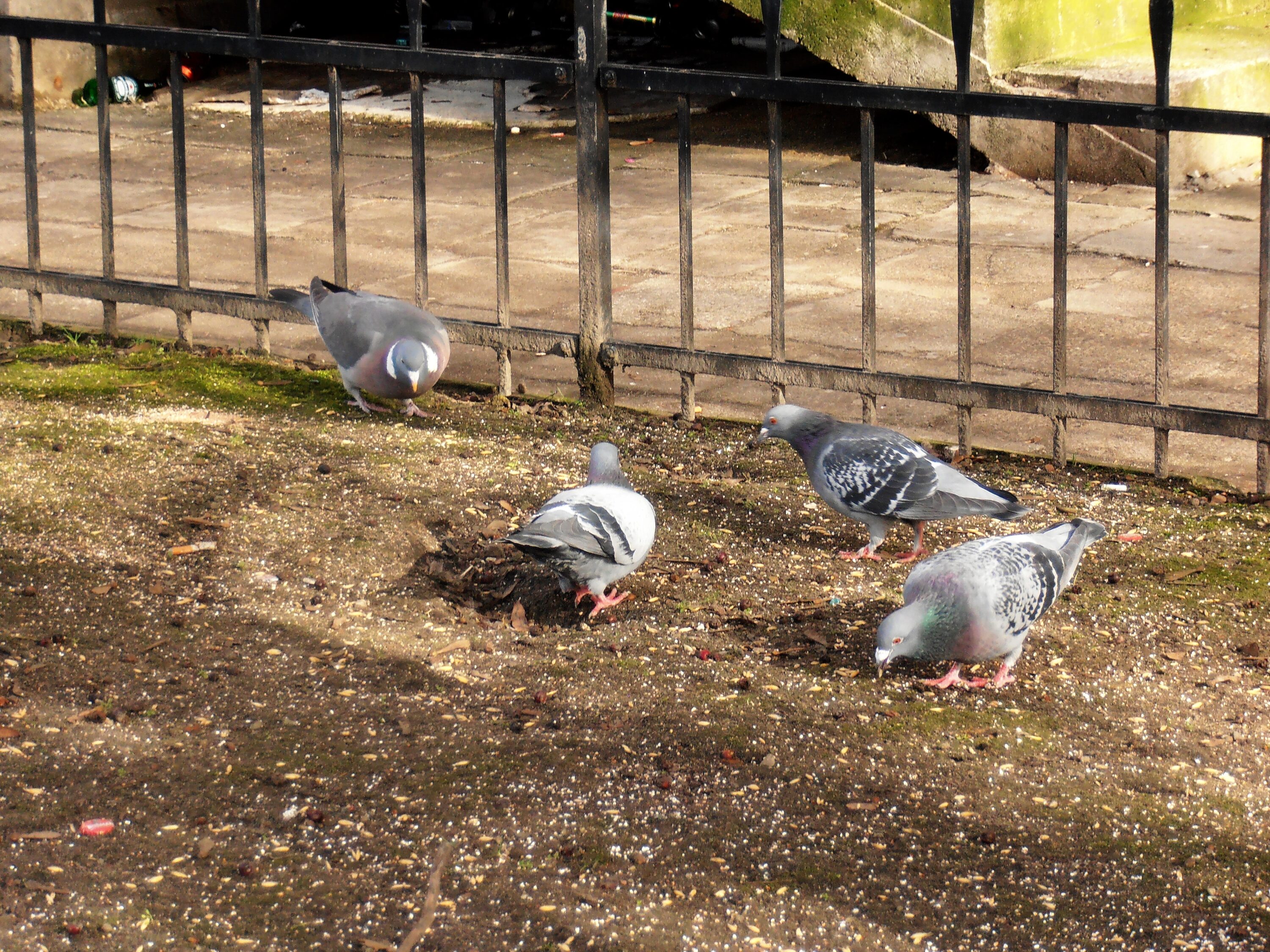
Common Wood-Pigeon Was Negatively Associated With Settlements in High Atlas Valleys
Across 179 survey points in two Central High Atlas valleys in Morocco, researchers recorded 1,073 pigeons and doves.…
Read story →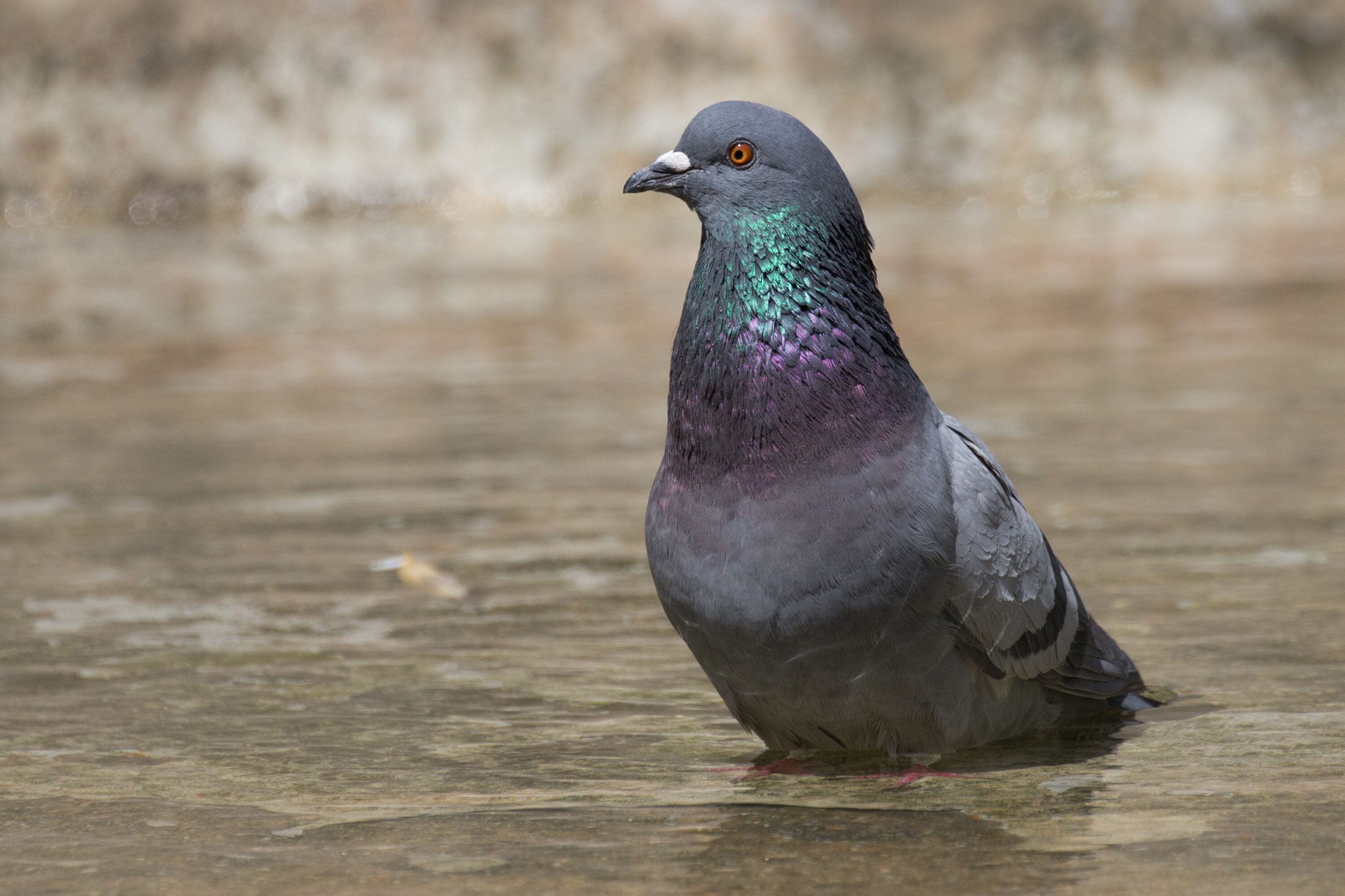
Rock Doves Preferred Predictive Information Despite a Lower Food Payoff
Seven rock doves preferred an informative option that paid on 20% of trials over a non-informative option that…
Read story →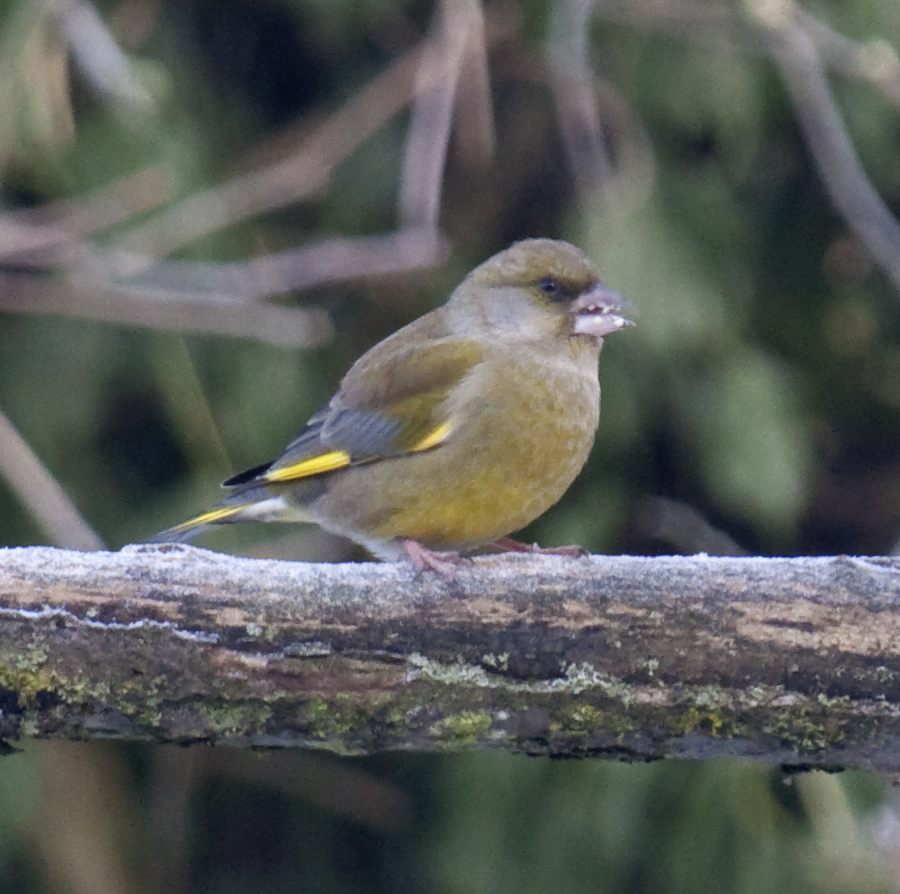
Type A Trichomonas Was More Than Twice as Prevalent in British Birds at Supplementary-fed Sites
Type A of the bird parasite Trichomonas gallinae was more than twice as prevalent in British birds at…
Read story →SPECIES IN THIS STORY
Species in this story
Independent research and conservation news archive
Did you find this information useful?
Wildlife Vagabond is independently built and maintained. Voluntary support helps cover source verification, hosting and continued work on research and conservation news.
Support Wildlife VagabondThe news archive will remain freely available.