
Roe Deer Favoured Connected, Complex Forest Patches in Scotland
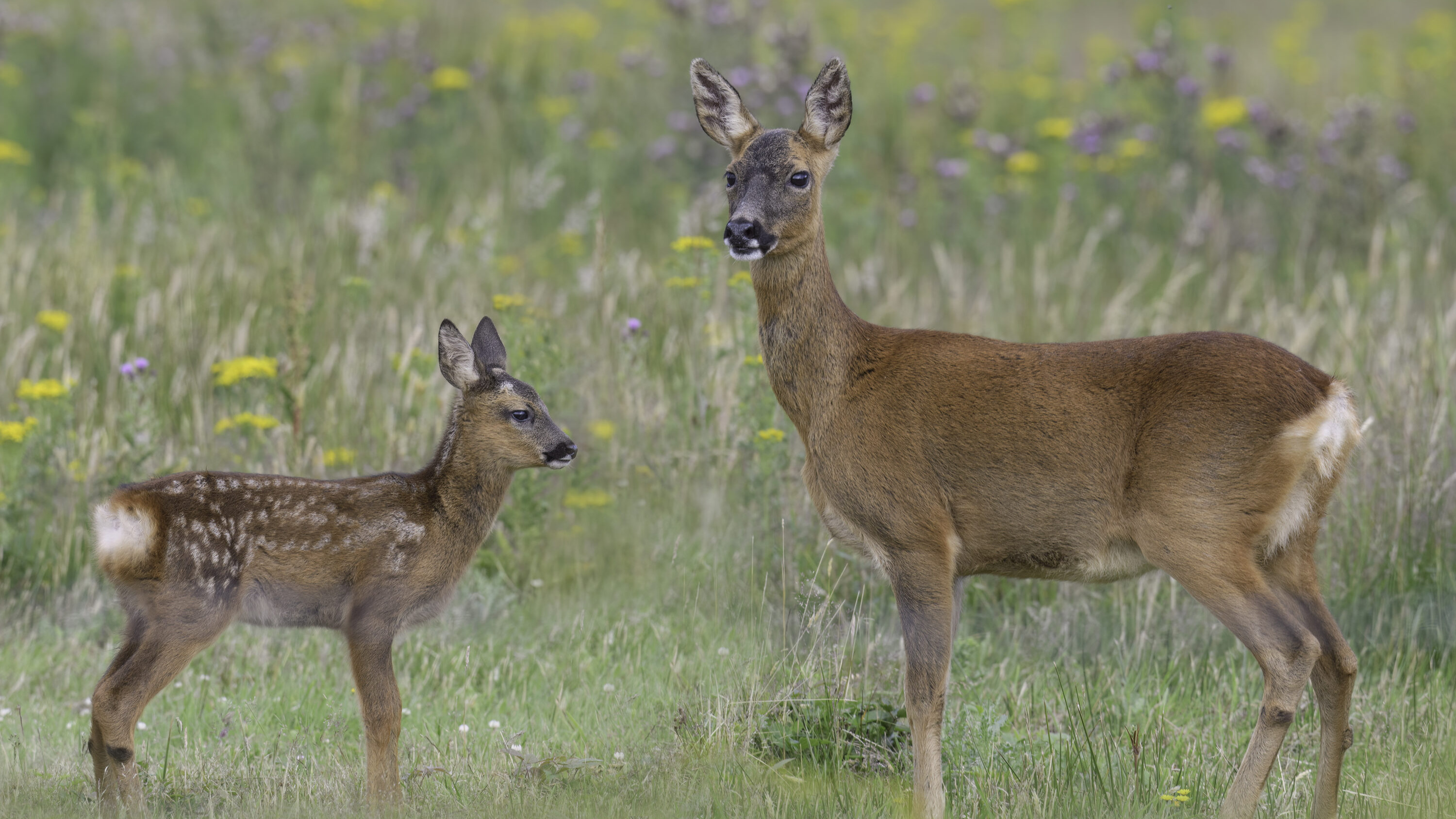
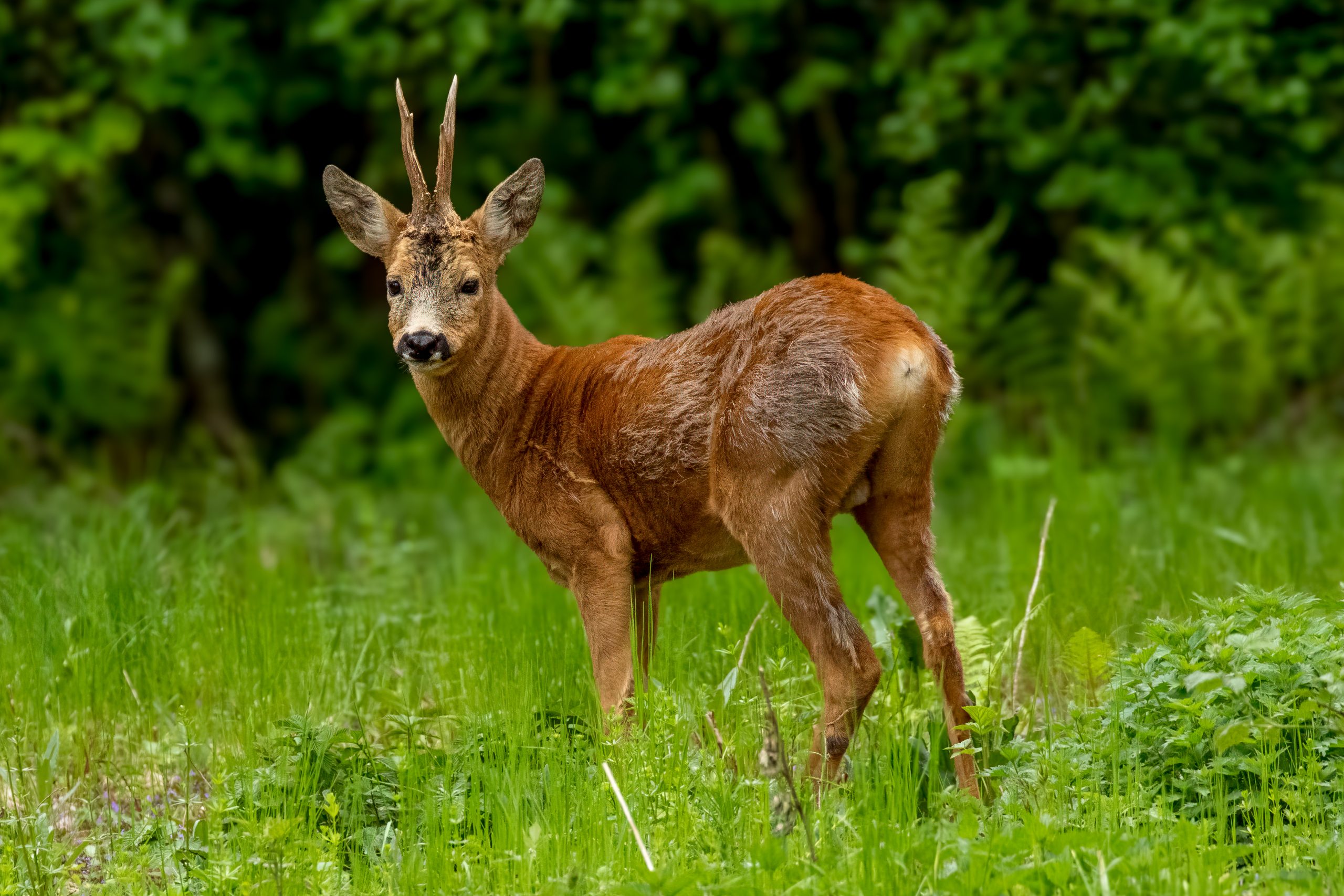
A camera-trap study in Aberdeenshire, northeast Scotland, found greater roe deer (Capreolus capreolus) use of smaller, better-connected forest patches and of structurally varied woodland close to forest edges. Human activity showed the opposite pattern.
The study sampled 29 usable forest patches within a 2,780 km² agricultural–forest mosaic in 2022 and 2023. Roe deer use was measured as the number of independent camera detections per day. A higher encounter rate therefore means that deer used a forest patch more intensively during sampling; it is not a direct estimate of how many deer lived there.
More connected forests had higher roe deer use
Structural connectivity described how much surrounding forest lay within 750 metres of a focal patch and gave more weight to woodland that was closer. High values therefore represent a patch embedded in a denser local woodland network rather than an isolated forest.
Functional connectivity added another layer by incorporating how roe deer are expected to move through the land between forest patches, including differences among farmland, grassland, roads and other non-forest habitat. Forests with higher structural and functional connectivity both had higher roe deer encounter rates.
Smaller patches were also used more strongly where the surrounding landscape contained a high density of forest edge. This fits the species’ known use of forest–agricultural ecotones, where cover and feeding opportunities occur close together.
Edges and structurally varied woodland were used more
Within forest patches, cameras closer to the forest edge recorded more roe deer. Use also increased with tree density and with greater variation in diameter at breast height (DBH).
DBH is the standard diameter of a tree trunk measured at about chest height. Greater variation in DBH means that a forest contains a wider mixture of thin and thick stems, often reflecting more structural heterogeneity rather than a stand dominated by one tree size. The positive relationship is therefore consistent with greater roe deer use of more structurally complex woodland.
Shrub density, canopy cover and several other forest variables that the researchers had expected to matter were not retained as strong predictors in the final models.
Human activity was associated with lower use
Forests with more human camera detections per day had lower roe deer encounter rates. The cameras were deliberately placed away from paths, so the researchers probably underestimated total recreational activity, but the negative relationship was still detectable at forest-patch level.
The models explained only part of the variation in roe deer encounter rates, and the study lacked information on factors such as hunting pressure. The results therefore identify landscape and forest characteristics associated with relative forest use, not a complete explanation of deer abundance.
The authors conclude that forest-expansion policies could change where roe deer concentrate by altering the size, connectivity and edge structure of woodland. Knowing which new or existing forest patches are likely to receive high use may help target monitoring of browsing and other deer impacts.
Ecology
Related news
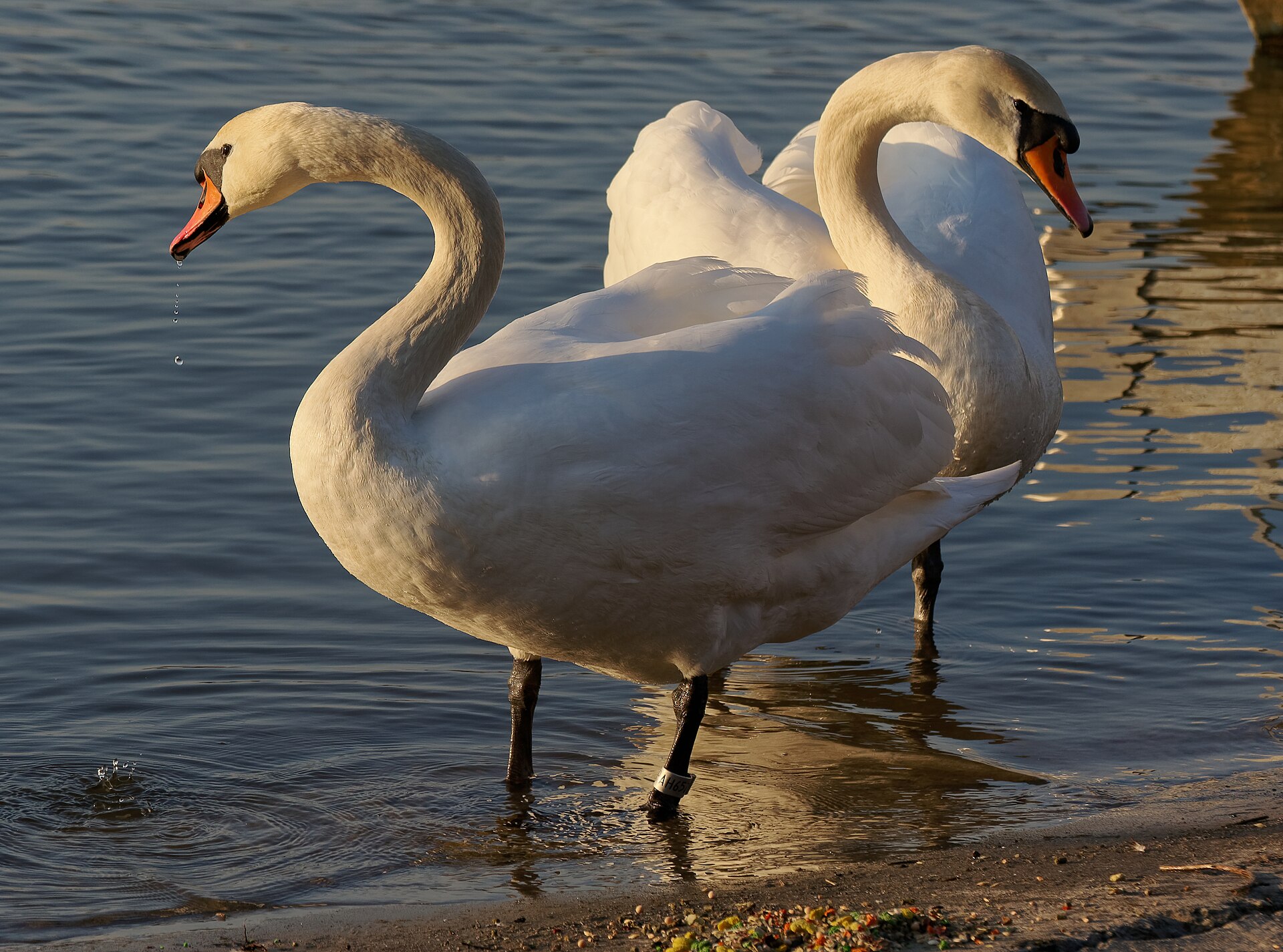
Inland Mute Swans Had Higher Winter Body Condition Despite Harsher Winters and Supplemental Feeding
A study of 853 mute swans from four Polish wintering regions found higher body condition inland than on…
Read story →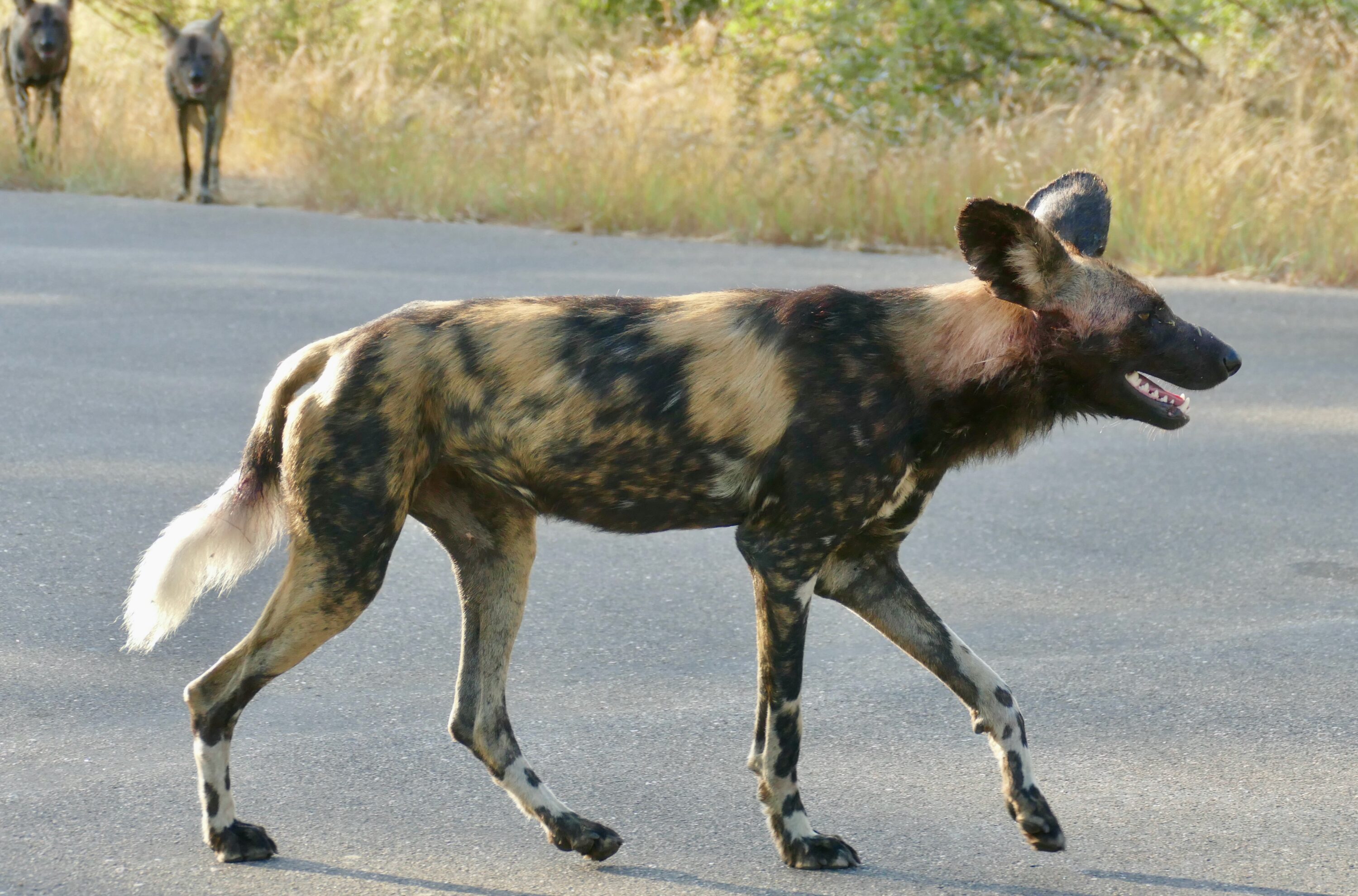
Gut Microbiomes Across Nine Kruger Mammals Clustered More Strongly by Dietary Group Than Species
A study of 89 quality-filtered faecal samples from nine wild mammals in Kruger National Park found that carnivores,…
Read story →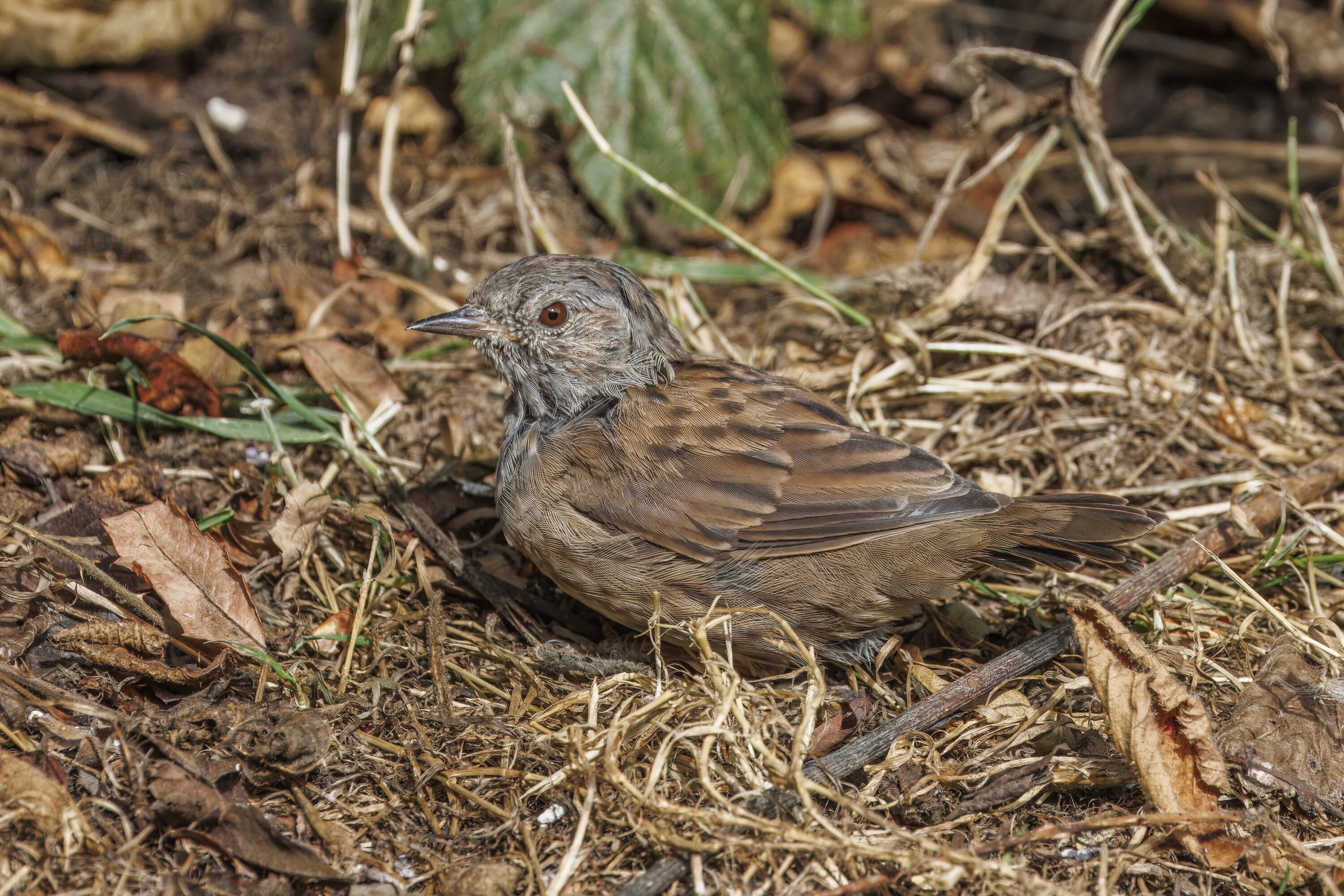
Dunnock Spring Passage Advanced by Up to 8.3 Days Over 61 Years at Hel
Standardised ringing data from northern Poland showed that the first, median and last phases of dunnock spring passage…
Read story →SPECIES IN THIS STORY
Species in this story
Independent research and conservation news archive
Did you find this information useful?
Wildlife Vagabond is independently built and maintained. Voluntary support helps cover source verification, hosting and continued work on research and conservation news.
Support Wildlife VagabondThe news archive will remain freely available.