
Savanna-specialist Bird Richness Fell from 6.3 to 1.4 Species in Tree Plantations in Western Maharashtra
Tree plantations in western Maharashtra, India supported a very different bird community from the old-growth savannas they had replaced, according to a study published in April 2026. Researchers compared 15 paired sites, each consisting of an old-growth savanna and a nearby plantation, and recorded 1,079 birds of 69 species during 180 point counts.
A point count is a survey in which observers remain at a fixed location for a set period and record birds seen or heard, allowing sites to be compared in a standardised way.
Savanna specialists declined sharply in plantations
Total bird species richness and abundance showed no clear overall difference between the two habitat types. The composition of the community, however, changed sharply. Mean richness of savanna-specialist birds fell from 6.3 species in old-growth savanna to 1.4 in plantations, while their mean abundance fell from 1.5 to 0.27 birds per count. Woodland specialists showed the opposite pattern and became more common in plantations. Among the four dietary guilds analysed — groups of birds that use similar types of food — nectarivores also increased with afforestation, while the other three guilds did not show the same response.
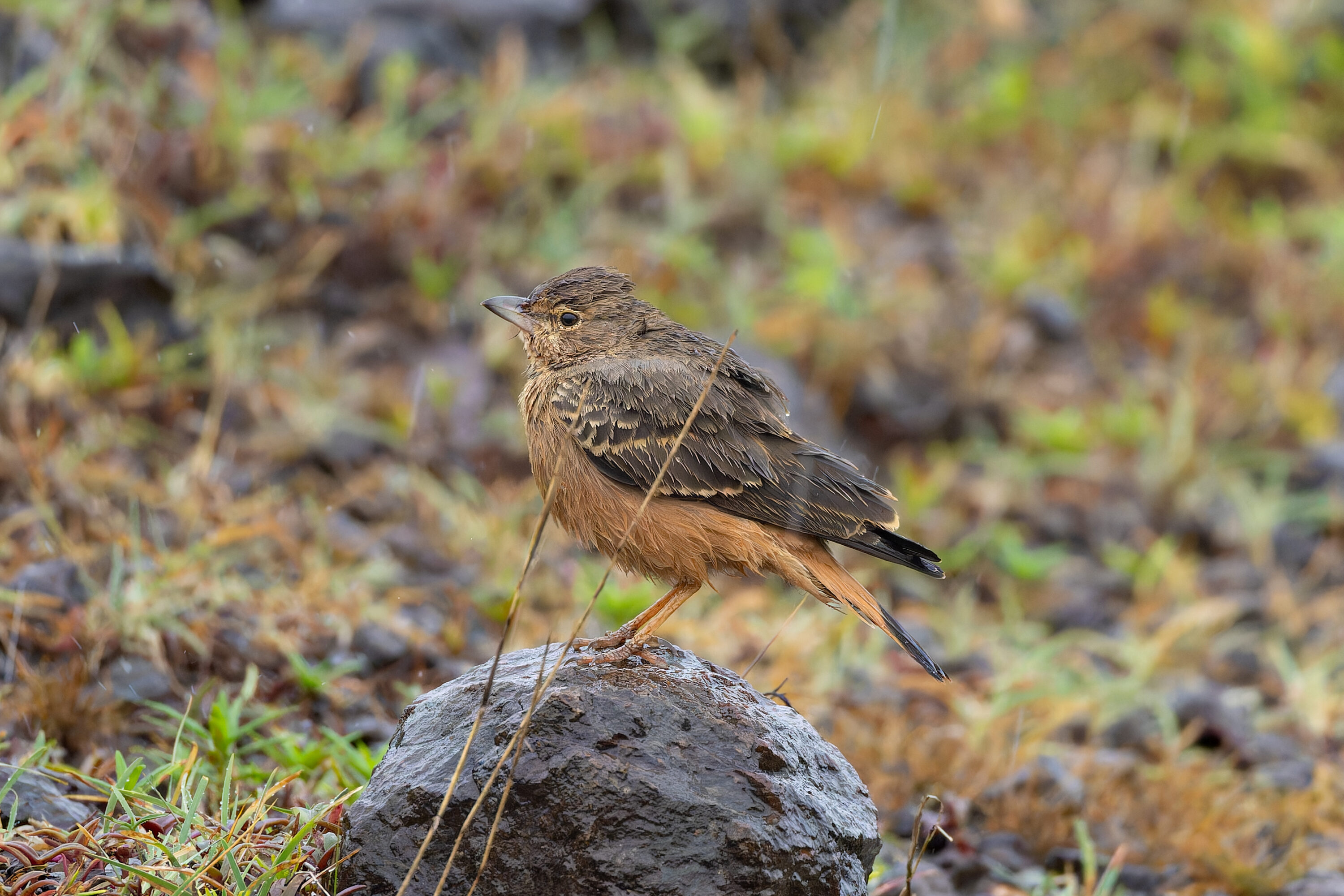
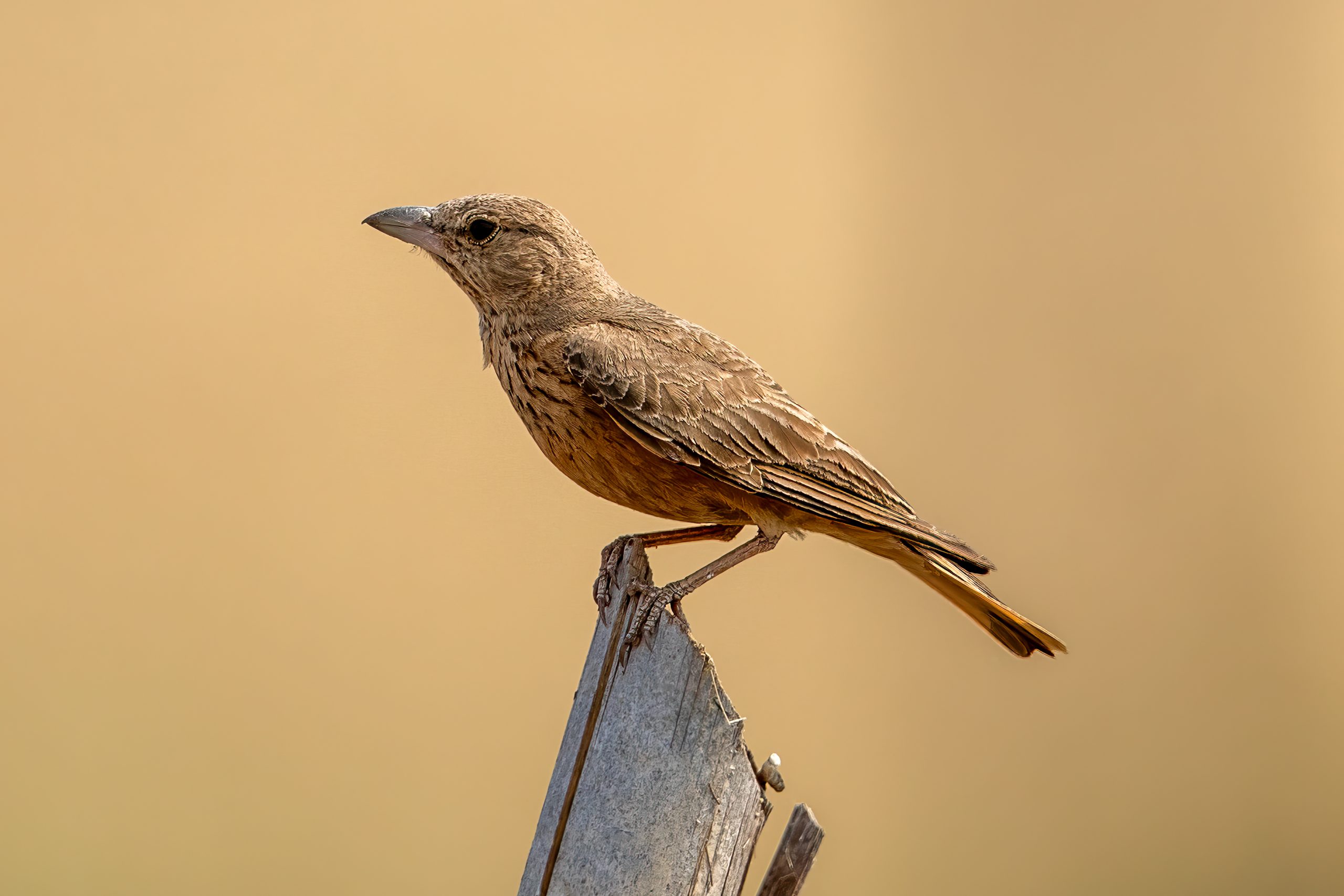
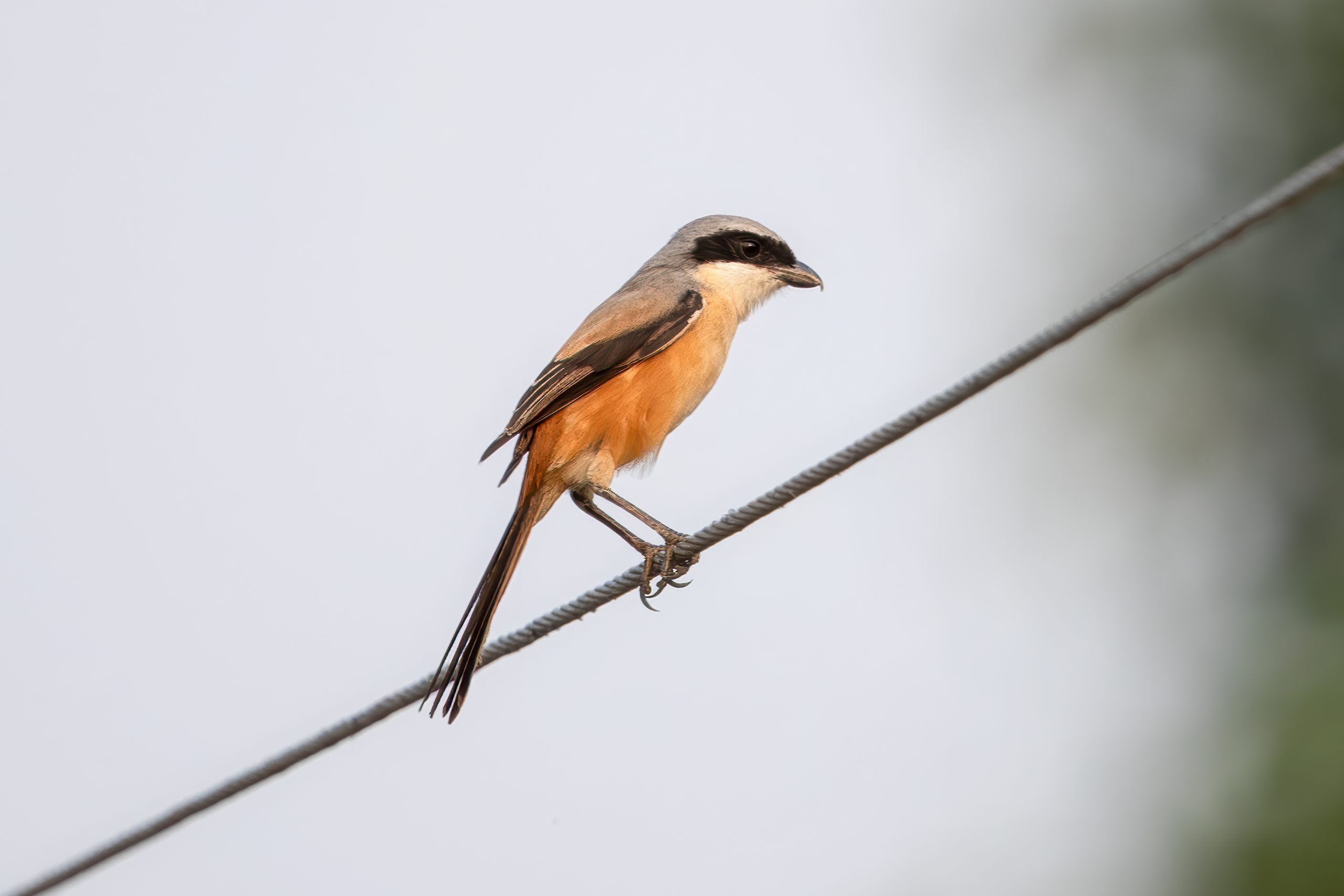
Rufous-tailed lark (Ammomanes phoenicura) and long-tailed shrike (Lanius schach) were among the savanna-associated species recorded in the old-growth sites but not in the plantation point counts.
Rainfall changed the broader richness pattern
Rainfall modified total species-richness patterns across the landscape. Old-growth savannas tended to support more species in the intermediate rainfall zone, roughly 560–920 mm annually, while plantations could support higher total richness at the driest and wettest ends of the gradient. Across all rainfall levels, however, plantation bird communities remained compositionally different from those in paired old-growth savannas.
The authors conclude that judging afforestation only by total bird numbers can conceal losses of habitat specialists. They argue that large-scale tree planting on remaining savannas should be avoided where conserving native savanna biodiversity is the goal, while noting that some plantations can still provide supplementary habitat for woodland and other native species.
Ecology
Related news
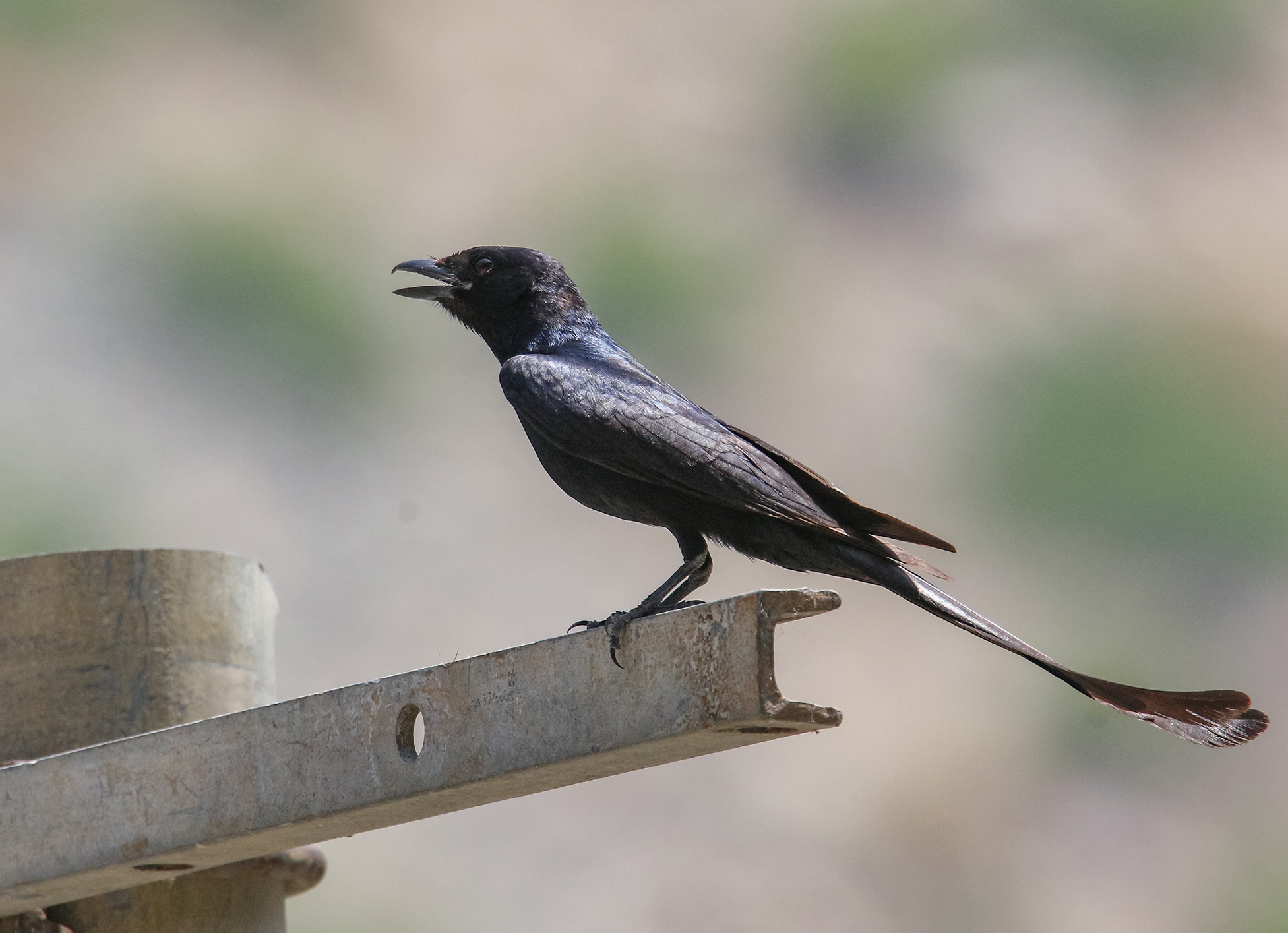
Seven Examined Black Drongo Nests Averaged 4.97 m High, Versus 4.50 m for Seven Long-tailed Shrike Nests
Seven examined Black Drongo nests averaged 4.97 m above ground versus 4.50 m for seven Long-tailed Shrike nests…
Read story →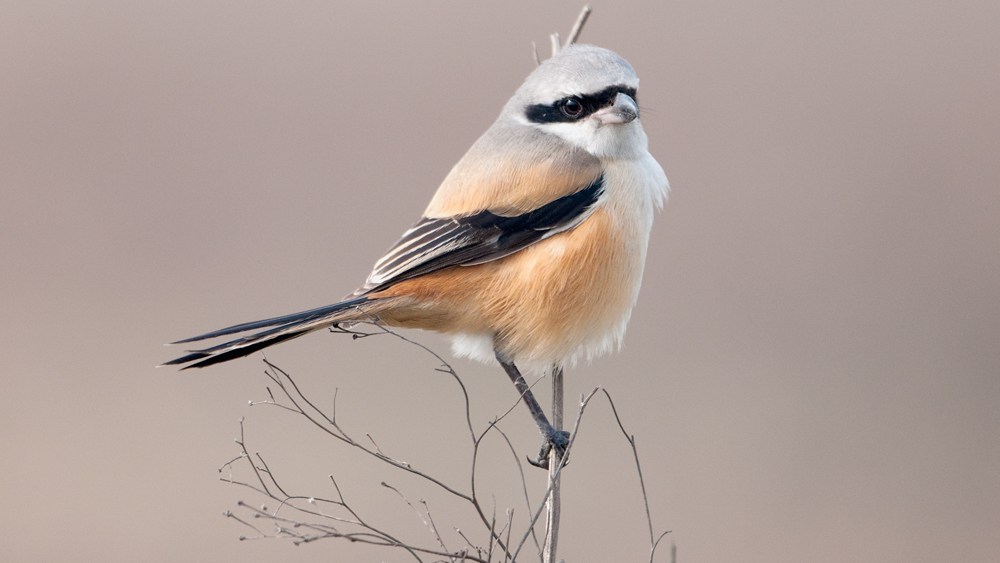
Long-tailed Shrike Photographed Raising a Cuckoo Chick in Bandhavgarh
A black-headed long-tailed shrike was photographed feeding a cuckoo chick with insects over three days in Bandhavgarh Tiger…
Read story →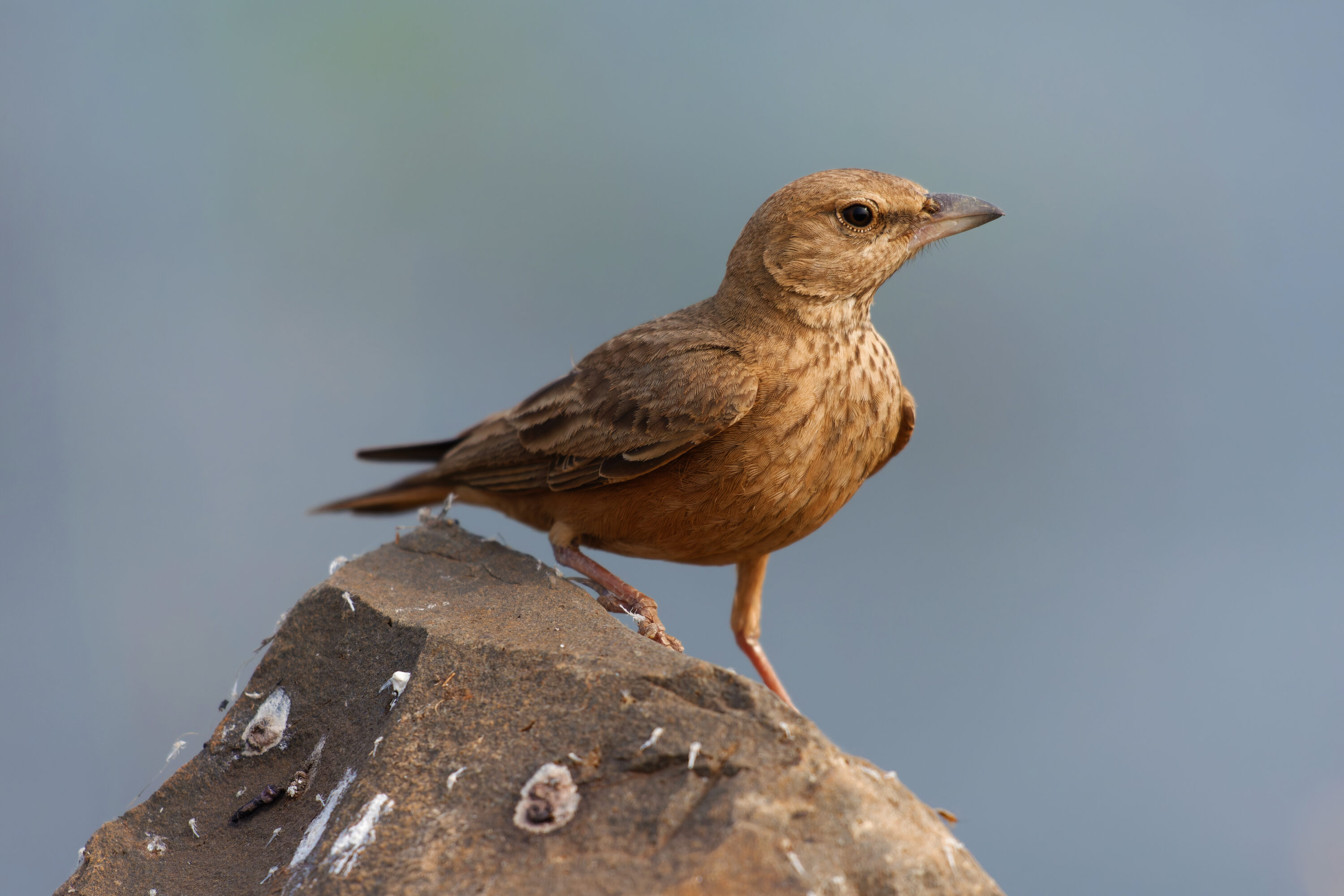
Rufous-tailed Lark Index Showed Clear Declines on Both Time Scales in India
The 2025 State of India’s Birds update estimated a −70.7% long-term trend and a −4.3% current annual trend…
Read story →SPECIES IN THIS STORY
Species in this story
Independent research and conservation news archive
Did you find this information useful?
Wildlife Vagabond is independently built and maintained. Voluntary support helps cover source verification, hosting and continued work on research and conservation news.
Support Wildlife VagabondThe news archive will remain freely available.