
Scent-marking Networks May Help Disease Spread Between Banded Mongoose Groups
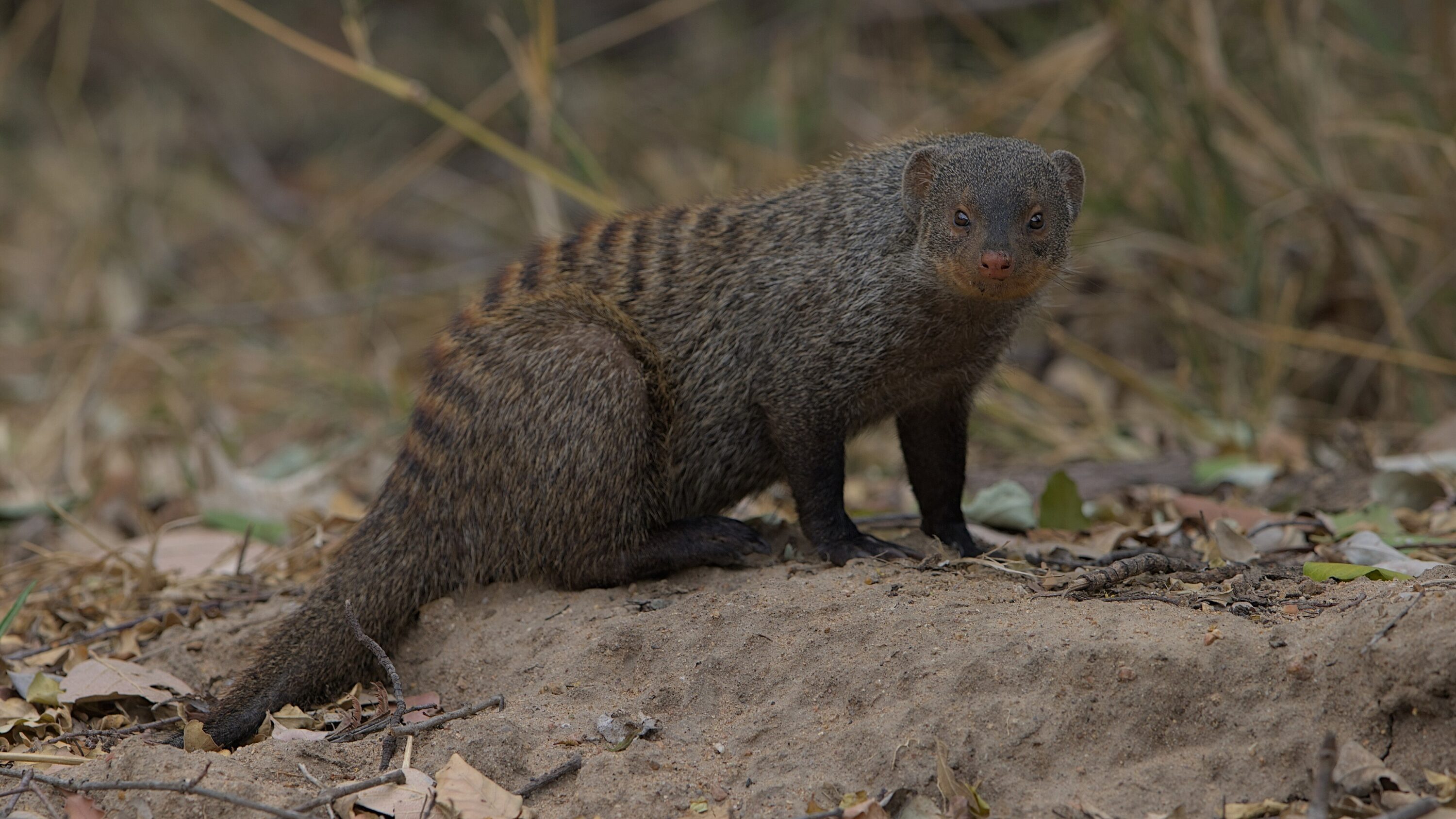
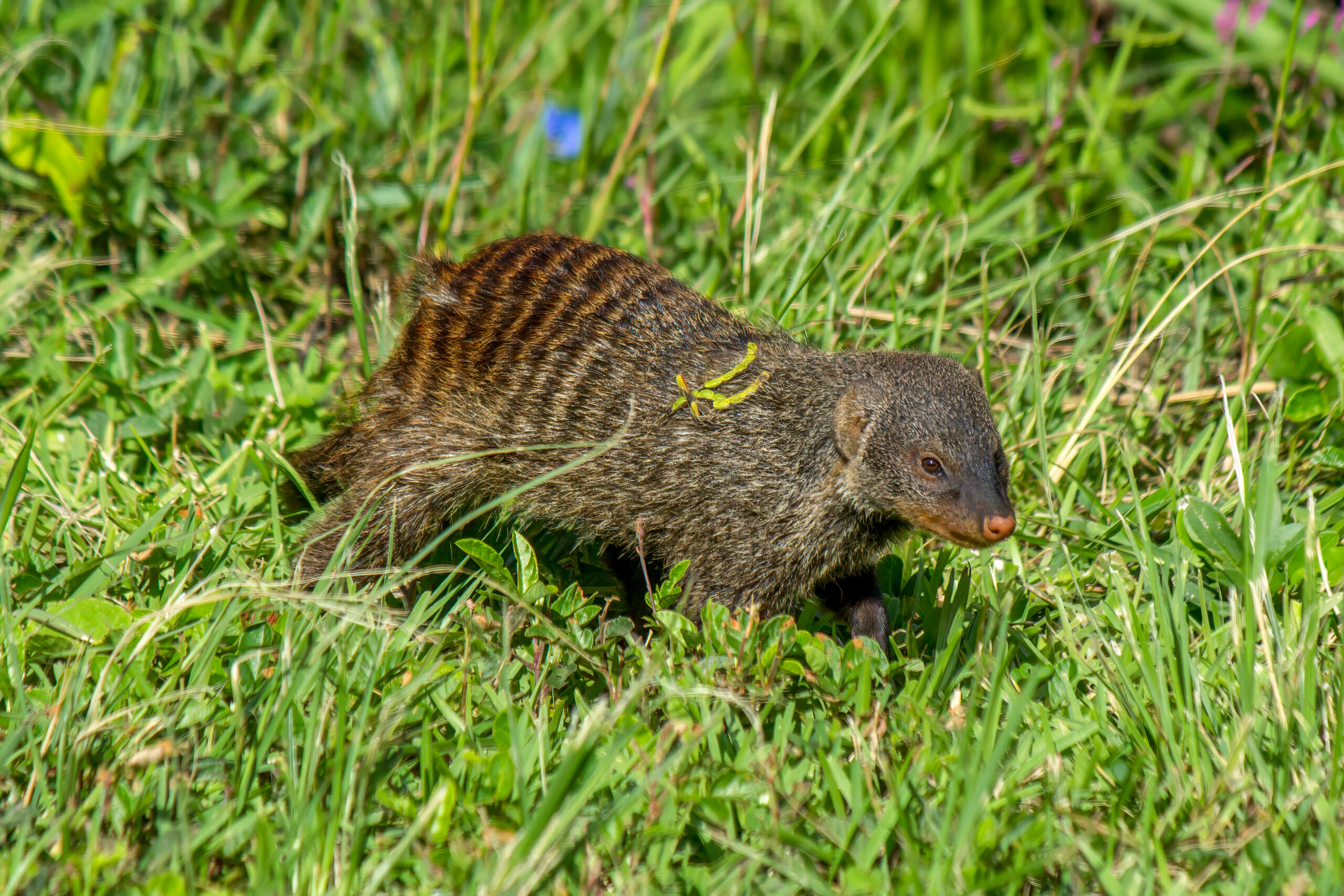
A study of banded mongoose (Mungos mungo) social behaviour suggests that scent marks can create indirect routes for environmentally transmitted pathogens. The researchers used Mycobacterium mungi as their disease model. This bacterium belongs to the tuberculosis complex and infects banded mongooses in northern Botswana. Infected animals can shed it in secretions and urine that contribute to scent marking, so another mongoose may encounter contaminated material later without meeting the infected animal directly.
The behavioural observations themselves came from an uninfected population around the Mweya Peninsula in Queen Elizabeth National Park, Uganda. The study therefore examined opportunities for transmission and simulated pathogen spread; it did not detect M. mungi, measure disease prevalence or document an outbreak in the Ugandan groups.
Scent marks multiplied indirect contact opportunities
Researchers used observations collected from December 2005 to November 2007 to build a contact network in which the order of events through time was retained. The dataset represented 364 individually known mongooses in seven groups in 2006 and eight in 2007. Direct-contact behaviours included grooming, marking another animal and anogenital inspection. Indirect contacts arose when one animal deposited a scent mark and another later inspected or overmarked the same mark.
The observations contained 5,021 opportunities for direct transmission. By comparison, 24,944 within-group scent-marking interactions generated 80,224 effective opportunities for indirect contact once the sequence of depositing, inspecting and overmarking was taken into account. The difference shows how a mark left in the environment can connect several animals at different times.
Indirect routes mattered most when transmission per contact was low
The researchers then simulated a hypothetical pathogen spreading through these observed contacts. When the probability of transmission from any one contact was low, indirect transmission through scent-marking contacts had more than twice the influence of direct contact on the final simulated prevalence. The biological implication is that many low-probability environmental contacts can collectively matter even when each individual encounter is unlikely to transmit infection.
The field observations did not show how often neighbouring groups overmark each other. The researchers therefore added exploratory, simulated overmarking events between groups whose home ranges overlapped. These synthetic links more than doubled the number of possible transmission routes through time and allowed simulated infection to reach a much larger part of the population. The authors interpret this as a possible two-stage process: scent marks may occasionally seed infection into a new group, after which the dense network of contacts within that group can amplify spread.
Links between groups were simulated, not observed
The study places important limits on this interpretation. The Ugandan mongooses were not infected with M. mungi; contact between groups through scent marks was modelled rather than observed; and the simulations did not include recovery, infection-related mortality, dispersal or individual differences in susceptibility and bacterial shedding. The results therefore identify plausible transmission routes, not a forecast of a real outbreak.
The broader point is that wildlife-disease models may need to include contacts that occur at the same place but at different times. A territorial scent mark can remain after its owner has left and later attract inspection or overmarking, potentially linking animals — and even social groups — that never meet face to face.
Disease, parasites & microbiology
Related news
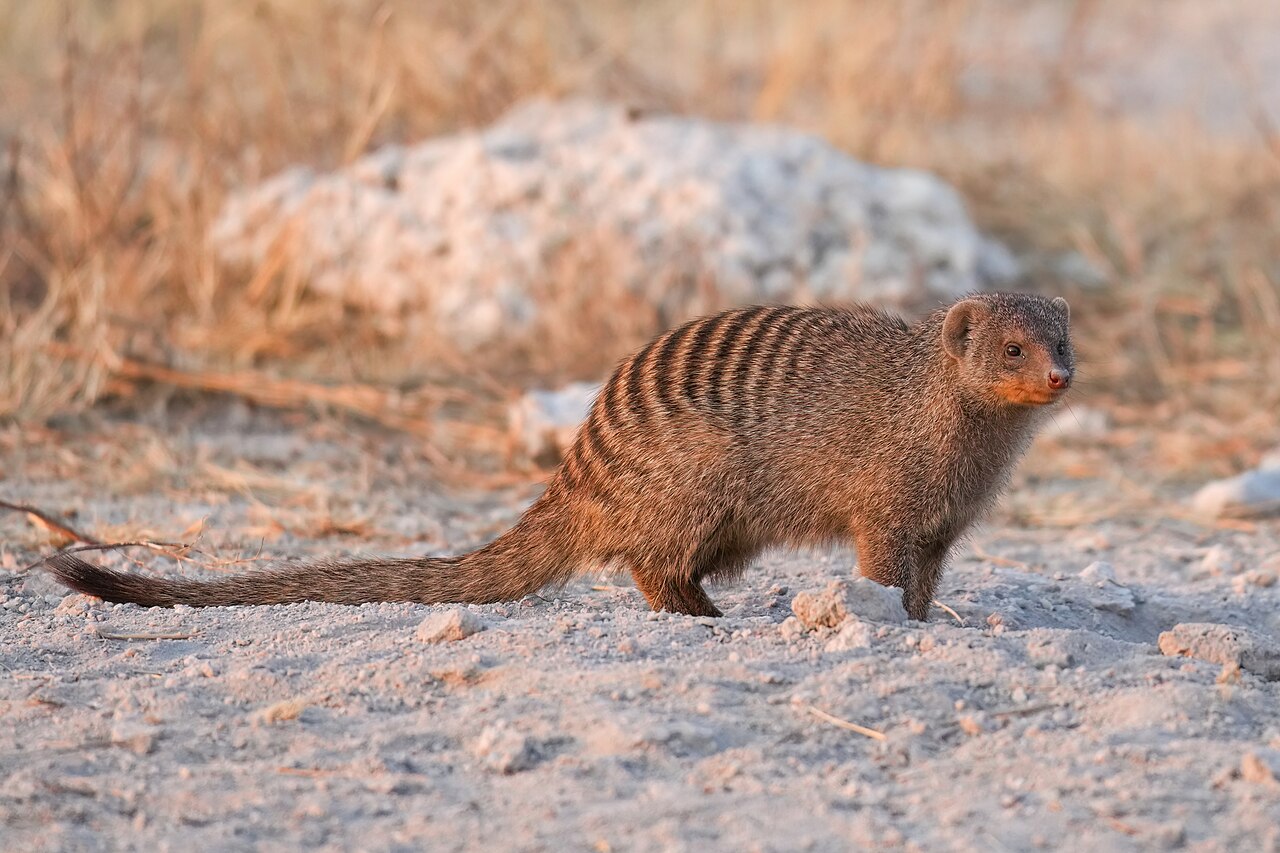
Age and Individual Identity Shaped Banded Mongoose Scent Chemistry
Anal-gland secretions from wild banded mongooses in Uganda carried individually distinct chemical profiles. Age, season and reproductive status…
Read story →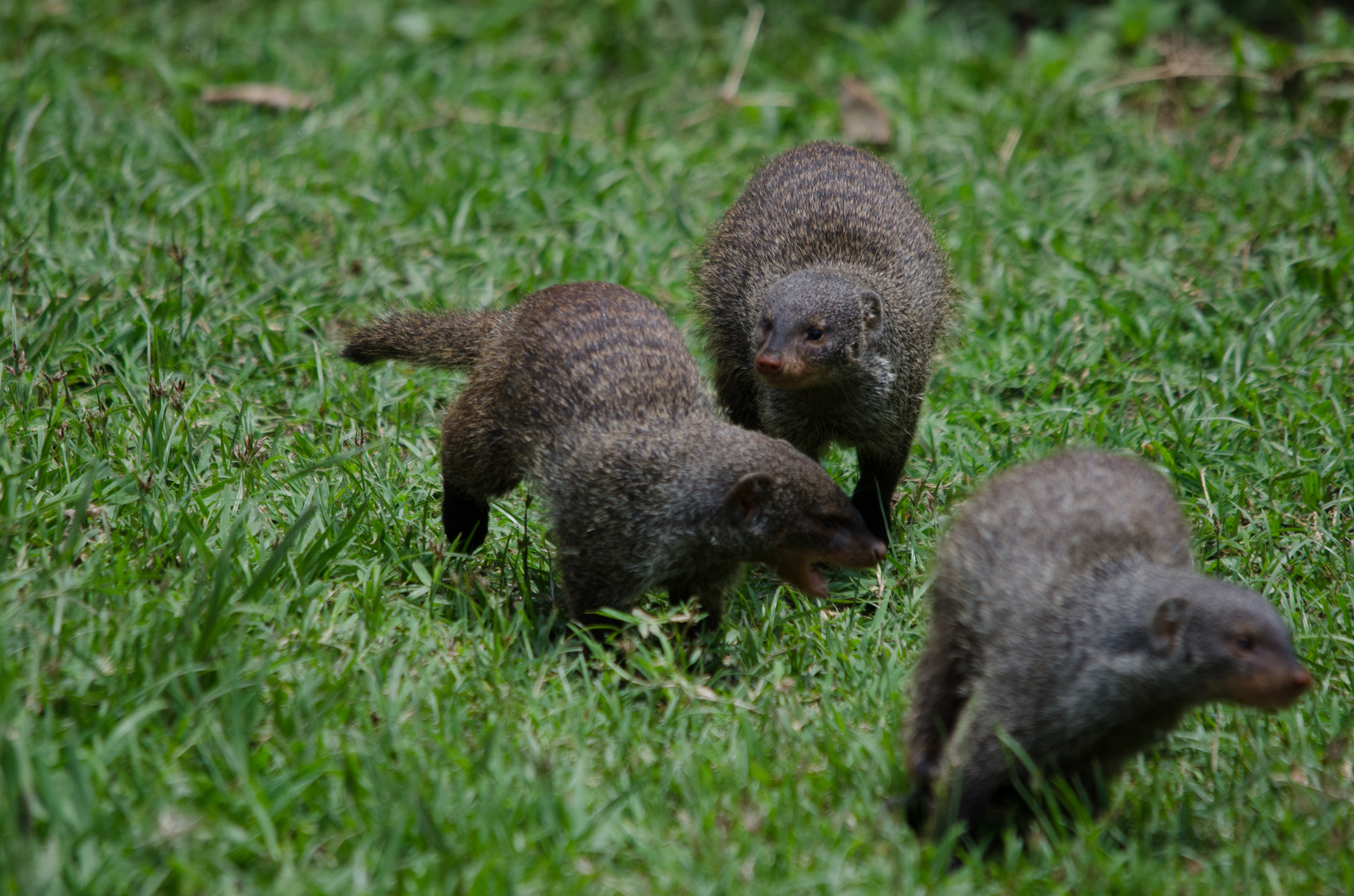
Banded mongoose groups show little lasting movement change after simulated rival encounters
An experiment with five groups in Uganda found brief changes in space use after simulated encounters, but no…
Read story →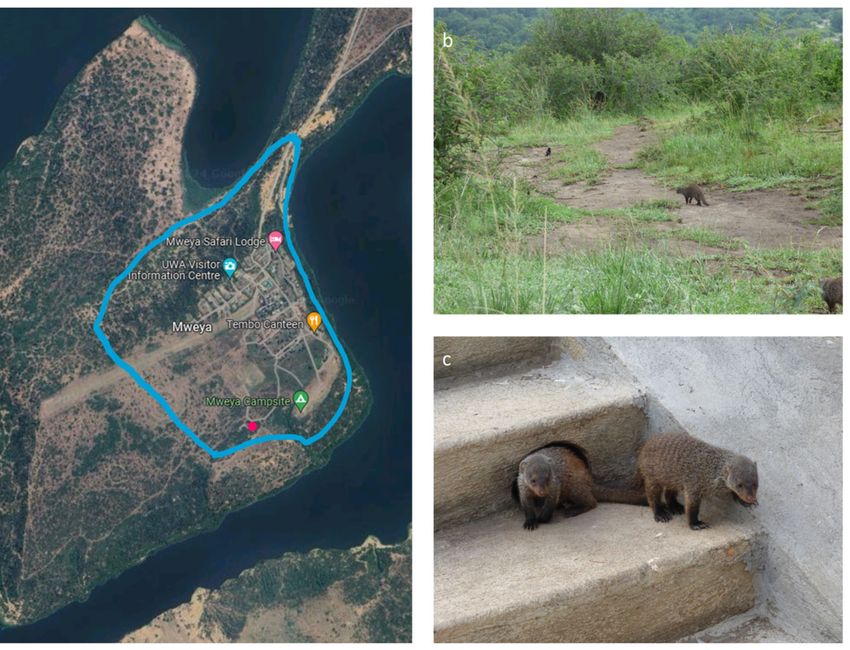
Banded Mongooses Had Higher Surface Temperatures in Human-Modified Microhabitats
Thermal imaging of a wild group in Uganda found the highest body-surface temperatures on refuse and discarded straw,…
Read story →SPECIES IN THIS STORY
Species in this story
Independent research and conservation news archive
Did you find this information useful?
Wildlife Vagabond is independently built and maintained. Voluntary support helps cover source verification, hosting and continued work on research and conservation news.
Support Wildlife VagabondThe news archive will remain freely available.