
Serbian wild boar carry two viruses also found in domestic pigs
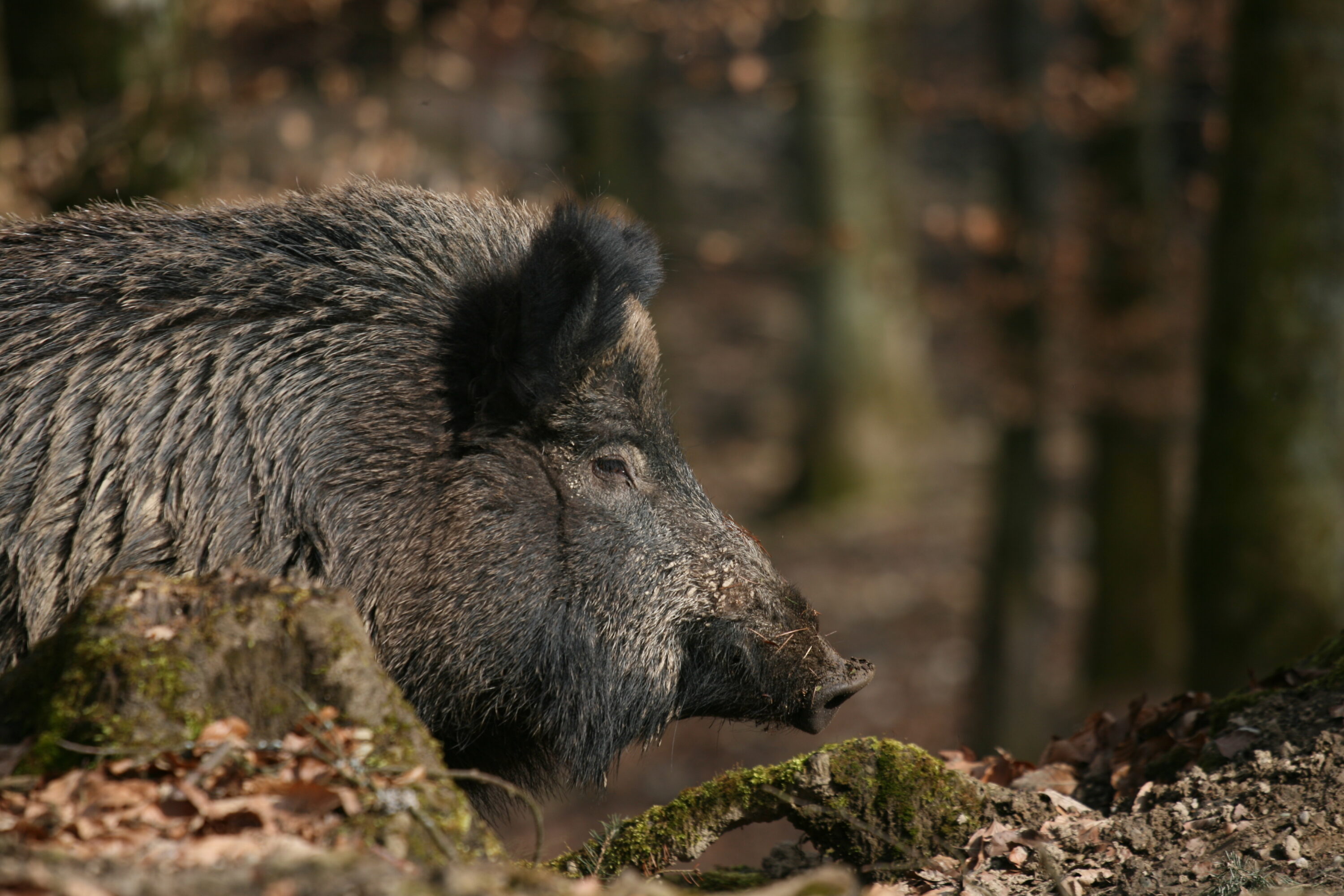
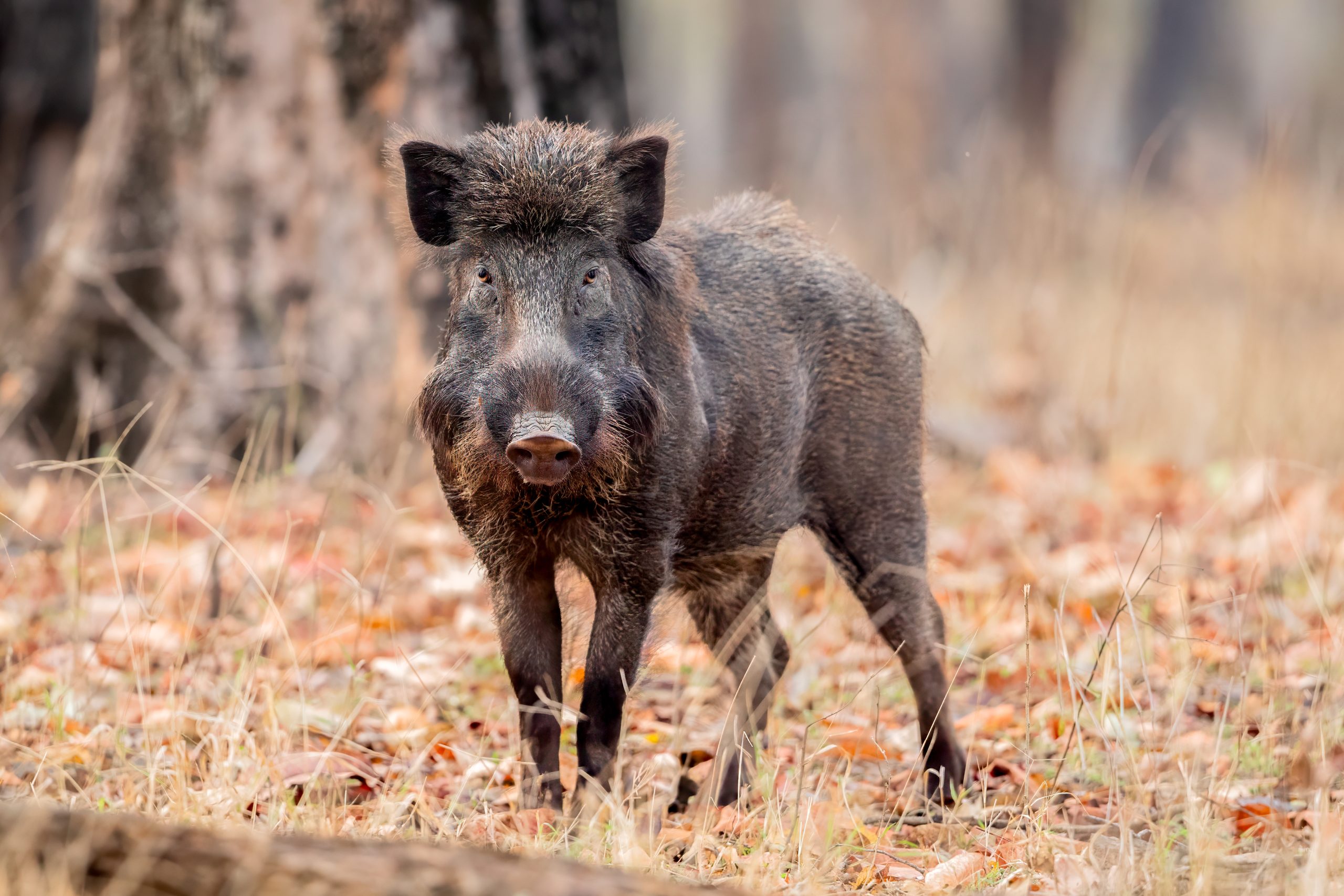
Wild boar (Sus scrofa) in Serbia carried DNA from two viruses also found in domestic pigs: porcine circovirus 2 (PCV2) and porcine circovirus 3 (PCV3). PCV2 is an essential infectious component of a disease complex in pigs. PCV3 has been detected in pigs with and without signs of illness, and its role in disease is less clear. Serbian data on the viruses in wild boar have mainly come from the east; West Bačka had not previously been surveyed. There, researchers found one or both viruses in 29 of 90 hunted wild boar—about a third of the animals sampled.
The animals were sampled during the 2021 and 2022 hunting seasons as part of routine monitoring for African and classical swine fever. Researchers tested pooled lymph node, tonsil and spleen tissue from each animal using real-time PCR, a method that detects specific viral genetic material. PCV2 DNA was found in 17 animals (18.9%) and PCV3 DNA in 12 (13.3%); no animal tested positive for both. Detection of viral DNA does not by itself show whether an animal was actively ill.
Wild and domestic pigs can come into contact, making viruses in wild populations relevant to monitoring infection in both. This study, however, did not investigate how the viruses moved between animals.
The viral sequences fit regional diversity
Researchers sequenced only samples containing enough viral DNA: four of the 17 PCV2-positive samples and five of the 12 PCV3-positive samples. The PCV2 sequences covered part of the gene for the capsid, the protein shell around the virus’s genetic material. Three were classified as PCV2b and one as PCV2d. They fell within genetic diversity already reported from Serbian wild boar and European domestic pigs; none formed a distinct lineage in the study’s comparison.
The five PCV3 samples yielded complete genomes. These differed from one another by no more than 1.46% and met the study’s criteria for PCV3-a, a broad grouping that includes most sequences in the comparison. PCV3 genotype classification is contested, so PCV3-a here is the framework used by the researchers, not a settled label. The genomes were closely related to previously reported sequences but did not form a separate wild-boar cluster.
The closest complete-genome reference sequences came mainly from domestic pigs in Serbia and Hungary. A screen flagged two possible recombination signals in the PCV3 analysis, but neither met the study’s criteria for an accepted event. A separate analysis found that inferred genetic relationships shifted near the capsid gene; the same pattern occurred among reference sequences without the new wild-boar genomes, so it cannot be attributed to the West Bačka viruses. The sequences show that both viruses circulate in this wild-boar population and fit regional diversity also found in domestic pigs, but they cannot establish whether the viruses pass between the two hosts or in which direction.
Disease, parasites & microbiology
Related news
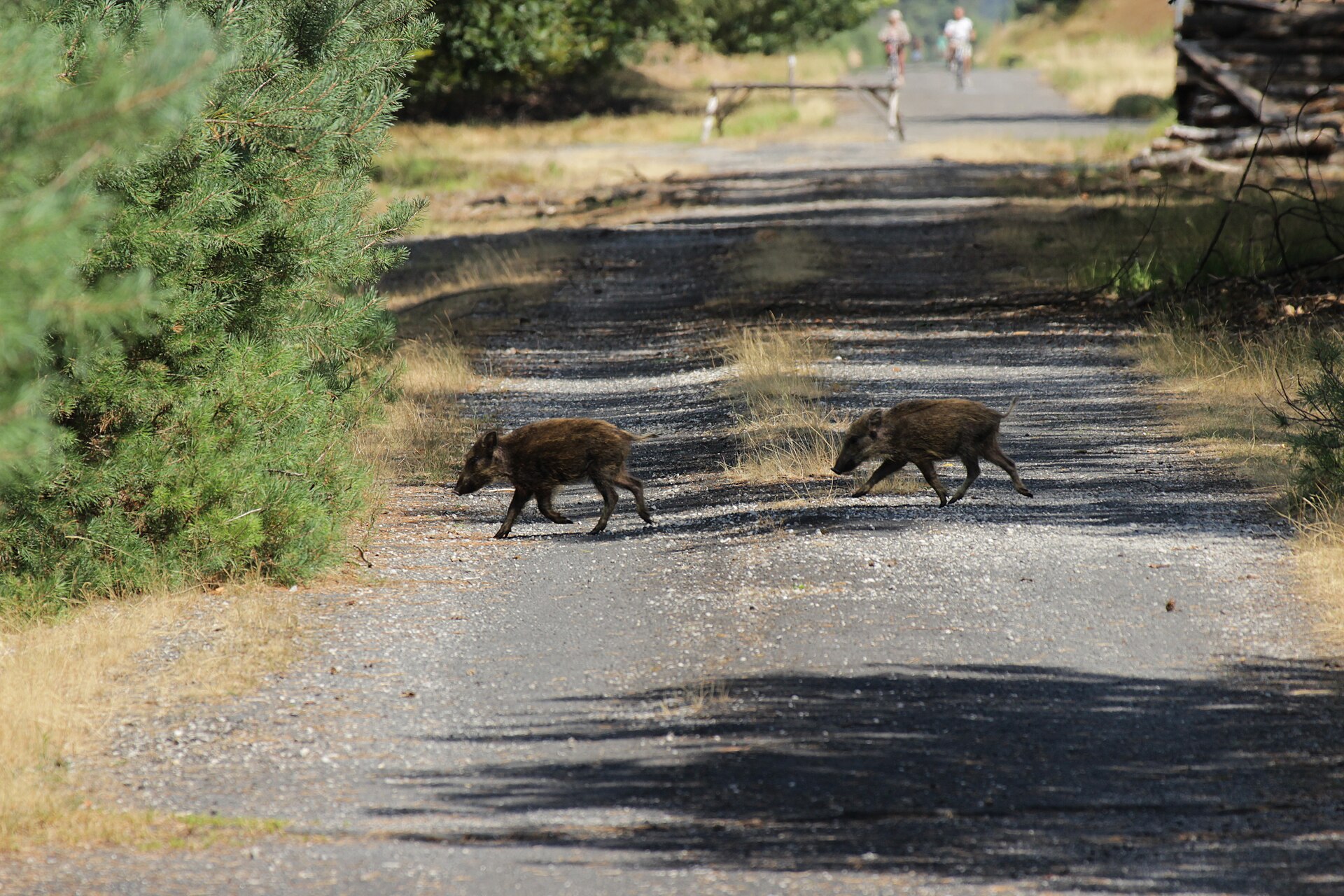
Wild boar stories reveal different memories of state power on the Hungarian–Slovenian border
In Rábavidék and Goričko, people told stories that the state had released wild boar to damage peasant farming.…
Read story →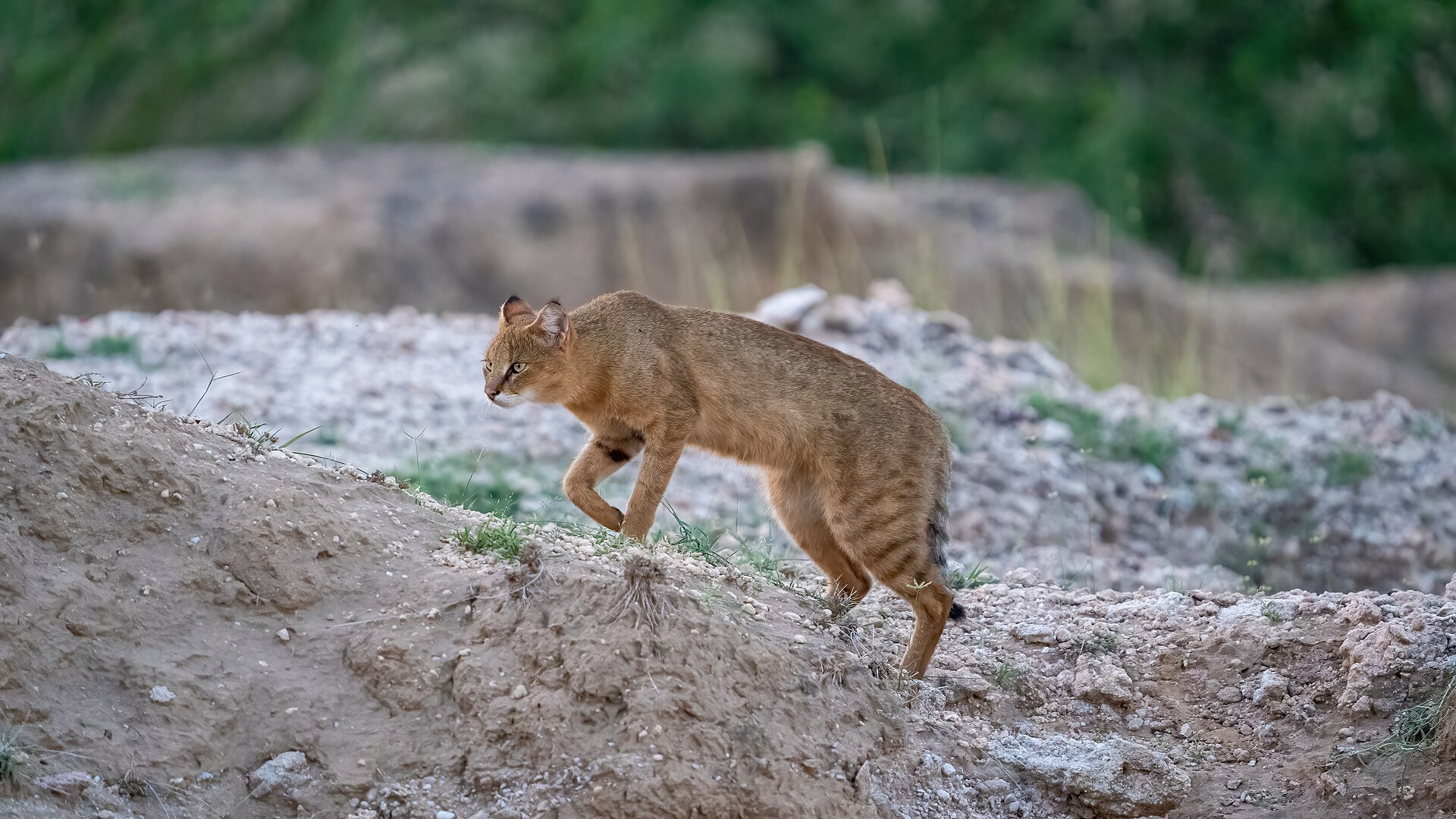
Seven mammal species recorded in Uzbekistan’s Aralkum park, including jungle cats and wild boar
The survey recorded 21 jungle cat records and seven wild boar records. Jungle cats were associated with water…
Read story →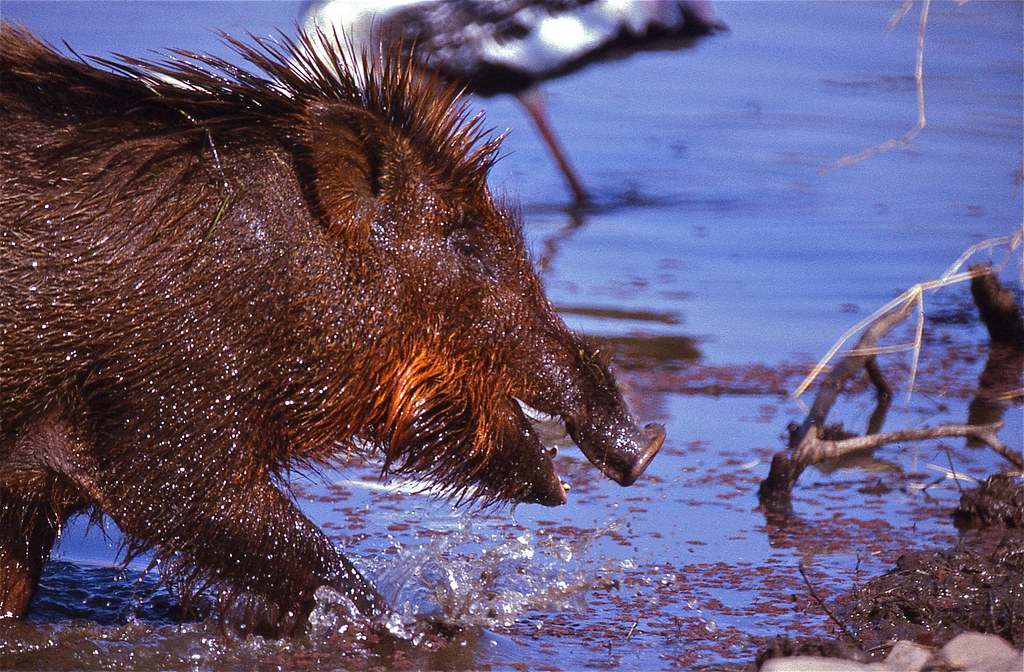
Wild boar become more nocturnal on warmer days
Camera traps at 208 sites in eight Mediterranean protected areas linked warmer days to more nighttime activity in…
Read story →SPECIES IN THIS STORY
Species in this story
Independent research and conservation news archive
Did you find this information useful?
Wildlife Vagabond is independently built and maintained. Voluntary support helps cover source verification, hosting and continued work on research and conservation news.
Support Wildlife VagabondThe news archive will remain freely available.