
Where people may encounter elephants, buffalo, hippos and hyenas in Tanzania
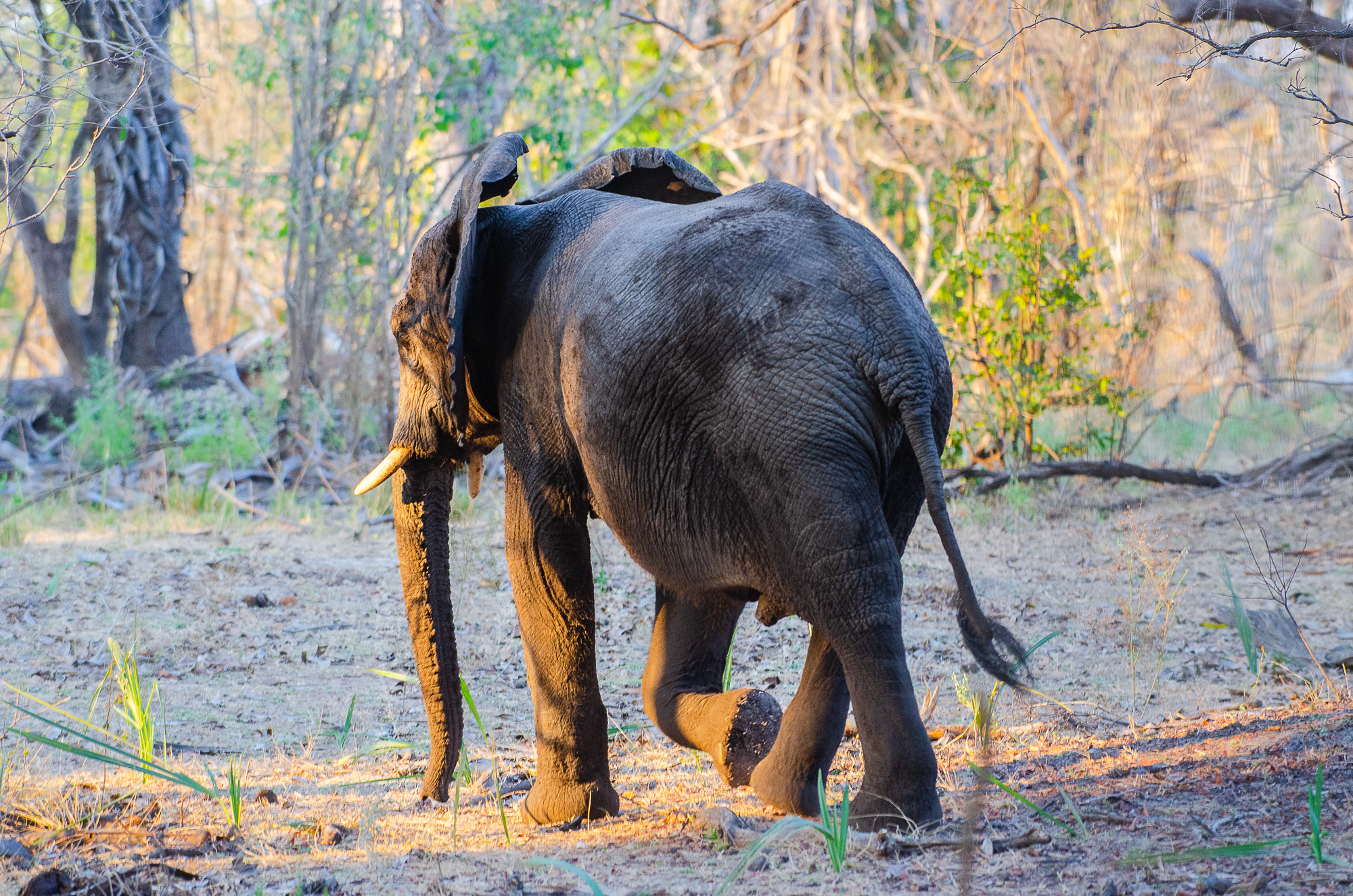
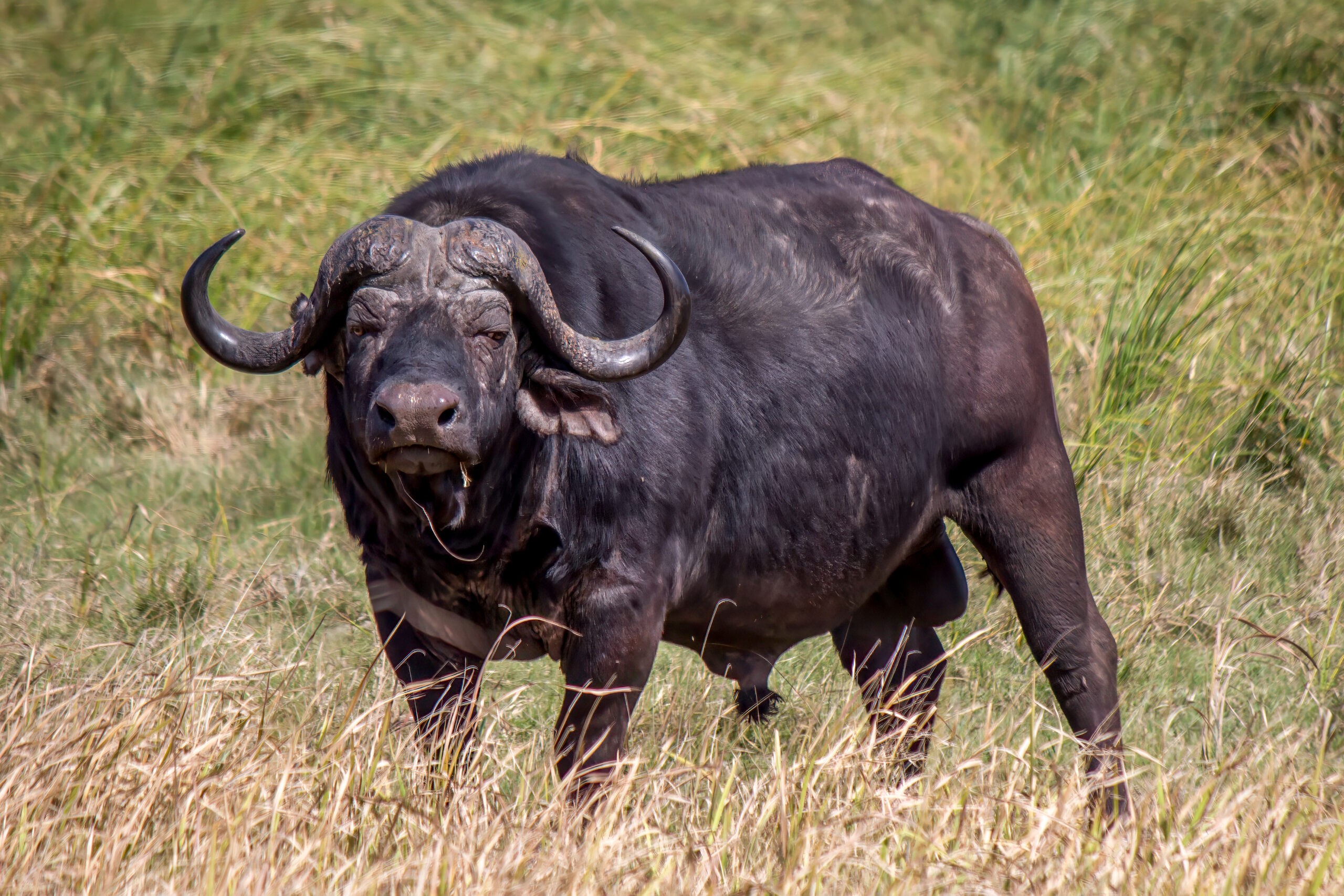
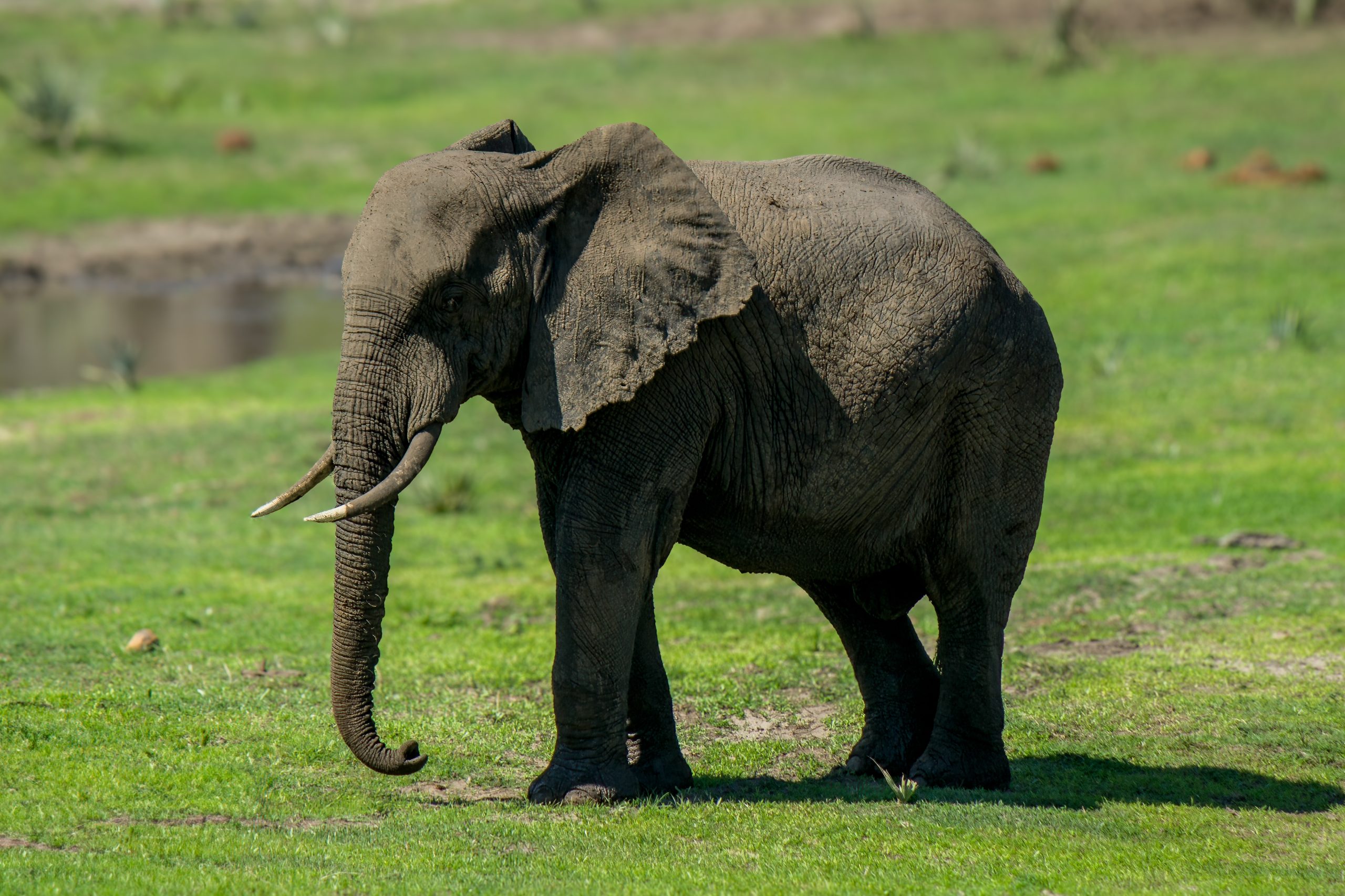
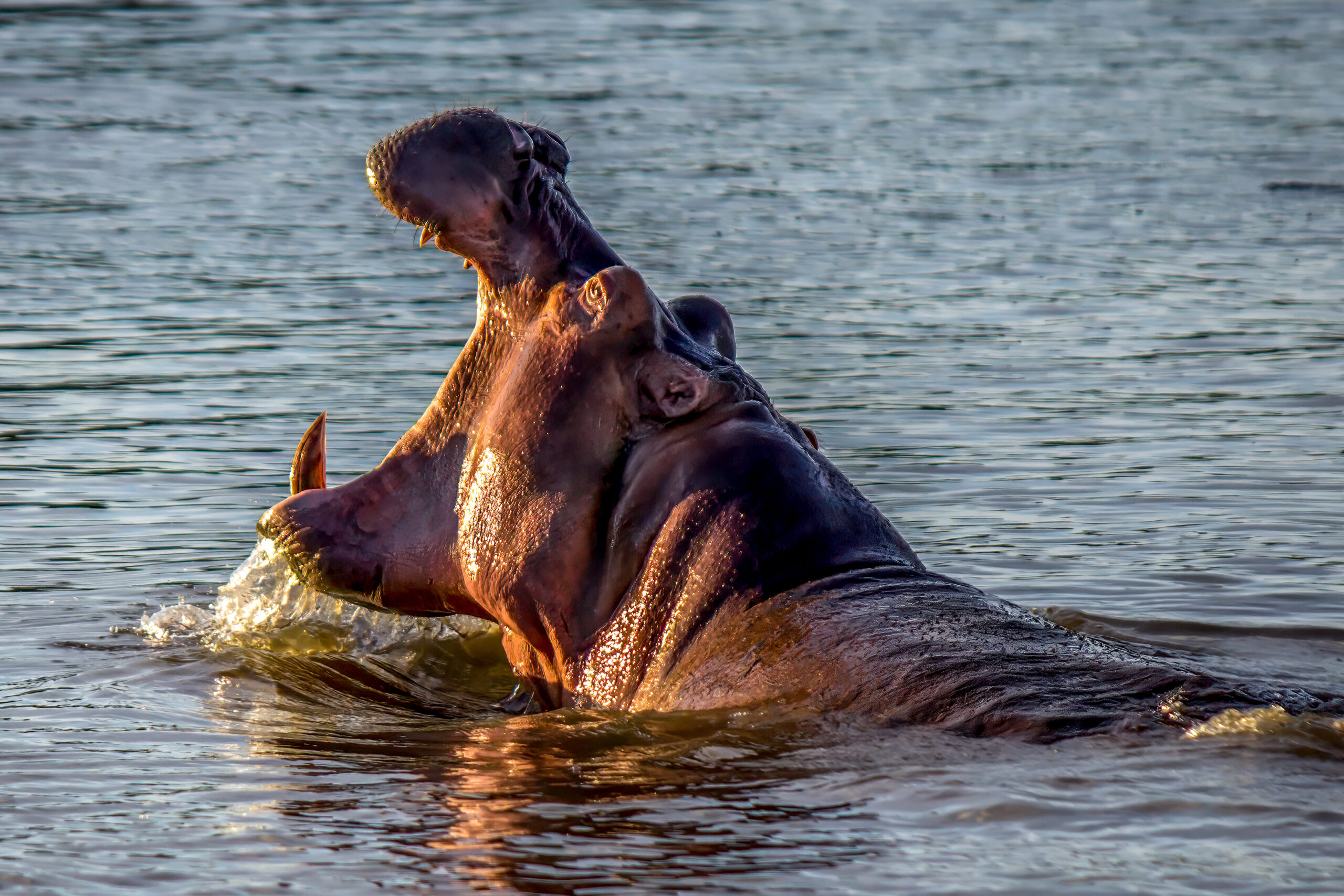
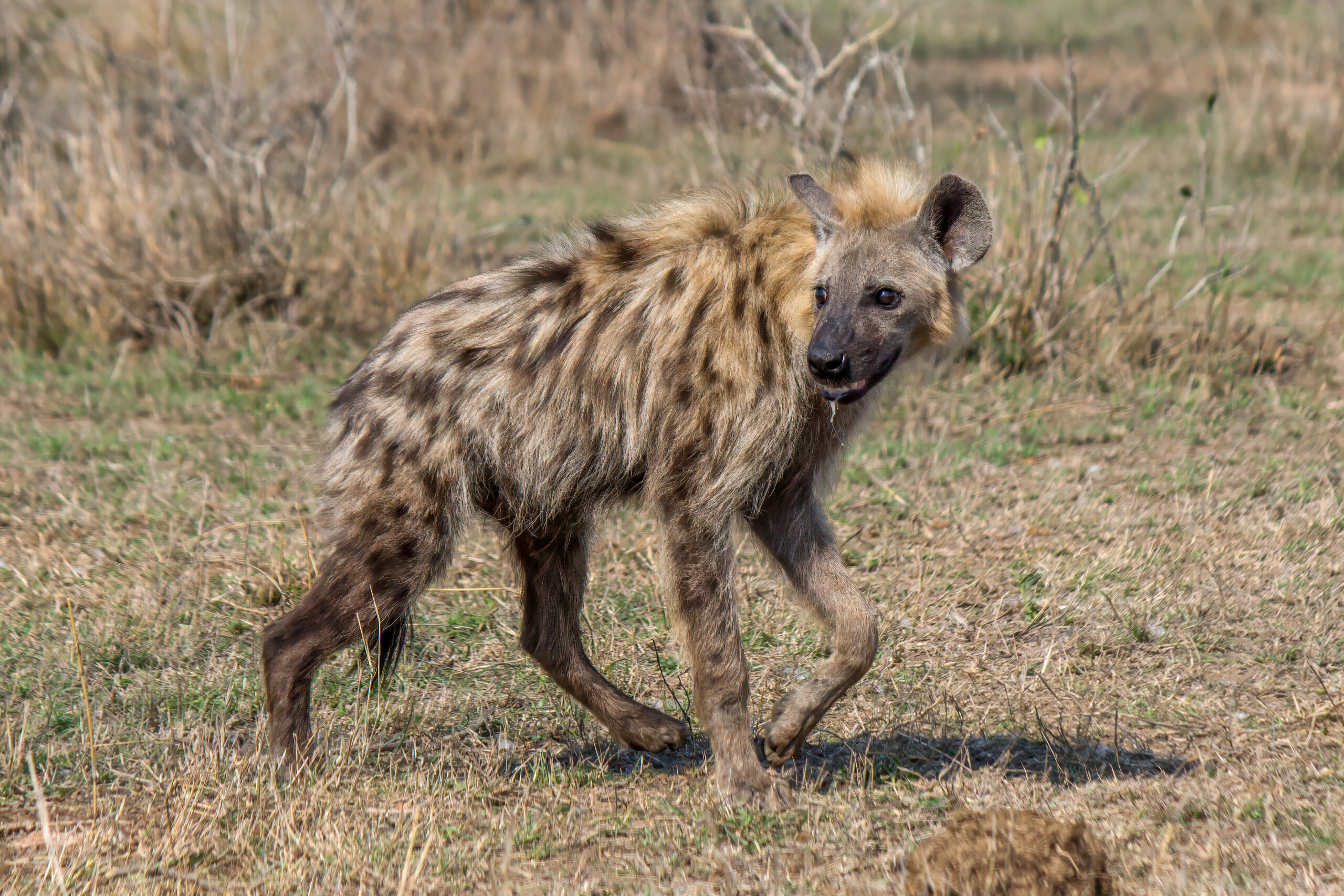
People and large mammals can use the same landscape without meeting in the same places. In and around the community-led Ifakara-Lupiro-Mang’ula Wildlife Management Area and Nyerere National Park in southern Tanzania, a study mapped where signs of human activity overlapped with signs of African bush elephants (Loxodonta africana), African buffalo (Syncerus caffer), common hippopotamuses (Hippopotamus amphibius) and spotted hyenas (Crocuta crocuta).
In the bioRxiv preprint, the researchers reanalysed survey data collected over one year. They compared signs of recent wildlife activity, such as tracks and spoor, with signs of human activity. Where these overlapped, the maps indicated places with potential for encounters—not locations where actual encounters or conflicts had been recorded.
Each species had different overlap hotspots
Potential encounters with elephants and buffalo were associated with authorized fishing camps inside the wildlife management area and with the transition between heavily disturbed land and largely intact natural cover. For hippos, the greatest potential overlap was concentrated mainly around two riverbeds. Spotted hyenas showed a different pattern: their potential encounter areas were more closely associated with established villages and converted land near the western boundary of the management area.
The different patterns suggest that no single measure is likely to reduce conflict with all four species. The authors argue for targeted measures that keep people and animals apart, or protect them where their activities coincide. Mapping signs of activity could help managers act before encounters develop into conflicts.
Ecology
Related news
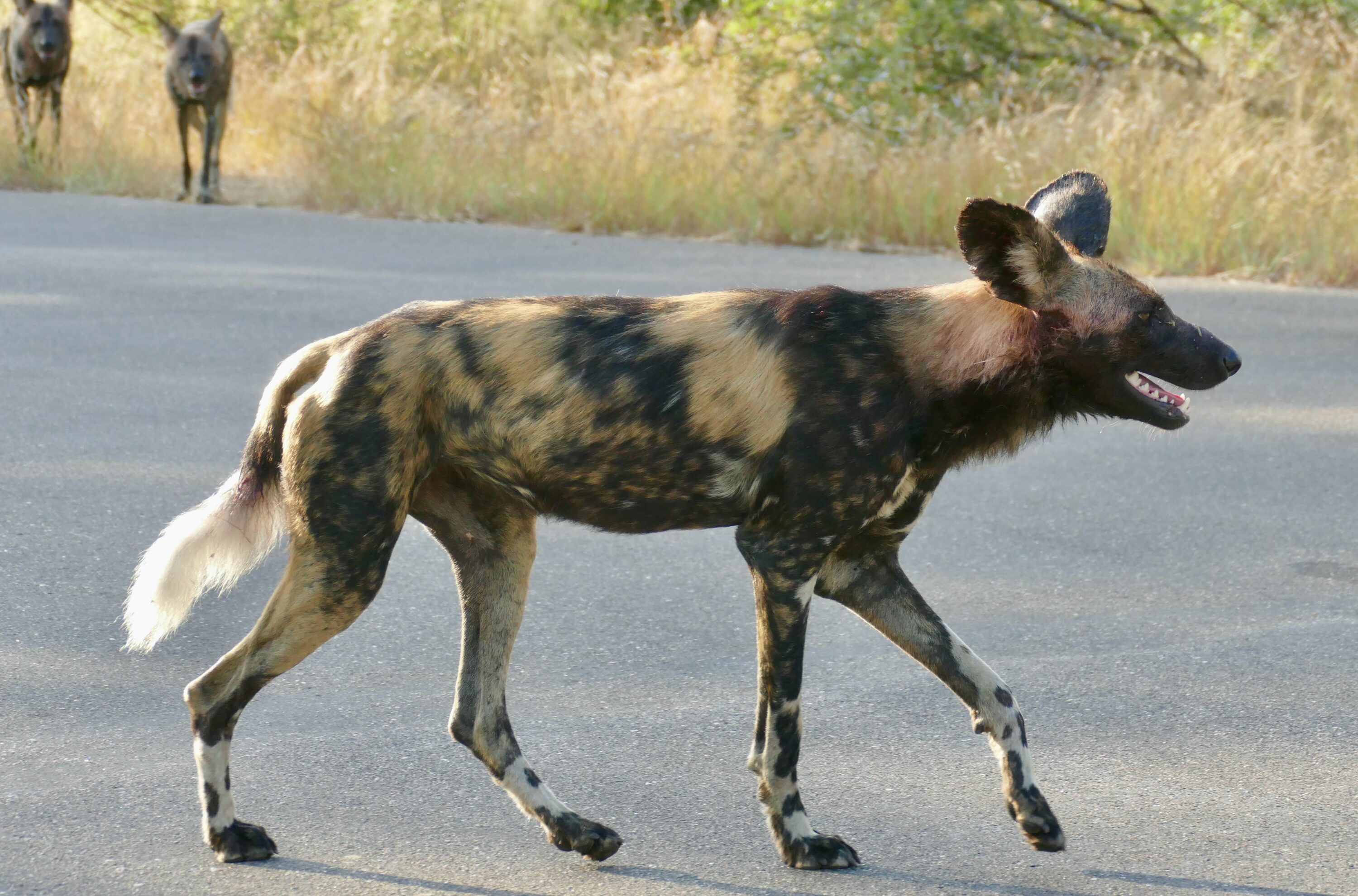
Food Leaves Its Mark on the Gut Bacteria of Kruger’s Wildlife
Gut bacteria in nine mammal species from Kruger National Park followed clear patterns linked to food and digestion.…
Read story →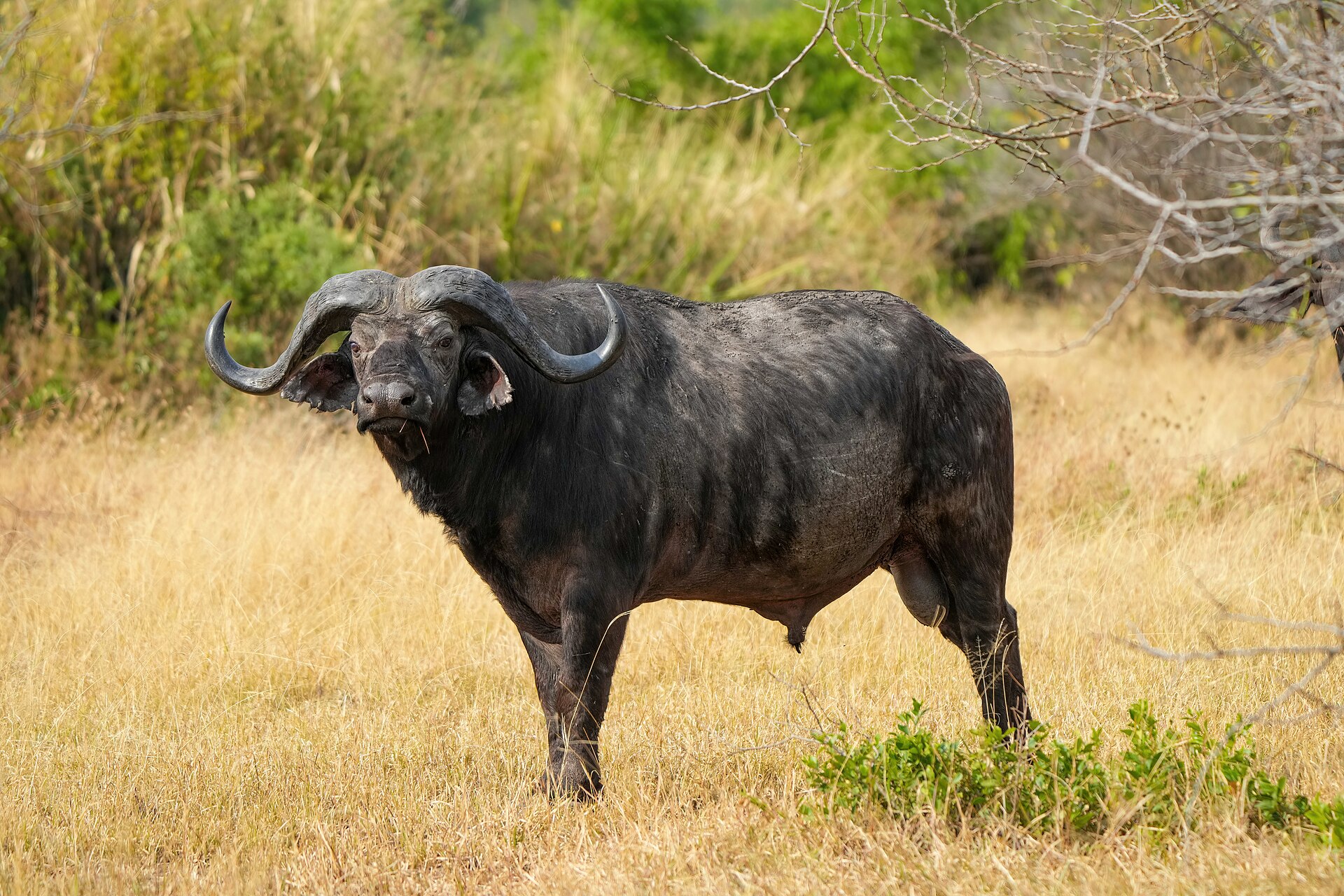
Elephants and buffalo showed the clearest signs of range expansion after translocation in Malawi
A six-year camera-trap study in Nkhotakota Wildlife Reserve found the clearest signs of establishment and expansion in African…
Read story →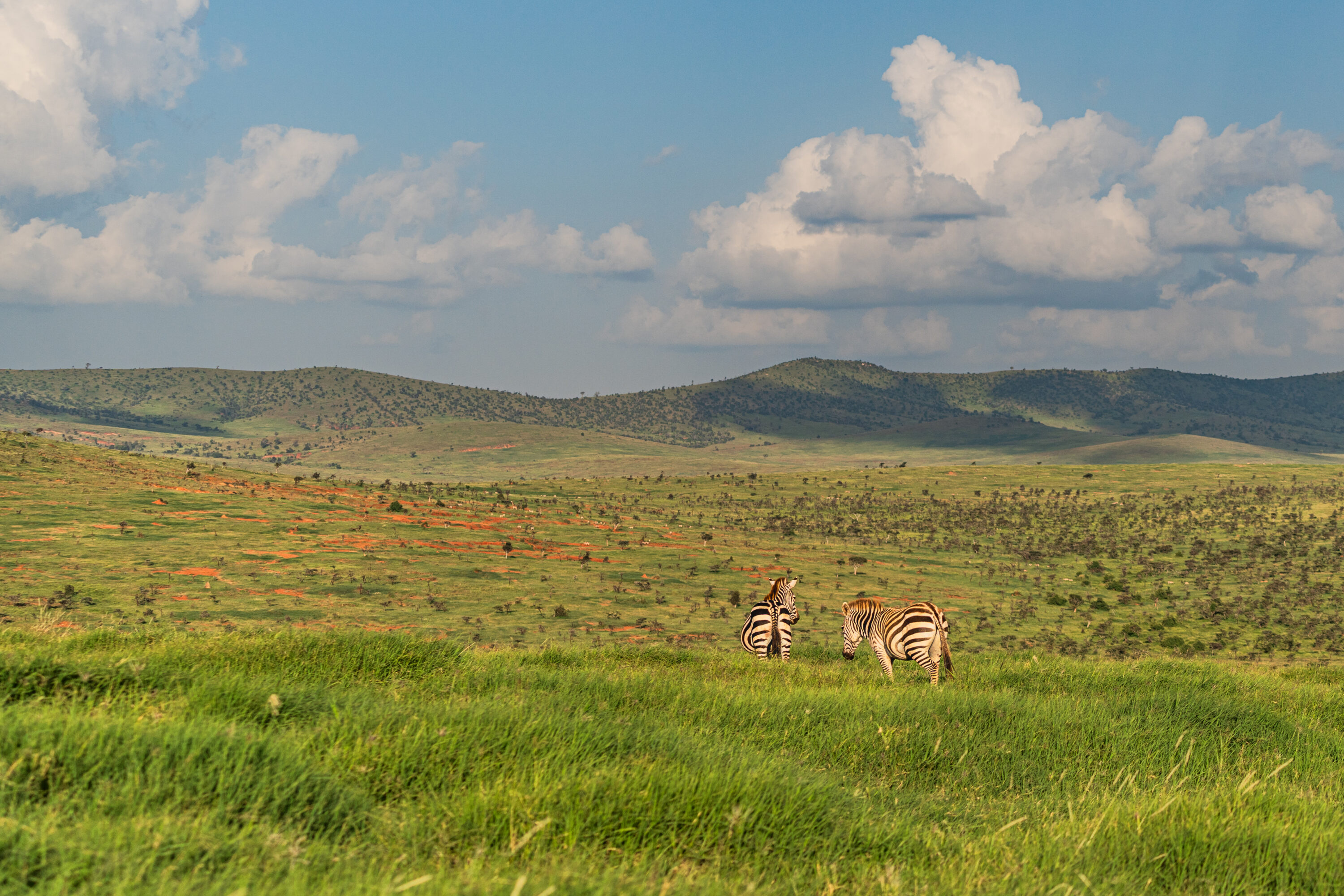
First Reported Giardia Detections in Four Wild Herbivore Species in Kenya
Molecular screening of wildlife and livestock in Laikipia produced the first reported Giardia detections in African buffalo, plains…
Read story →SPECIES IN THIS STORY
Species in this story
Independent research and conservation news archive
Did you find this information useful?
Wildlife Vagabond is independently built and maintained. Voluntary support helps cover source verification, hosting and continued work on research and conservation news.
Support Wildlife VagabondThe news archive will remain freely available.