
Song Thrush Fledging Success Ranged From 52% in Bushes to 78% in Urban Forests
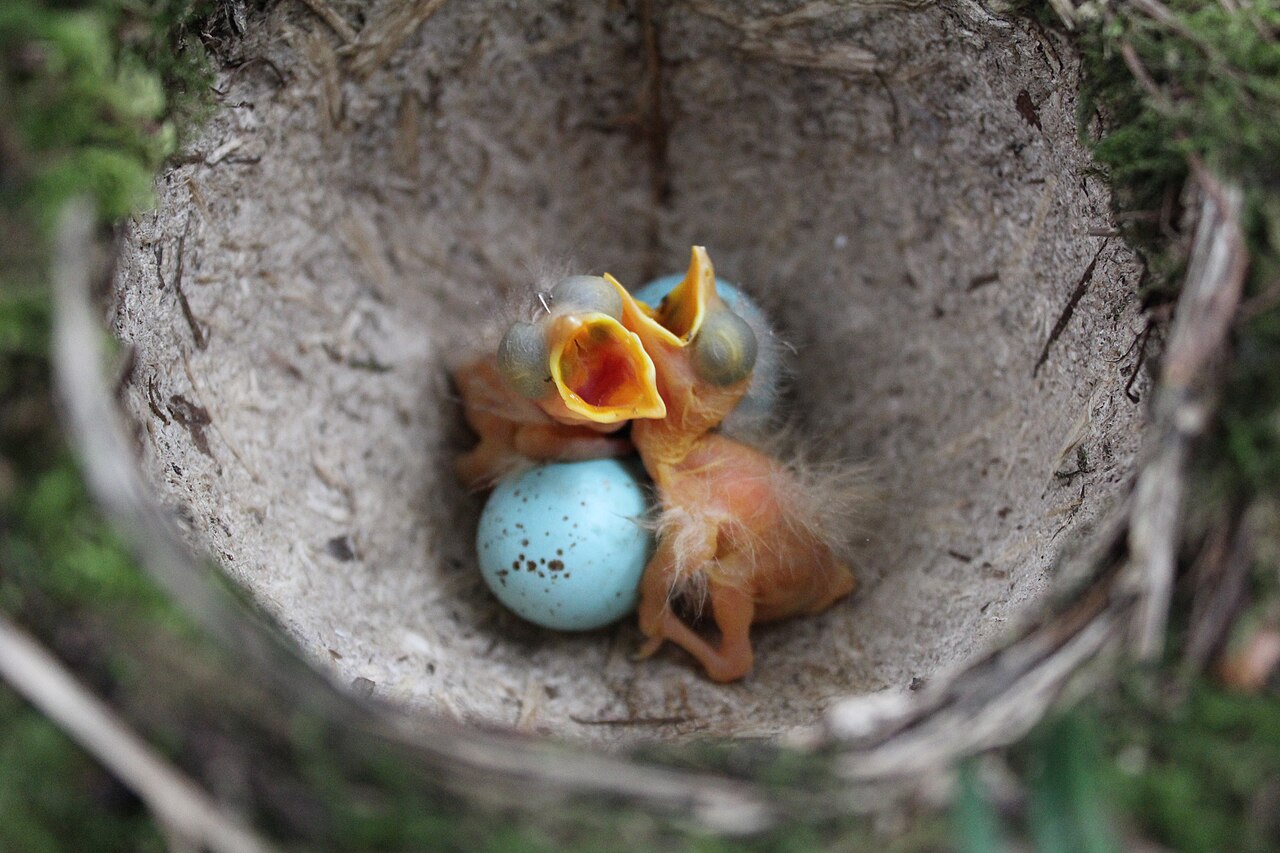
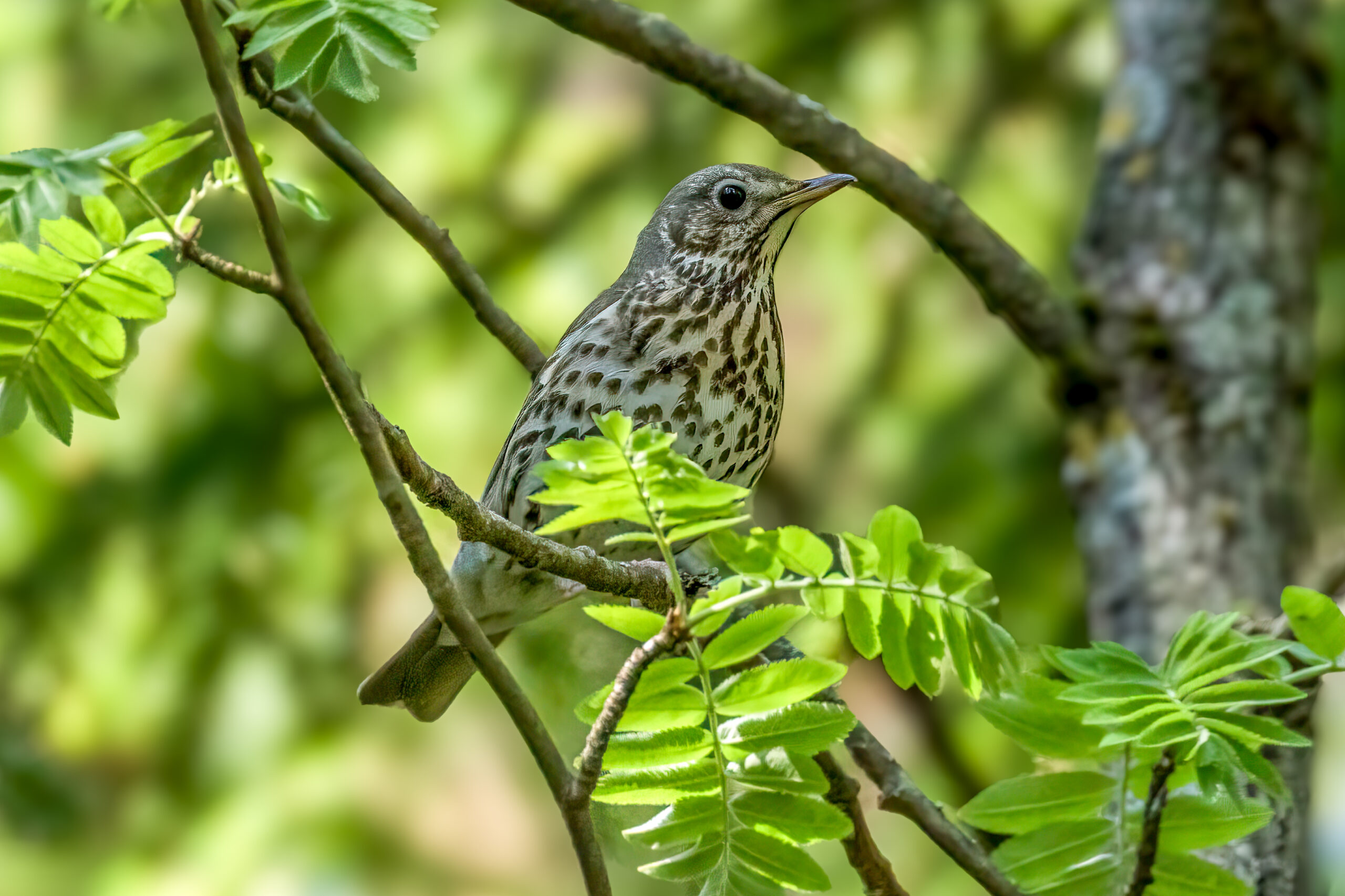
Hatching and fledging success of song thrush (Turdus philomelos) varied strongly among urban, suburban and peri-urban habitats around Stepanakert in Nagorno-Karabakh. A seven-year study published on 20 April 2026 found that the share of hatched chicks reaching fledging age was lowest in bush habitats, at 52.2%, and highest in urban forests, at 78.2%.
Researchers followed the nesting ecology of song thrushes from 2017 to 2023 in parks, gardens, orchards, cemeteries, shrub habitats and forests. They recorded 278 nests and 1,277 eggs in 269 nests, documenting nest placement, nesting plants, clutch characteristics and the fate of eggs and chicks.
Most eggs hatched, but fewer chicks reached fledging
Of the 1,277 eggs monitored, 1,119 hatched, corresponding to 87.6%. A total of 818 chicks reached fledging age, equivalent to 73.1% of hatched chicks and about 64% of all recorded eggs.
The share of eggs that hatched ranged from 78.5% in groves to 94.4% in urban forests. The authors interpret the higher reproductive success in less disturbed, structurally richer habitats as evidence that habitat structure and anthropogenic pressure influence breeding outcomes. They specifically suggest that the low fledging success in bush habitats may partly reflect nest height: nests there averaged about 1.5 metres above the ground, compared with about 4.3 metres in urban forests, potentially leaving eggs and chicks in low shrubs more exposed to predators.
Nests were concentrated on broadleaved trees
Of the 278 nests found, 172 — 61.9% — were placed in broadleaved trees. Another 43 were in conifers, 53 in broadleaved shrubs and 10 in coniferous shrubs. Nest height also differed clearly among habitats, reinforcing that the birds did not use the same nesting structure across the urban-to-peri-urban gradient.
Breeding extended over a long season, with the first reproductive phase beginning in early March and a second period around late May or early June. The researchers describe the species as behaviourally flexible across the urban-to-peri-urban gradient.
Reproduction & development
Related news
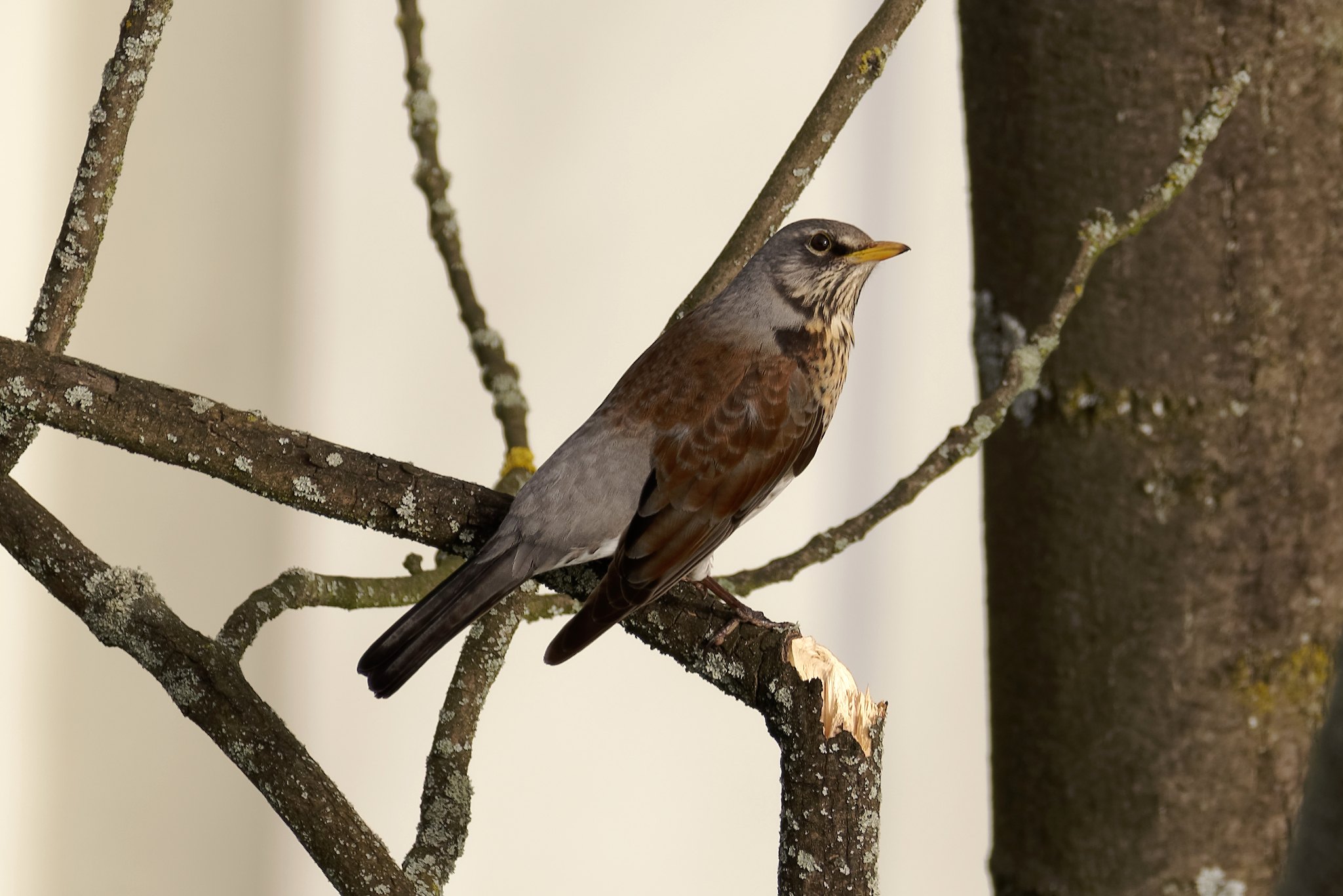
Fieldfare and Song Thrush Confirmed as New Intermediate Hosts of Sarcocystis turdusi
Across 72 dead thrushes from Lithuania and Russia’s Kaliningrad region, DNA confirmed fieldfare and song thrush as new…
Read story →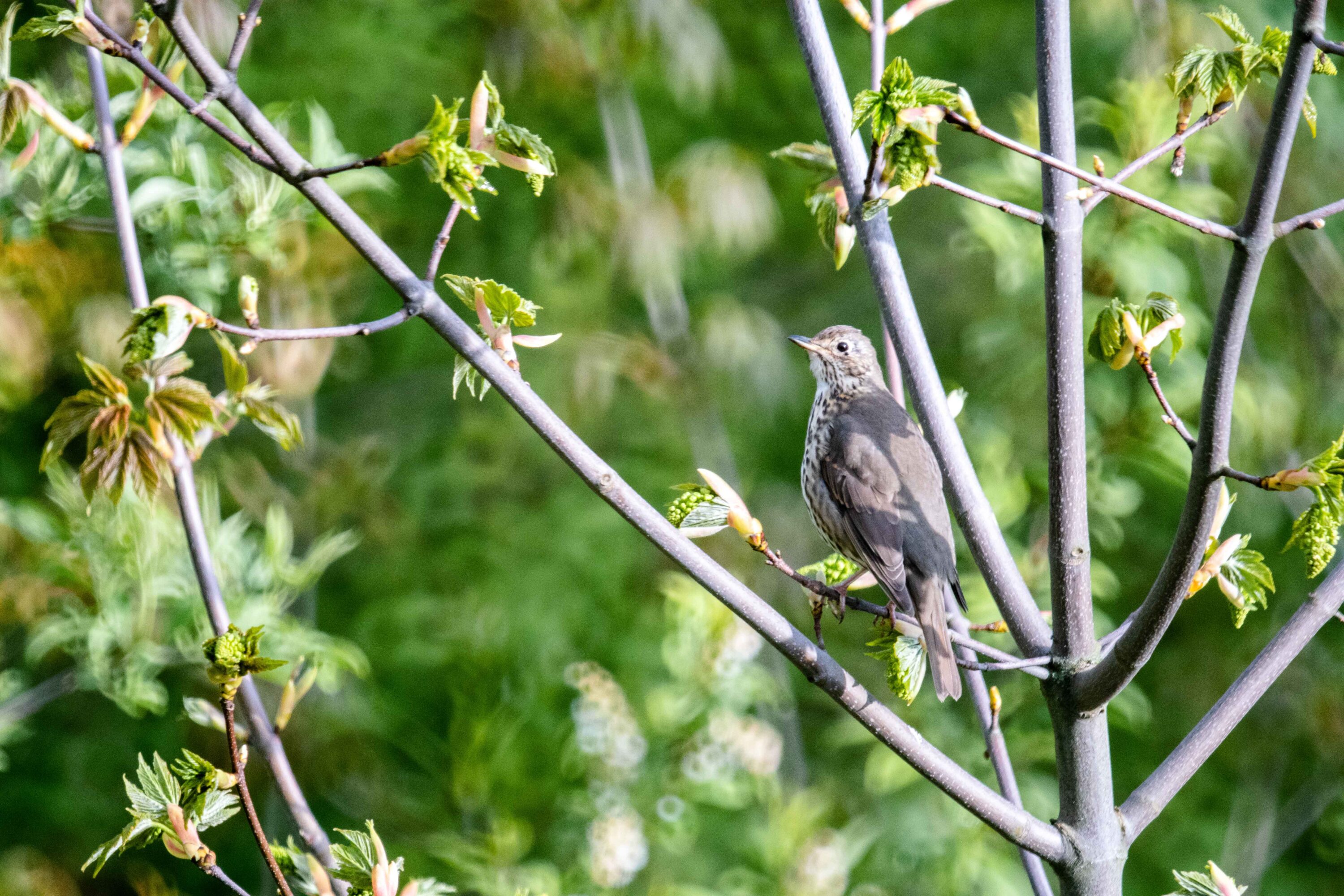
First Known Song Thrush Breeding Population Reported in Sicily’s Nebrodi Mountains
A 2026 note reports the first known breeding population of Song Thrush in Sicily’s Nebrodi Mountains. A nesting…
Read story →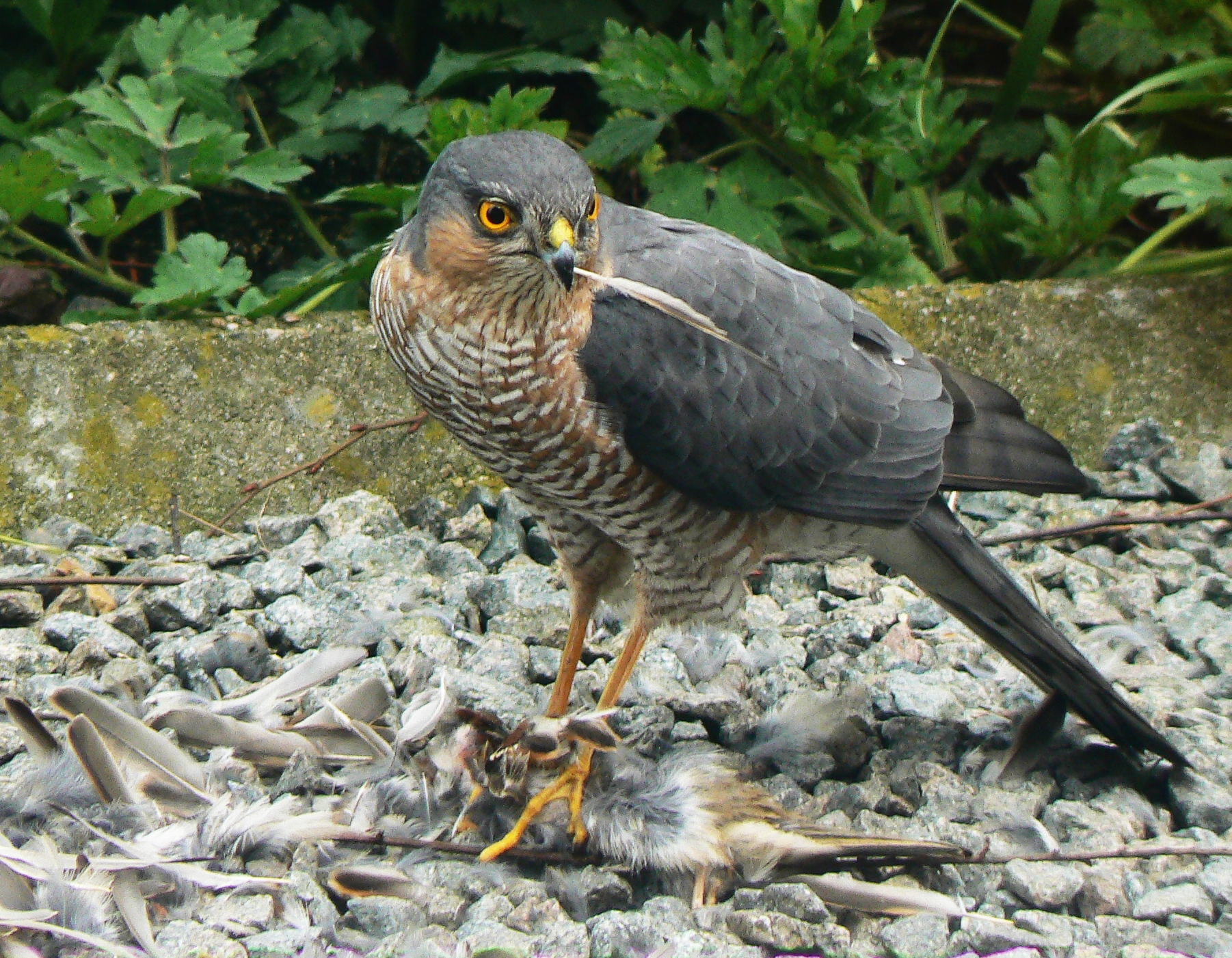
Habitat and Prey Traits Shaped Sparrowhawk Diet Around 62 Czech Nests
A 2026 Czech study of 1,107 prey items from 62 Eurasian sparrowhawk nests found that diet composition varied…
Read story →SPECIES IN THIS STORY
Species in this story
Independent research and conservation news archive
Did you find this information useful?
Wildlife Vagabond is independently built and maintained. Voluntary support helps cover source verification, hosting and continued work on research and conservation news.
Support Wildlife VagabondThe news archive will remain freely available.