
South Africa replaces separate black- and white-rhino plans with one 2025–2035 framework
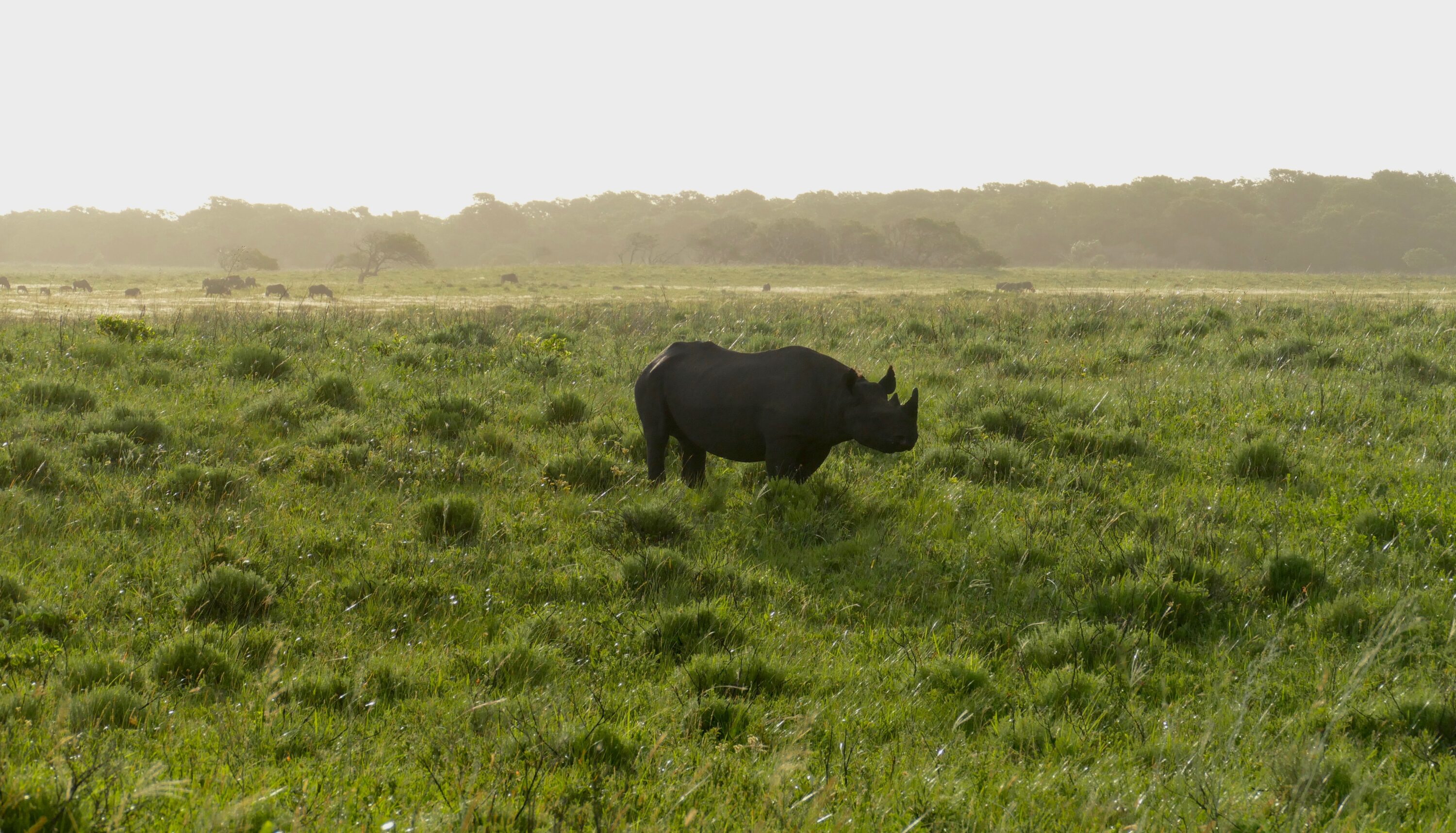
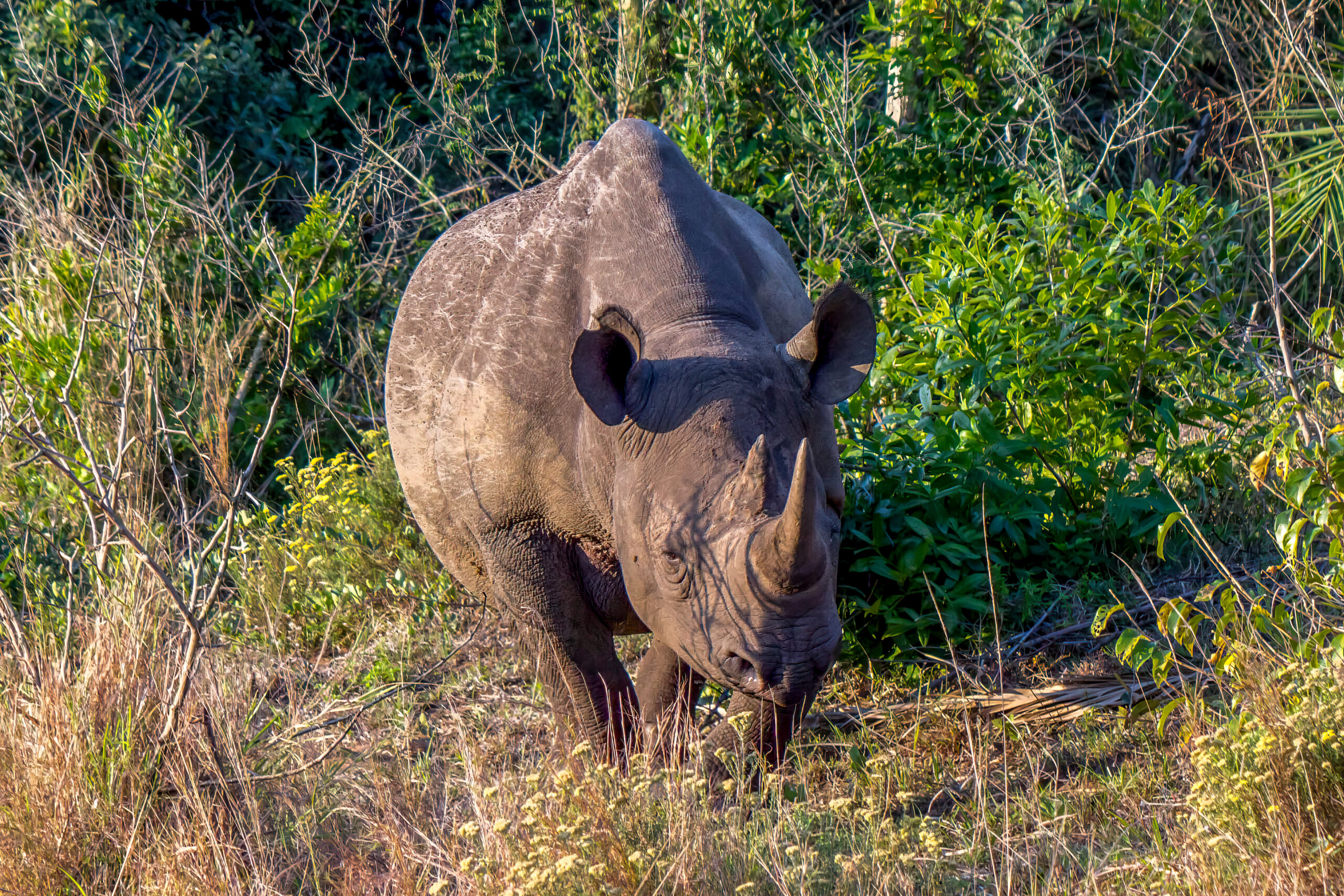
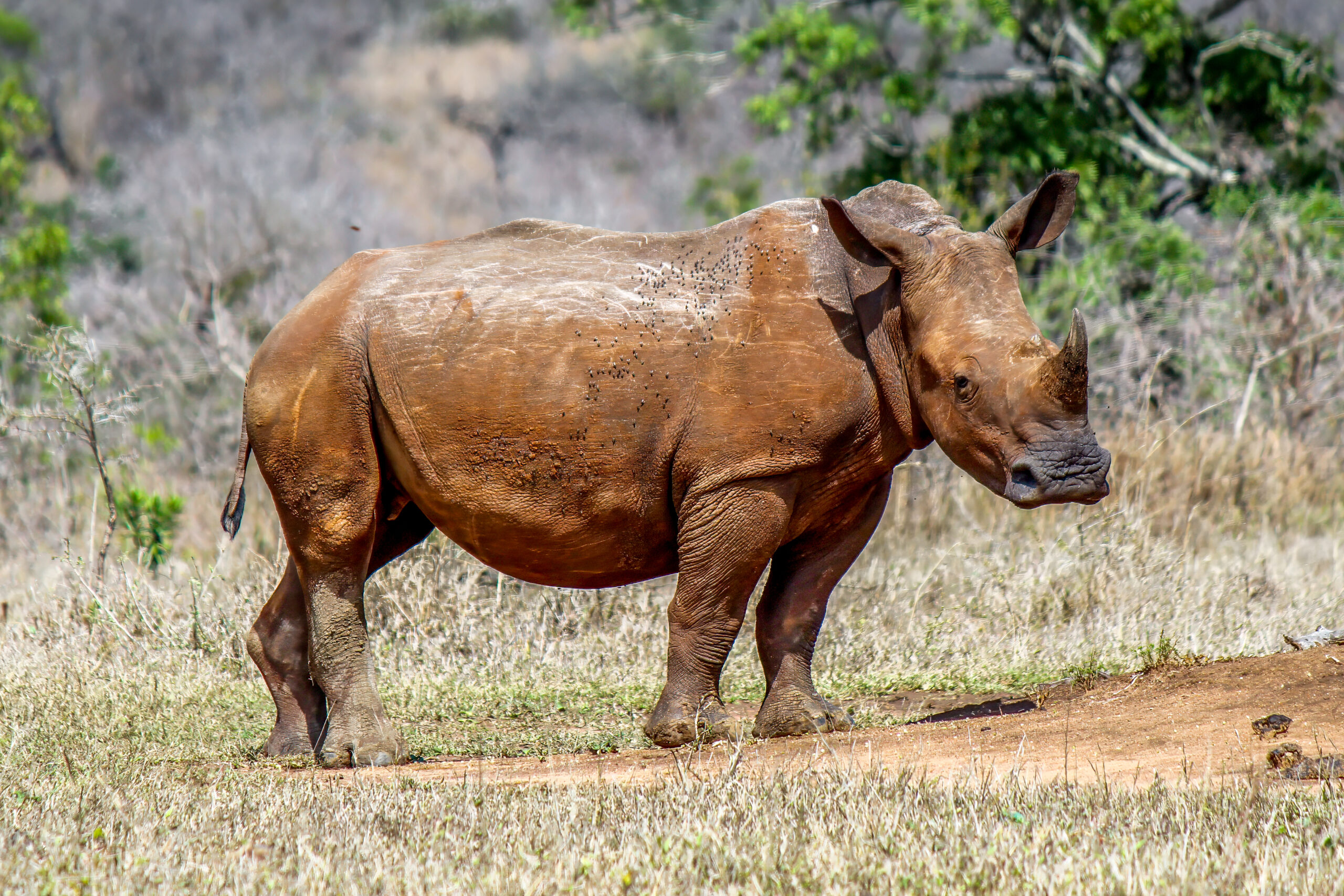
South Africa has brought the national management of black rhinoceros (Diceros bicornis) and white rhinoceros (Ceratotherium simum) under a single Biodiversity Management Plan for 2025–2035. The final plan was published in the Government Gazette on 14 April 2026 and formally replaces the separate black-rhino plan from 2013 and white-rhino plan from 2015.
The new framework is intended to guide rhino conservation within South Africa while also supporting cooperation with other African range states. Its overall goal is to cooperatively manage viable and secure national metapopulations of both species while linking rhino conservation to broader biodiversity objectives, participation and benefits for people.
Five objectives combine biological management, security and participation
The plan is organised around five main objectives. The first concerns biological management of both species, including national metapopulation planning and species-recovery requirements. A second objective focuses on stronger enforcement and security. The remaining three address transformation and community empowerment, management of legal demand and reduction of illegal demand for rhino derivatives, and more effective implementation and development of legislation and policy.
The five primary objectives are supported by three enabling objectives: sustainable financing; effective communication; and technology, innovation and capacity. Research, monitoring and coordination are incorporated through the detailed implementation actions under this wider structure. The implementation programme includes separate national metapopulation management plans for black and white rhinos, allowing animals held in many state, private and community-managed areas to be considered as parts of wider national populations rather than as isolated reserves.
The plan also places rhino conservation within a wider social and economic framework. Government authorities, conservation agencies, private landowners, communities, rhino owners and managers, researchers and other organisations are identified as participants in different parts of the implementation programme. The Department of Forestry, Fisheries and the Environment describes the approach as a whole-of-society framework rather than a plan implemented by government alone.
A national committee is intended to coordinate implementation
Responsibility for implementation initially rests with the Department of Forestry, Fisheries and the Environment. The gazetted notice assigns this role to the department until a National Rhino Conservation Coordination Committee is established. That multi-stakeholder committee is intended to coordinate implementation across the rhino-conservation sector under the department’s chairmanship.
By combining the two species in one statutory framework, the 2025–2035 plan does not treat black and white rhinos as biologically identical. Instead, it provides shared national objectives while retaining species-specific actions, including separate metapopulation planning and recovery requirements for each species.
Management
Related news
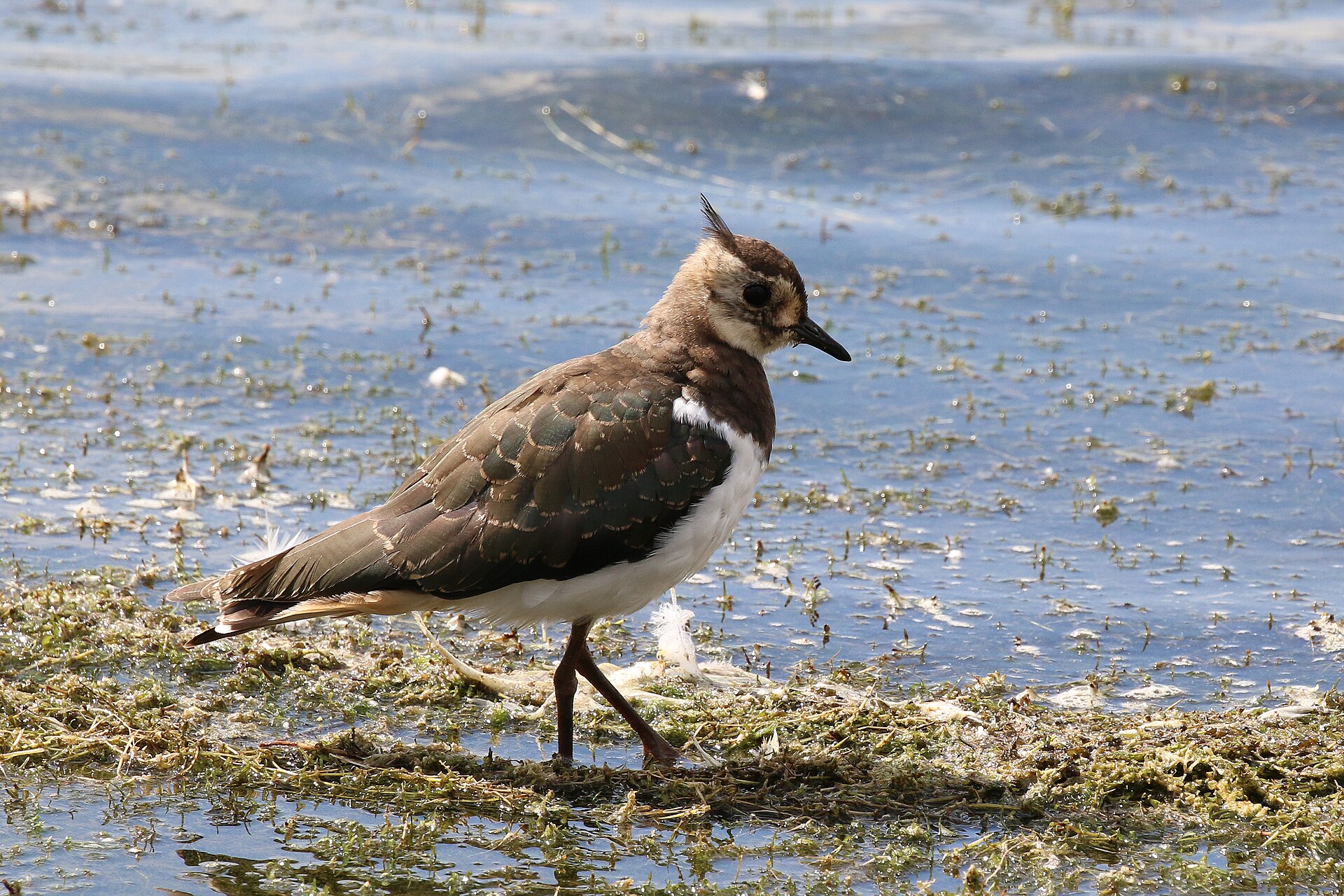
Lapwing and Oystercatcher Nesting Shifted in Opposite Directions With Latitude
Fifty years of UK nest records showed that northern lapwings nested later towards the north while Eurasian oystercatchers…
Read story →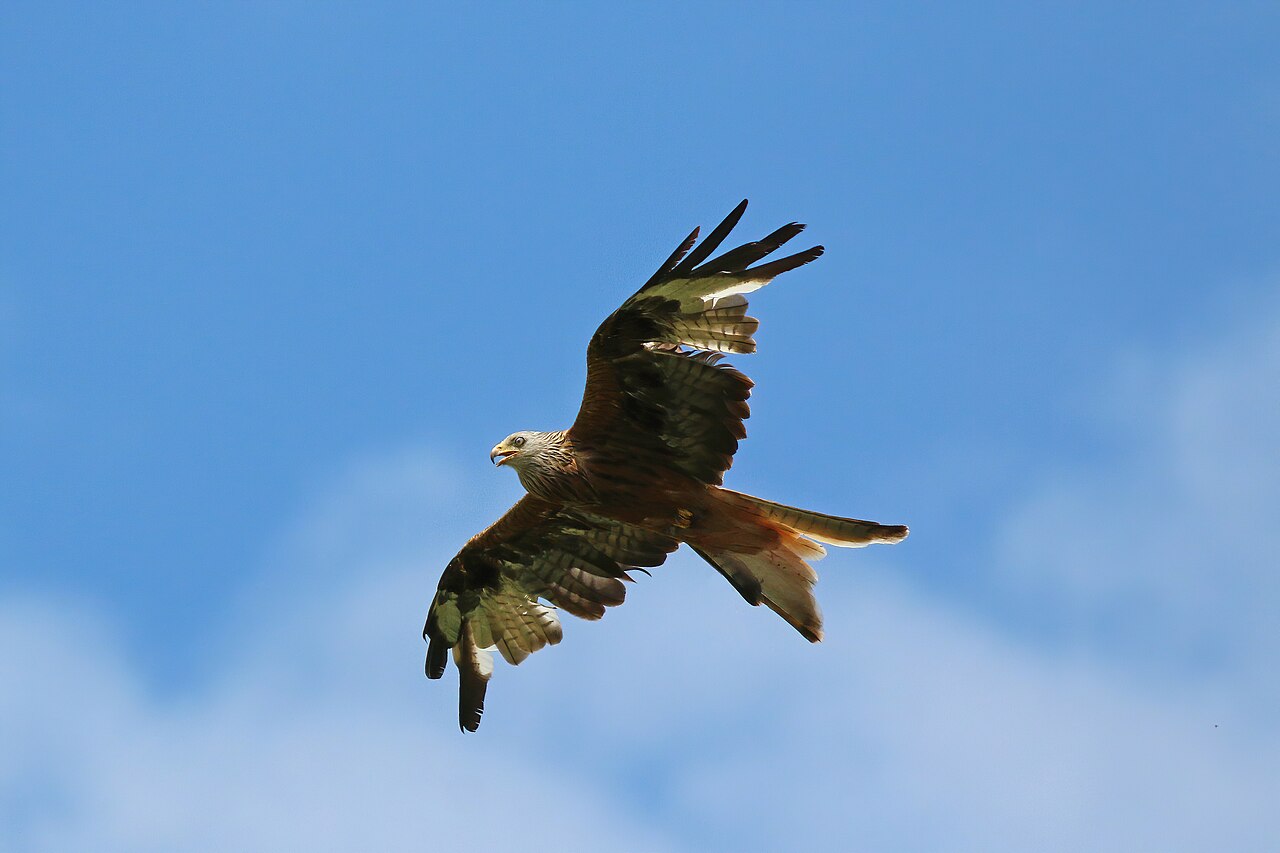
No Red Kite Deaths Were Recorded at a Retrofitted 48-Pylon Power Line Used by Reintroduced Birds
Twenty-one reintroduced red kites generated 802 GPS fixes around a 48-pylon power line retrofitted against electrocution in Jaén,…
Read story →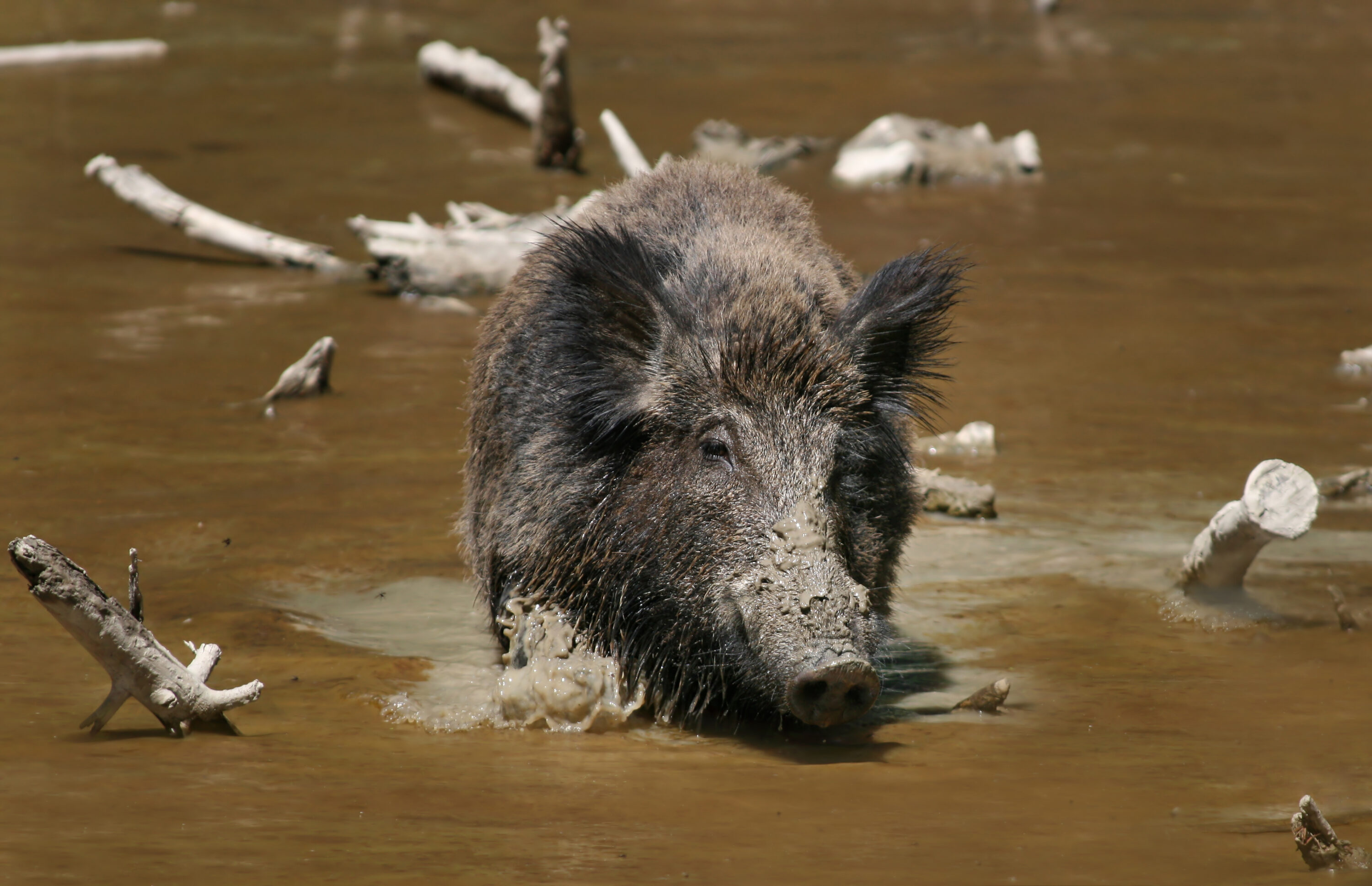
Researchers Recommend More Intensive Wild Boar Culling for Barcelona ASFV Variant
Barcelona’s dense peri-urban wild-boar population and an ASFV variant associated with apparently slower mortality led researchers to recommend…
Read story →SPECIES IN THIS STORY
Species in this story
Independent research and conservation news archive
Did you find this information useful?
Wildlife Vagabond is independently built and maintained. Voluntary support helps cover source verification, hosting and continued work on research and conservation news.
Support Wildlife VagabondThe news archive will remain freely available.