
Anatomical Study Documented Feeding Structures and Sex Differences in the Spur-winged Goose Digestive Tract
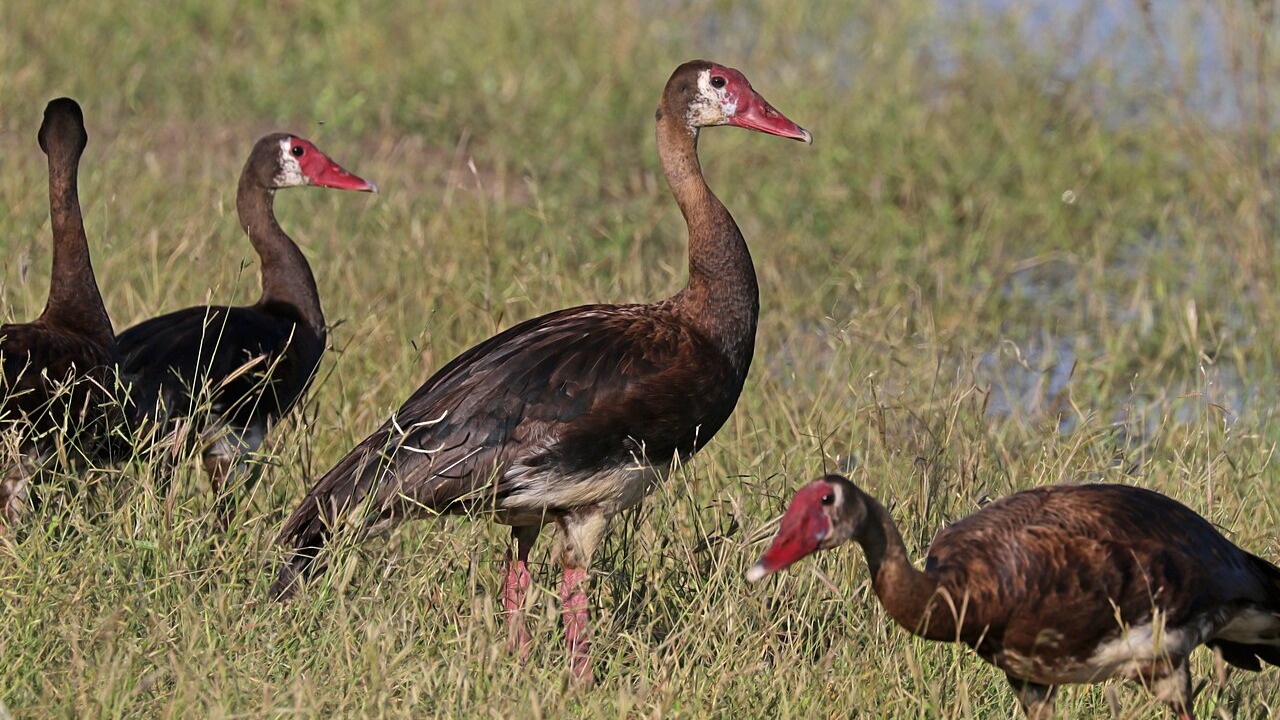
A study of the gross anatomy of the upper digestive tract in spur-winged geese (Plectropterus gambensis) has documented the shape, position and dimensions of structures from the beak to the gizzard. The article was published on 28 March 2026 in the Journal of Veterinary Anatomy.
Researchers examined ten apparently healthy adult birds, five males and five females, obtained from Jere in Borno State, Nigeria. The study focused on the upper and lower beaks, tongue, oesophagus, proventriculus and gizzard, recording both their external anatomy and a series of measurements.
Beak and tongue structures were suited to handling food
The broad, shovel-shaped beak had sharp comb-like horny lamellae along its sides. The roof of the mouth also carried rows of papillae directed toward the throat. On the tongue, the researchers described a firm structure at the tip known as the lingual nail, a median groove and several kinds of papillae, including five large conical papillae and smaller brush-like papillae farther back.
The oesophagus consisted of a long cervical section and a shorter thoracic section. In its middle region it formed a spindle-shaped expansion described by the authors as a pseudo-crop. The glandular stomach, or proventriculus, was fusiform and lay in the upper left part of the body cavity.
Behind it, the muscular gizzard was oval and had a central white tendinous aponeurosis, with cranial and caudal diverticula on either side. These structures were illustrated and measured in both sexes.
Adult males had larger measurements across the digestive tract
Across the measurements reported for the upper digestive tract, adult males generally had larger values than females. For example, the male tongue averaged 7.7 cm long and 2.1 cm wide, compared with 7.2 cm and 1.4 cm in females. The gizzard was also longer and wider on average in males.
The authors relate the large backward-directed tongue papillae and the horny lamellae along the beak margins specifically to shearing young grass during grazing. The study provides a species-specific anatomical reference that complements microscopic work on the same digestive structures.
Anatomy & morphology
Related news
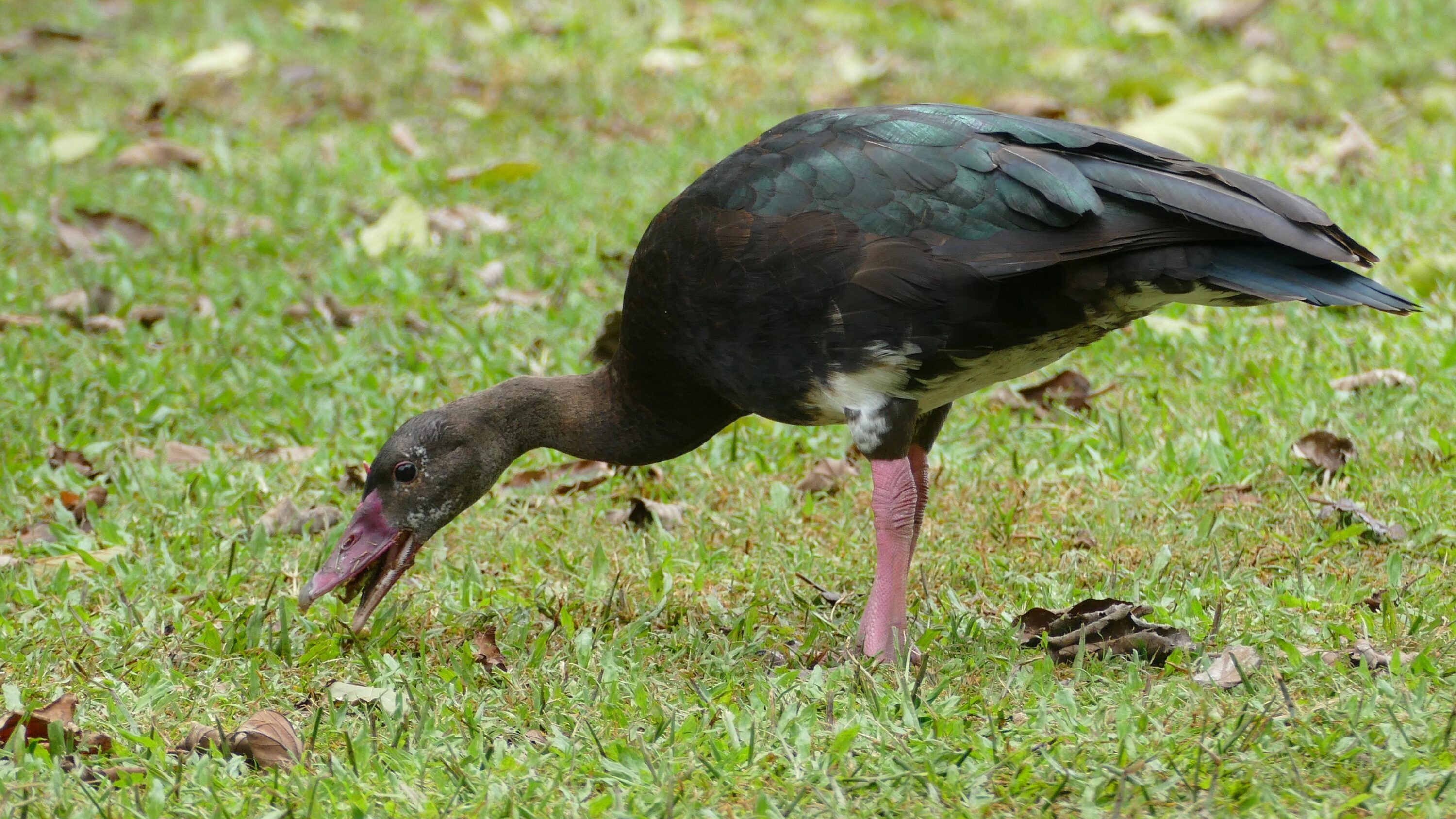
Microscopy Study Described the Respiratory System of Adult Spur-winged Geese
A 2026 microscopy study of ten adult spur-winged geese in Nigeria described the nasal cavity, larynx, trachea, bronchi…
Read story →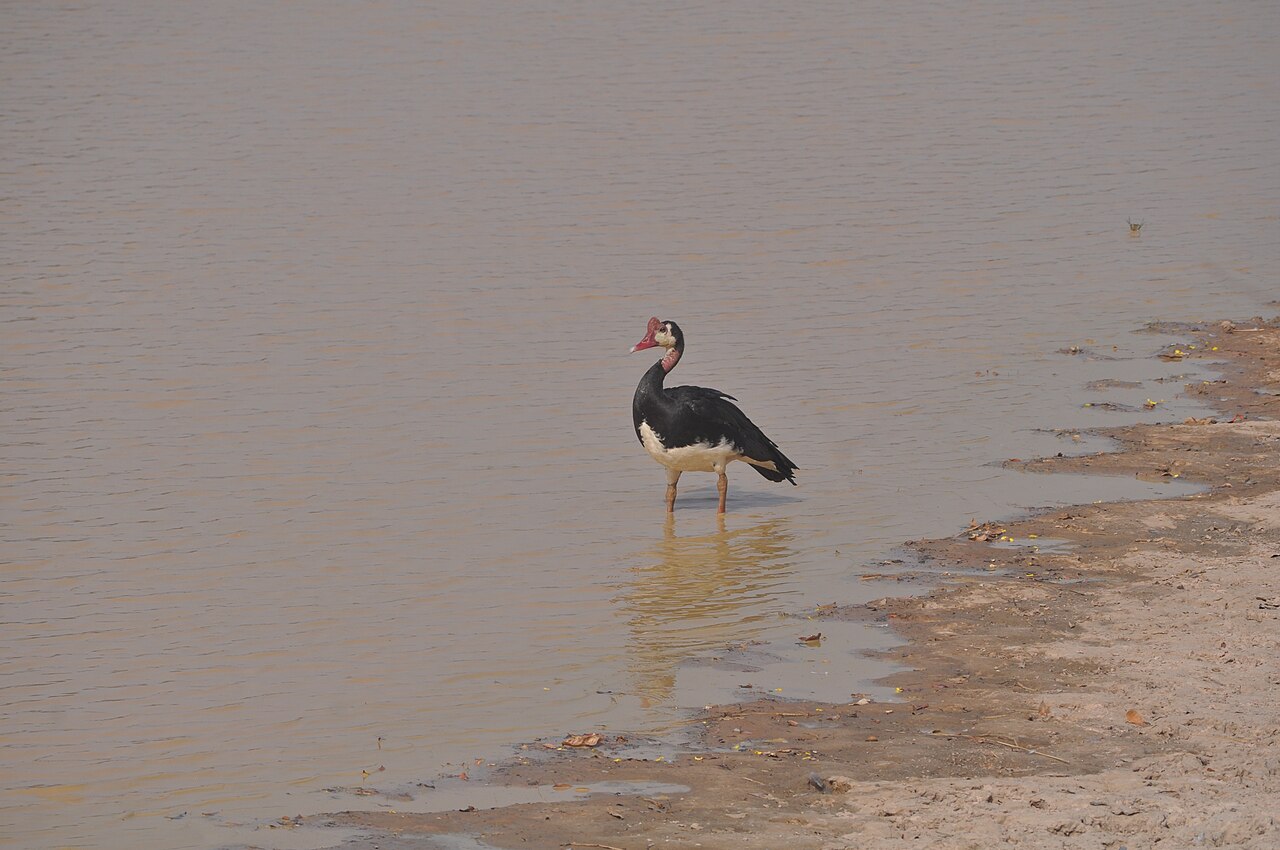
Microscopy Study Mapped the Upper Digestive Tract of Adult Spur-Winged Geese
A 2026 microscopy study of six adult spur-winged geese described tissues and glands throughout the upper digestive tract,…
Read story →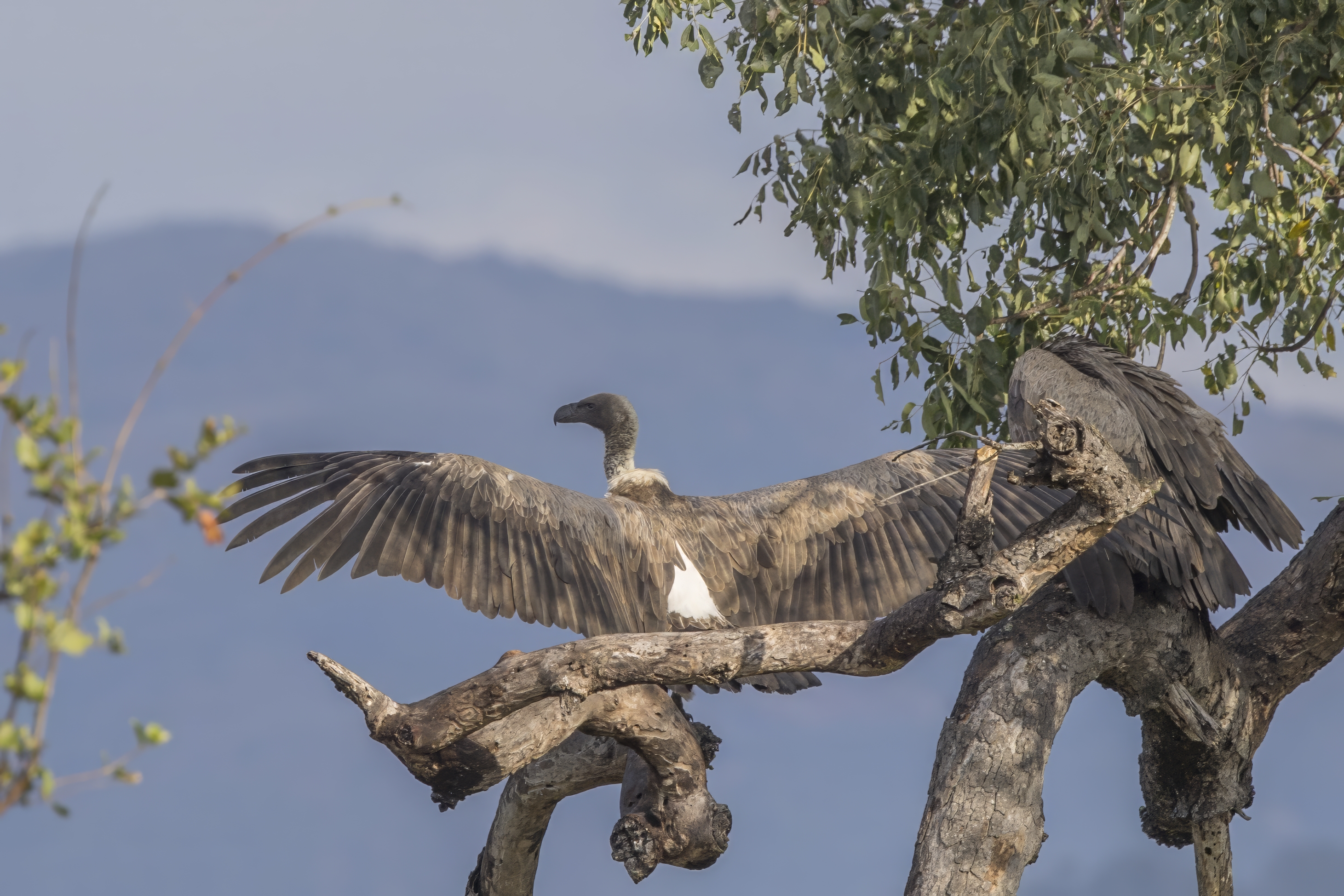
CT Reveals the Organs and Blood Vessels Inside a White-backed Vulture
A contrast-enhanced CT scan of one adult male white-backed vulture revealed major organs and vessels, while also showing…
Read story →SPECIES IN THIS STORY
Species in this story

Independent research and conservation news archive
Did you find this information useful?
Wildlife Vagabond is independently built and maintained. Voluntary support helps cover source verification, hosting and continued work on research and conservation news.
Support Wildlife VagabondThe news archive will remain freely available.