
Survey of goldfinch keepers maps demand behind Algeria’s bird trade
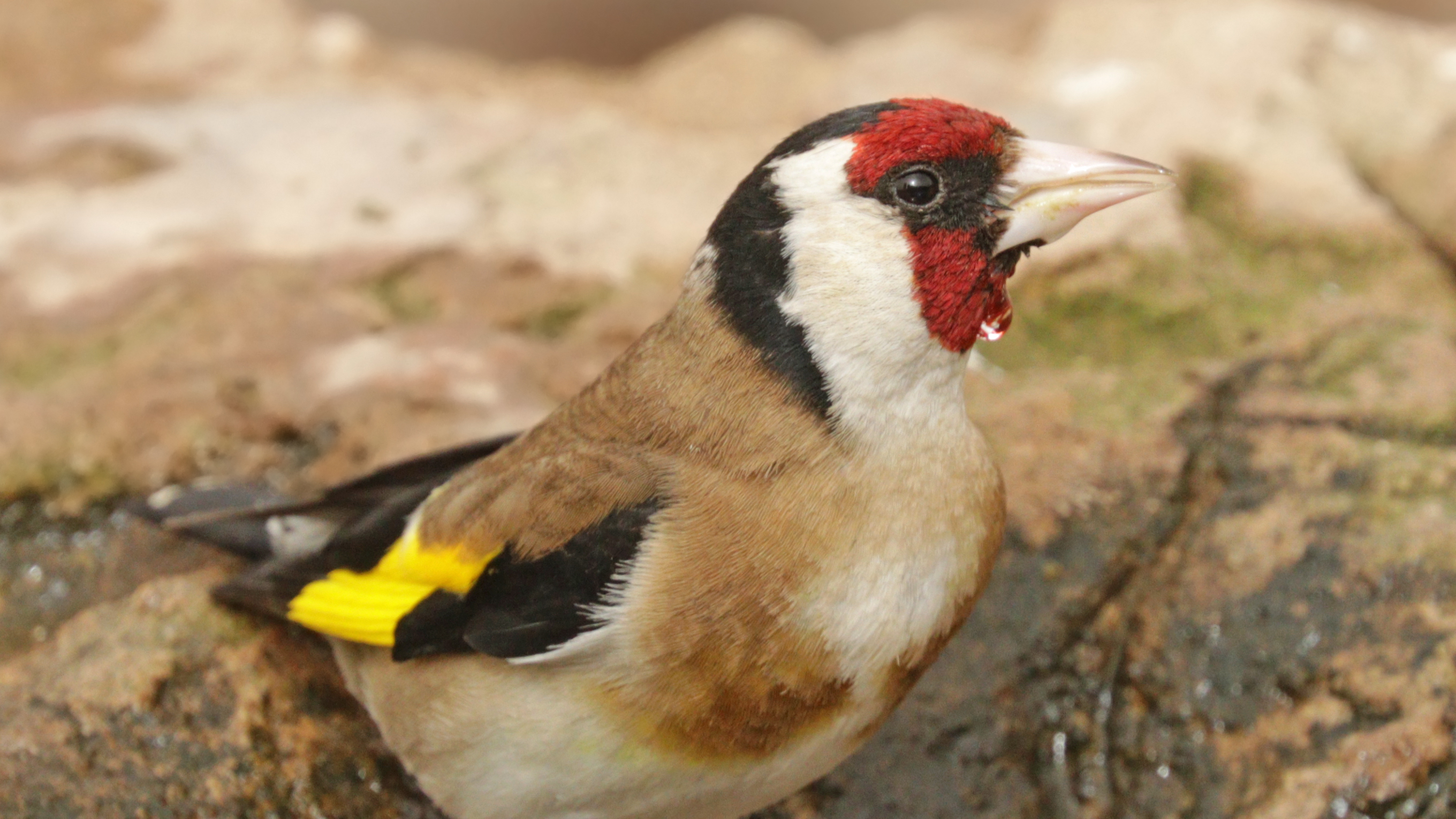
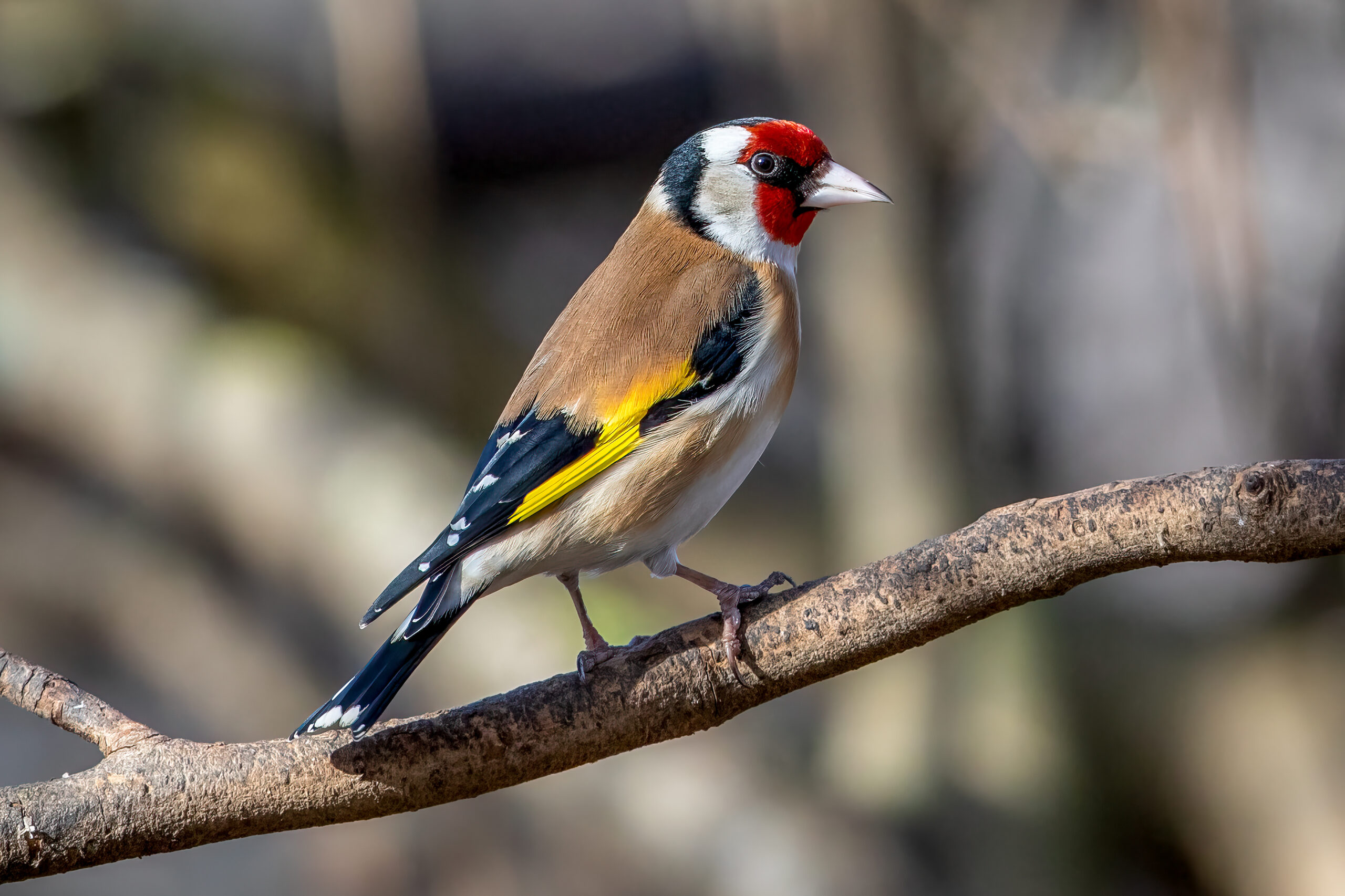
A survey of European goldfinch (Carduelis carduelis) keepers in northern Algeria has mapped social, cultural and economic factors sustaining demand for the species as a cage bird. Between 2018 and 2020, the researchers surveyed 833 households across seven provinces chosen to represent north-eastern, central-northern and north-western Algeria, and separately questioned 70 participants at a goldfinch beauty contest in Algiers.
The researchers describe a severe contraction of the species’ range in Algeria over the past three decades and identify demand for songbirds as a major conservation problem. Their survey examined owners’ age, sex, work and education, the origin of captive birds, perceptions of the goldfinch’s conservation status, the size of the captive population and the role of market price. Among the 833 household respondents, 90% of owners were men and about half were 19–30 years old. Keeping traditions and the origin of birds also differed significantly among the northern regions.
One of the clearest economic signals was the price attached to highly valued birds. According to the study, a well-trained goldfinch could reach about US$7,500. The authors argue that such values can make the trade financially attractive and that reducing demand requires understanding who keeps the birds and why.
The authors recommend targeted conservation measures, including awareness campaigns in schools and on social media, designed specifically to influence consumer behaviour and reduce pressure on wild goldfinches.
Trade & poaching
Related news
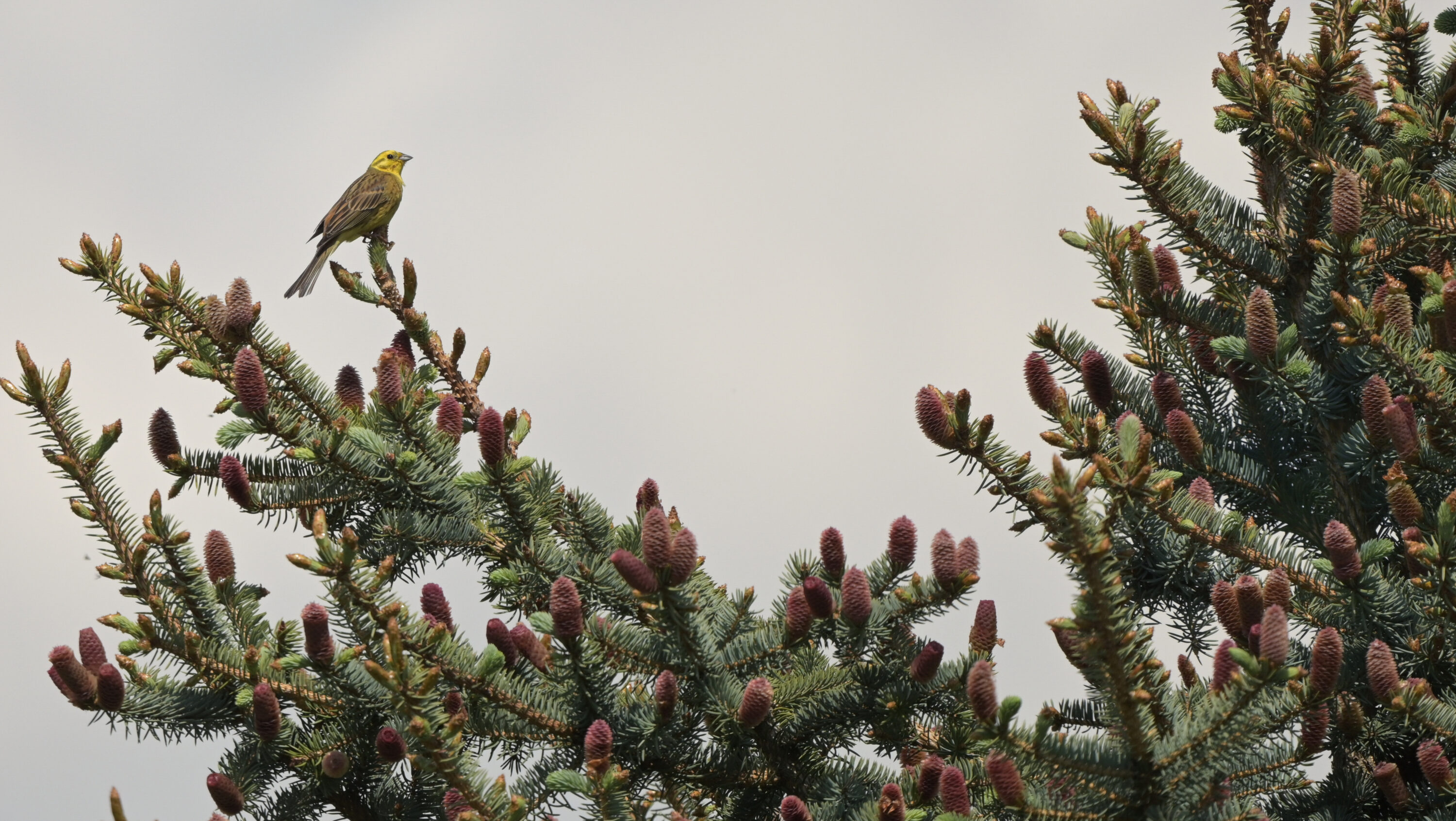
Diversified Crop Patches Had More Bird Observations Than Conventional Fields in Germany
A three-year study in Brandenburg recorded 20.0 bird observations per hectare in a diversified patch-cropping field, compared with…
Read story →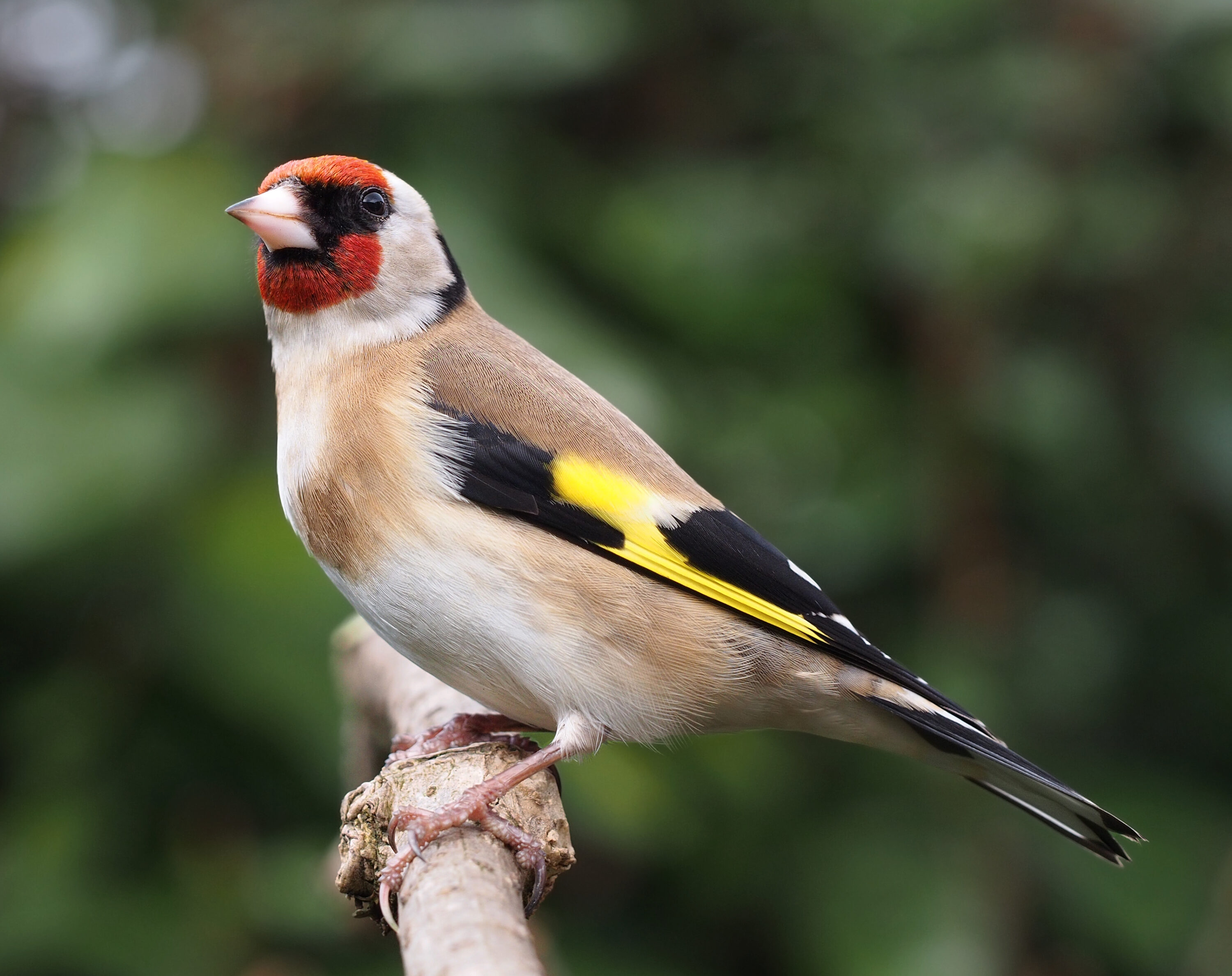
Three Invasive Songbirds Had Higher Heat-Tolerance Limits Than Native Mediterranean Counterparts
Three invasive songbirds had heat-tolerance limits averaging 6.2 °C higher than three native species including European goldfinch and…
Read story →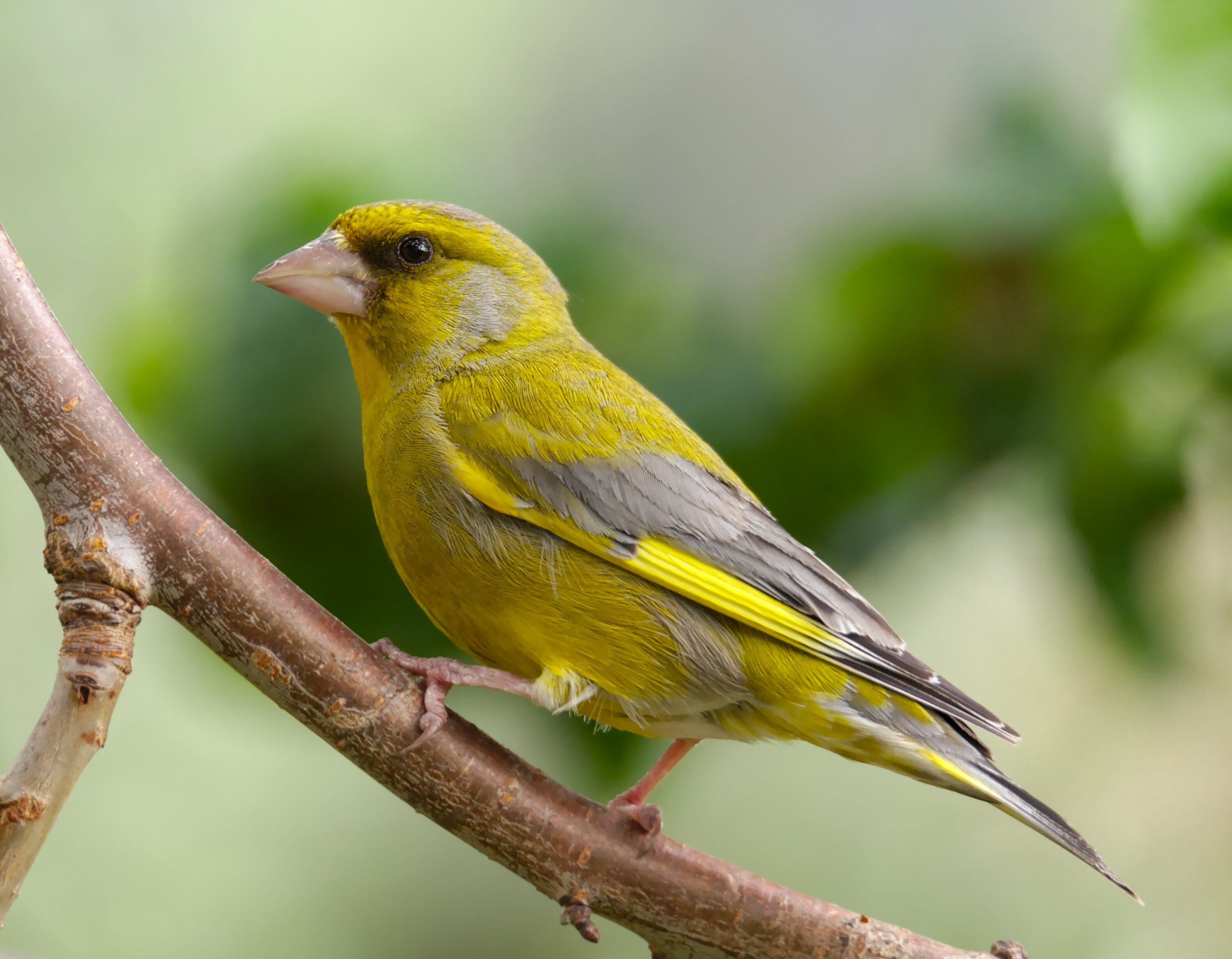
Feather Element Profiles Differed Between Farmland- and Forest-associated Songbirds
At one Polish winter feeding site, greenfinches and goldfinches showed wider variation in feather element profiles than two…
Read story →SPECIES IN THIS STORY
Species in this story
Independent research and conservation news archive
Did you find this information useful?
Wildlife Vagabond is independently built and maintained. Voluntary support helps cover source verification, hosting and continued work on research and conservation news.
Support Wildlife VagabondThe news archive will remain freely available.