
Temperature, Not Day Length, Drove the Muskox Summer Metabolic Shift
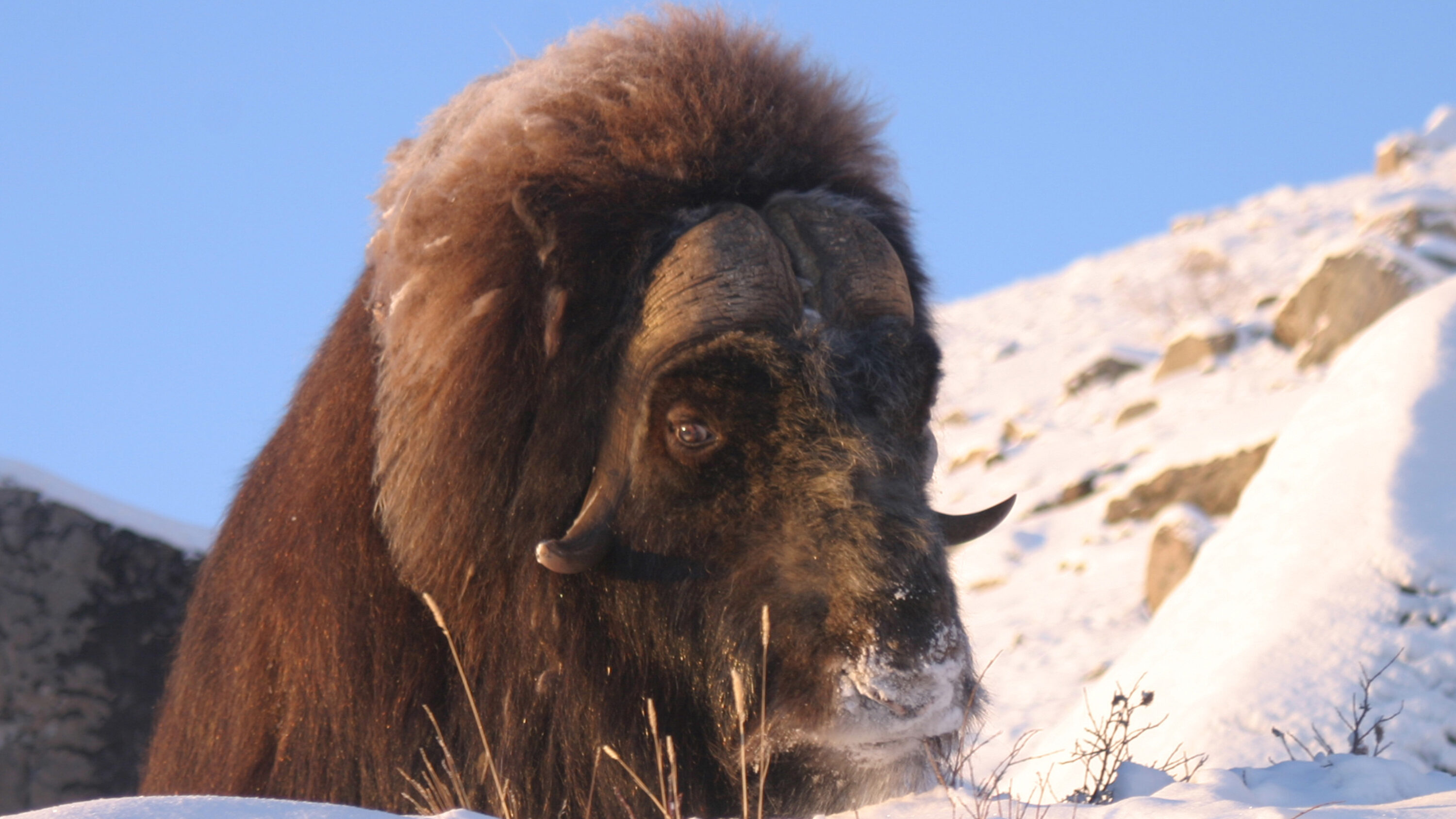
A study published on 29 April 2026 followed nine adult female muskoxen (Ovibos moschatus) living in the wild near Zackenberg in northeast Greenland over multiple years to examine how metabolism and activity change through the seasons. The animals carried GPS collars with activity sensors and intraruminal transmitters that recorded rumen temperature and heartbeat vibrations, allowing the researchers to estimate stationary heart rate without repeatedly handling the animals.
Stationary heart rate remained around 35 beats per minute for most of the year, then began to rise in mid-May and reached about 68 beats per minute in July, an increase of roughly 94%. Rumen temperature increased by about 0.5 °C, from around 38.8 to 39.3 °C, while locomotor activity rose by about 75%. Activity peaked in late June, while heart rate and rumen temperature peaked around mid-July.
Temperature, not day length, triggered the summer shift
The seasonal transition did not simply follow day length. During the part of the year when daylight was rapidly increasing, the physiological measurements remained relatively stable while ambient temperatures stayed well below freezing. Once continuous daylight had arrived, stationary heart rate and the other measurements rose strongly as temperatures increased, with the clearest change as ambient temperature approached 0 °C from below.
The metabolic shift reverses winter energy conservation
During the long winter, muskoxen conserve energy and draw on stored reserves. The short summer is their opportunity to rebuild those reserves. The researchers interpret the temperature response as a way to align this period of fat accumulation with the variable start of the Arctic growing season.
Physiology
Related news
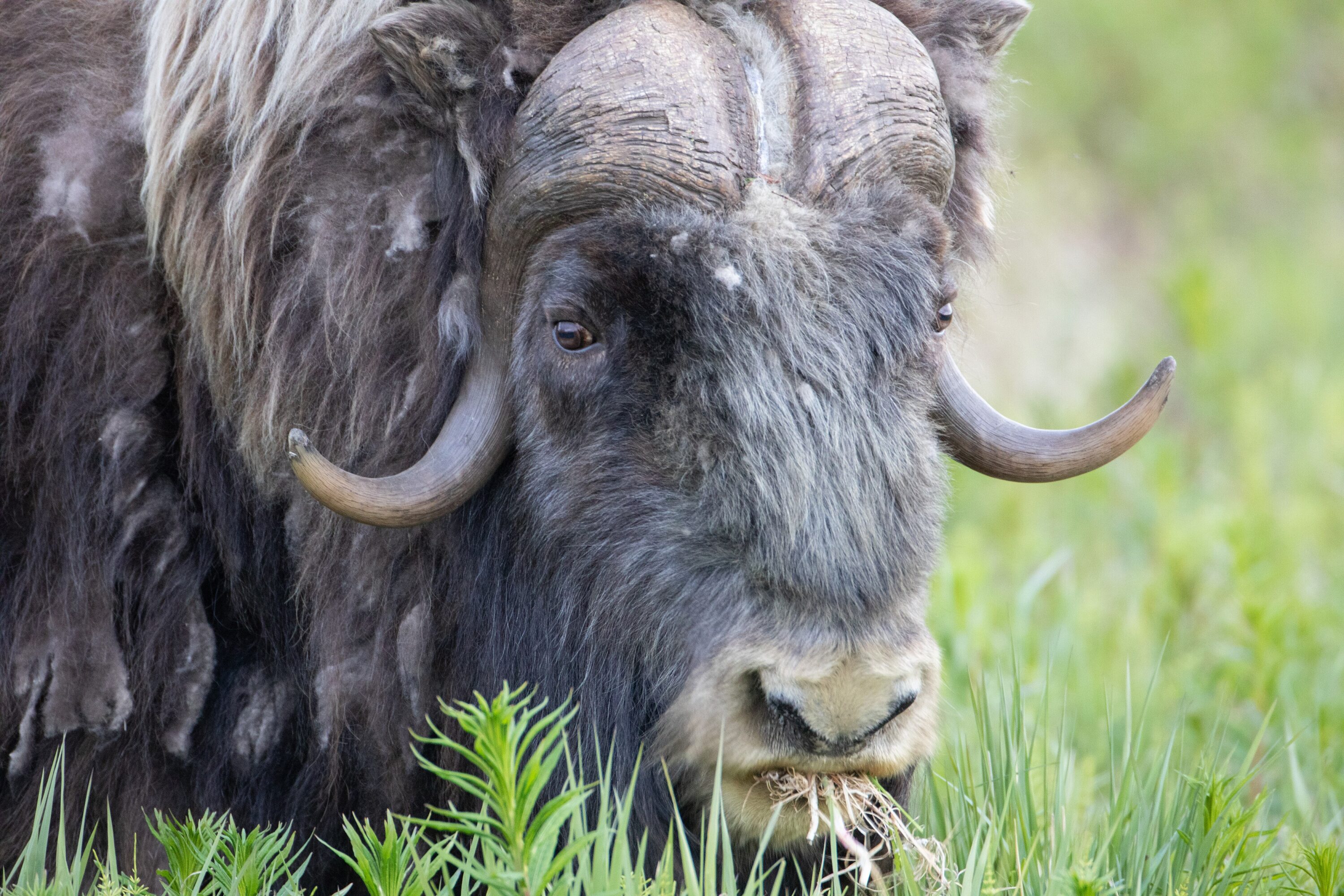
Model Points to Feces and Alternative Hosts in Muskox Bacterial Disease
A 2026 multi-host model of Erysipelothrix rhusiopathiae in Arctic muskoxen found that direct and fecal transmission could sustain…
Read story →
Synthetic Images Helped Train Muskox Detectors When Real Aerial Photos Were Scarce
A 2026 study found that object-detection models trained only on synthetic muskox images could detect more than 80%…
Read story →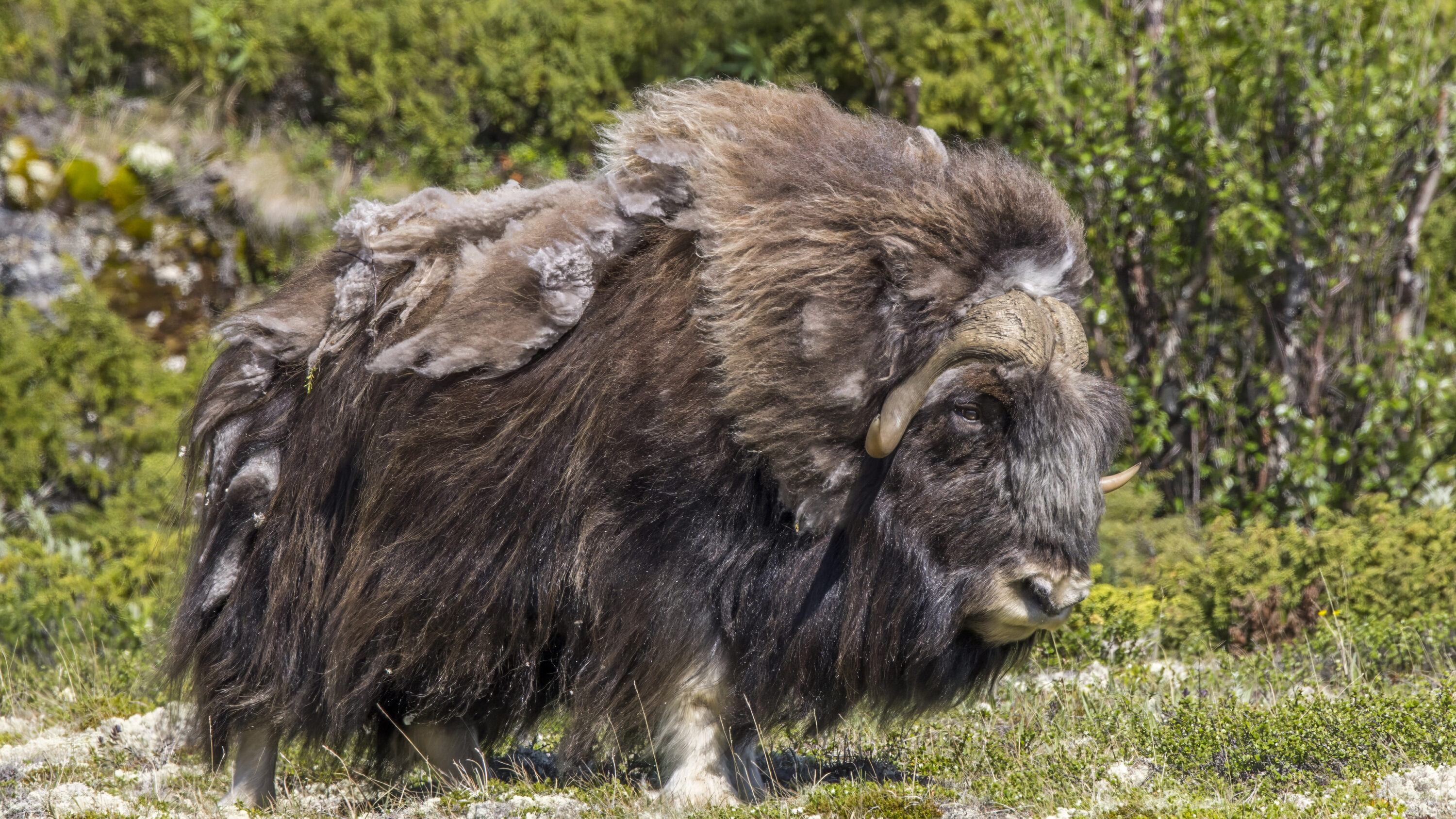
Dovrefjell Winter Count Found 220 Muskoxen, Above the 200-animal Management Target
Norway's 2026 winter count recorded 220 muskoxen on Dovrefjell, including 32 calves. The population has ranged from 200…
Read story →SPECIES IN THIS STORY
Species in this story

Independent research and conservation news archive
Did you find this information useful?
Wildlife Vagabond is independently built and maintained. Voluntary support helps cover source verification, hosting and continued work on research and conservation news.
Support Wildlife VagabondThe news archive will remain freely available.