
The Himalayan griffon’s pelvis, fused spine and tail
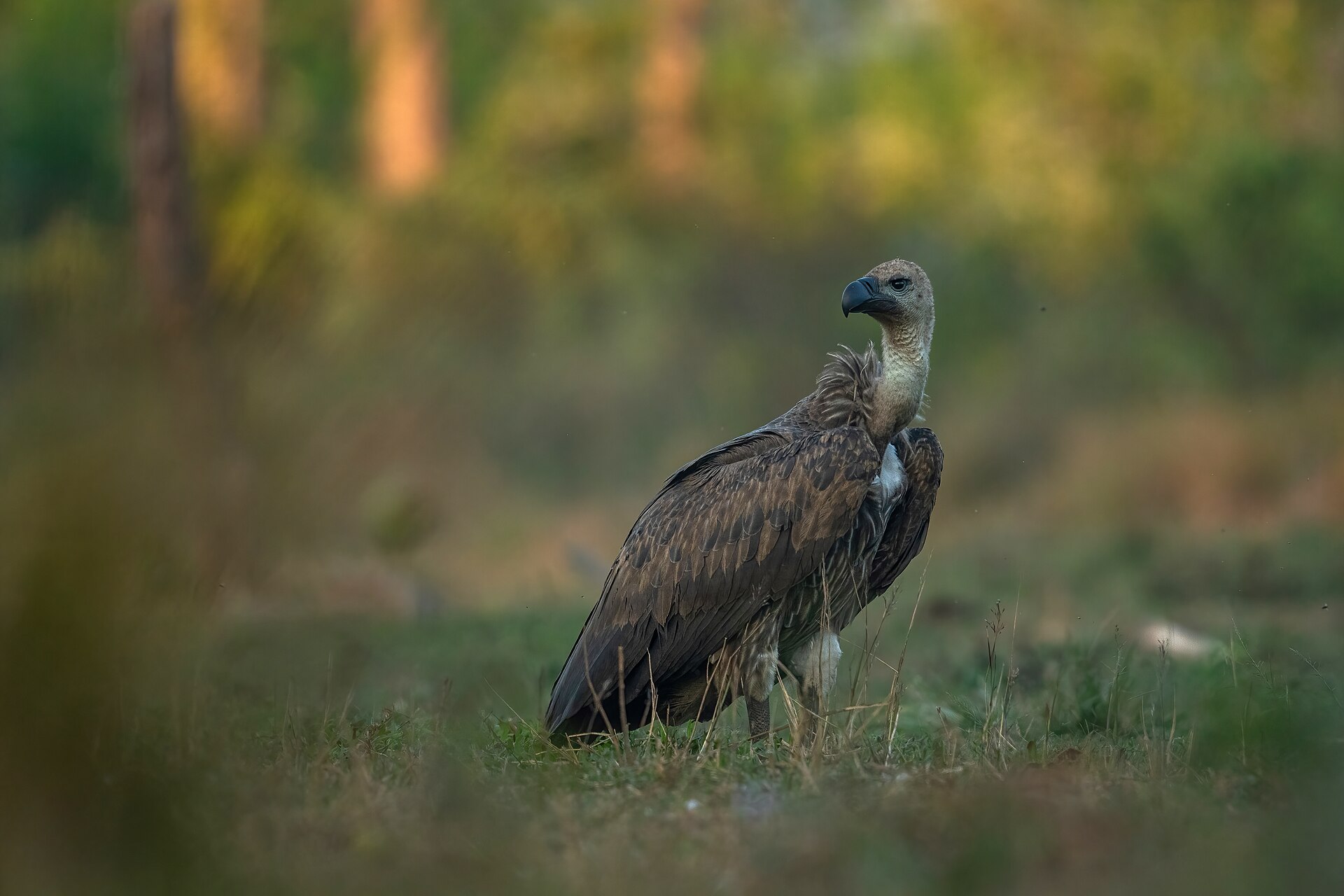
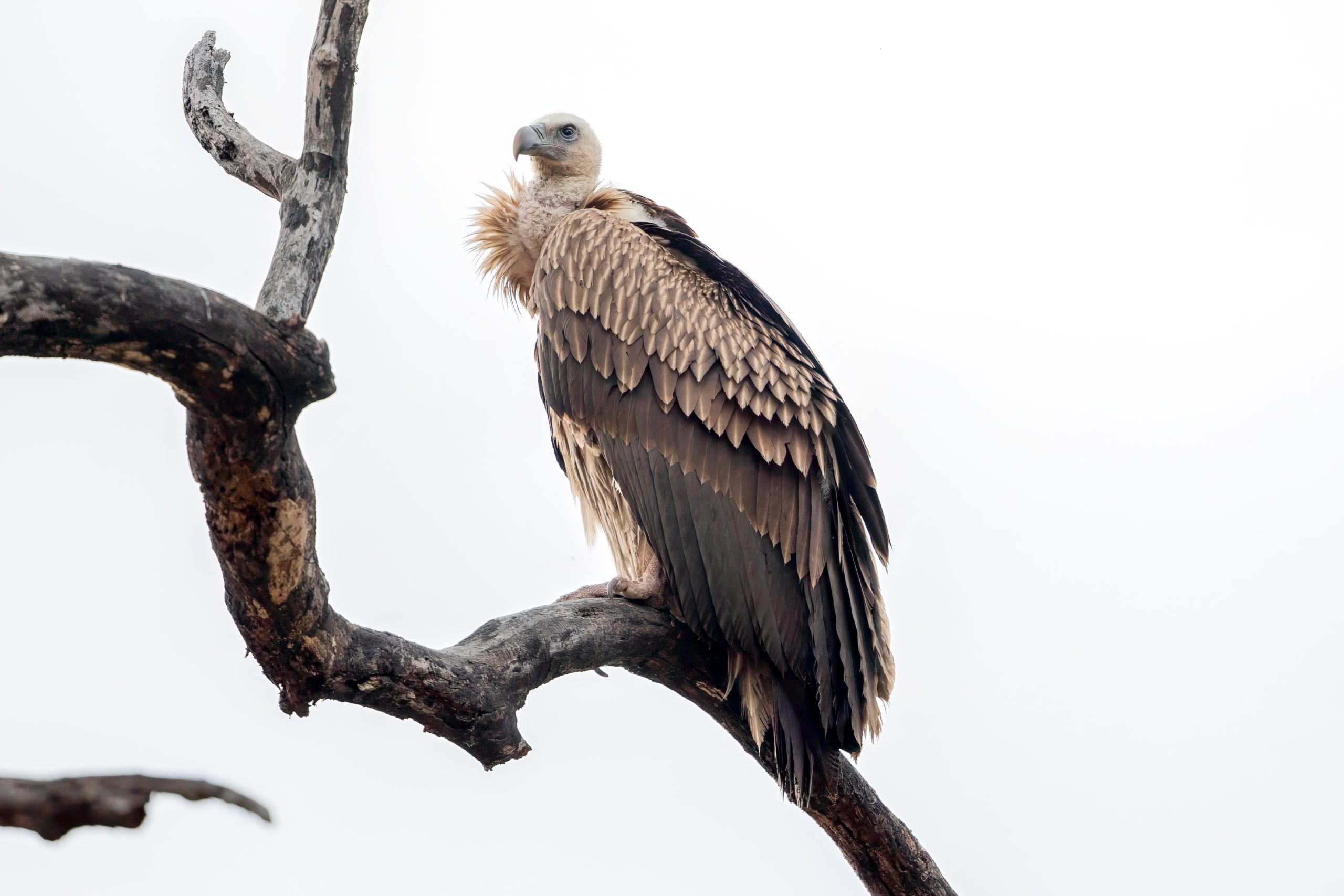
Researchers examined selected parts of the skeletons of three Himalayan griffon vultures (Gyps himalayensis) that had died. The conservation breeding centre in Rani, Assam, transferred the birds to a veterinary anatomy department in Guwahati for examination. Researchers described the bones and measured the pelvic girdle, spine, tail end, breastbone and ribs.
A fused section of the spine joins the pelvis
The pelvic girdle consists of two hip bones, each made up of an ilium, ischium and pubis. The ilium and ischium form the acetabulum, the socket where the thigh bone, or femur, articulates with the pelvis. The synsacrum—a fused section of the spine formed from the last thoracic vertebrae, lumbar vertebrae, sacrum and first tail vertebrae—is firmly joined to the ilia. In adult skeletons, the fusion makes the individual vertebrae difficult to distinguish.
The tail tip, or pygostyle, is formed by the fusion of the last eight tail vertebrae; its final segment is hook-shaped. In the three specimens, the synsacrum averaged 21.5 cm in length and the pygostyle 8.6 cm.
A pneumatic breastbone and projecting ribs
The breastbone, or sternum, was broad and roughly rectangular, with a concave upper surface and a convex underside. The researchers described it as pneumatic: it has air spaces, with openings on the concave surface. Together with fusion of vertebrae into a supportive synsacrum, such skeletal features are part of the structural adaptations associated with flight in birds; this anatomical study did not measure flight performance. The sternum averaged 17.9 cm long and 8.8 cm wide. The ribs had well-developed uncinate processes—bony projections along their rear edges—and averaged 9.1 cm in length.
The authors present the descriptions as an anatomical reference that may be useful to wildlife veterinarians and biology students, including in work related to disease control and conservation. Because the study examined only three birds and selected parts of their skeletons, the measurements describe those specimens; they do not show how much skeletal anatomy varies across the species.
Anatomy & morphology
Related news
No Vulture Electrocutions Were Recorded During Limited Follow-up After a Carcass Dump Was Moved
Thirty-four surveys near Dehradun recorded 46 vulture carcasses attributed to electrocution. After a carcass dump was moved about…
Read story →
Himalayan Griffon Index Showed Clear Long-term Decline, While Recent Trend Was Unclear
The 2026 State of India’s Birds update estimated a −41.3% long-term national trend for Himalayan griffon, clearly supporting…
Read story →
113 Himalayan Griffons Recorded at Six Wintering Sites in Northern Pakistan
A road-transect survey in Poonch River Mahasheer National Park recorded 113 Himalayan Griffons at six wintering sites, providing…
Read story →SPECIES IN THIS STORY
Species in this story
Independent research and conservation news archive
Did you find this information useful?
Wildlife Vagabond is independently built and maintained. Voluntary support helps cover source verification, hosting and continued work on research and conservation news.
Support Wildlife VagabondThe news archive will remain freely available.