
Gut Bacterial Profiles Differed Among Three Bird Species Near Harbin
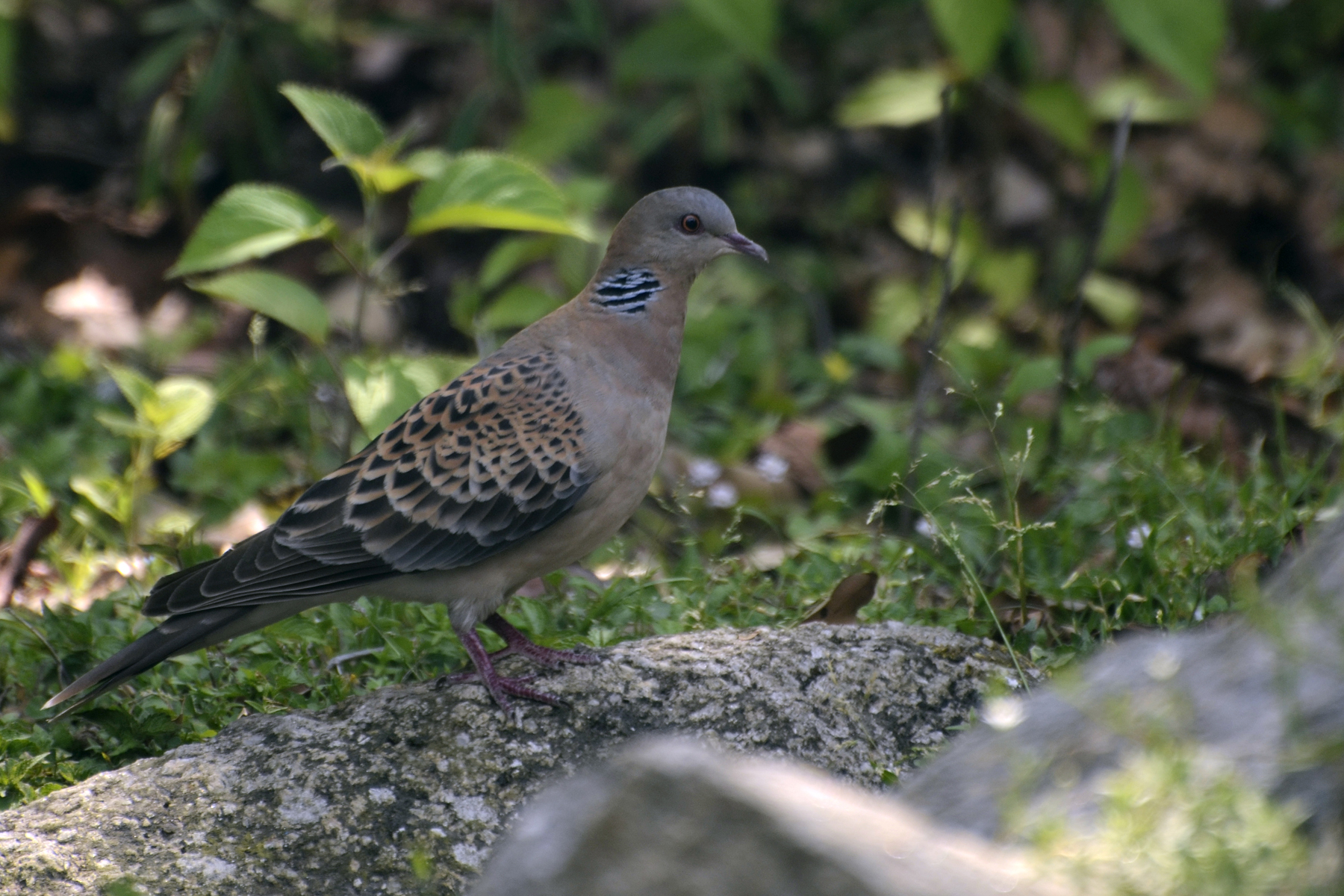
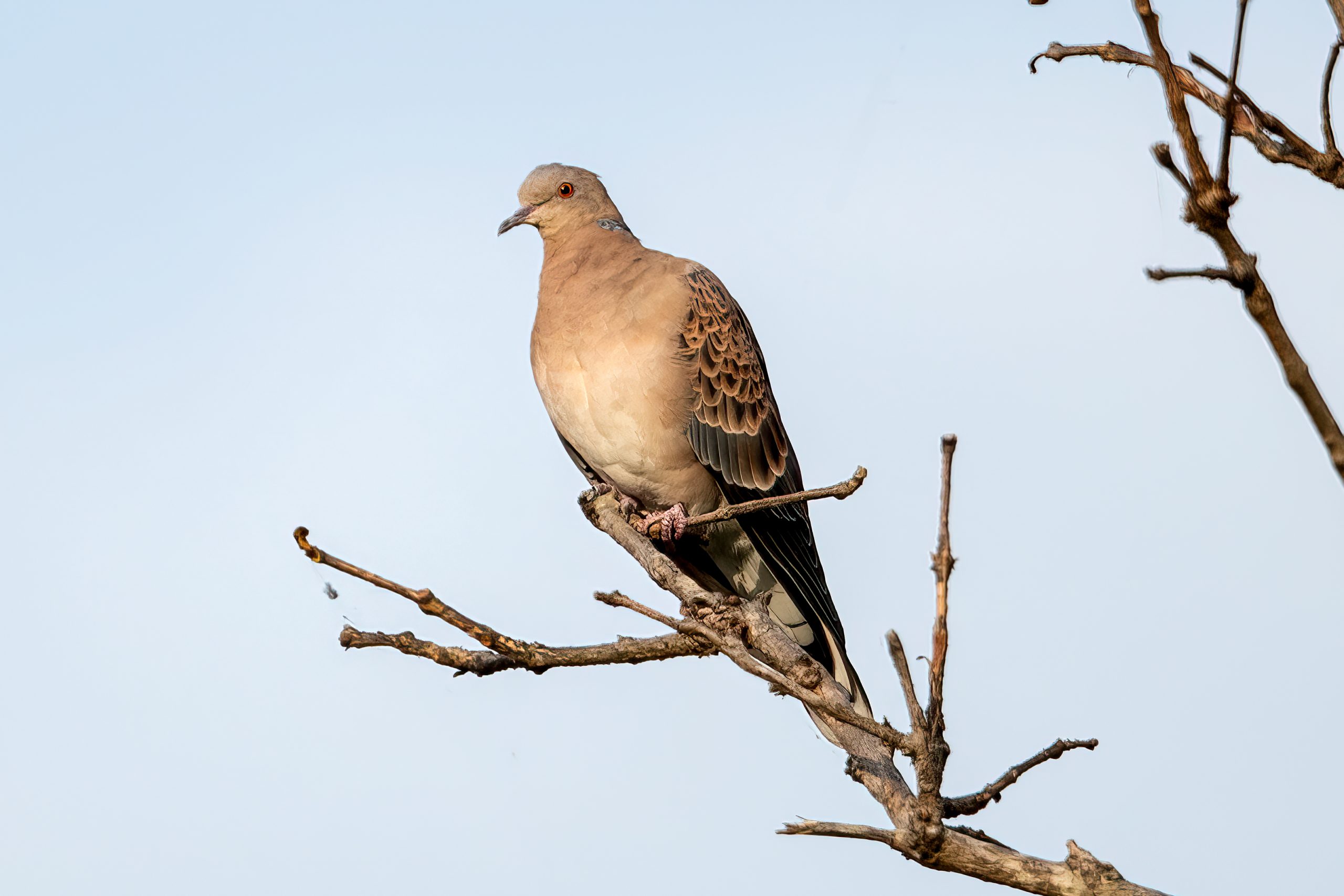
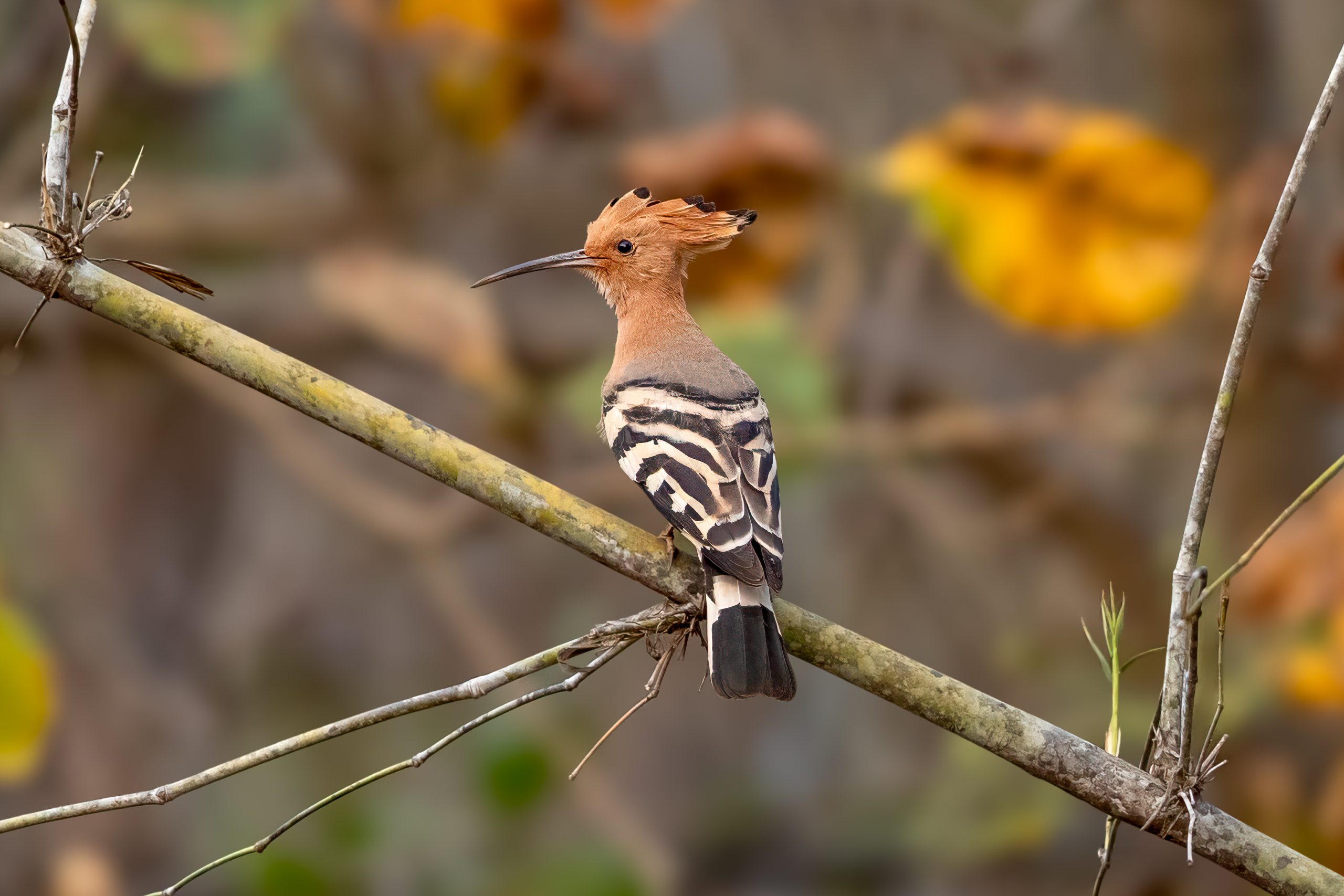
A study of 27 wild birds from a forest–farmland mosaic near Harbin in northeastern China found species-specific differences in gut bacteria among Oriental turtle doves (Streptopelia orientalis), Eurasian hoopoes (Upupa epops) and grey-backed thrushes (Turdus hortulorum). The birds had perished incidentally in airport bird-exclusion nets and were collected as carcasses; no live birds were captured or handled for the study.
Diet matched some of the bacterial differences
The three species differ in diet: hoopoes are mainly insectivorous, Oriental turtle doves feed largely on seeds and fruits, and grey-backed thrushes are omnivorous. Proteobacteria predominated in turtle doves and thrushes, whereas Firmicutes were more abundant in hoopoes. Microbial richness — the number of bacterial taxa detected — was higher in turtle doves and hoopoes than in thrushes, while the Shannon and Simpson diversity indices, which also account for how evenly bacteria are distributed, showed no clear difference among the species.
Differences in the overall composition of the bacterial communities were more limited than the broad taxonomic patterns alone might suggest. The clearest whole-community difference was between grey-backed thrushes and hoopoes; the comparisons involving Oriental turtle doves showed no clear difference. The study nevertheless identified species-specific microbial biomarkers, including Pseudomonas in hoopoes, Tyzzerella in grey-backed thrushes and Paracoccus in Oriental turtle doves.
Predicted microbial functions also differed
Predicted microbial functions also differed among the species. These were inferred from 16S rRNA profiles rather than measured directly, so they are predictions, not measurements of metabolism. The birds’ gut bacterial communities overlapped more than the food-related DNA sequences used to compare diet. The authors therefore suggest that differences in diet and gut bacteria may be part of how the three species divide food resources. The study does not show that gut microbes themselves cause the birds to coexist.
Ecology
Related news
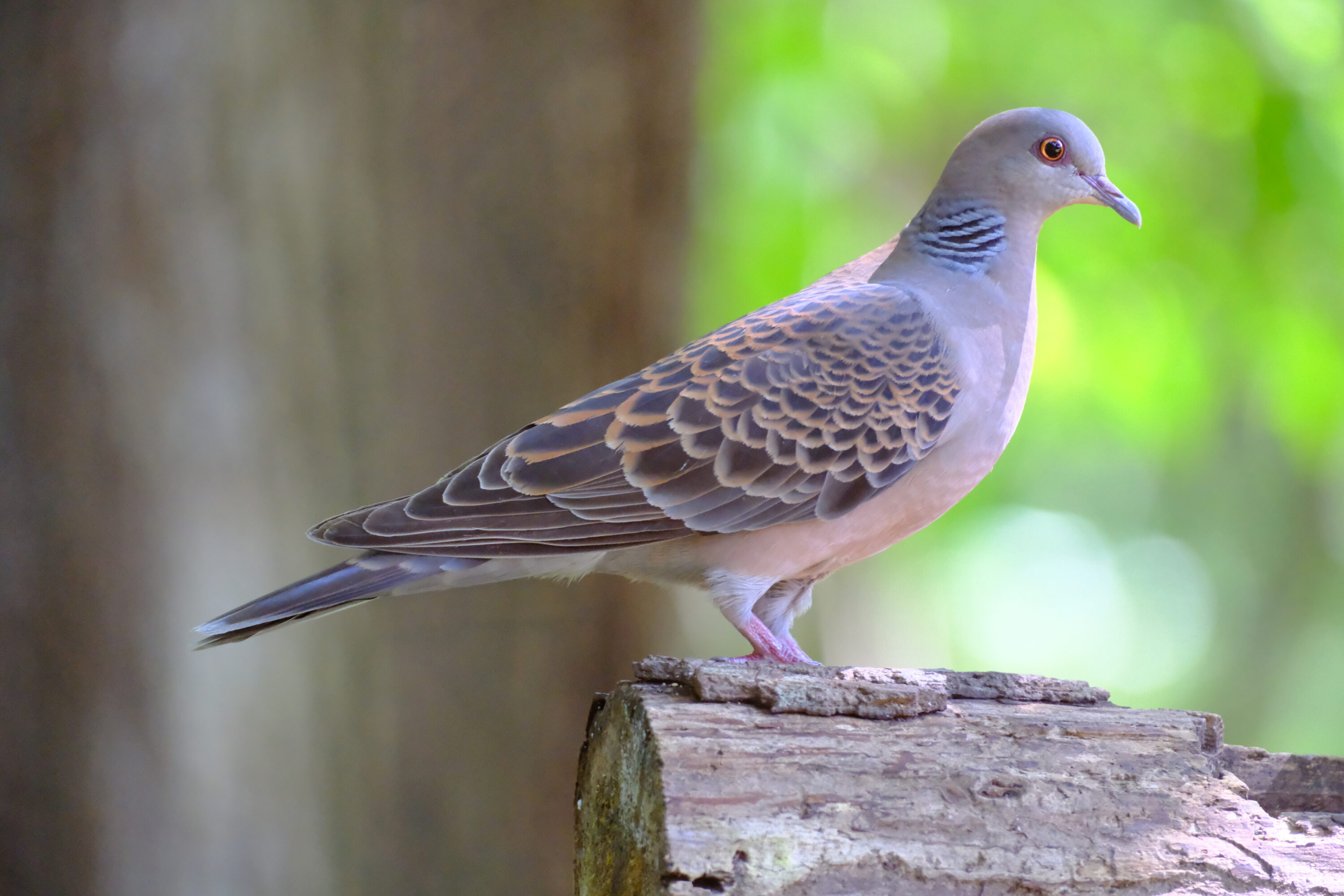
Czech Project Aims to Remove Europe’s Only Known Non-Native Breeding Population of Oriental Turtle Doves
A 2026 IUCN-backed rapid-response project is targeting the small Oriental Turtle Dove population around the Nové Mlýny Reservoirs…
Read story →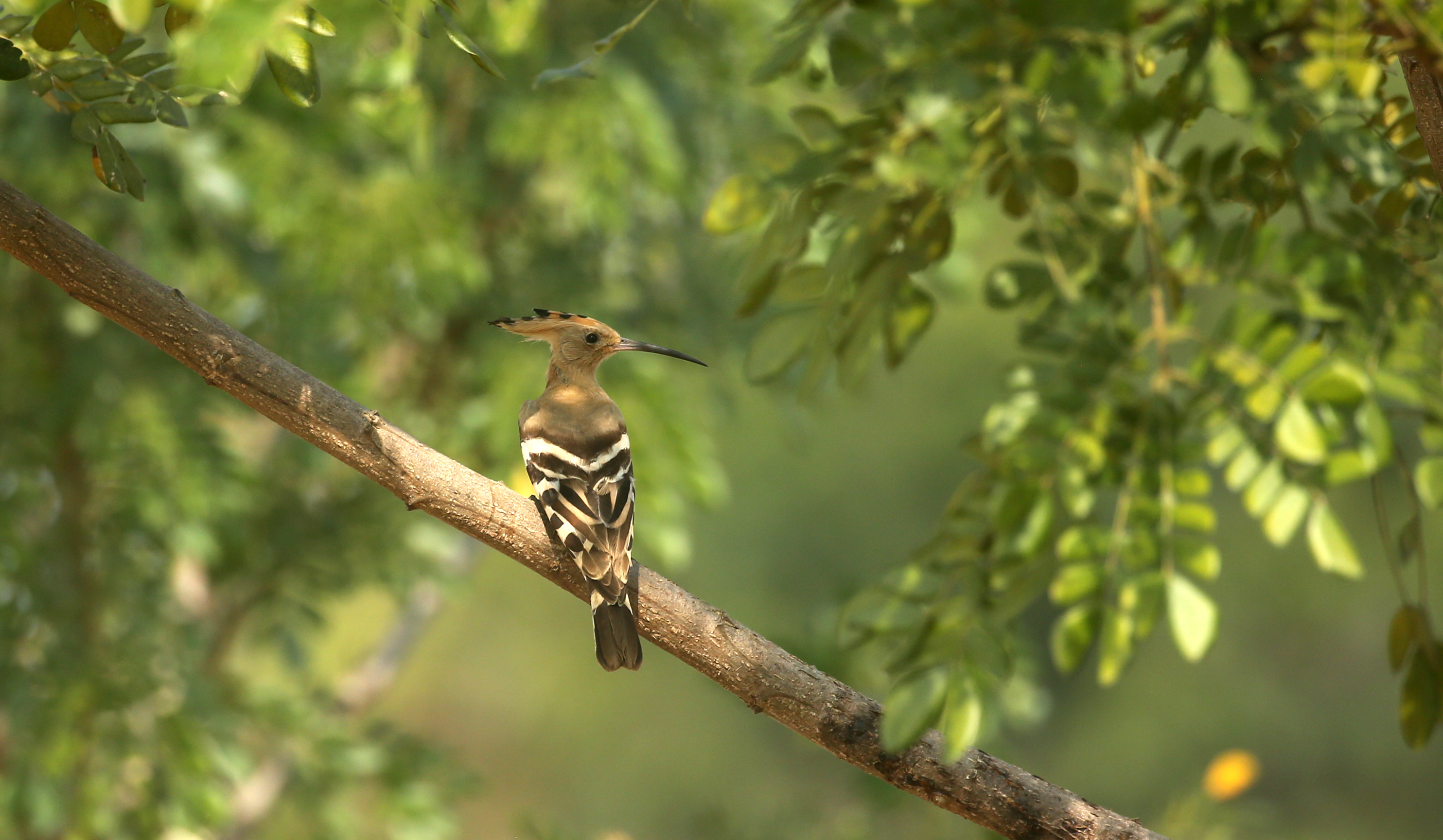
Closer Relatives Among Hoopoes, Woodhoopoes and Hornbills Had More Similar Preen-Gland Microbiomes
Across eight taxa of hoopoes, woodhoopoes and hornbills, more closely related birds had more similar bacterial communities in…
Read story →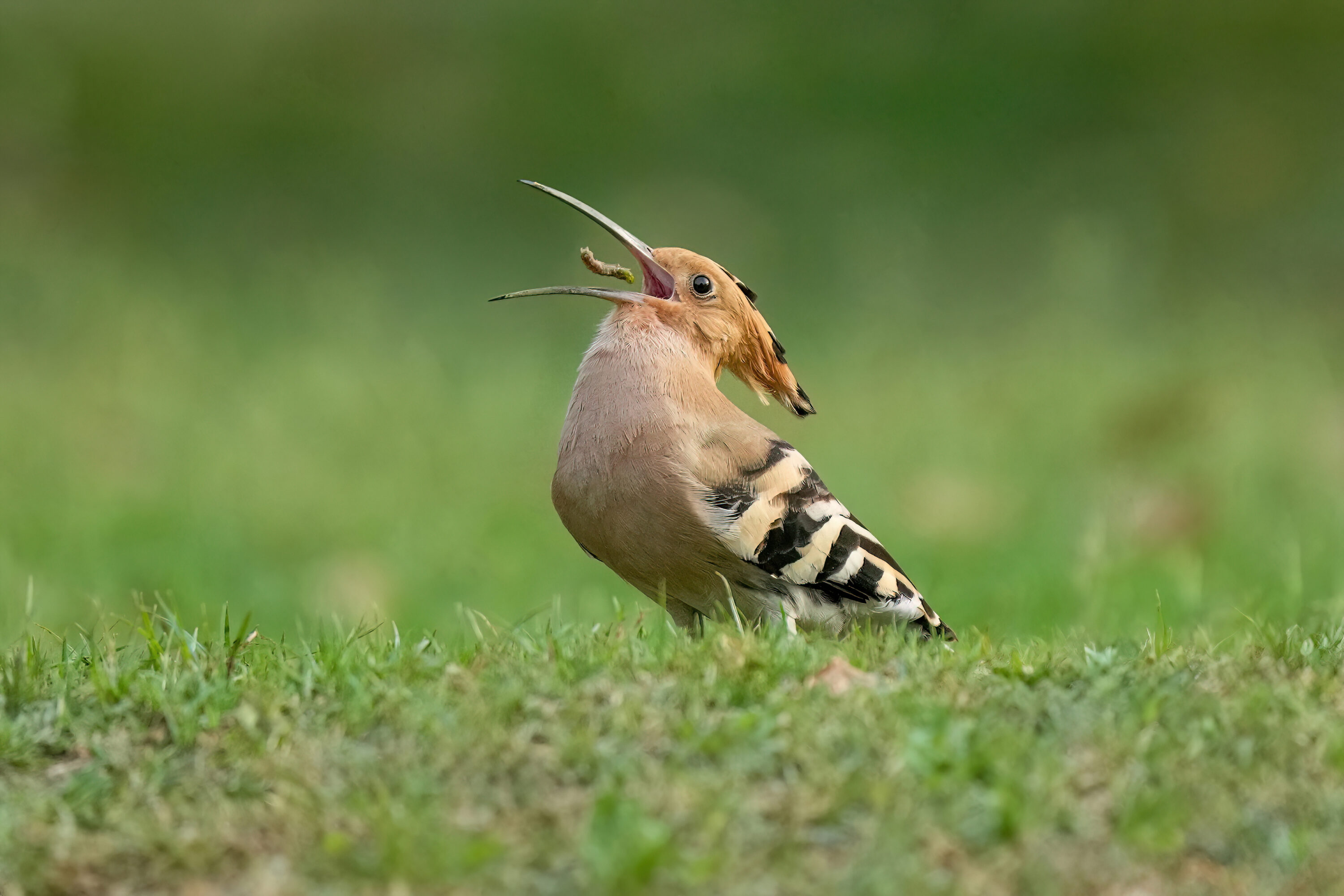
Eurasian Hoopoe Index Showed Clear Declines on Both Time Scales in India
The 2025 State of India’s Birds update estimated a −46.4% long-term trend and a −2.3% current annual trend…
Read story →SPECIES IN THIS STORY
Species in this story
Independent research and conservation news archive
Did you find this information useful?
Wildlife Vagabond is independently built and maintained. Voluntary support helps cover source verification, hosting and continued work on research and conservation news.
Support Wildlife VagabondThe news archive will remain freely available.