
Closer Relatives Among Hoopoes, Woodhoopoes and Hornbills Had More Similar Preen-Gland Microbiomes
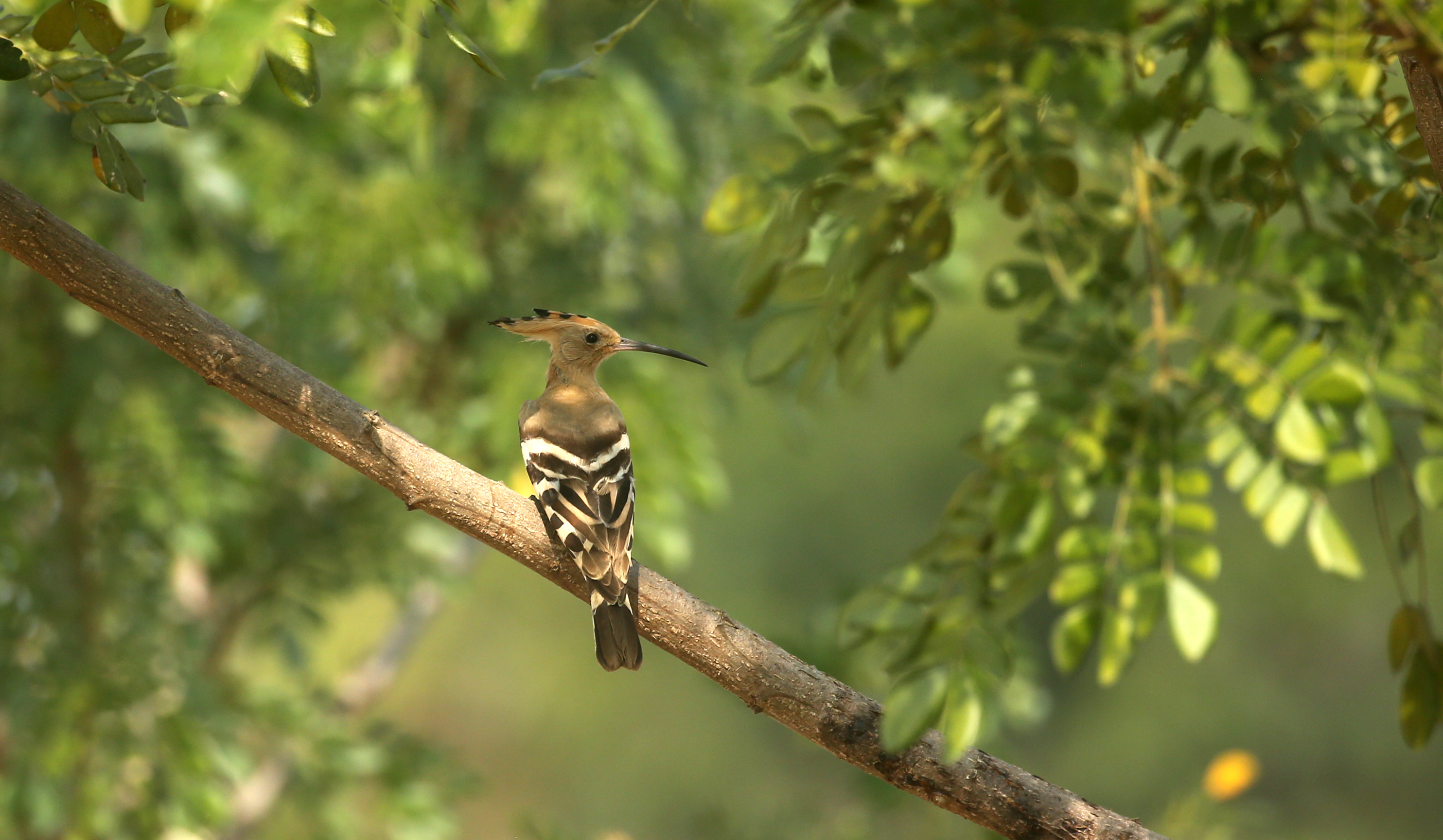
More closely related birds in the order Bucerotiformes had more similar bacterial communities in the secretion of their uropygial, or preen, glands. This gland at the base of the tail produces a secretion that birds spread through the plumage while preening. The study, published on 7 August 2026, tested whether the gland microbiome followed the evolutionary relationships among hoopoes, woodhoopoes and hornbills.
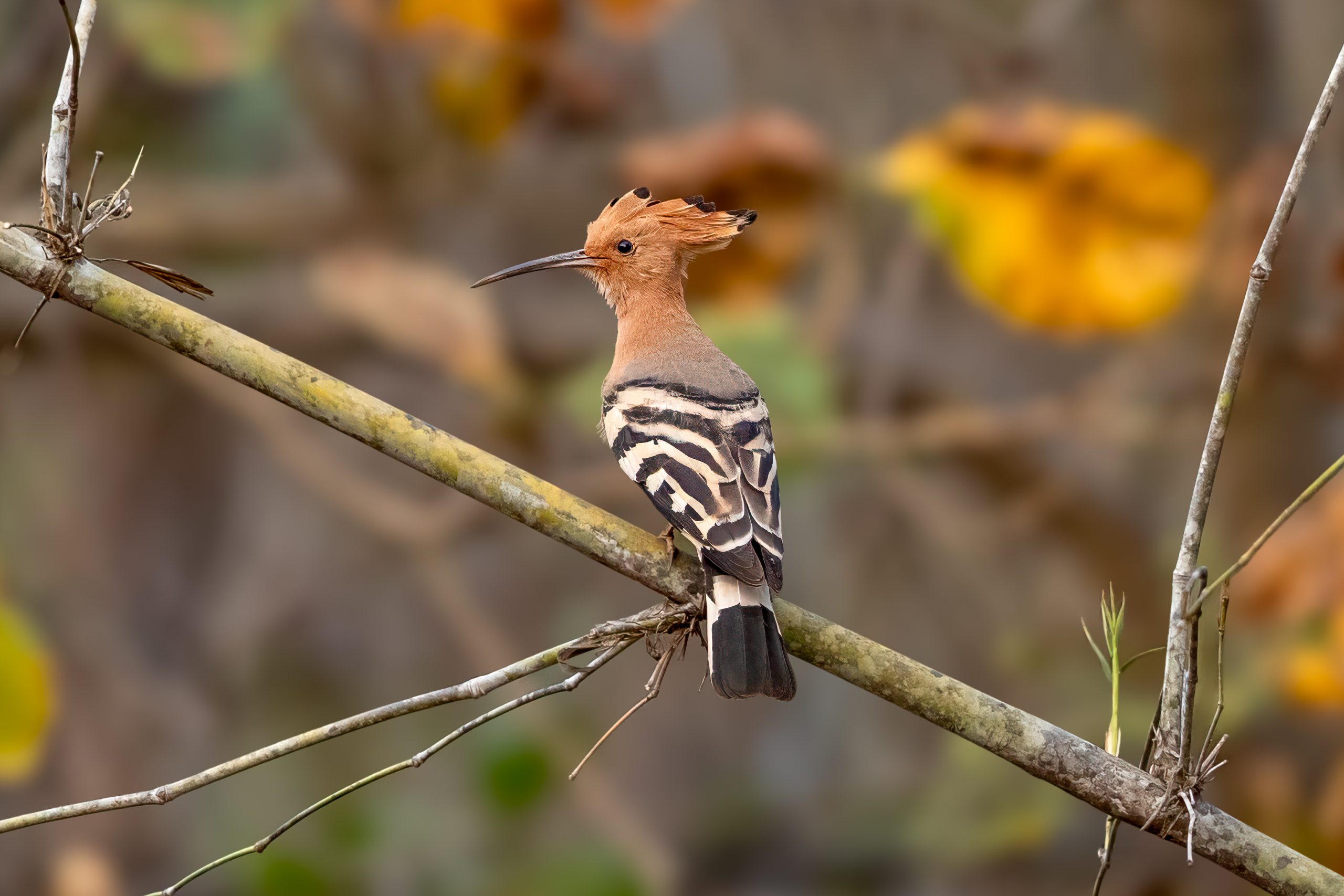
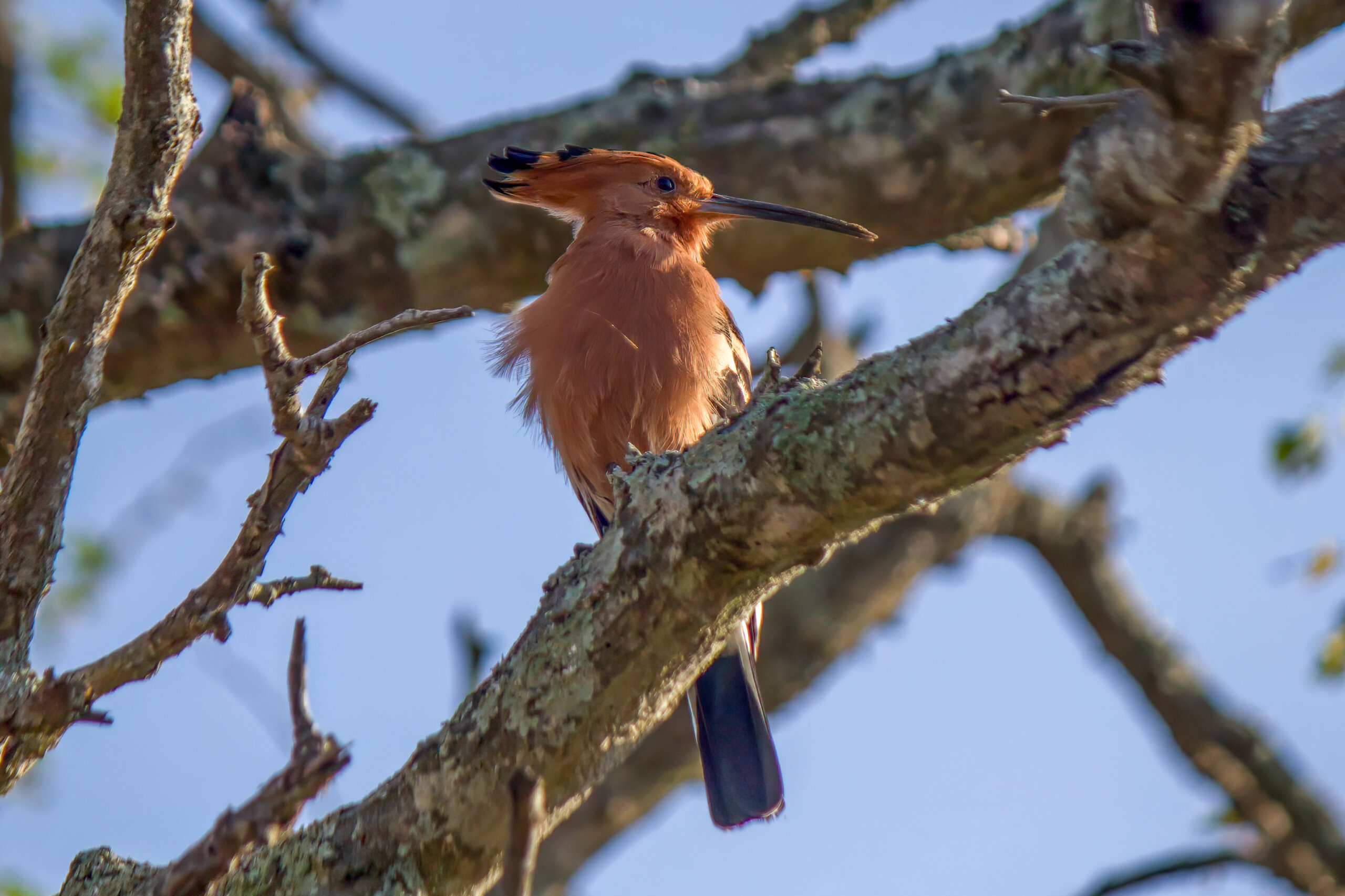
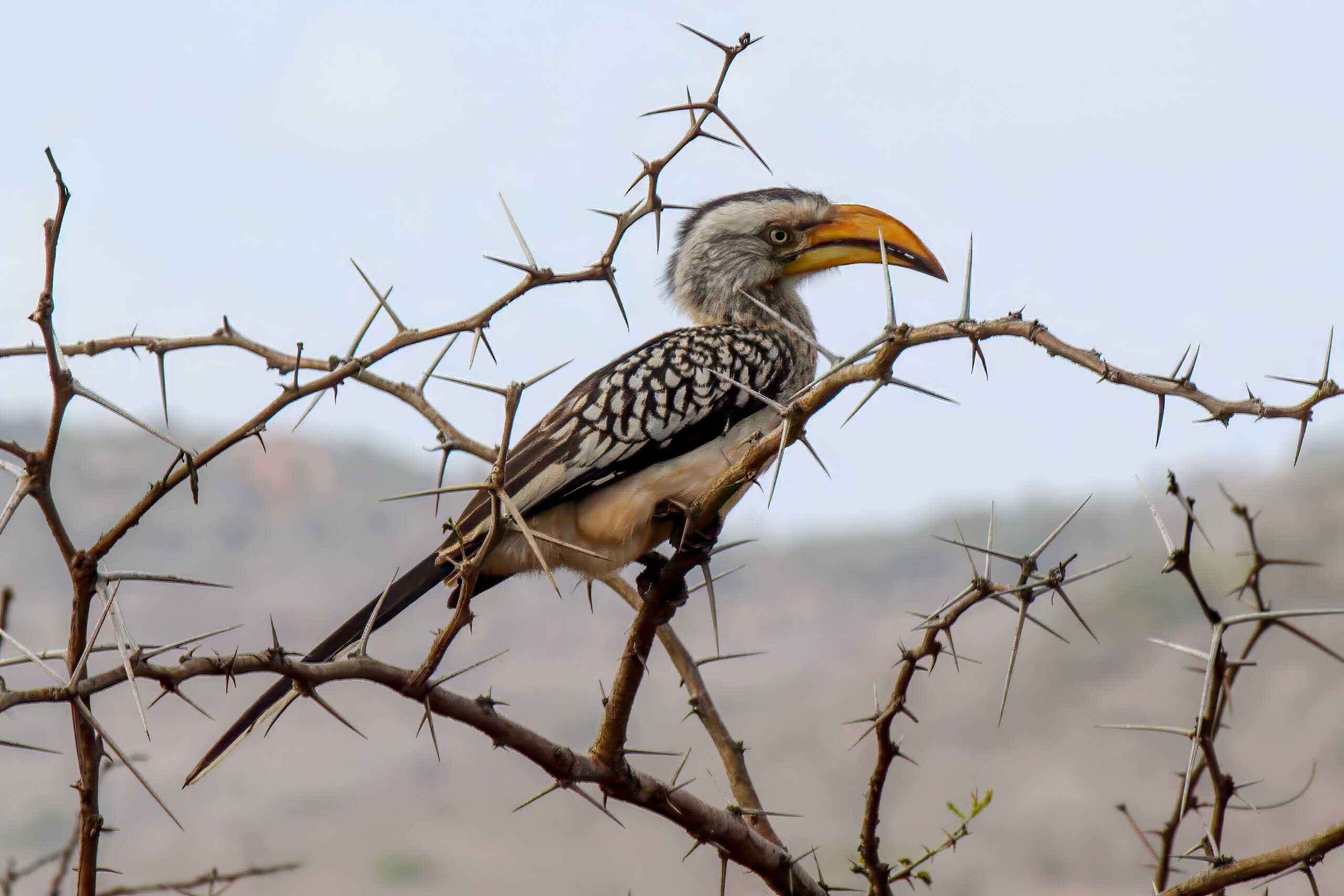
The researchers compared eight Bucerotiformes taxa: three subspecies of Eurasian hoopoe (Upupa epops), two woodhoopoe species and three hornbill species, including the southern yellow-billed hornbill (Tockus leucomelas). European rollers were included as an outgroup for comparison. Samples came from breeding birds in Spain, Switzerland, Namibia, South Africa and China. The bacterial communities were characterised from preen-gland secretions of 69 hoopoes, 17 woodhoopoes and 59 hornbills, with 24 rollers as the outgroup. Researchers used high-throughput sequencing of a region of the bacterial 16S rRNA gene, a commonly used genetic marker for distinguishing bacterial lineages and comparing the composition of microbial communities.
The microbiome followed host relatedness
Differences between the bacterial communities correlated with the evolutionary distances between the bird taxa: close relatives tended to have more similar microbiomes. This pattern is known as phylosymbiosis — the composition of a host-associated microbial community reflects the host phylogeny more closely than expected by chance.
Phylosymbiosis does not by itself prove that the bacteria and birds evolved together. The authors discuss both inherited host traits and species-specific ecology as possible influences on which bacteria can persist in the gland. They also note that some distantly related study taxa lived in the same regions, while the three hoopoe subspecies were sampled on different continents, making geography alone an unlikely explanation for the phylogenetic pattern.
Antimicrobial function showed a different pattern
Hoopoes and woodhoopoes are known to harbour symbiotic bacteria in the gland that can produce antimicrobial compounds. In the new study, the researchers cultured bacterial isolates and measured how strongly they inhibited three indicator bacteria. Antimicrobial activity did not increase or decrease consistently with host evolutionary distance.
Within hoopoes and woodhoopoes, however, the composition of the bacterial community was linked to antimicrobial activity, and the relative abundance of particular bacterial strains helped predict stronger or weaker inhibition. The authors therefore suggest that antimicrobial functions may contribute to the phylosymbiosis pattern, but the study does not establish a simple one-to-one relationship between host relatedness and antimicrobial activity.
Disease, parasites & microbiology
Related news
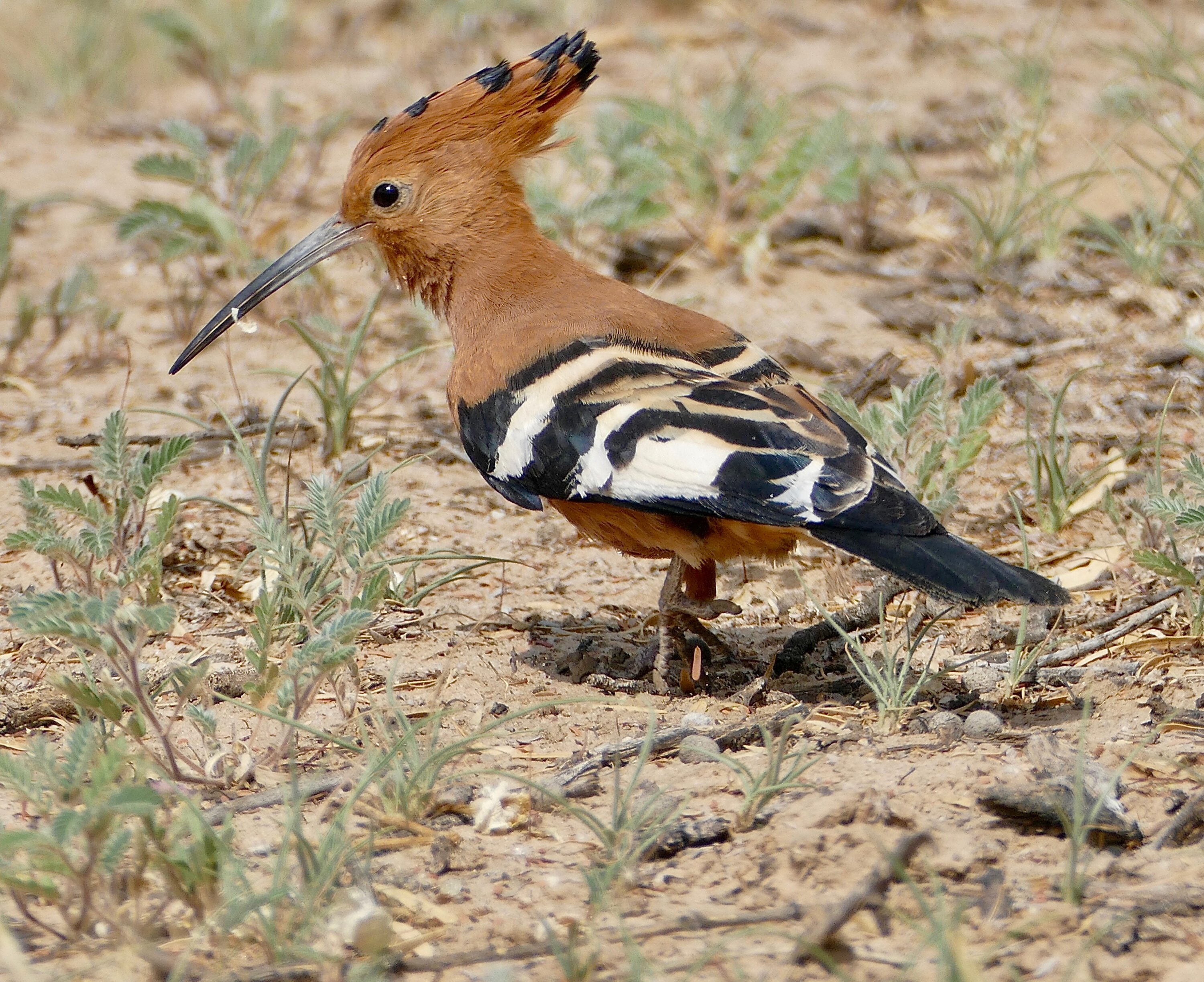
African Hoopoe Occupancy Showed No Clear Environmental Pattern While Fork-tailed Drongos Were More Common on Rocky Soils
A Namibian acoustic study found no clear occupancy response to the tested environmental variables in African hoopoes, while…
Read story →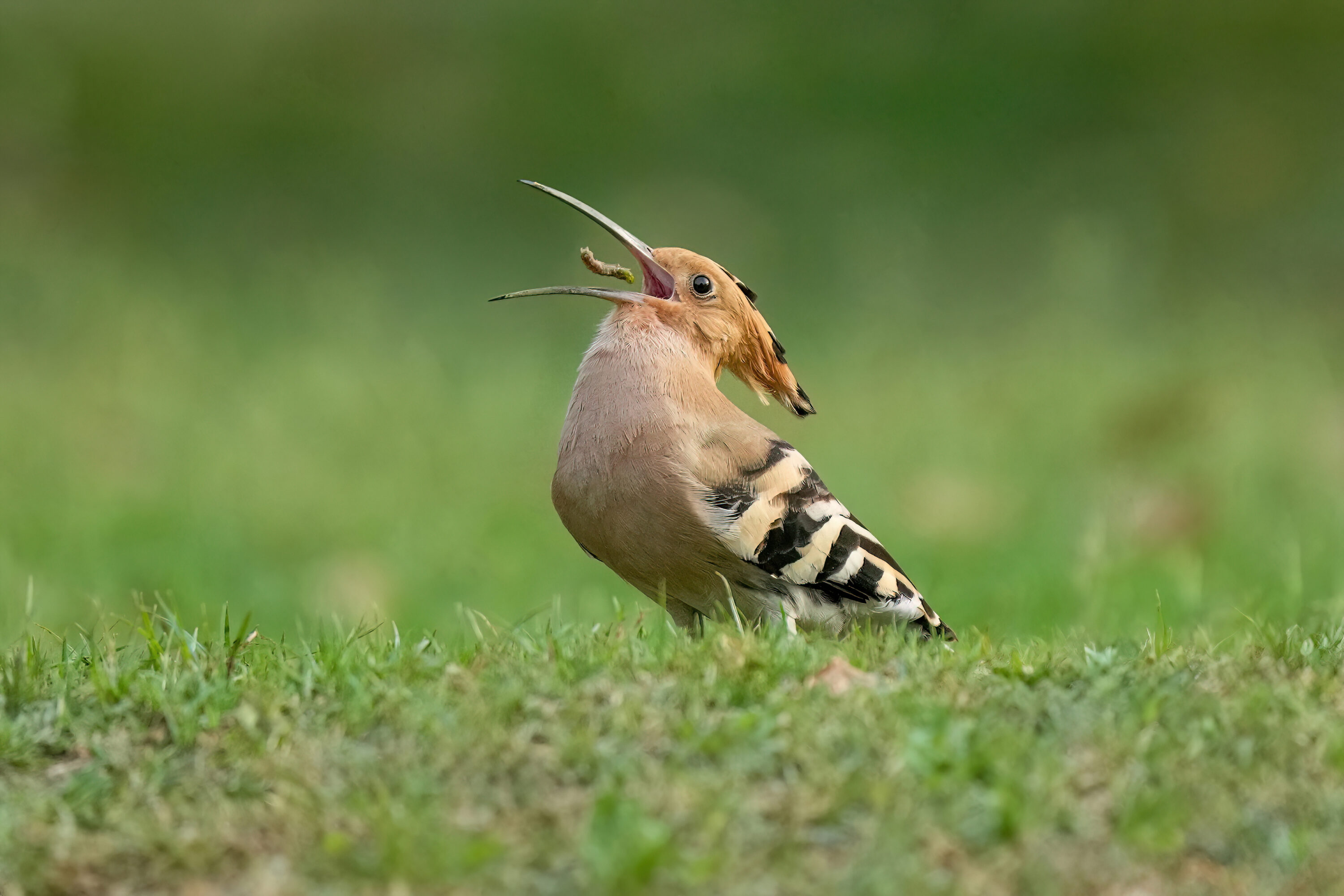
Eurasian Hoopoe Index Showed Clear Declines on Both Time Scales in India
The 2025 State of India’s Birds update estimated a −46.4% long-term trend and a −2.3% current annual trend…
Read story →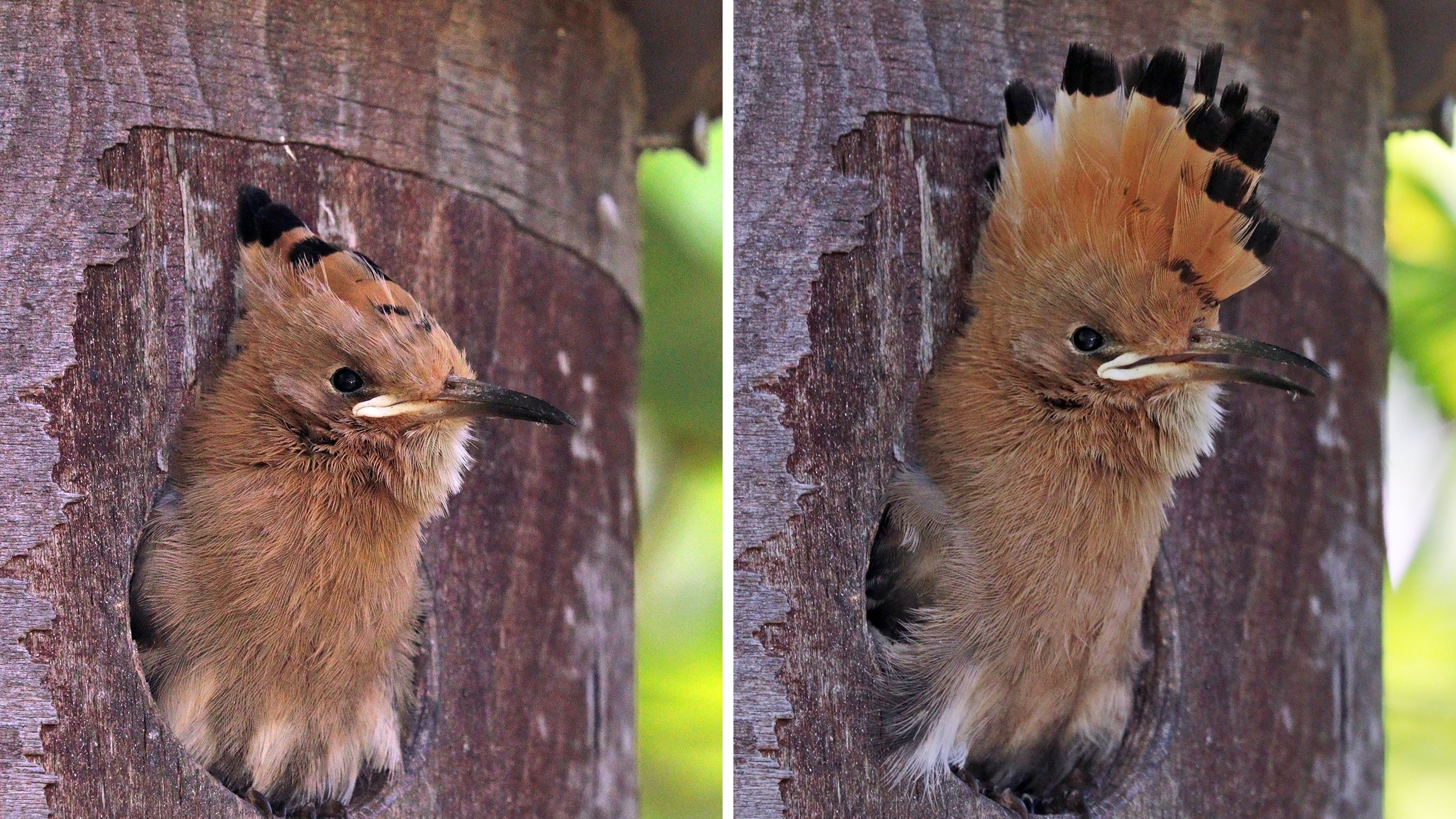
Eurasian Hoopoe Preen Gland Showed the Hallmarks of a Specialized Symbiotic Organ
Microbiome and anatomical evidence from hoopoes in Spain and Switzerland supports the uropygial gland as a specialized organ…
Read story →SPECIES IN THIS STORY
Species in this story
Independent research and conservation news archive
Did you find this information useful?
Wildlife Vagabond is independently built and maintained. Voluntary support helps cover source verification, hosting and continued work on research and conservation news.
Support Wildlife VagabondThe news archive will remain freely available.