
GPS-Collared Tigers Avoided Highways, Settlements and Fragmented Forest in Eastern Vidarbha
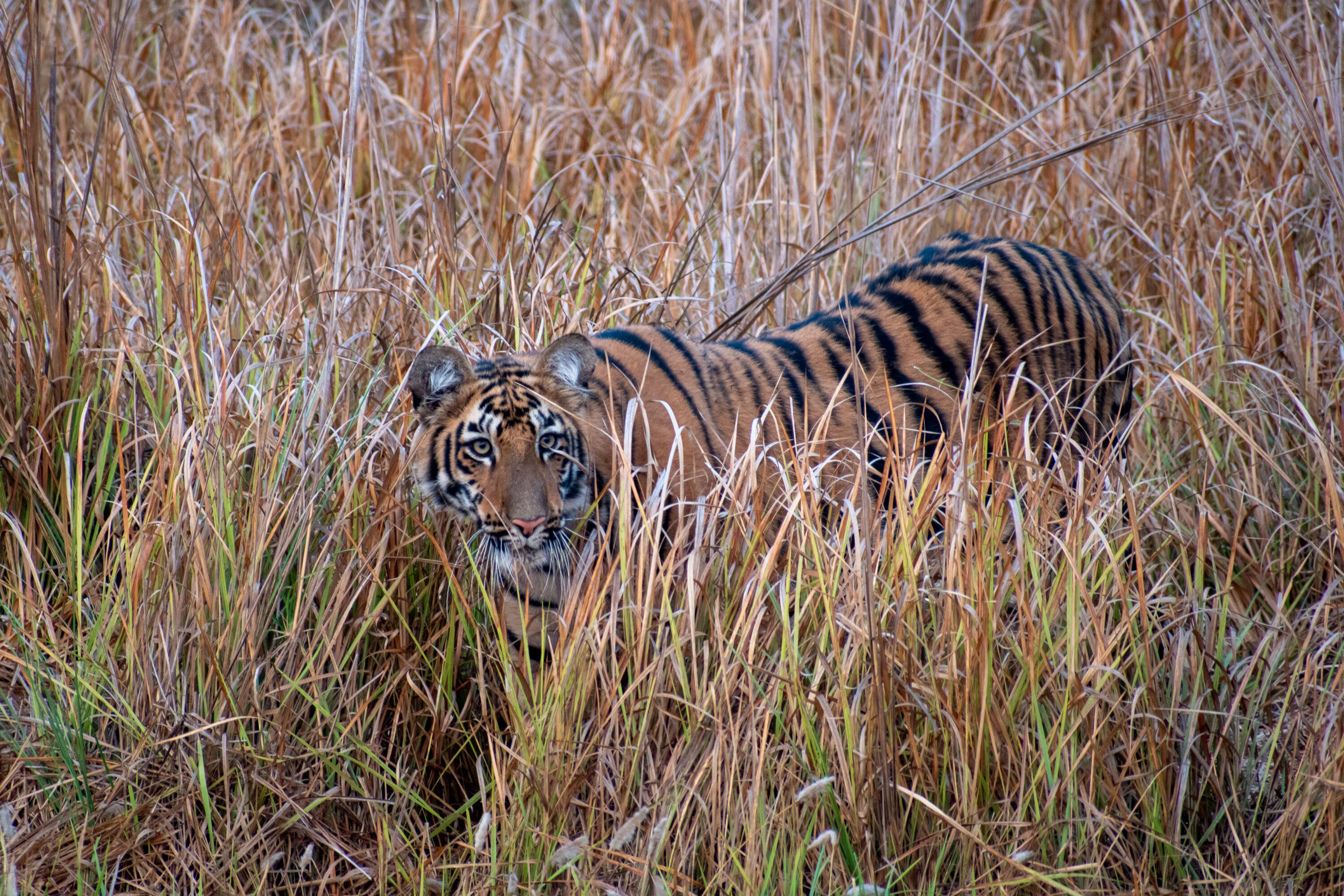
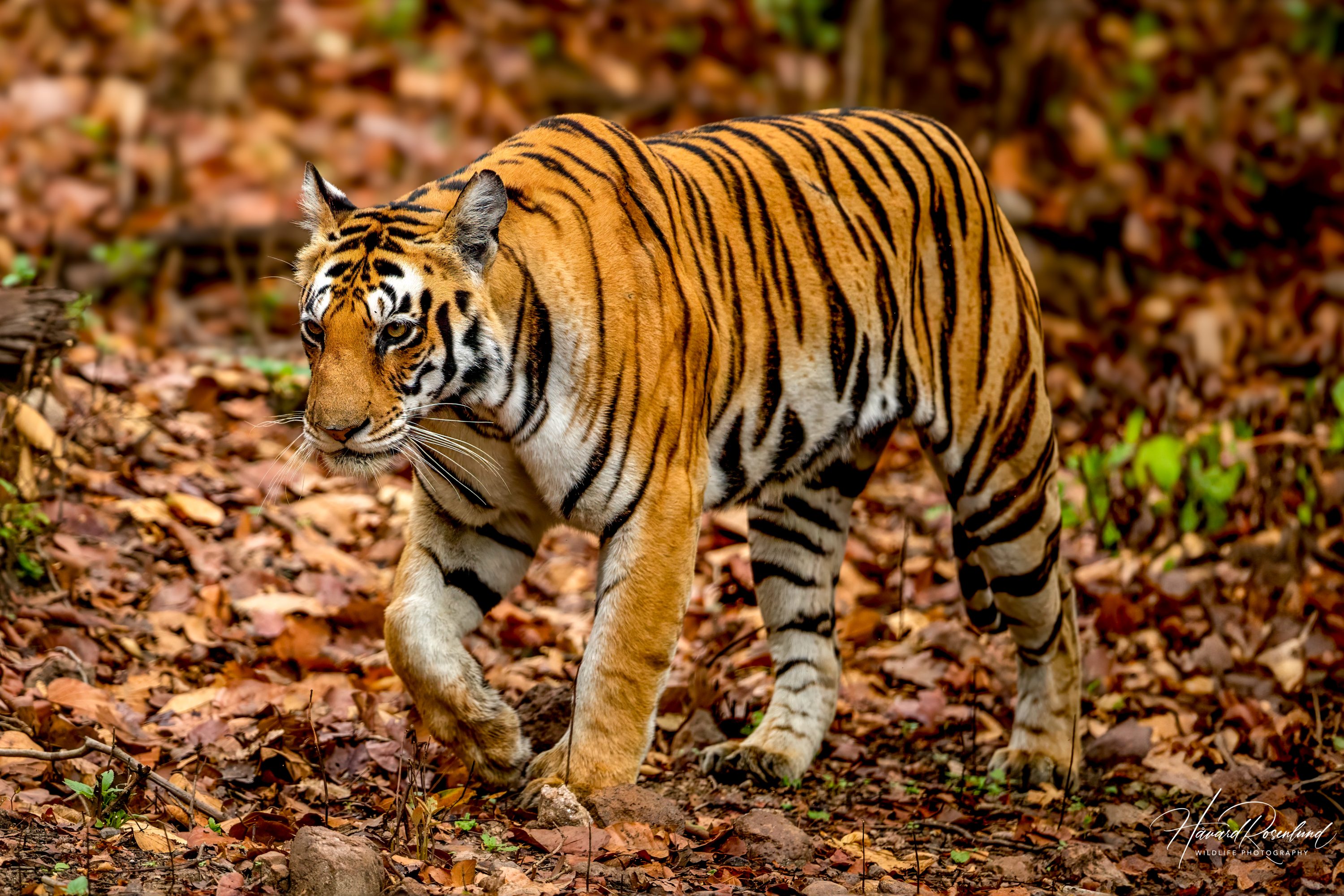
GPS tracking of 15 subadult tigers (Panthera tigris) in the Eastern Vidarbha Landscape of Maharashtra, India, showed strong differences between broad landscape-scale habitat selection and the places the animals used during particular behaviours. At the broader scale, the tigers selected forest and dense vegetation while avoiding highways, human settlements, densely populated areas, agriculture, built-up land, grassland and fragmented forest. The study was published on 1 April 2026 in Landscape Ecology.
The researchers followed the 15 tigers between 2016 and 2022 using GPS collars. The study area included Tadoba-Andhari Tiger Reserve, Umred-Karhandla Wildlife Sanctuary and Tipeshwar Wildlife Sanctuary as well as forests, farmland, settlements and roads outside protected areas. The animals were followed through three life stages: before dispersal, while dispersing from their natal areas and after settling into new home ranges.
Highway effects extended up to about 10 kilometres
Road use depended strongly on road type. At the landscape scale, tigers selected areas closer to minor and primary roads but avoided highways. The authors found that the influence of highways extended up to about 10 km from the road, showing that high-traffic infrastructure can affect habitat selection well beyond the road surface itself. The researchers suggest that lower-traffic roads may sometimes function as useful linear travel routes, while highways represent a much stronger barrier and source of risk.
Fine-scale habitat use changed with behaviour and life stage
The fine-scale analysis showed that habitat use also changed with behaviour. Before dispersal, resting tigers selected forests, grasslands and agricultural areas, while travelling individuals used forest edges and moved more at night. During dispersal, the animals selected forests and dense vegetation while travelling and again increased nocturnal movement. After dispersal, resting tigers selected dense vegetation and avoided grasslands. Area-restricted movements were associated with forests and grasslands and increased at night, and travelling likewise became more nocturnal.
These results mean that broad-scale avoidance of human-modified habitat does not imply that tigers never use such features. The same animal can avoid agriculture, roads or edges when establishing its broader range while still using some of them during particular activities at finer scales. The authors describe this flexibility as especially important for dispersing tigers moving through unfamiliar, fragmented landscapes between protected areas.
The study concludes that maintaining large areas of contiguous forest remains central to tiger persistence in shared landscapes. The authors also identify mitigation of highway barriers and protection of riparian corridors as important measures for keeping functional connections between tiger populations while reducing risks as animals move through human-dominated areas.
Ecology
Related news
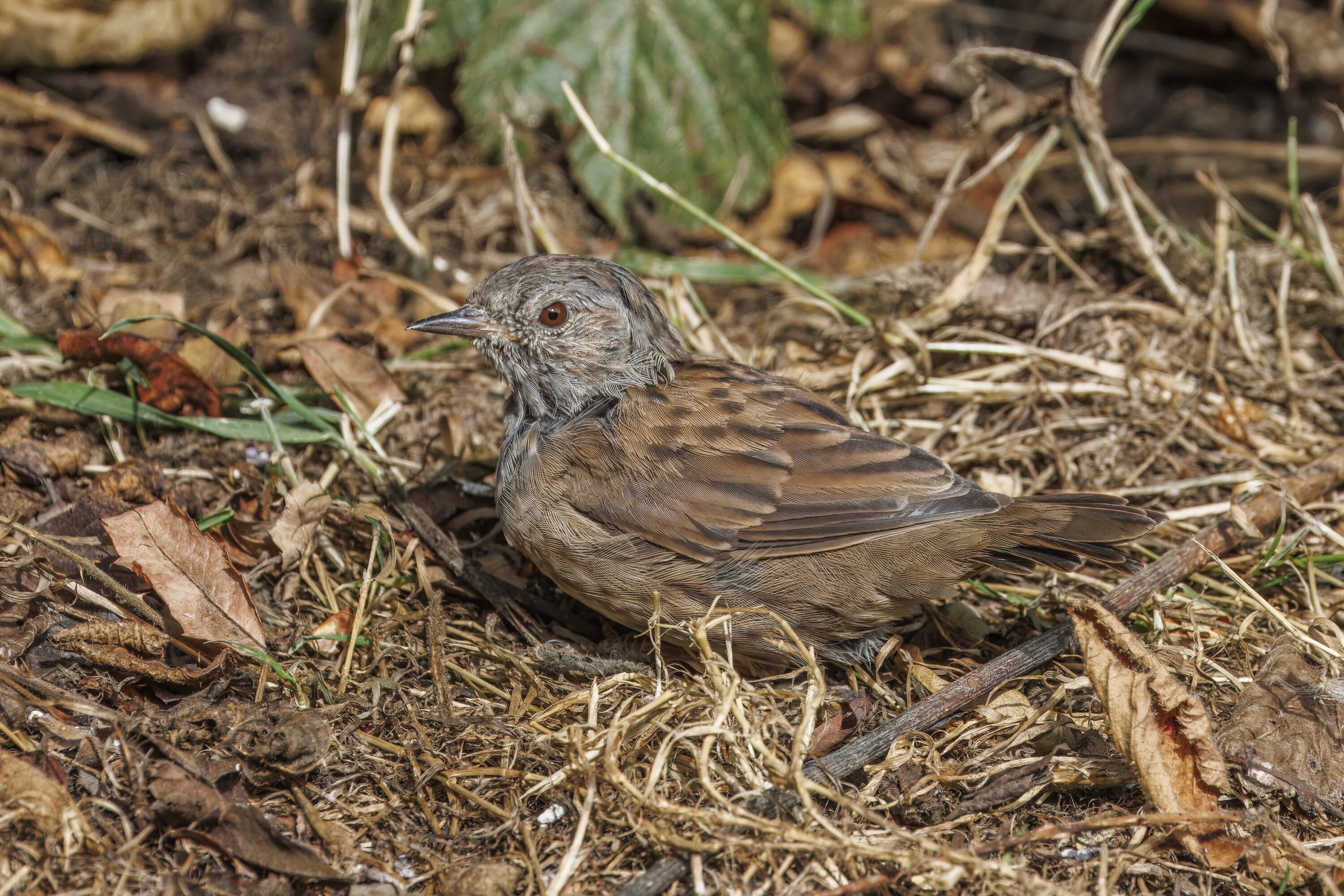
Dunnock Spring Passage Advanced by Up to 8.3 Days Over 61 Years at Hel
Standardised ringing data from northern Poland showed that the first, median and last phases of dunnock spring passage…
Read story →
Inland Mute Swans Had Higher Winter Body Condition Despite Harsher Winters and Supplemental Feeding
A study of 853 mute swans from four Polish wintering regions found higher body condition inland than on…
Read story →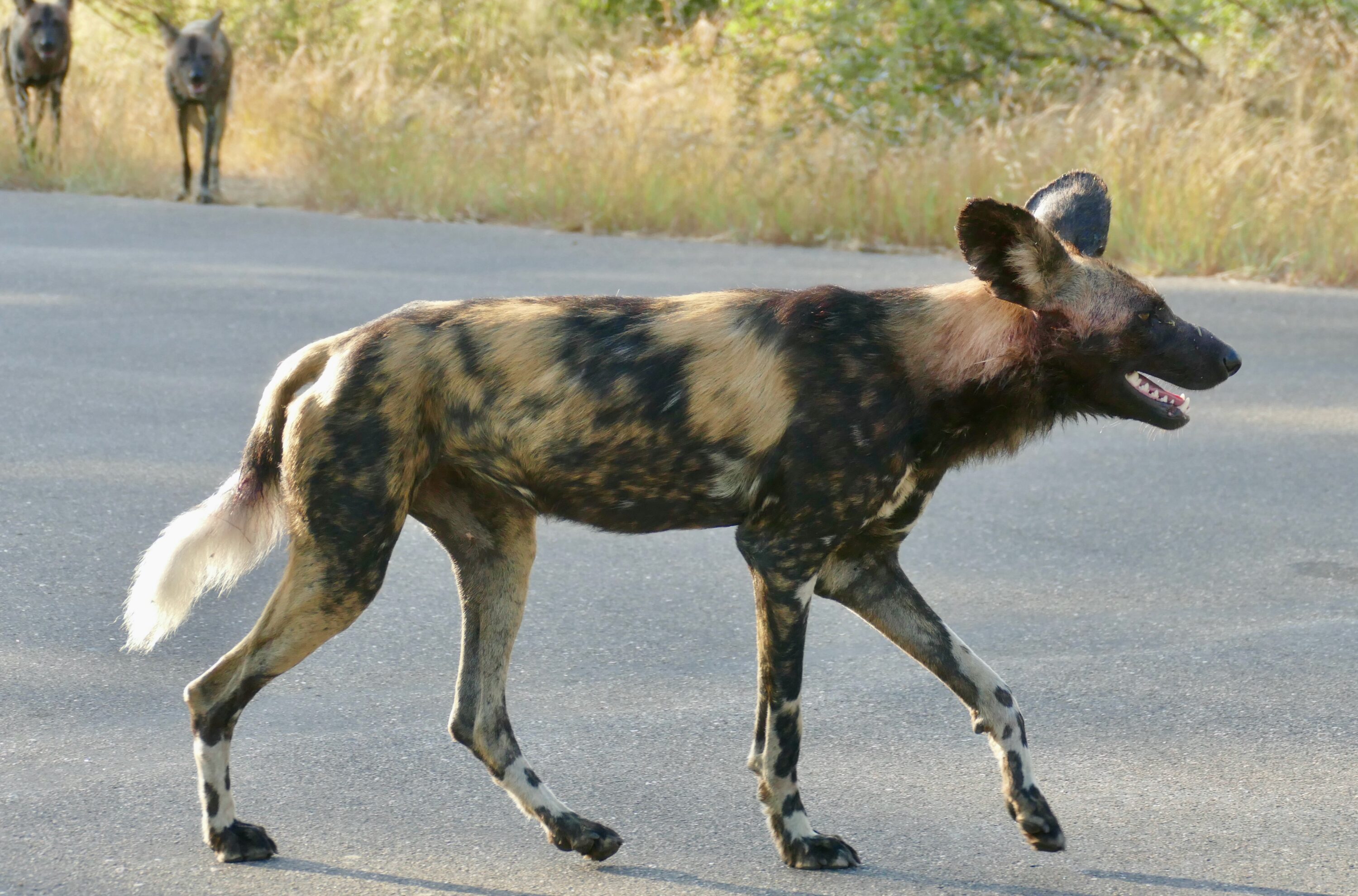
Gut Microbiomes Across Nine Kruger Mammals Clustered More Strongly by Dietary Group Than Species
A study of 89 quality-filtered faecal samples from nine wild mammals in Kruger National Park found that carnivores,…
Read story →SPECIES IN THIS STORY
Species in this story
Independent research and conservation news archive
Did you find this information useful?
Wildlife Vagabond is independently built and maintained. Voluntary support helps cover source verification, hosting and continued work on research and conservation news.
Support Wildlife VagabondThe news archive will remain freely available.