
Two DNA measures agree on how roe deer populations differ—but not on their diversity
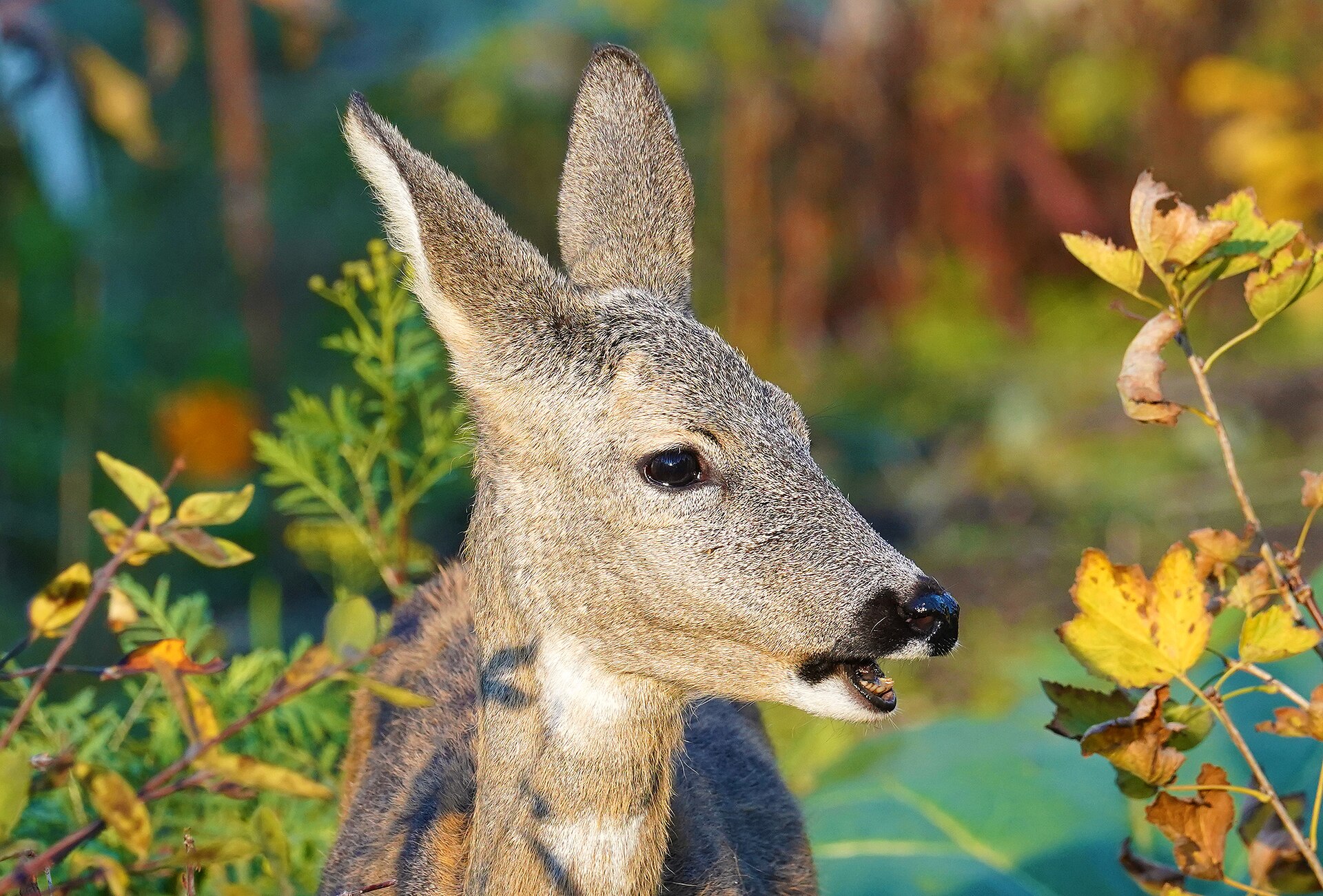
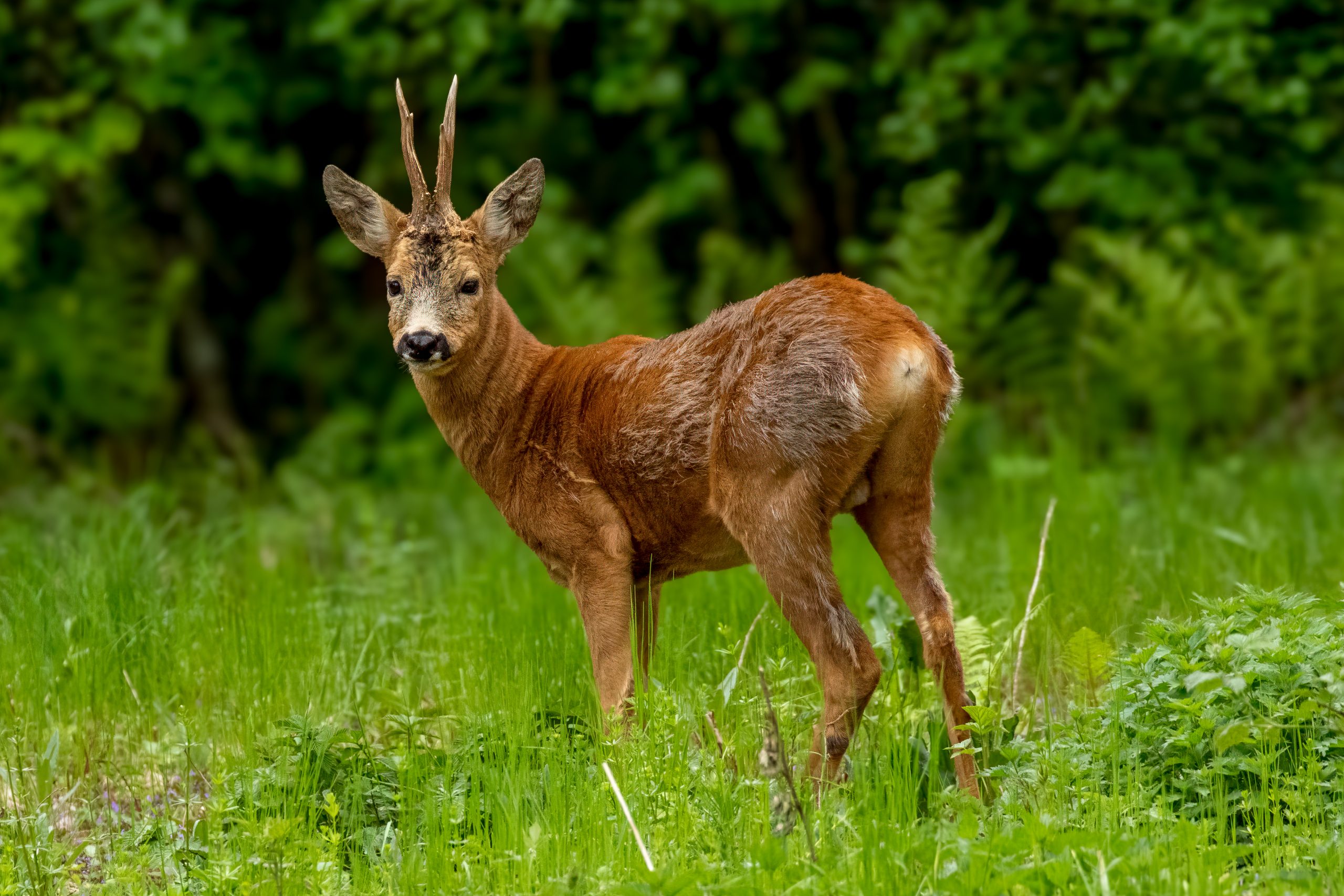
A study of 54 European roe deer (Capreolus capreolus) from Slovenia, Poland and France compared two kinds of genetic variation. Single-nucleotide polymorphisms, or SNPs, are differences at individual DNA positions; structural variants affect larger stretches of DNA. The researchers asked whether these two kinds of evidence tell a similar story about how populations are related, and whether they give similar estimates of genetic diversity. Population structure describes how animals group according to genetic similarity; diversity describes how much genetic variation is present.
Using whole-genome data, the researchers compared population patterns based on about 10.9 million SNPs and 1,027 structural variants. The two marker types broadly agreed on population structure, but produced different estimates of diversity. In other words, they largely identified the same geographic relationships among the sampled deer, but did not give the same picture of how much variation they carried.
Genetic differences followed geography
SNP analyses supported three geographically structured groups. The sampled deer from Slovenia and Poland were the least genetically differentiated, while those from France and Slovenia were the most. Deer from places farther apart also tended to be more genetically different, a pattern known as isolation by distance.
Structural variants recovered a broadly similar population structure, but their estimates of genetic diversity differed from those based on SNPs. The authors linked this mismatch to technical limits in identifying structural variants from short-read DNA data.
The researchers also examined runs of homozygosity: long stretches of DNA where an animal has matching copies inherited from both parents. The pattern was consistent with a historical population bottleneck or a founder effect, in which a population is established by relatively few animals.
A mitochondrial signal without a nuclear one
Two roe deer from Poland carried mitochondrial haplotypes previously reported in Siberian roe deer (Capreolus pygargus). Yet the researchers found no corresponding sign of Siberian ancestry in the animals’ nuclear DNA. They interpret this combination as consistent with ancient, evolutionarily neutral mitochondrial introgression. Introgression is the transfer of genetic material between species through past hybridisation; here, the mitochondrial signal remained without a detectable Siberian contribution across the nuclear genome.
The preprint provides a genomic baseline for roe deer in the three sampled countries and shows that estimates of population history can depend on which kind of genetic variation is examined.
Genetics & genomics
Related news
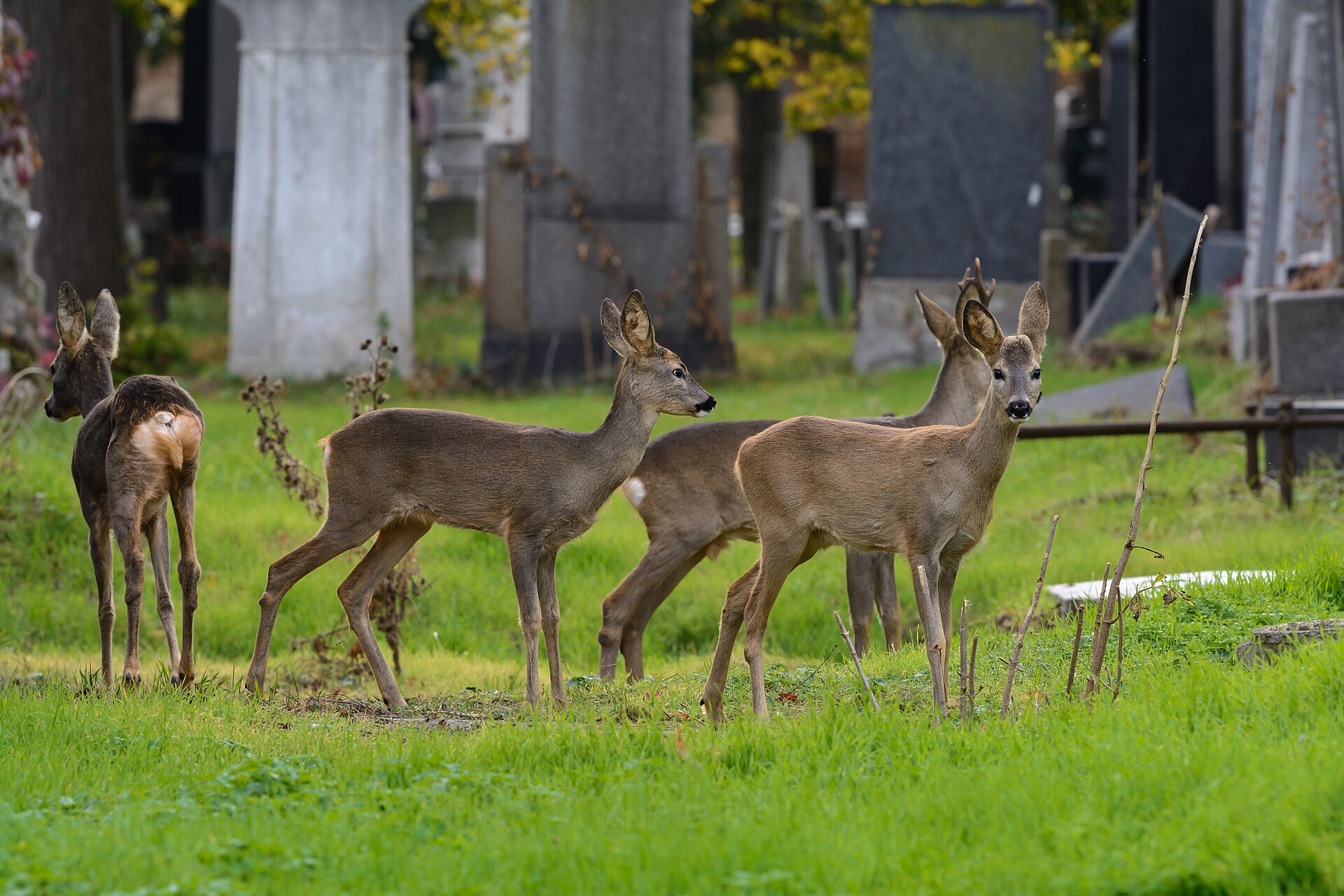
Fast-growing male Soay lambs had shorter telomeres; in roe deer, habitat mattered
A review found mixed evidence for a growth–telomere link. In wild Soay sheep, postnatal mass gain was associated…
Read story →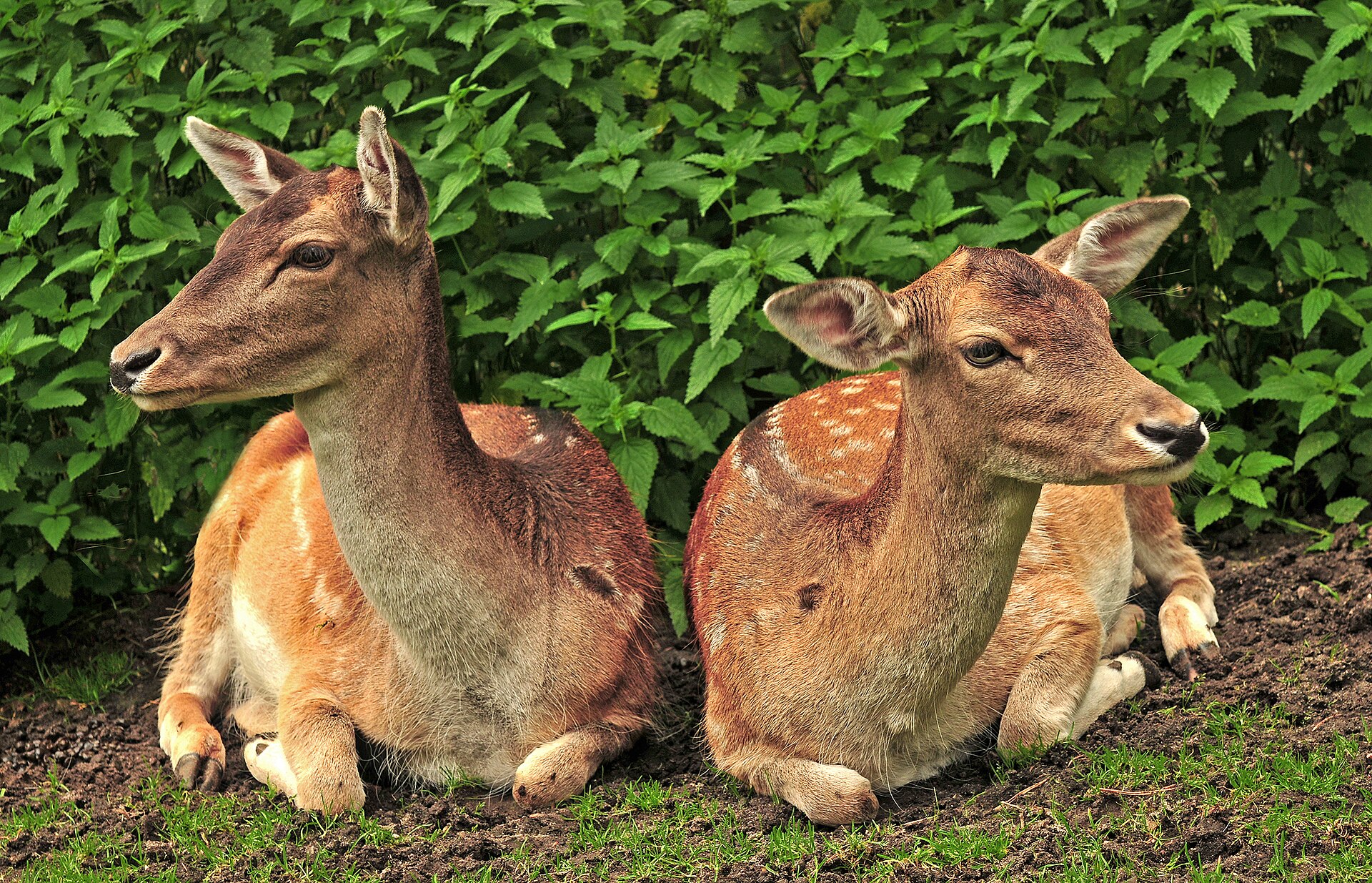
Meat colour differed among four wild ungulates, but could not reliably identify them
Measurements of a shoulder muscle from roe deer, fallow deer, red deer and European mouflon found differences in…
Read story →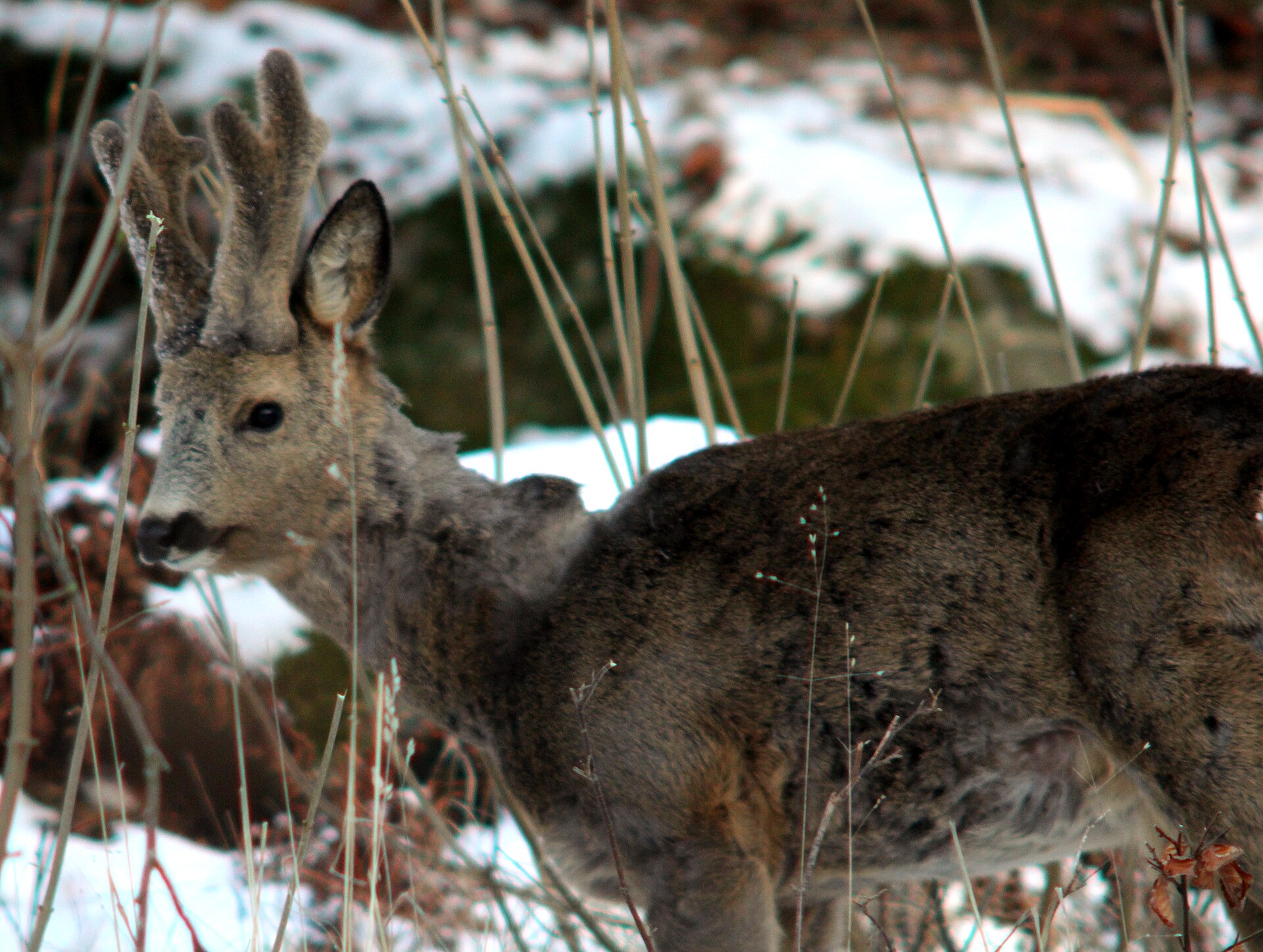
More wind turbines were associated with larger roe deer home ranges
GPS tracking of roe deer at three wind farms in east-central Poland found larger home ranges where more…
Read story →SPECIES IN THIS STORY
Species in this story
Independent research and conservation news archive
Did you find this information useful?
Wildlife Vagabond is independently built and maintained. Voluntary support helps cover source verification, hosting and continued work on research and conservation news.
Support Wildlife VagabondThe news archive will remain freely available.