
Britain’s Wintering Black-headed Gull Estimate Fell About 49% in Two Decades
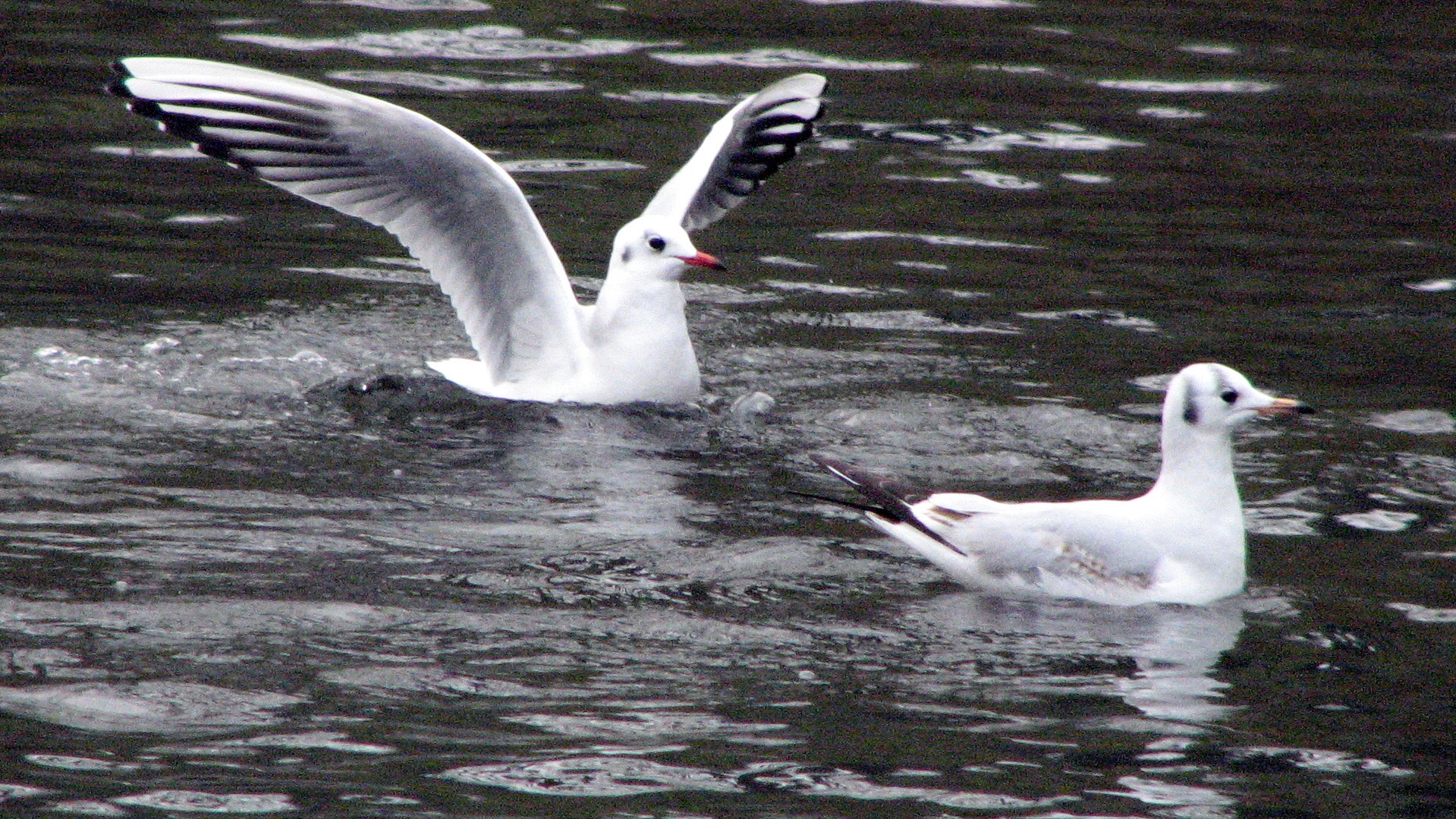
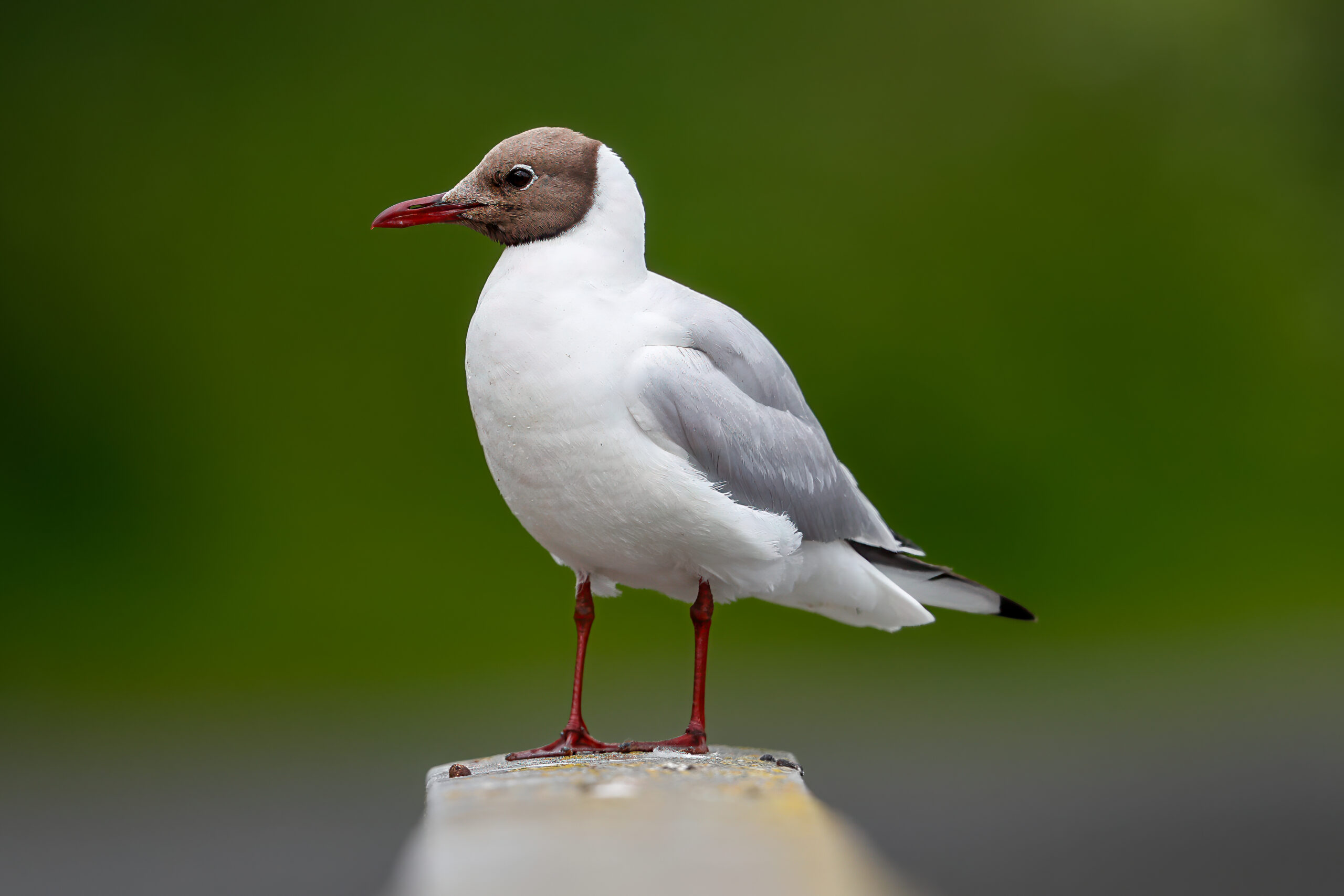
Great Britain’s wintering black-headed gull (Chroicocephalus ridibundus) population was estimated at about 1.1 million birds in the 2023/24–2024/25 Winter Gull Survey. The comparable estimate from 2003/04–2005/06 was about 2.16 million, making the new full-population point estimate 48.9% lower.
The survey was the first comprehensive British winter gull assessment in roughly two decades. Because the two survey periods did not cover exactly the same set of places, the report also used a separate analysis restricted to sectors that had been surveyed in both periods.
Roost surveys were used to estimate birds beyond the largest known sites
Observers counted gulls gathering to roost, usually around dusk. Major known inland and coastal roosts were covered directly, while additional inland and coastal areas were sampled with a stratified design. These sampled areas were then used to estimate birds beyond the best-known large roosts.
The figure of 1,101,791 black-headed gulls is therefore a population estimate rather than a direct count of exactly that many birds. The report shows substantial uncertainty around the precise total, so the result is normally reported as about 1.1 million.
Both comparisons showed a major decline
Comparing the two full population estimates gives a decline of 48.9%. The separate like-for-like analysis of sectors surveyed in both periods estimated an overall decline of about one third across Great Britain.
These figures answer slightly different questions. The full estimates use all available information from each survey period, including sites that were not covered both times. The paired-sector analysis asks how numbers changed within the same set of repeatedly surveyed areas. Both therefore point to a substantial long-term decline, but they should not be treated as interchangeable percentages.
England and Scotland showed the clearest country-level declines
In the paired-sector analysis, both England and Scotland showed clear overall declines of roughly one third. Wales did not show a clear overall change in the same analysis, even though its full population point estimate was lower than in the earlier survey.
This distinction matters because national point estimates can shift when survey coverage or the geographical distribution of birds changes between periods. Repeatedly surveyed sectors provide the more direct comparison of change in the same places.
No single cause explains the decline
The report does not attribute the long-term decline to one cause. Highly pathogenic avian influenza, including severe mortality in 2023, may have contributed to recent losses, but monitoring indicates that black-headed gull numbers were already declining before the major H5N1 outbreaks.
The authors also discuss changes in breeding habitat, disturbance, predation, food availability and broader changes elsewhere in the migratory population as possible influences. The Winter Gull Survey itself cannot determine how much each factor contributed.
The smaller population estimate also lowers the number of birds needed for a winter roost to hold 1% of the Great Britain population. With about 1.1 million birds estimated nationally, that threshold is now roughly 11,000 black-headed gulls.
Population & status
Related news
GPS-Based Models Highlighted the Lower Sumida as a Key Black-headed Gull Corridor in Tokyo
GPS tracking showed that black-headed gulls followed different river features at different movement scales in Tokyo, while GPS-based…
Read story →
Black-headed Gull Sample Yielded the Longest Known Calicivirus Genome
A Hungarian black-headed gull faecal sample yielded an 8,845-nucleotide avian calicivirus genome with unusual RNA structures and enough…
Read story →
New Papillomavirus Genome Identified in Black-headed Gull Faeces in China
Researchers identified the 7,794-base-pair CrPV1 genome in faecal samples from black-headed gulls in Sichuan and found it genetically…
Read story →SPECIES IN THIS STORY
Species in this story
Independent research and conservation news archive
Did you find this information useful?
Wildlife Vagabond is independently built and maintained. Voluntary support helps cover source verification, hosting and continued work on research and conservation news.
Support Wildlife VagabondThe news archive will remain freely available.