
Uncultivated Habitat Had the Highest Nesting and Hatching Success for Yellow-wattled Lapwings
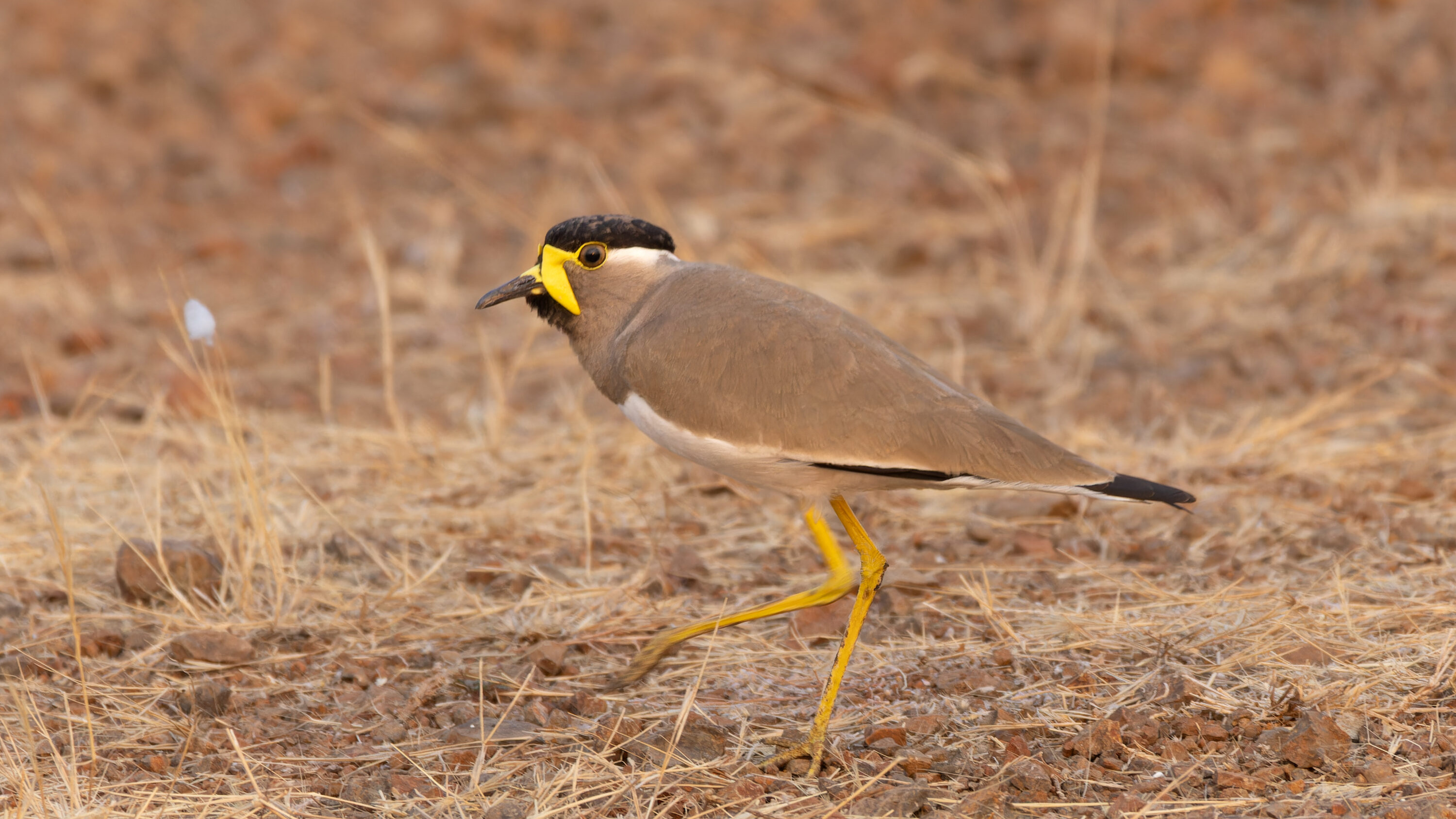
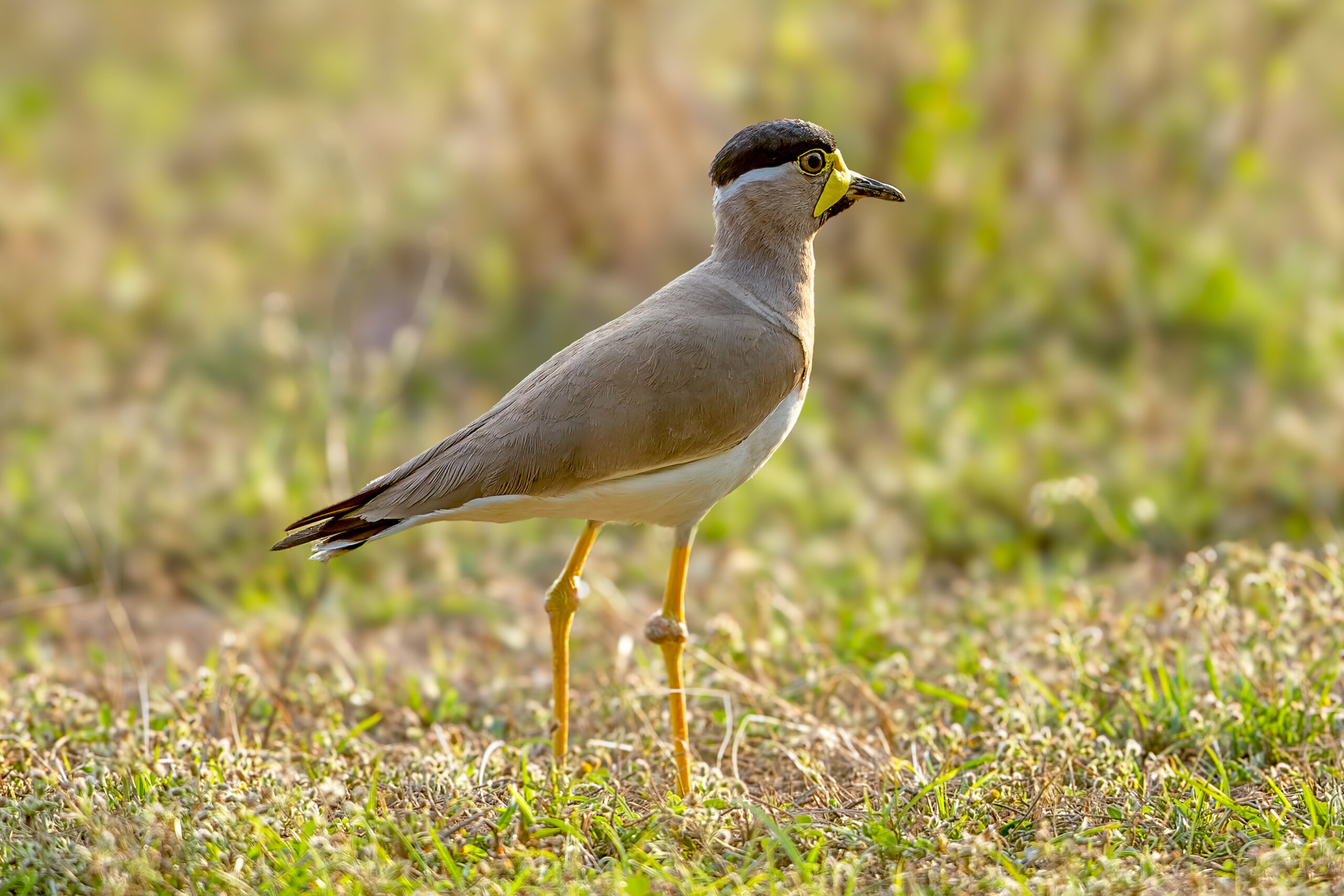
A five-year study of yellow-wattled lapwing (Vanellus malabaricus) breeding around Lucknow in northern India found clear differences in nesting and hatching success among habitats. The study, published on 30 March 2026, monitored 189 nests from 2020 to 2024 and recorded the best breeding outcomes in uncultivated habitat and the poorest along rivers.
The researchers followed nesting pairs through the breeding season, recorded nest and egg characteristics and compared daily nest survival and breeding success. They also documented causes of failure and identified predators associated with lost nests and eggs.
Most egg laying occurred in April
The timing of the first egg varied among years, with the earliest first nest recorded on 14 March and the latest on 30 April. The final nests with eggs were recorded between 12 and 29 May. April had the highest frequency of egg laying, while May had the lowest.
Most nests occurred in medium-sized colonies containing four or five nests. Average clutch size was about 3.4 eggs, and the mean incubation period was about 29 days. Hatching was recorded both synchronously and asynchronously, with median hatching dates falling between 20 May and 2 June.
Habitat strongly influenced breeding outcome
Nesting and hatching success differed among habitats and years. Uncultivated areas had the highest daily survival rate as well as the highest nesting and hatching success, while river habitats had the lowest values.
Predation and agricultural activities were among the main causes of nest and egg failure. The identified predators included reptiles, mammals and birds.
Predation risk depended on several nest-site factors
Predation risk was linked with several features of the breeding situation, including habitat, colony size, clutch size, distance to the nearest water body, distance to the nearest nest, distance to trees or other perches, predator abundance and the timing of egg laying.
Reproduction & development
Related news
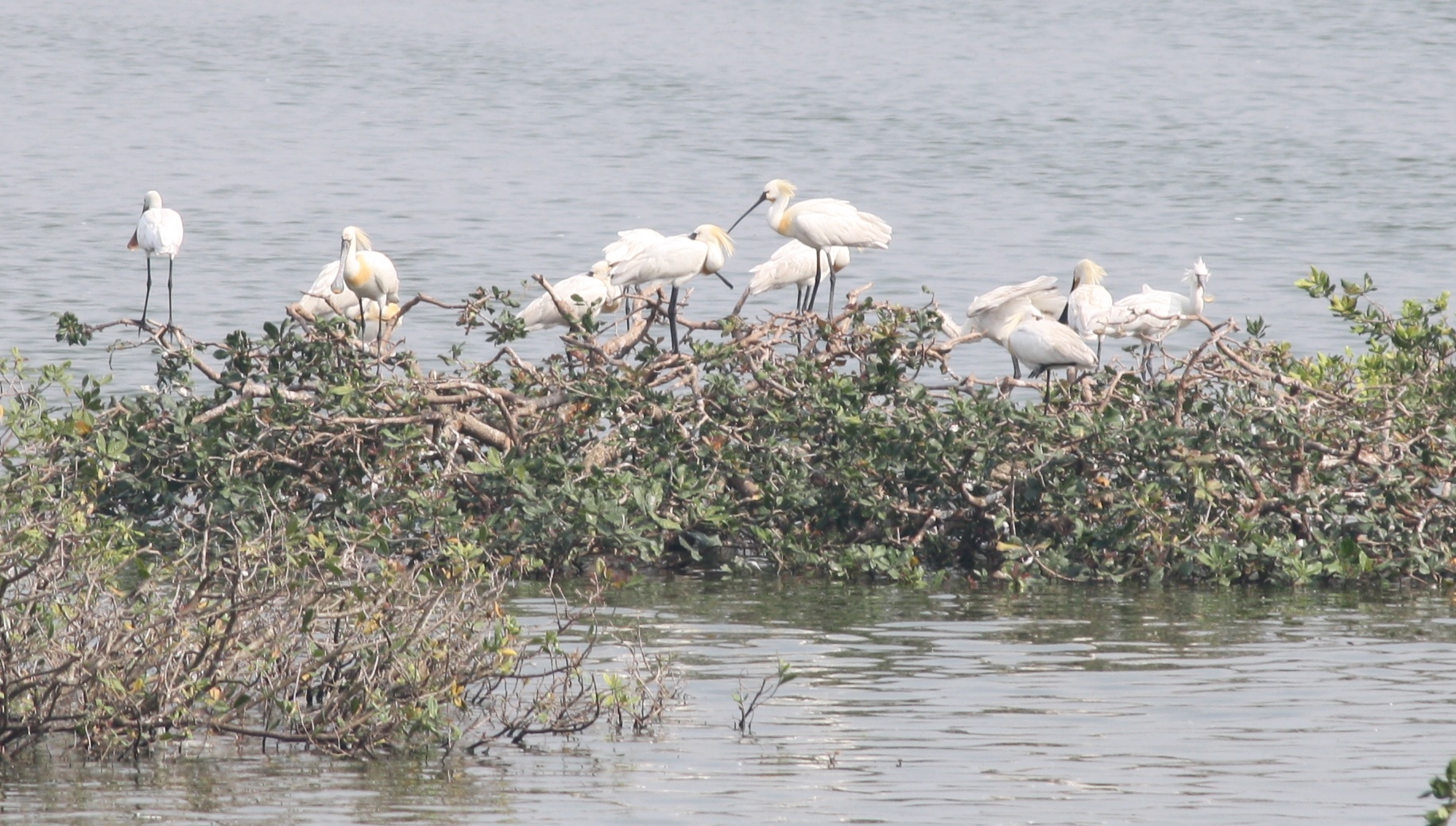
Therthangal Spoonbill Colony Returned to 12 Active Nests After Complete Breeding Failure
Six breeding seasons at Therthangal Bird Sanctuary in Tamil Nadu ranged from 12 active Eurasian Spoonbill nests in…
Read story →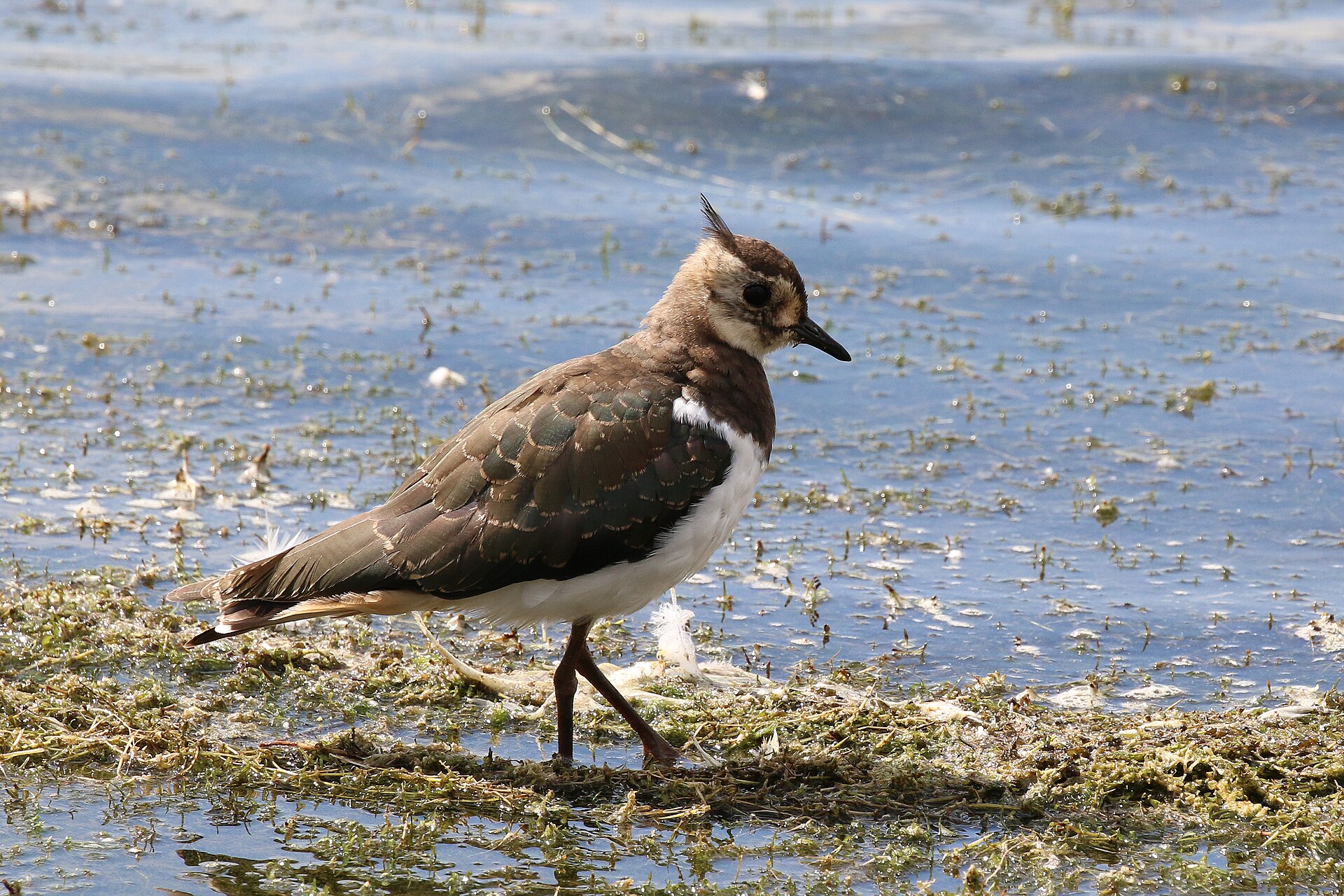
Lapwing and Oystercatcher Nesting Shifted in Opposite Directions With Latitude
Fifty years of UK nest records showed that northern lapwings nested later towards the north while Eurasian oystercatchers…
Read story →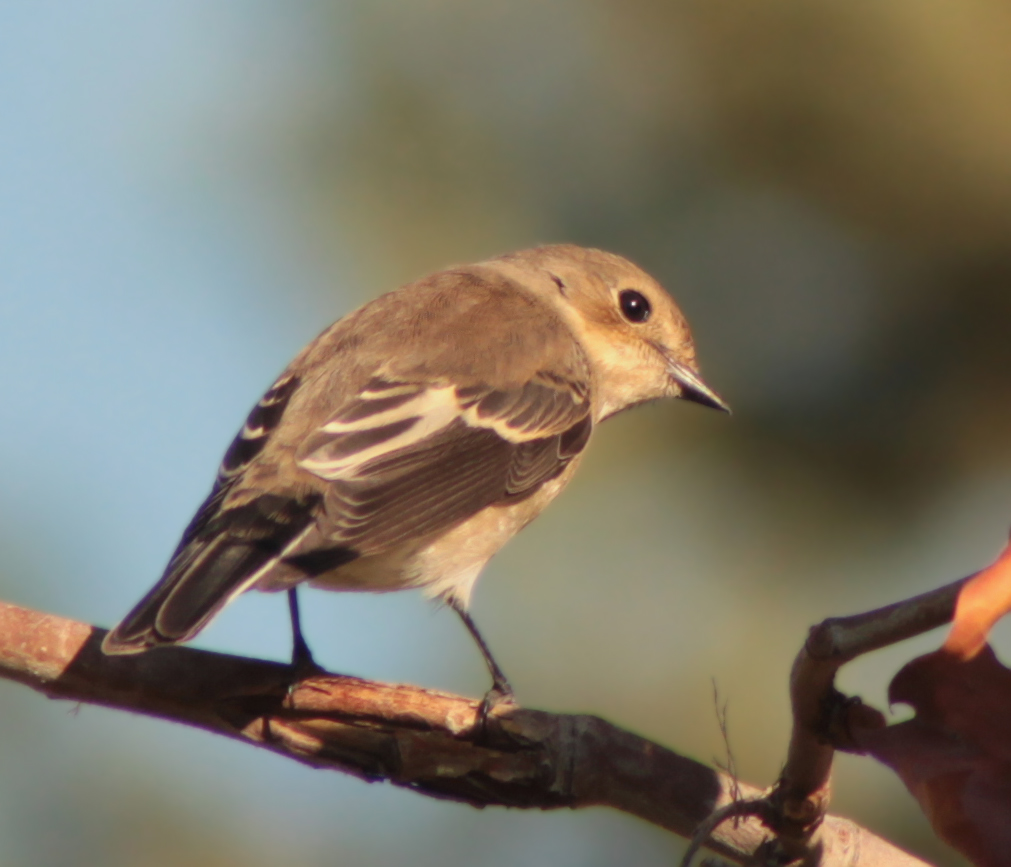
Late Spring Frost Was Linked to About 4% Smaller Pied Flycatcher Eggs
After a severe April frost damaged emerging oak foliage at Valsaín in central Spain, Pied Flycatchers laid eggs…
Read story →SPECIES IN THIS STORY
Species in this story
Independent research and conservation news archive
Did you find this information useful?
Wildlife Vagabond is independently built and maintained. Voluntary support helps cover source verification, hosting and continued work on research and conservation news.
Support Wildlife VagabondThe news archive will remain freely available.