
Urban Great Tits Bred Earlier but Some Adjusted Less to Spring Temperature
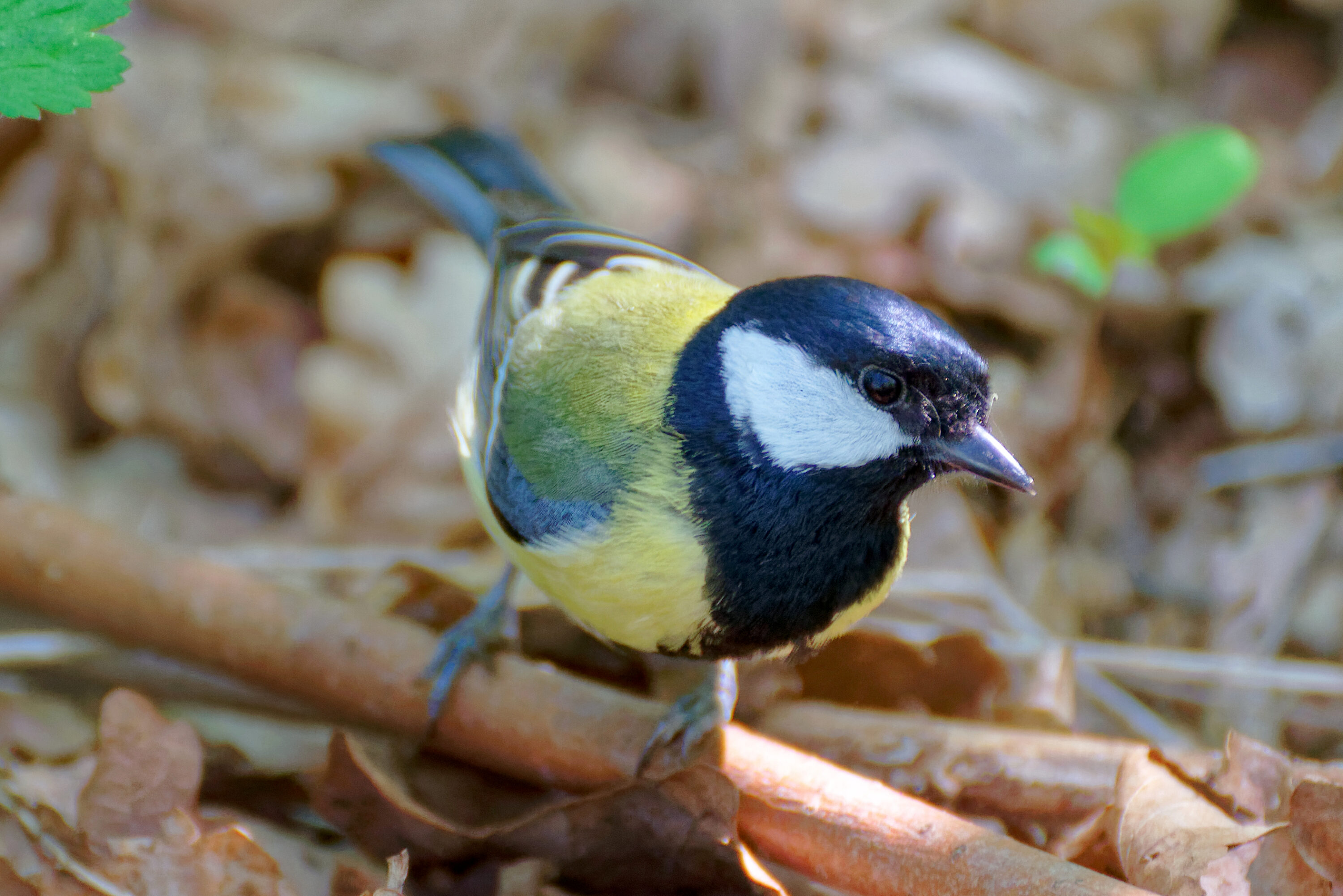
Great tits (Parus major) generally began breeding earlier in cities than in nearby forests, but reduced adjustment to spring temperature was found in only some urban populations. The study combined five long-term European urban–forest systems and was published in Proceedings of the Royal Society B on 1 April 2026.
The researchers compared laying dates, the response of laying date to spring temperature and variation among individual birds. The data came from Montpellier and Paris in France, Antwerp in Belgium, Malmö in Sweden and Harjavalta in Finland, and included 12,609 first-clutch laying dates. This temperature response describes phenological plasticity: how strongly breeding timing shifts between warmer and colder springs. For an insect-eating songbird, that flexibility can help breeding remain synchronized with seasonal food peaks as spring conditions vary from year to year.
Urban birds laid earlier in four of five study systems
Great tits in the urban habitat laid earlier than their paired forest populations in four of the five study systems, with average differences ranging from 2.16 to 4.82 days. The broad pattern is consistent with earlier spring conditions in cities, although the study did not assign the difference to one factor such as temperature, artificial light, food or vegetation.
Only some cities showed weaker temperature tracking
In two urban populations, Montpellier and Paris, laying date changed less with annual spring temperature than in the corresponding forest population. The other three systems did not show clear evidence of reduced urban plasticity, so earlier urban breeding did not imply a universally weaker temperature response.
Variation among individual laying dates was greater in three urban populations: Montpellier, Antwerp and Harjavalta. Within the urban sites alone, the proportion of impervious surface around nest locations had little effect on laying date or its response to spring temperature. The results therefore show substantial city-to-city variation rather than one uniform urban pattern.
Reproduction & development
Related news
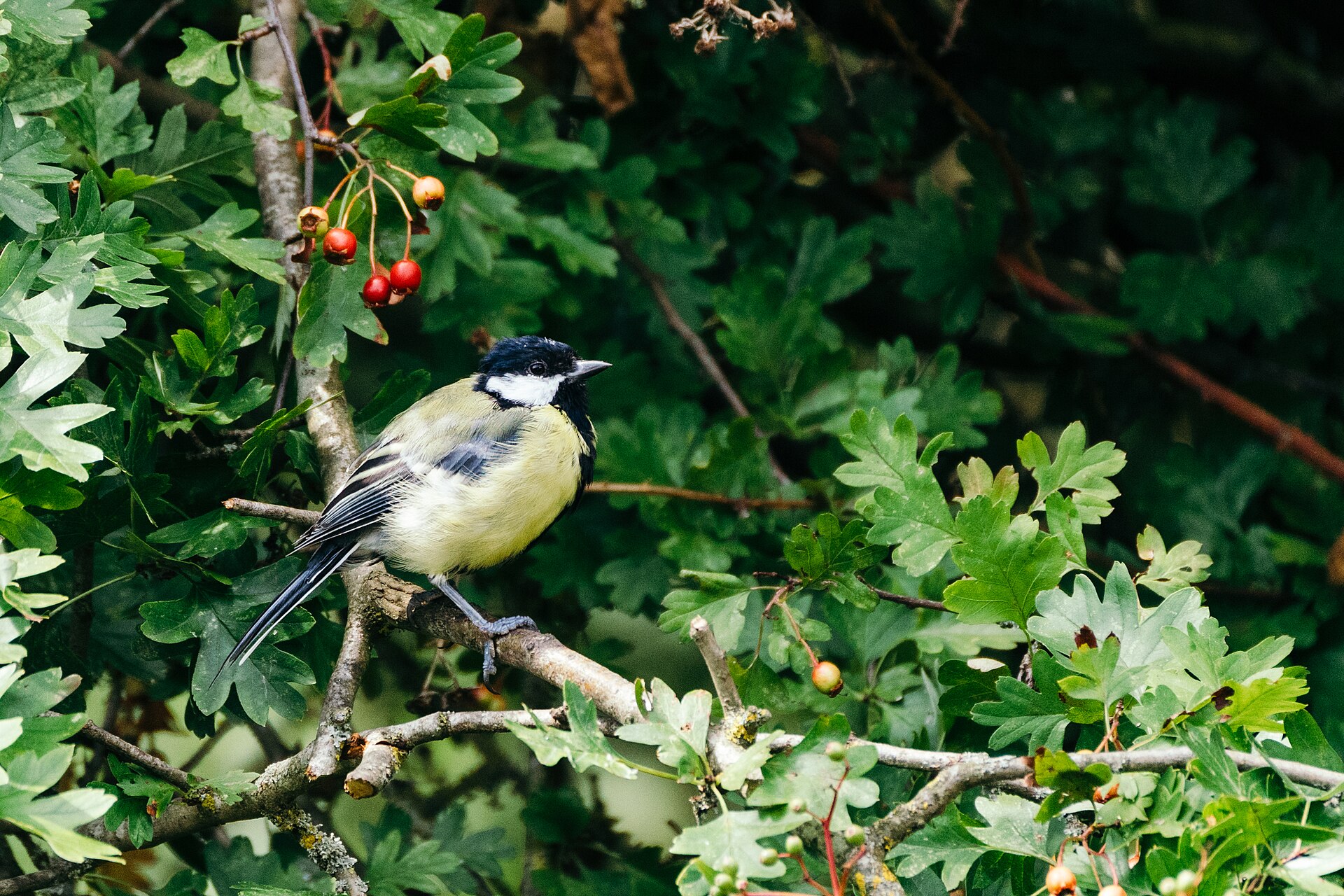
City and Forest Great Tits Respond Differently to Artificial Light at Night
In a common-garden experiment, artificial light initially advanced daily activity onset in great tits from both city and…
Read story →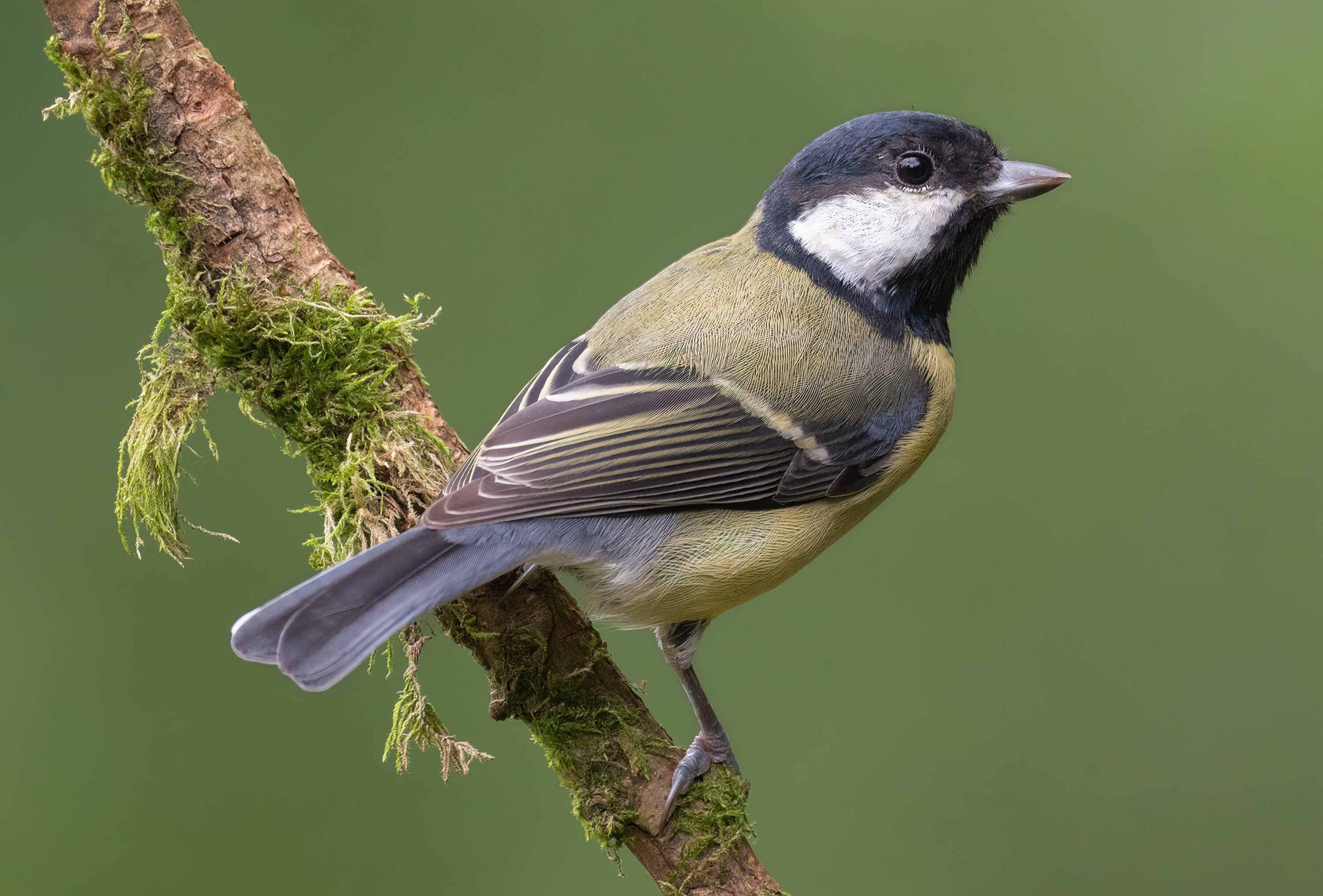
Great Tits Infected Ticks With Borrelia Most Often During Breeding
Across 420 xenodiagnoses in northern Belgium, wild Great Tits were much more likely to transmit Borrelia garinii to…
Read story →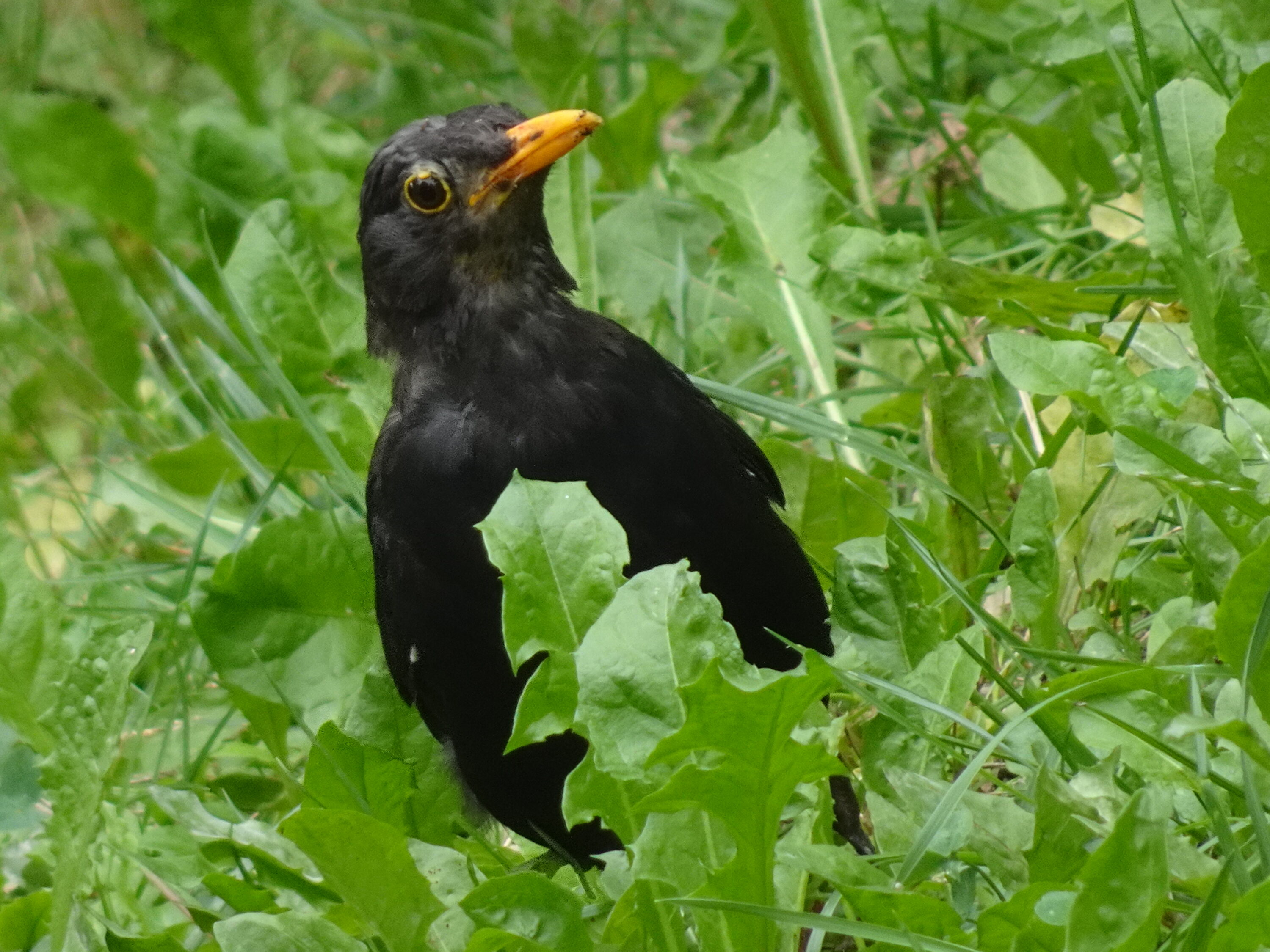
Urban Bird Diversity Was More Strongly Linked to Forest Structure Than the Surrounding City
Across 12 urban forests in three Italian cities, researchers recorded 2,035 birds from 52 species. Local forest structure…
Read story →SPECIES IN THIS STORY
Species in this story

Independent research and conservation news archive
Did you find this information useful?
Wildlife Vagabond is independently built and maintained. Voluntary support helps cover source verification, hosting and continued work on research and conservation news.
Support Wildlife VagabondThe news archive will remain freely available.