
Urban waterfowl across New Zealand share many of the same virus species
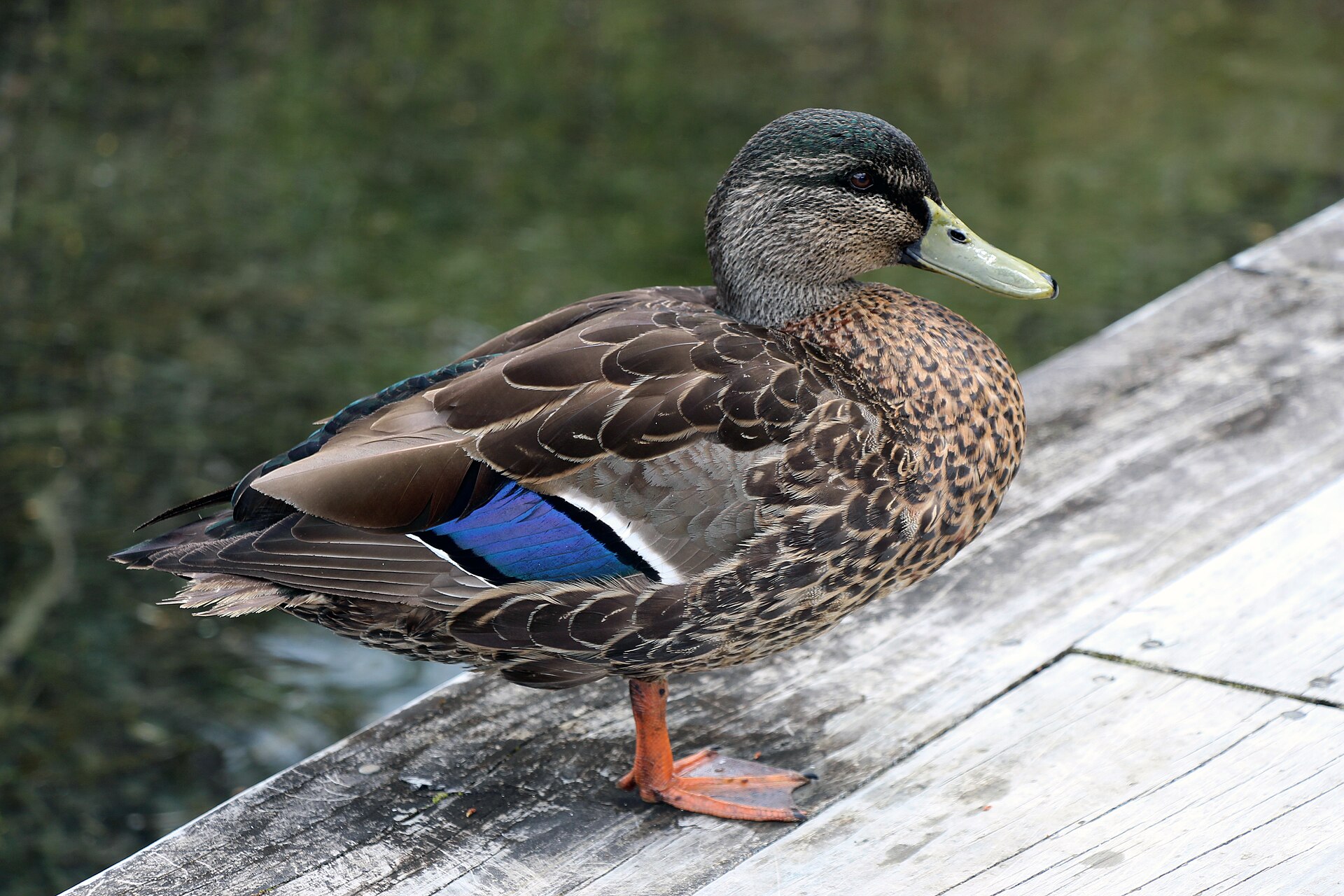
Waterfowl in urban areas across Aotearoa New Zealand carried a diverse range of viruses. Yet the virus communities found at 13 locations spanning more than 1,500 kilometres showed little geographic separation. Some viruses carried by waterfowl can affect wildlife, livestock and human health.
Researchers identified 96 avian viruses representing 50 species across nine viral families. Thirty-three had not previously been described. Picornaviruses, a diverse family of small RNA viruses, were the most widespread group. Several detected viruses were closely related to viruses previously identified in Australian waterfowl, suggesting that some lineages may occur across the wider Australasian region.
Virus diversity and species composition differed little among the sampling locations, and many virus species were found at multiple sites. The study documents this similarity but does not establish how viruses moved between locations.
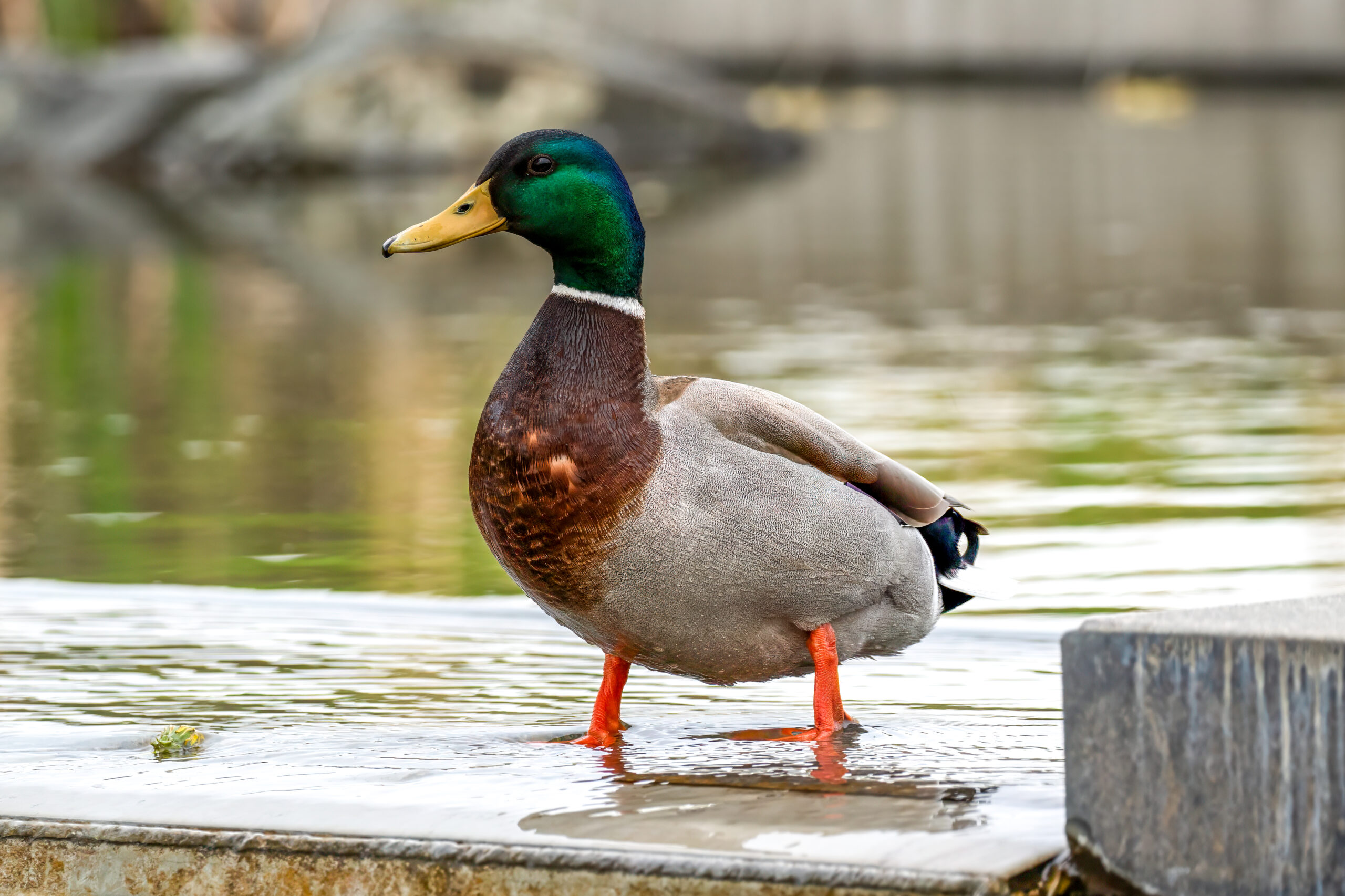
Researchers also recovered the complete genome of a low-pathogenic avian influenza A(H3N8) virus from mallards (Anas platyrhynchos) in the study’s southernmost region. Low-pathogenic avian influenza viruses typically cause little or no illness in poultry. Detecting the virus’s genome does not by itself show whether the sampled birds were ill.
Ecology
Related news
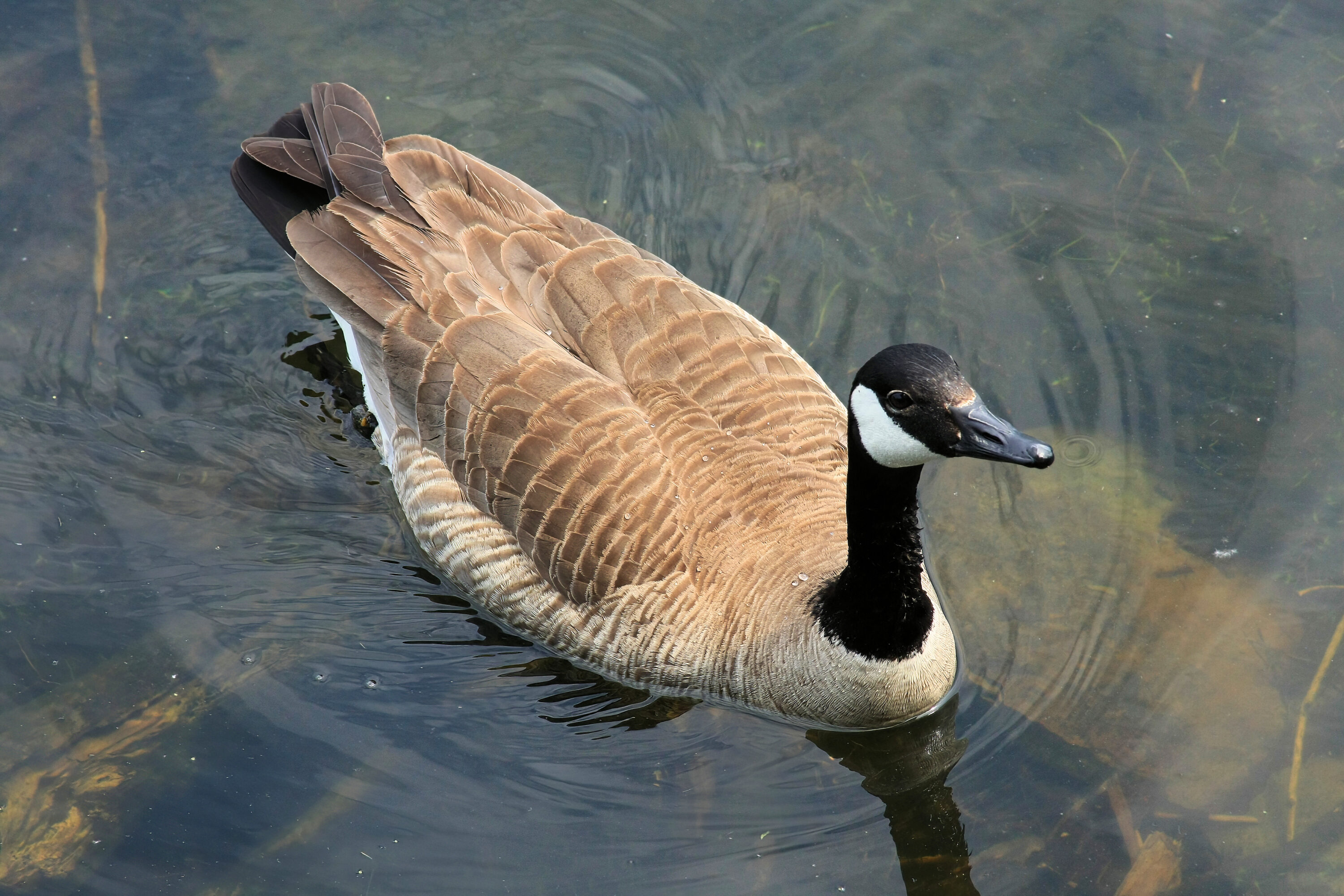
Seven overlaps linked wild-bird H5 clusters with poultry outbreaks in the US
Across seven periods between 2022 and 2025, clusters of H5 detections in wild waterfowl overlapped in time and…
Read story →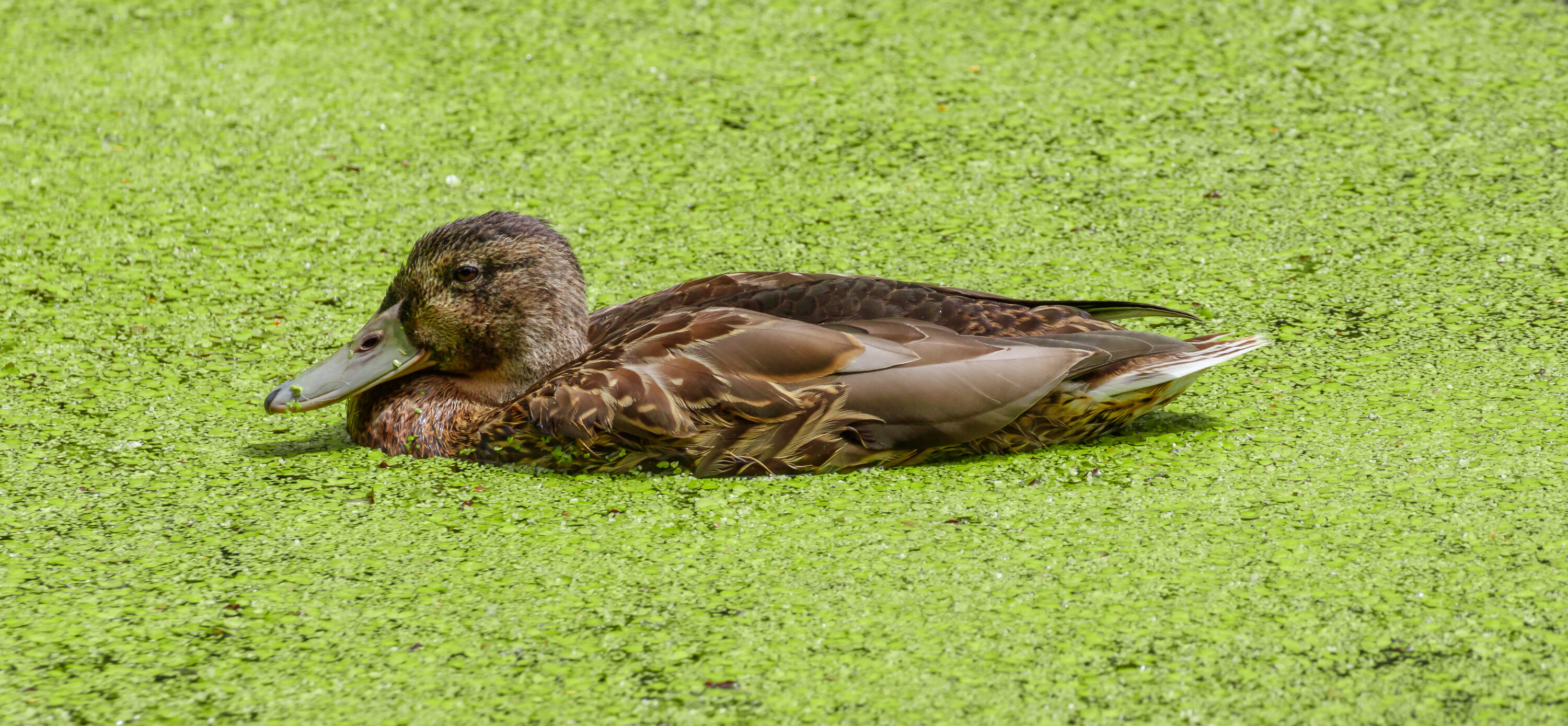
H5 Avian Influenza RNA and ESBL E. coli Detected in Water Bins Used by Wild Mallards in Germany
Water from baited bins visited mainly by wild mallards on Germany’s Baltic coast contained RNA from highly pathogenic…
Read story →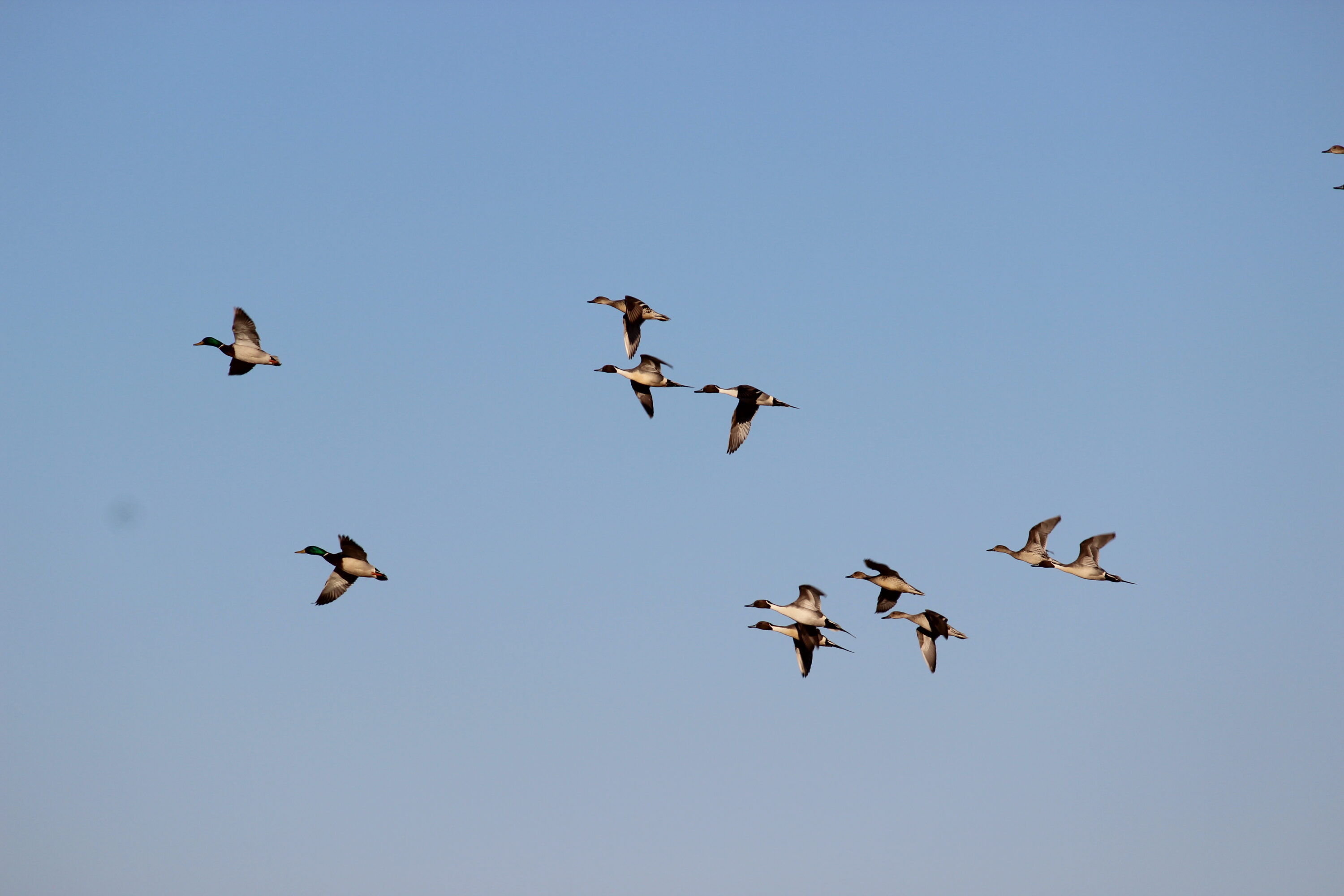
Papillomavirus Genomes Recovered from Three Northern Pintails and One Mallard in New Mexico
Cloacal swabs from three northern pintails and one mallard in New Mexico yielded four complete papillomavirus genomes. All…
Read story →SPECIES IN THIS STORY
Species in this story
Independent research and conservation news archive
Did you find this information useful?
Wildlife Vagabond is independently built and maintained. Voluntary support helps cover source verification, hosting and continued work on research and conservation news.
Support Wildlife VagabondThe news archive will remain freely available.