
H5 Avian Influenza RNA and ESBL E. coli Detected in Water Bins Used by Wild Mallards in Germany
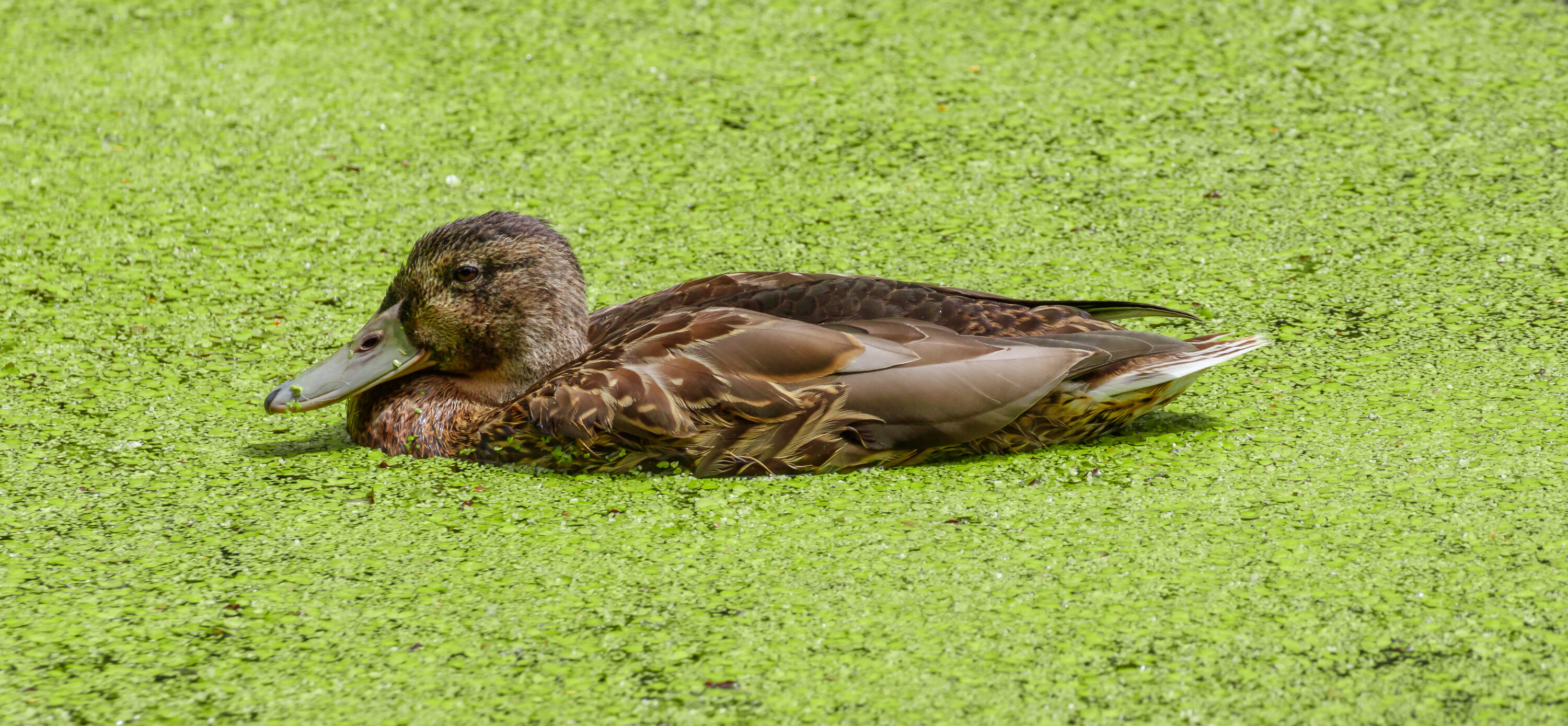
A non-invasive wildlife surveillance study on Germany’s Baltic coast detected avian influenza viruses and antibiotic-resistant Escherichia coli in small baited water bins visited mainly by wild mallards (Anas platyrhynchos). The study was published online on 17 August 2026 in One Health and tested a method designed to monitor pathogens without capturing or handling birds.
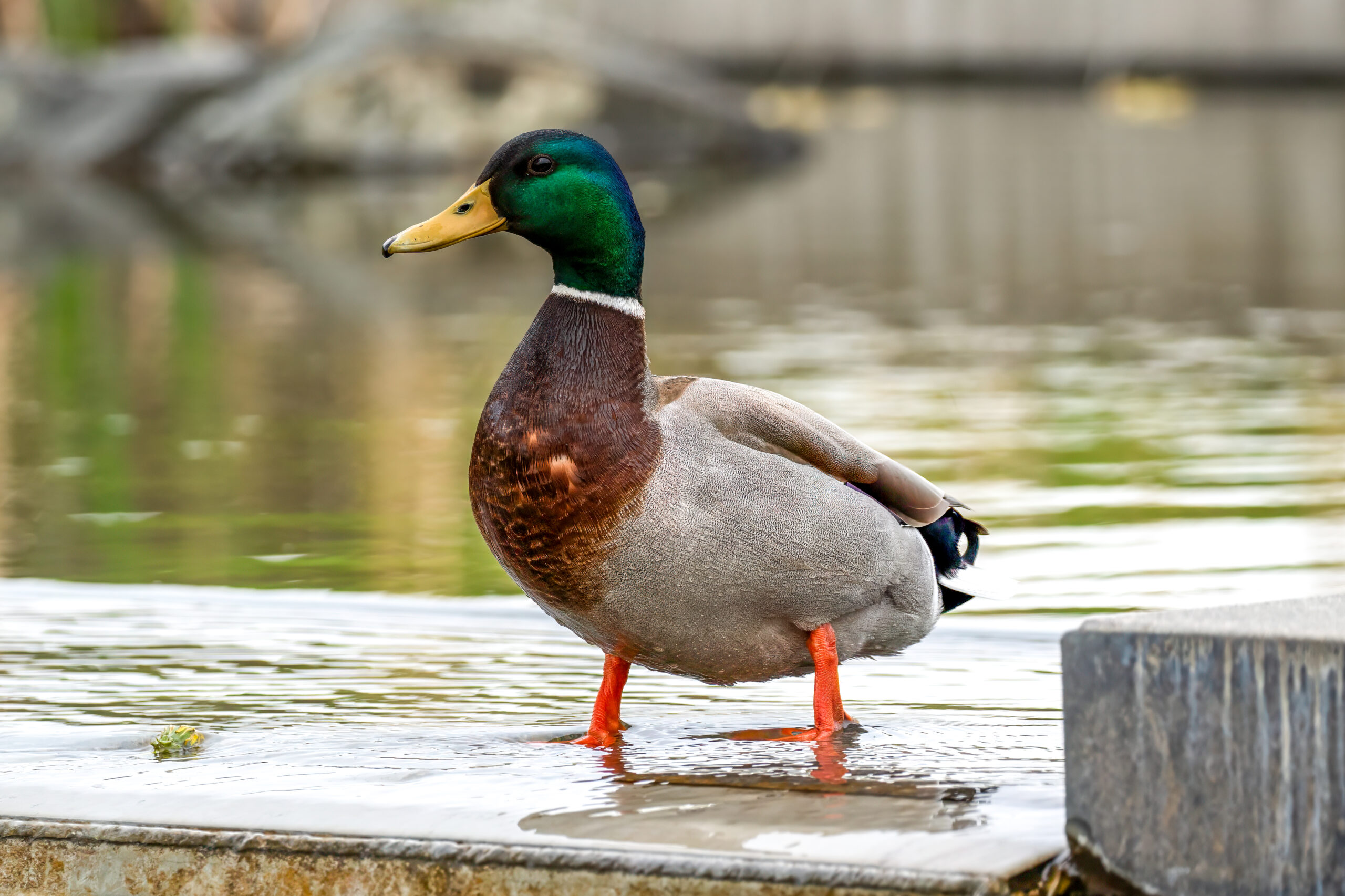
From June 2022 to December 2023, researchers placed shallow plastic bins containing brackish coastal water and wheat along the shore of the Greifswalder Bodden. Wildlife cameras recorded which animals visited the bins, while water samples were collected after visits and tested for influenza A virus RNA. Mallards were the principal waterbird visitors and fed and interacted intensively with the water.
Influenza RNA was detected in 13 of 222 water samples
The researchers analysed 222 water samples for influenza A virus RNA using RT-qPCR, a method that detects viral genetic material. Thirteen samples, or 5.9%, tested positive. Detecting RNA shows that viral material was present in the water, but does not by itself demonstrate that infectious virus was still present. Detected viral material included highly pathogenic H5 avian influenza from clade 2.3.4.4b and the low-pathogenic subtypes H3N8 and H11N9.
All four bacterial cultures yielded ESBL-producing E. coli
Four water samples collected in July 2022 were also cultured for bacteria producing extended-spectrum beta-lactamases, or ESBLs. These enzymes can make several important antibiotics ineffective against the bacteria that carry them. All four samples yielded ESBL-producing E. coli.
Because the pathogens were detected in environmental water rather than in individually sampled birds, the study does not identify which particular animal deposited each virus or bacterium. The method instead records pathogen material present after wildlife has used the baited water.
The authors present the approach as a practical form of repeated environmental surveillance for wild waterbirds. They conclude that baited water bins can detect both viral and bacterial pathogens with little disturbance to wildlife and suggest that further enrichment methods could improve sensitivity when pathogens occur at low concentrations.
Disease, parasites & microbiology
Related news
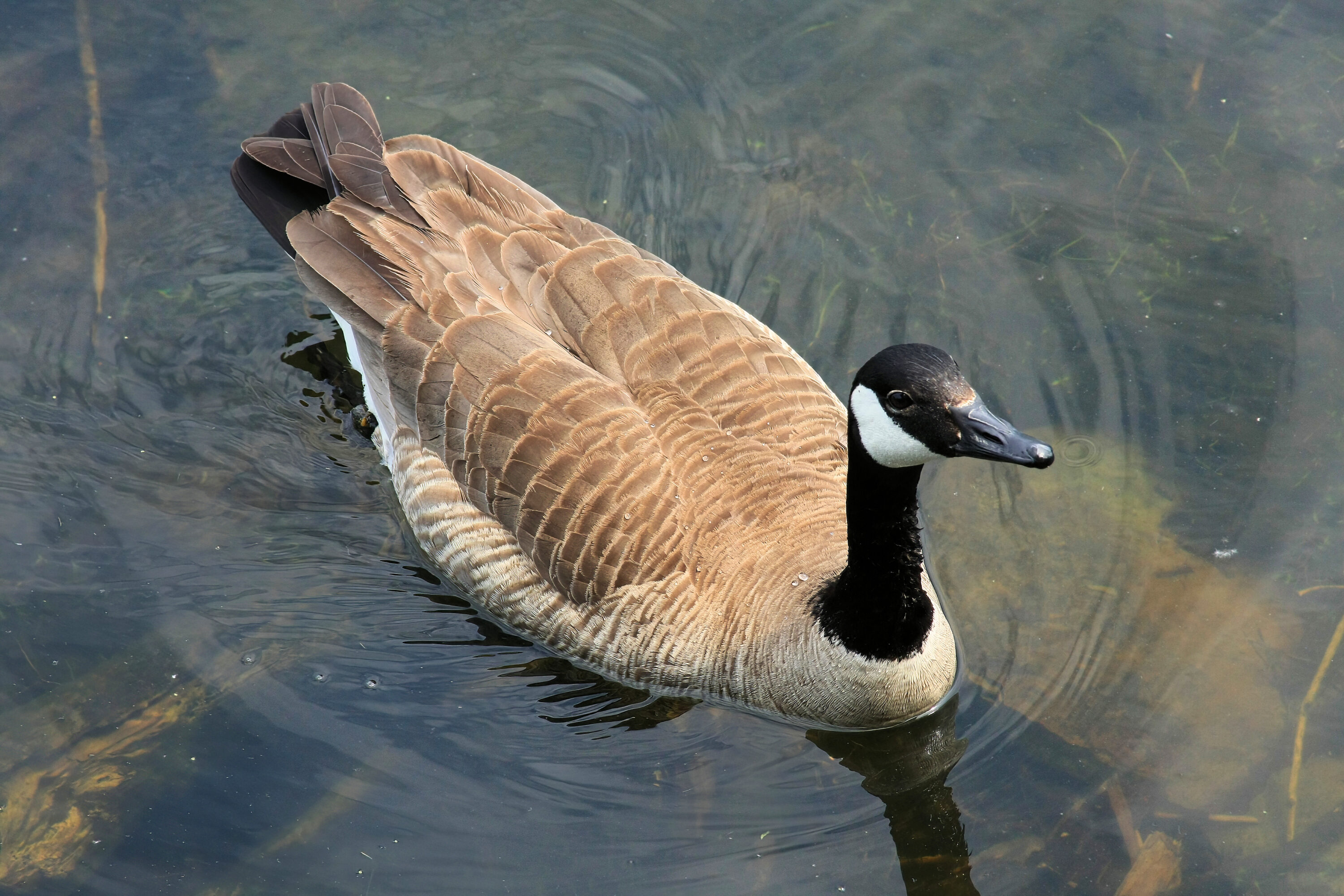
Seven overlaps linked wild-bird H5 clusters with poultry outbreaks in the US
Across seven periods between 2022 and 2025, clusters of H5 detections in wild waterfowl overlapped in time and…
Read story →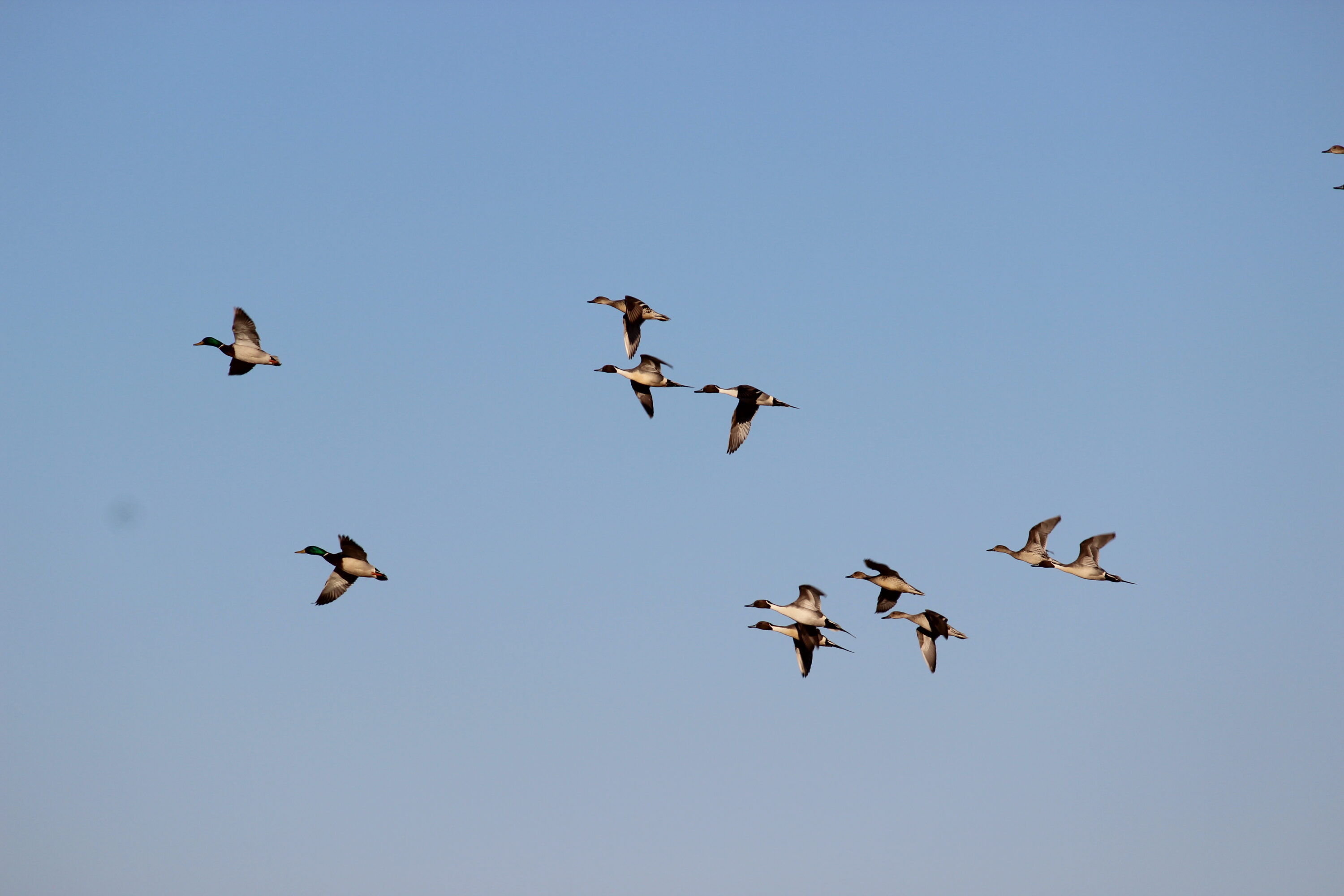
Papillomavirus Genomes Recovered from Three Northern Pintails and One Mallard in New Mexico
Cloacal swabs from three northern pintails and one mallard in New Mexico yielded four complete papillomavirus genomes. All…
Read story →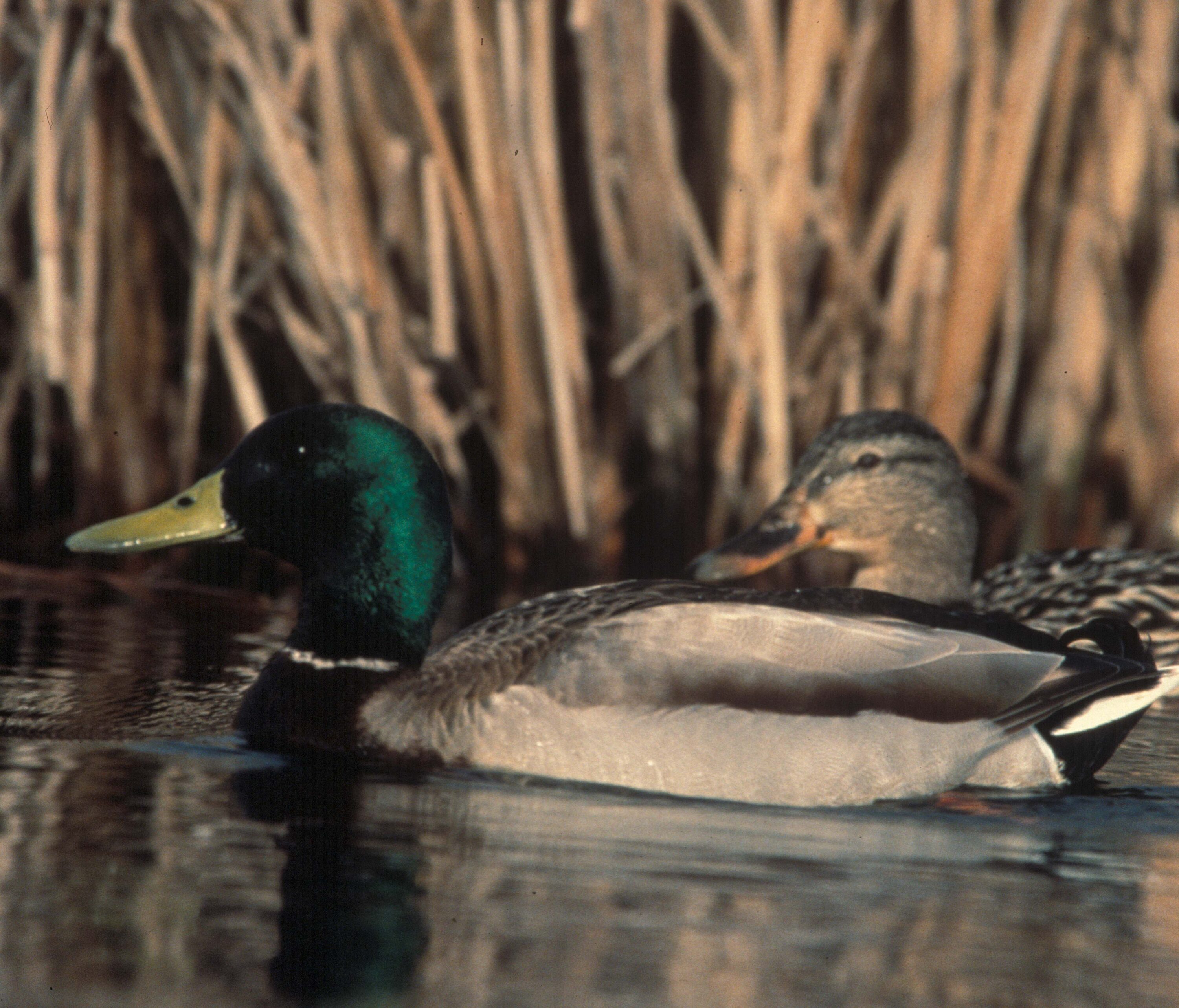
Game-Farm Ancestry Entered North American Mallard Populations in Repeated Waves
A historical genomics study found that ancestry from captive-bred game-farm mallards entered wild North American populations repeatedly from…
Read story →SPECIES IN THIS STORY
Species in this story
Independent research and conservation news archive
Did you find this information useful?
Wildlife Vagabond is independently built and maintained. Voluntary support helps cover source verification, hosting and continued work on research and conservation news.
Support Wildlife VagabondThe news archive will remain freely available.