
Ducks sharing South Korean wintering grounds migrated in different ways
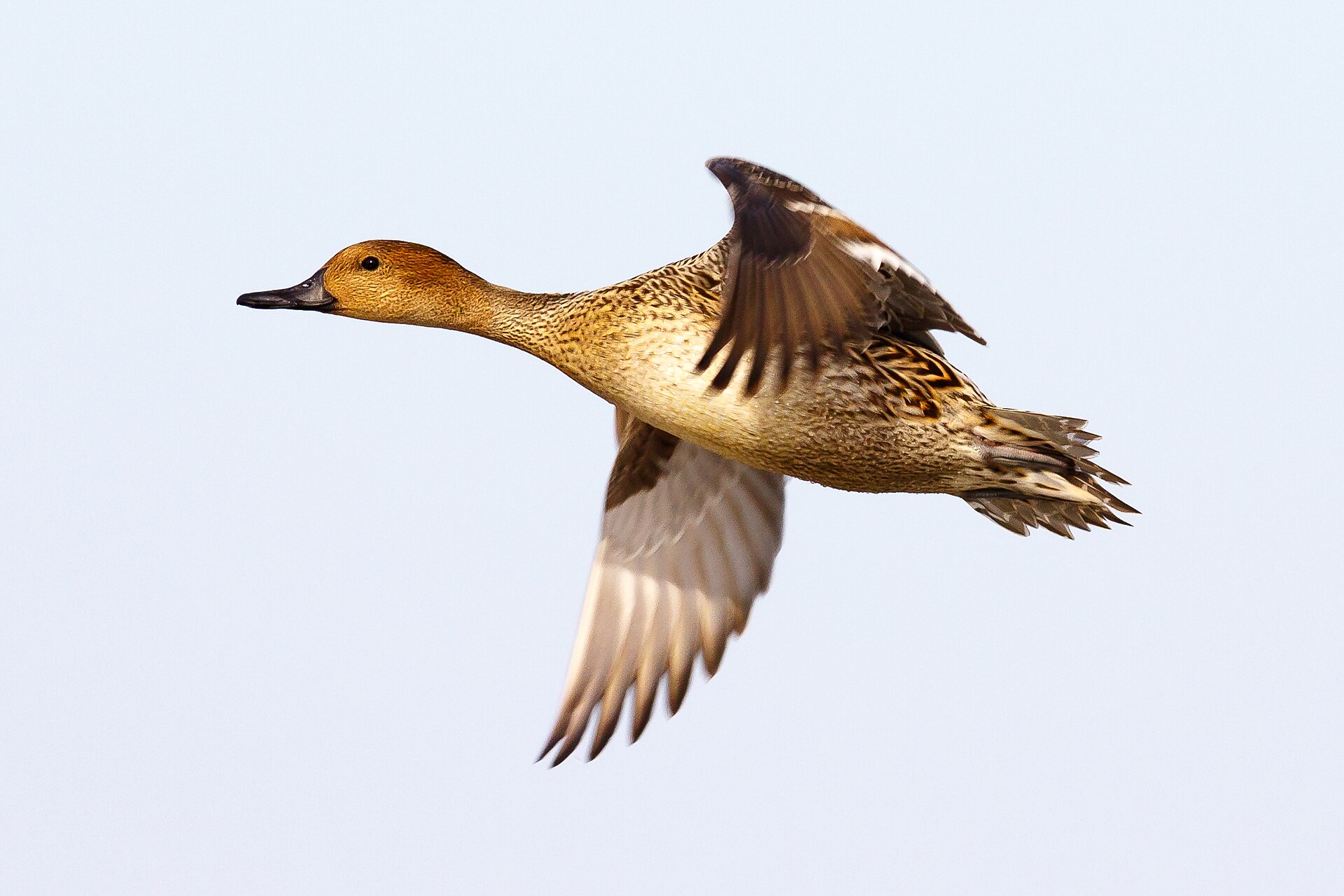
Six species of dabbling duck wintered in the same region of South Korea, yet their spring journeys north differed in distance, daily movement, nighttime travel and stopover use. Researchers tracked 95 ducks with GPS transmitters between 2014 and 2025, following their movements from wintering areas toward breeding-season destinations. The study was published on 20 October 2026.
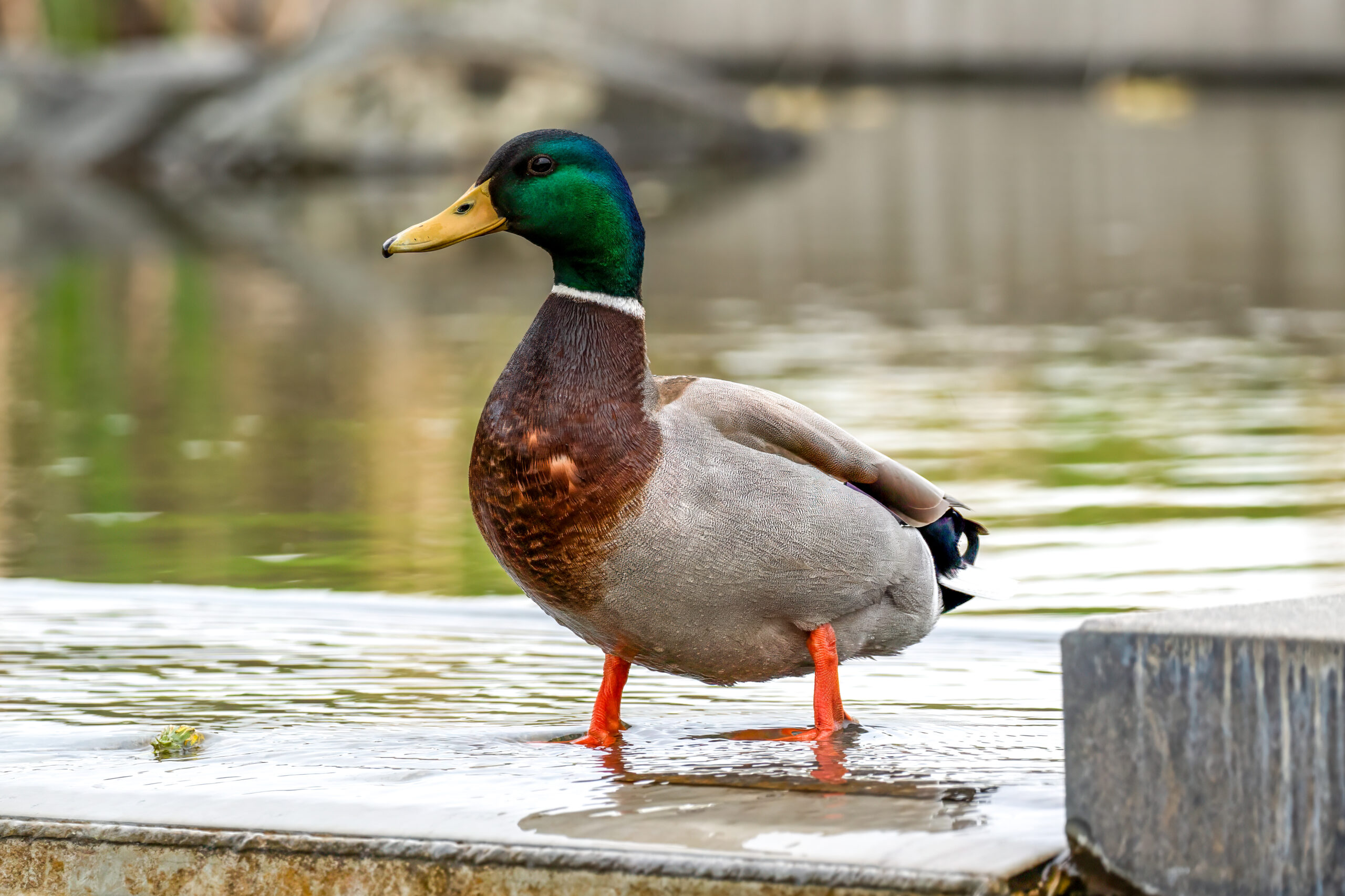
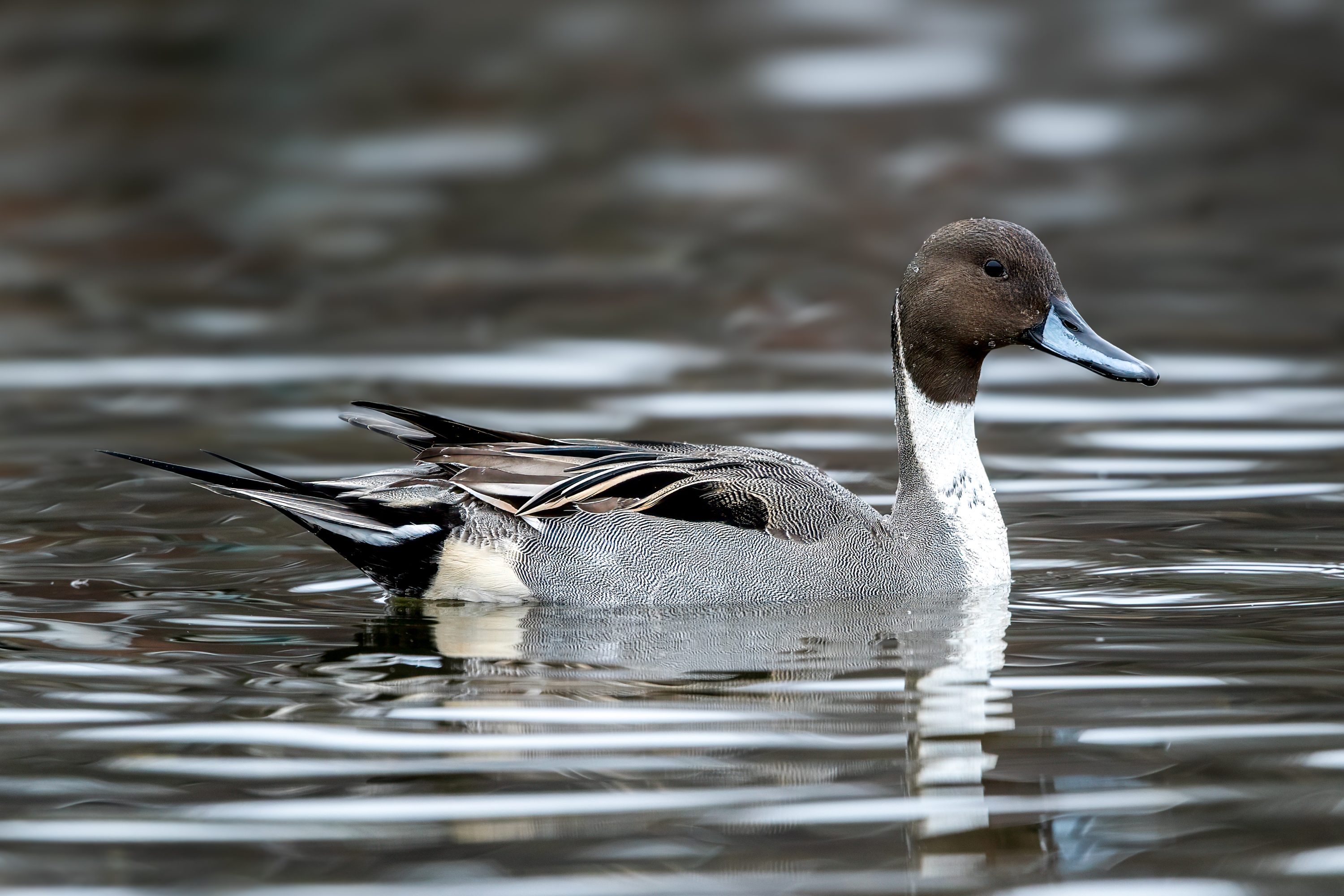
The number of tracked birds varied by species: 51 were Mallards (Anas platyrhynchos) and 11 were Northern Pintails (Anas acuta), with smaller samples for the four other species. GPS locations allowed researchers to map routes and identify places where birds paused during migration. Individual routes also varied, so the species patterns describe tendencies in this sample, not a single route followed by every bird.
Longer journeys did not take longer
Northern Pintails and Baikal Teals had the longest median migration distances among the six species. For Northern Pintails, the median cumulative distance was 4,530 kilometres, compared with 1,631 kilometres for Mallards. Baikal Teals also had the largest median maximum distance covered in a single day: 1,741 kilometres, compared with 428 kilometres for Mallards and 497 kilometres for Eastern Spot-billed Ducks. Despite these differences in distance and daily movement, migration duration did not differ clearly among the six species. The longer journeys therefore did not simply take more days in this study.
Species also differed in how much of their migration distance was assigned to nighttime movement. The median proportion was 100% for Mallards, Eurasian Wigeons and Eurasian Teals; 91% for Northern Pintails; 44% for Baikal Teals; and 30% for Eastern Spot-billed Ducks. Migration distance alone therefore does not describe how a species travels: daily movement, timing and time spent at stopovers also varied.
Different species used stopovers in different ways
Stopovers are places where migrating birds pause before continuing their journey. Northern Pintails and Eurasian Teals had high observed numbers of stops, although that contrast was less robust than some of the other species differences. Eurasian Wigeons had the longest stopover durations. The species therefore combined travel distance, nighttime movement and time spent pausing in different ways, rather than falling into a simple division between fast and slow migrants.
The authors interpret these combinations as different positions along a time–energy trade-off: migration strategies can involve balancing how quickly birds travel against how they distribute movement and pauses along the way. The study did not measure energy expenditure directly, and its results do not reduce the species to two simple strategy types.
Stopover sites were concentrated along the Yellow Sea coast, in northeastern China and in the southern Russian Far East, with some farther north. The analysis found no clear overall spatial association between where birds wintered and where they spent the breeding season, although local patterns differed among species. Together, the findings show why protecting a shared wintering area alone may not safeguard all the places these ducks use during migration. The authors argue that conservation along the East Asian–Australasian Flyway should account for important staging areas and the different stopover networks used by different species.
Ecology
Related news
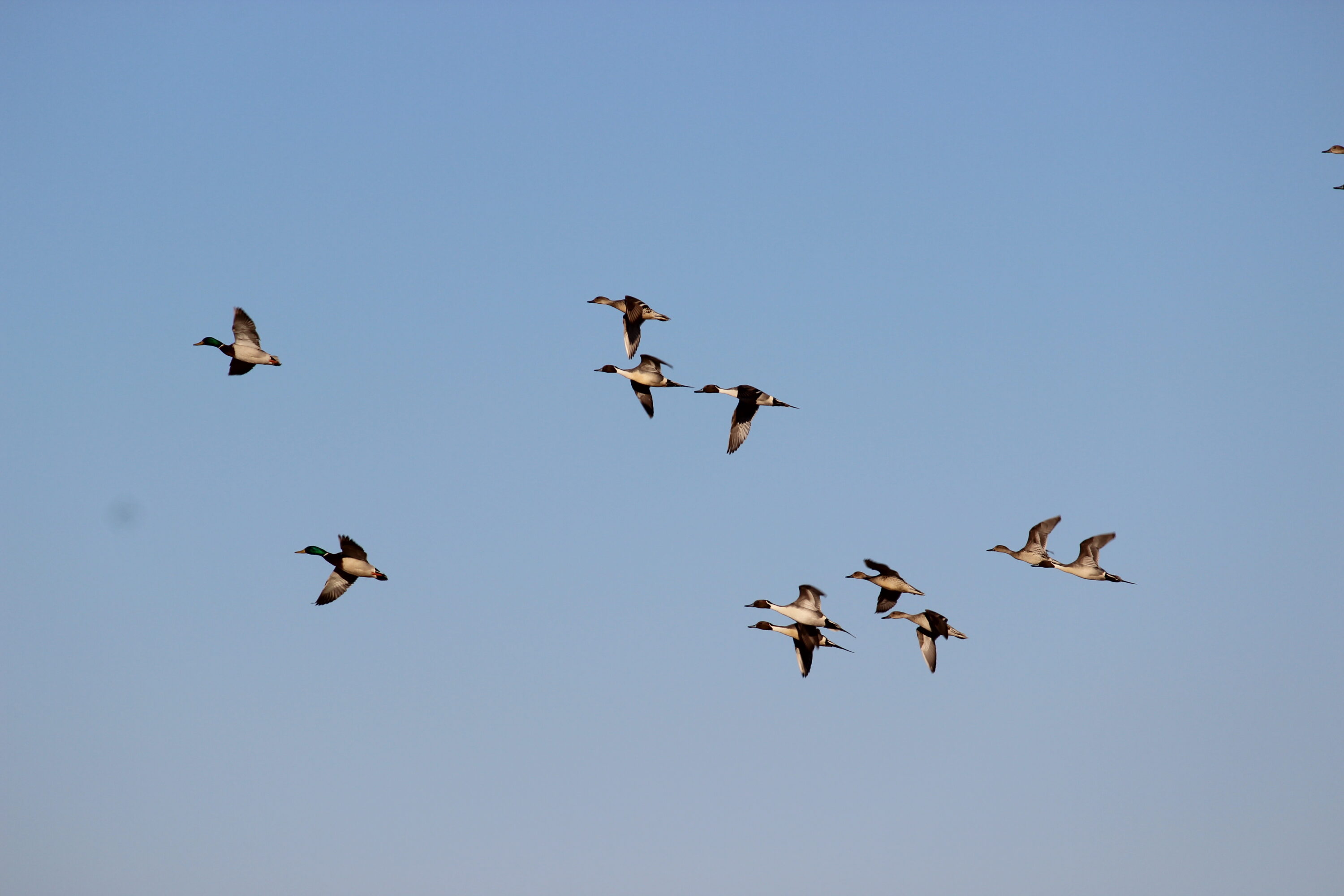
Papillomavirus Genomes Recovered from Three Northern Pintails and One Mallard in New Mexico
Cloacal swabs from three northern pintails and one mallard in New Mexico yielded four complete papillomavirus genomes. All…
Read story →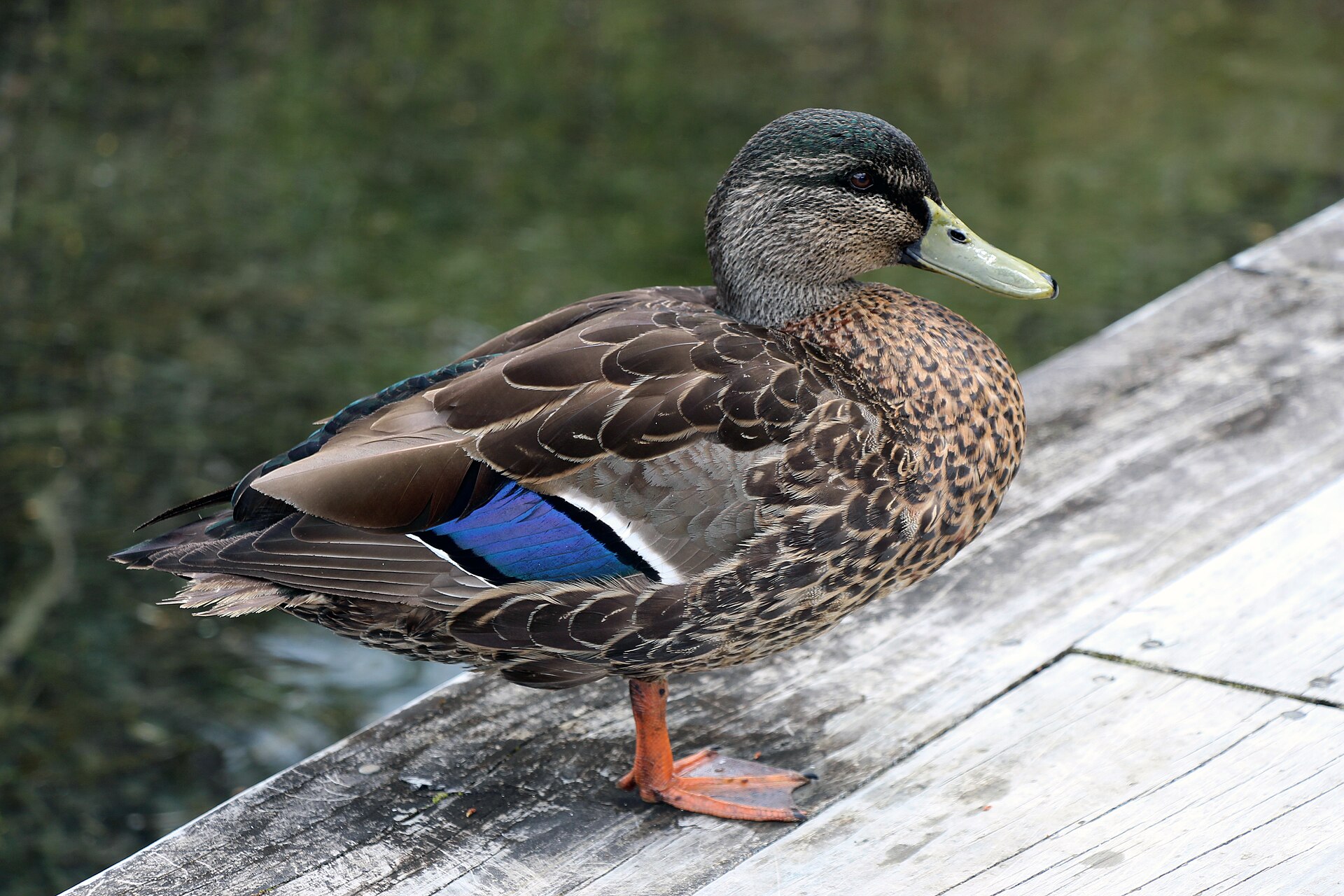
Urban waterfowl across New Zealand share many of the same virus species
Researchers detected 96 avian viruses at 13 urban-waterfowl sites across New Zealand. Many virus species occurred at more…
Read story →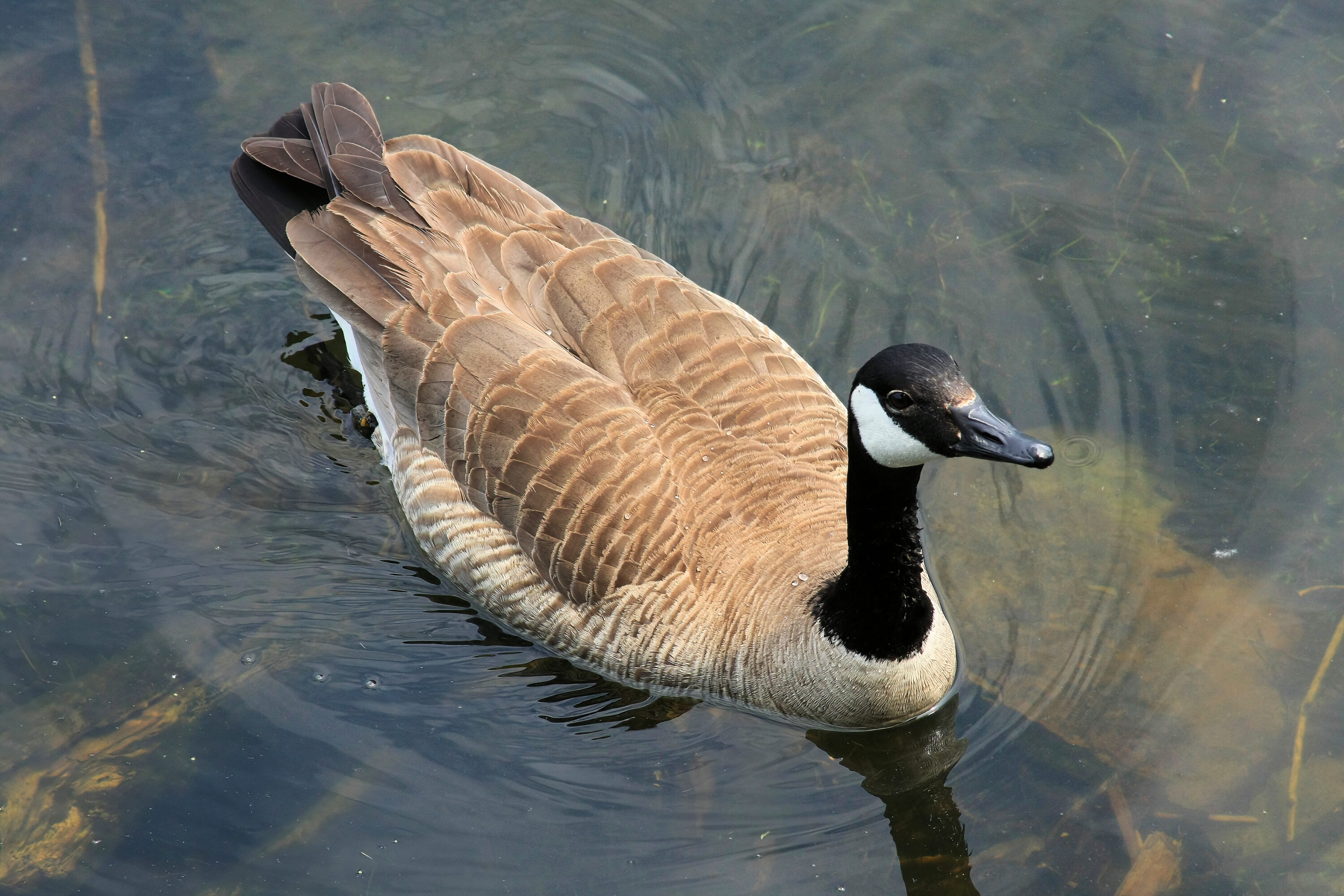
Seven overlaps linked wild-bird H5 clusters with poultry outbreaks in the US
Across seven periods between 2022 and 2025, clusters of H5 detections in wild waterfowl overlapped in time and…
Read story →SPECIES IN THIS STORY
Species in this story
Independent research and conservation news archive
Did you find this information useful?
Wildlife Vagabond is independently built and maintained. Voluntary support helps cover source verification, hosting and continued work on research and conservation news.
Support Wildlife VagabondThe news archive will remain freely available.