
U.S. Assessment Estimates 329 Million Mourning Doves
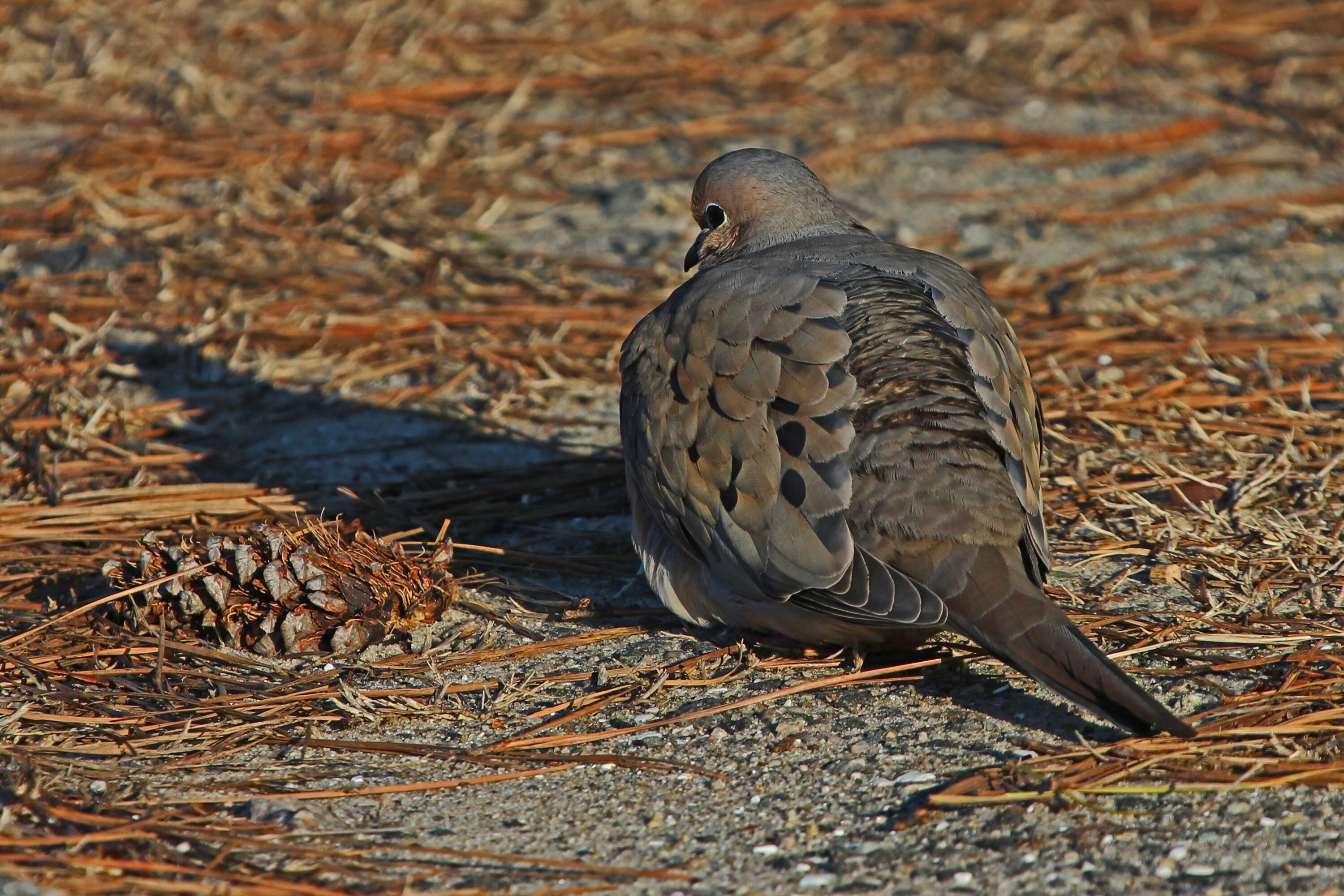
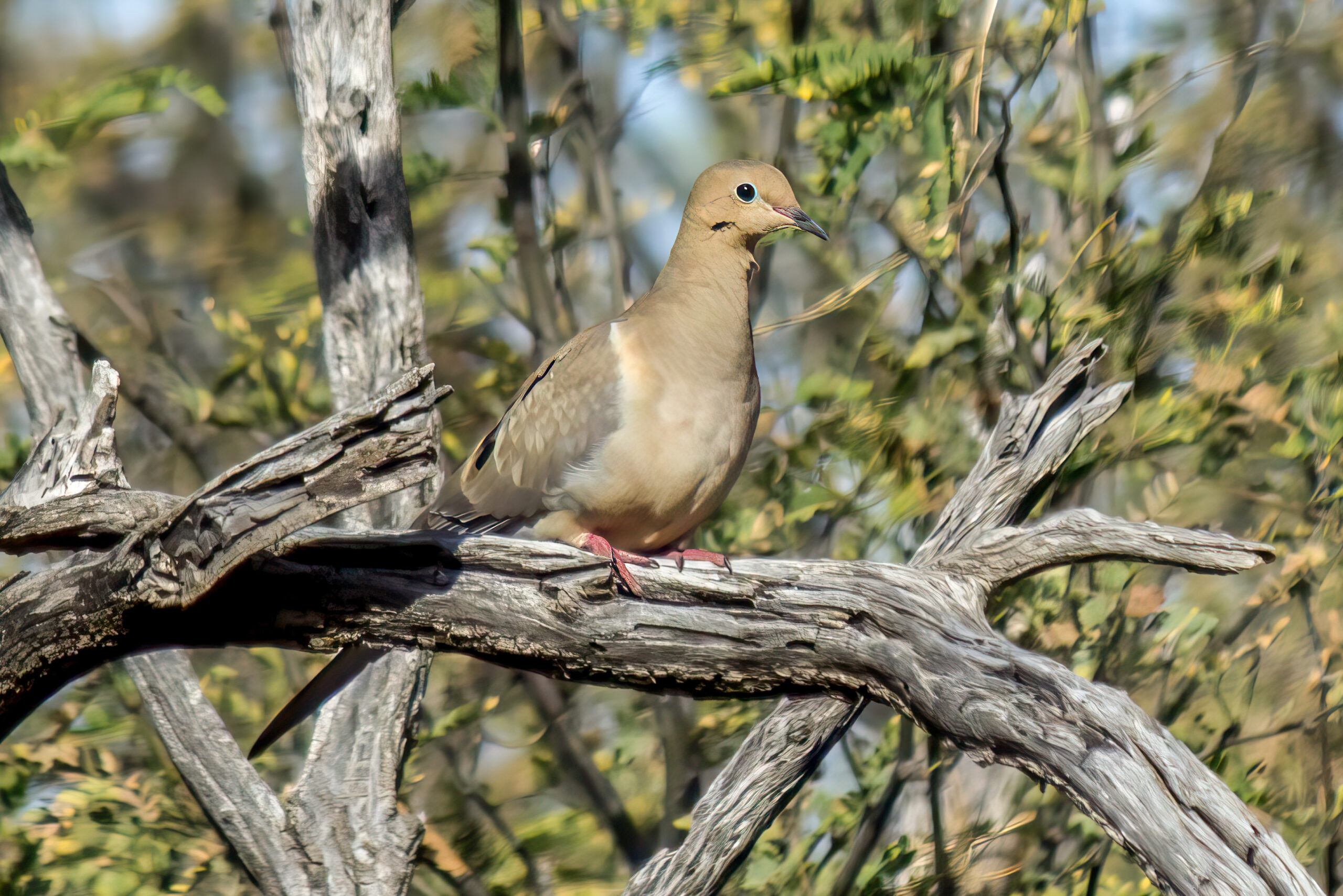
The U.S. Fish and Wildlife Service estimates that about 329.4 million mourning doves (Zenaida macroura) were present in the United States on 1 September 2025, immediately before the 2025–26 hunting season. The annual status report was published on 1 September 2026. The figure is a modelled estimate rather than a direct count of every bird.
The western unit stood out
The Central Management Unit contained by far the most doves, with an estimated 200.5 million. The Eastern unit was estimated at 82.5 million and the Western unit at 46.4 million. Eastern and central abundance was similar to 2024, but the western estimate fell from 56.3 million to 46.4 million—about 17%. The estimates have substantial uncertainty, so the change is best understood as a modelled decline rather than an exact count difference.
The western unit also had below-average recruitment in 2025, while the number of young birds per adult was near the long-term average in the eastern and central units. Breeding Bird Survey indices provide a separate, longer-term perspective: relative abundance increased in the eastern unit over the past 59 years and declined in the central and western units. Over the most recent decade, the eastern index declined, while the central and western indices showed no conclusive change. These survey indices describe relative abundance and should not be treated as the same measure as the absolute population estimates.
Several data sources feed the estimate
The annual assessment combines several independent data streams in an integrated population model. Band recoveries help estimate survival and harvest rates, wings from harvested birds provide information on recruitment, federal harvest surveys estimate hunting activity and total take, and Breeding Bird Survey data track relative abundance. From 2007 to 2025, more than 264,000 wings were examined and hundreds of thousands of known-age doves were banded.
Preliminary figures for the 2025–26 season indicate that hunters harvested about 15.5 million mourning doves, with roughly 949,000 active hunters. Young birds had higher estimated harvest rates than adults in all three management units. The report does not conclude that hunting caused the one-year western decline; harvest mortality, other mortality and recruitment are treated as separate parts of the population model.
The 2026 assessment therefore describes a large national population with a clear regional contrast: the central unit held most of the estimated birds, while the western unit combined a lower abundance estimate in 2025 with recruitment below its long-term average.
Population & status
Related news
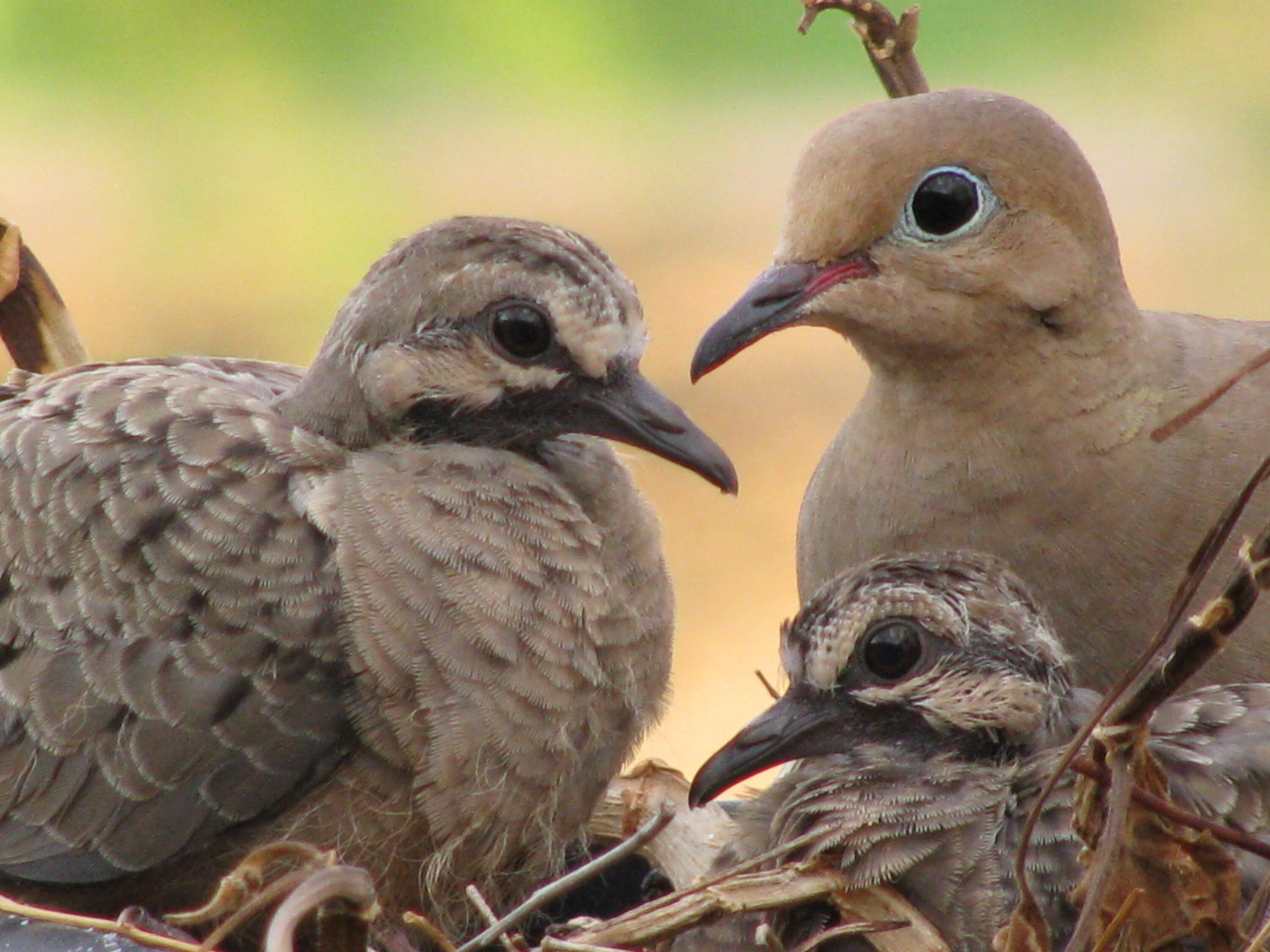
Texas Will Open South-Zone Mourning-Dove Season on September 1 for First Time in Over a Century
For the first time in more than a century, Texas will open mourning-dove hunting in its South Zone…
Read story →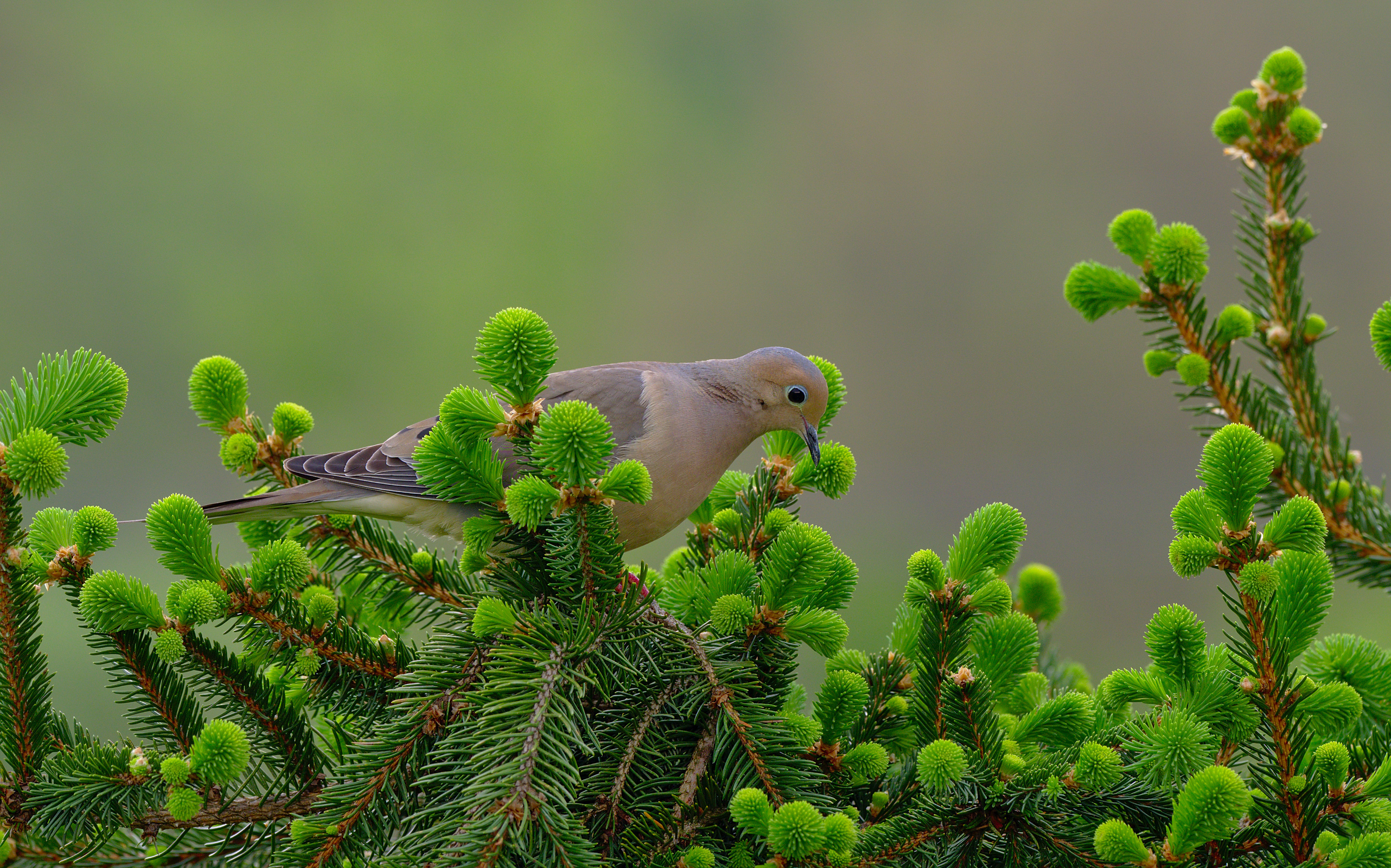
Mourning Dove Abundance in Pennsylvania Was Linked to Both West Nile Virus and Heat
Across 101 Pennsylvania Breeding Bird Survey routes, mourning dove was one of six species with abundance effects associated…
Read story →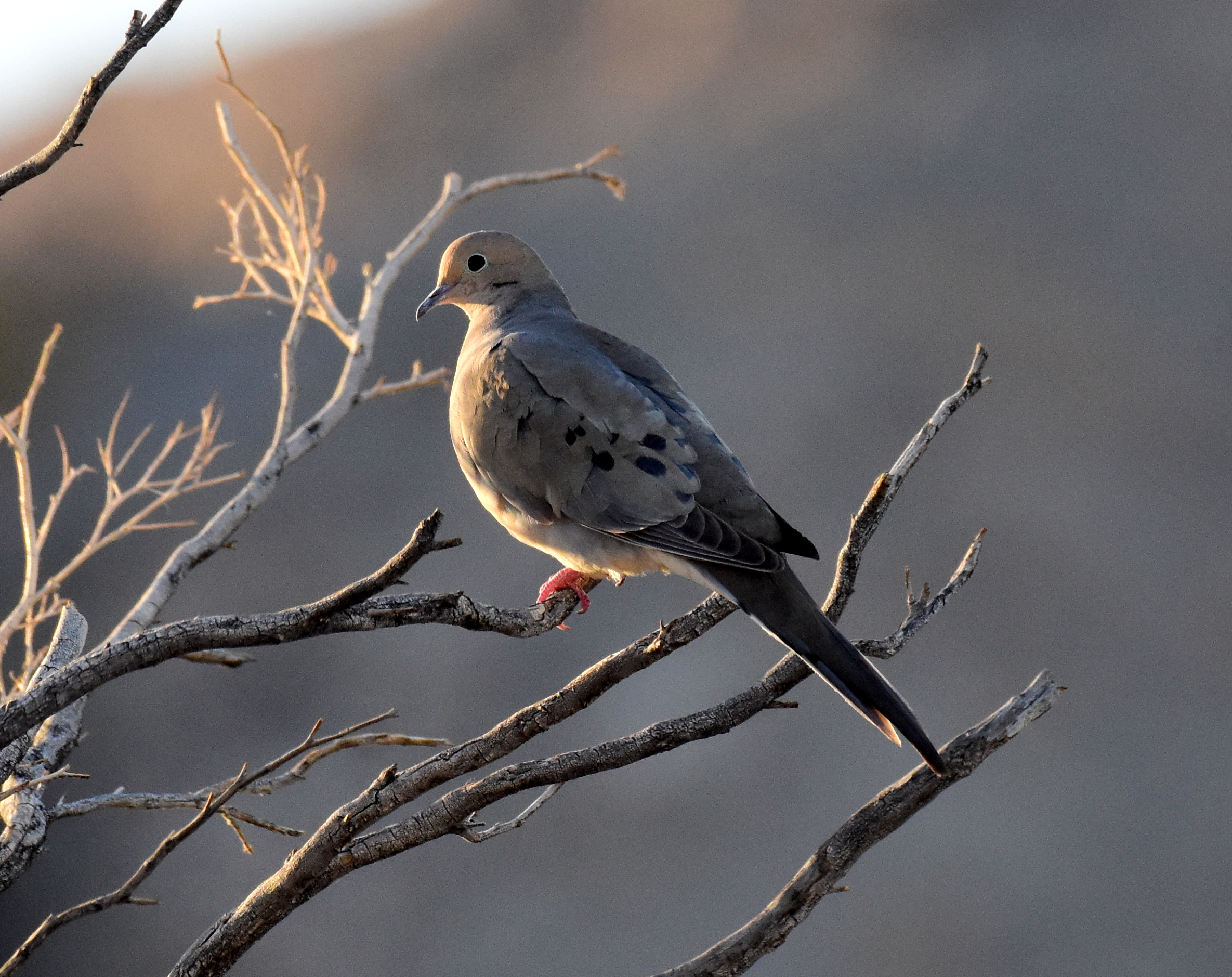
Ulnar and Cardiac Blood Samples Differed in Uric Acid but Not Glucose in Mourning Doves
Paired blood samples from 13 wild-caught mourning doves showed similar glucose concentrations between ulnar-vein and post-euthanasia cardiac samples,…
Read story →SPECIES IN THIS STORY
Species in this story
Independent research and conservation news archive
Did you find this information useful?
Wildlife Vagabond is independently built and maintained. Voluntary support helps cover source verification, hosting and continued work on research and conservation news.
Support Wildlife VagabondThe news archive will remain freely available.