
Texas Will Open South-Zone Mourning-Dove Season on September 1 for First Time in Over a Century
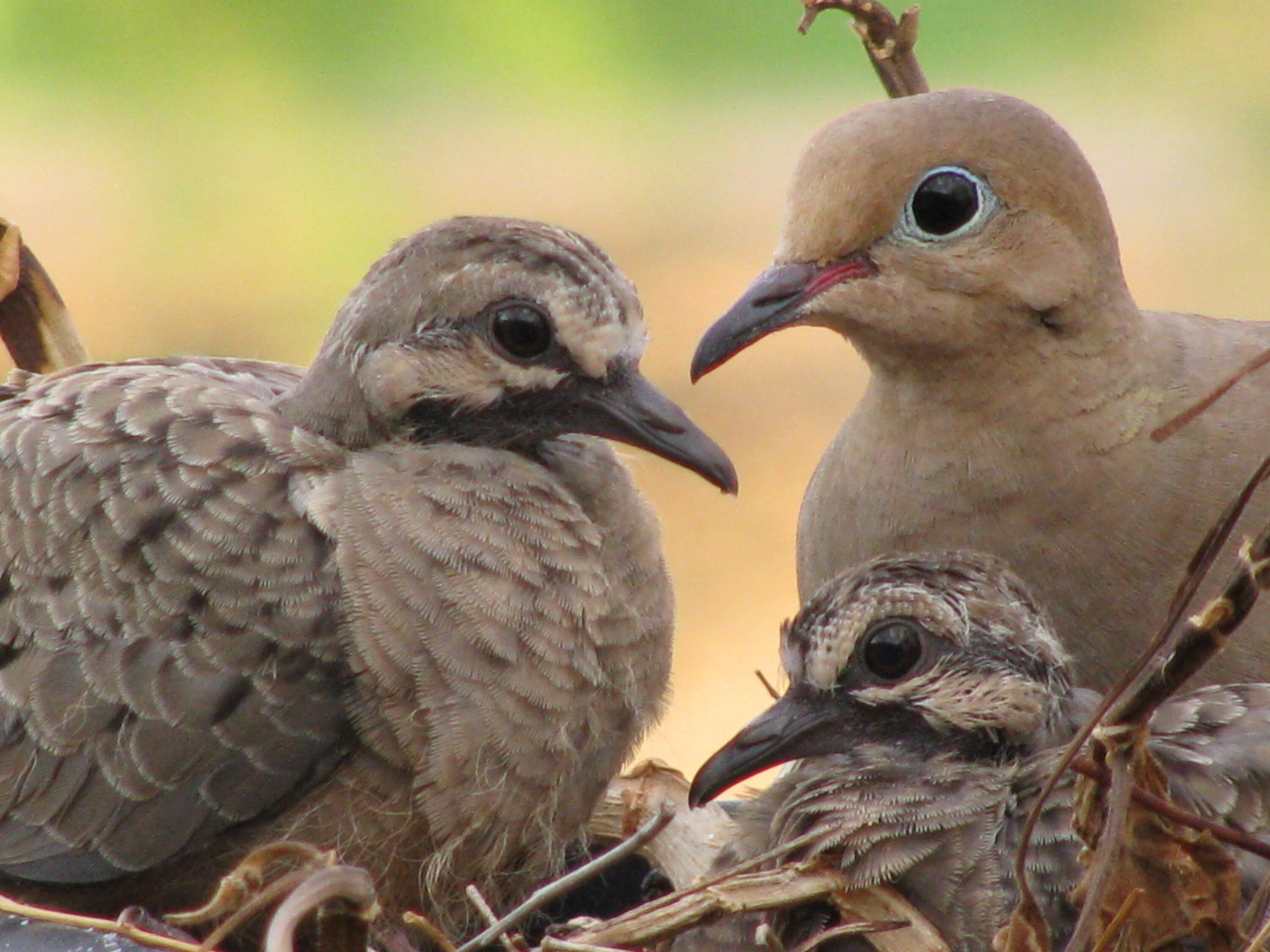
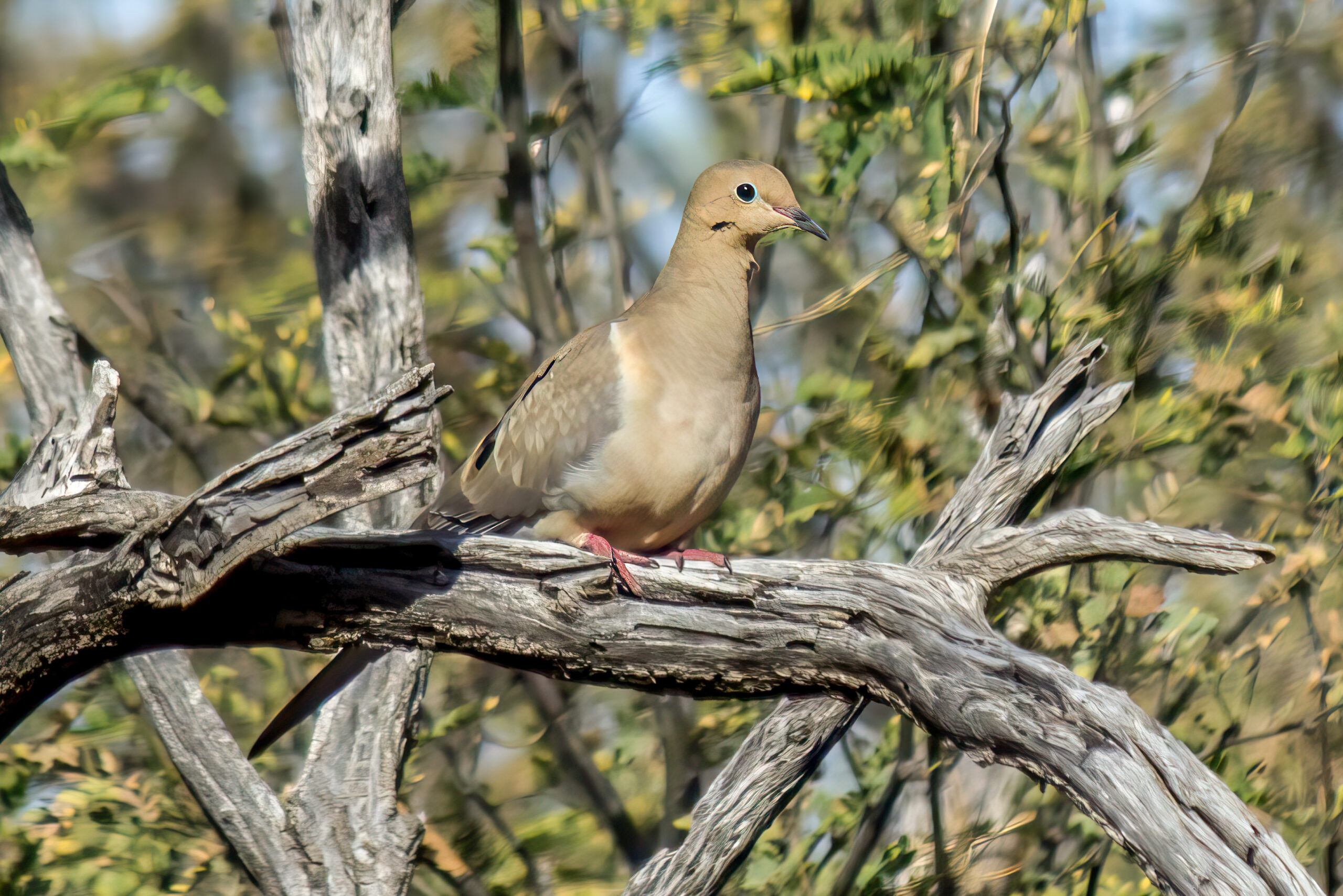
Texas will open mourning-dove hunting in its South Zone on 1 September 2026 for the first time after more than a century of later opening dates. The change is allowed as a three-year experiment, with extra monitoring to assess whether the earlier season affects the birds.
Late Nesting Had Kept the South Zone on a Later Schedule
The mourning dove (Zenaida macroura) can breed late into summer in southern Texas. Federal regulations had therefore kept the South Zone from opening in early September because of longstanding concern about hunting during the late-nesting period.
Texas Parks and Wildlife Department (TPWD) re-examined biological information including population abundance, hatch dates, harvest rates and current harvest strategies. The department concluded that, based on the best available information, an earlier opener was not expected to have a biological impact on mourning doves. The U.S. Fish and Wildlife Service then approved a change to the federal framework that allows the South Zone to open with the North and Central zones.
The Earlier Opening Is a Three-Year Experiment
The change is not yet permanent. Federal regulations allow the new opening date on a three-year experimental basis, and TPWD says biologists will conduct additional monitoring during that period. Earlier commission documents specify that this can include harvest surveys and possible collection of wings from harvested birds to look for biological effects in South Texas.
The regular season will therefore open statewide on 1 September. The former Special White-winged Dove Days in the South Zone, which provided limited early-season hunting before the regular opener, have been eliminated as part of the new arrangement.
The experiment begins in a year when Texas mourning-dove numbers are near a record. Spring surveys estimated about 36.7 million birds statewide in 2026, 2% more than in 2025 and just below the record estimate of 37.5 million in 2016. TPWD also reported substantial spring rainfall and good habitat conditions across much of the state.
For South Texas, the central question is now whether moving hunting into a period that was historically restricted because of late nesting produces any measurable population effect. The three-year monitoring period is intended to provide the evidence needed to evaluate that change.
Management
Related news
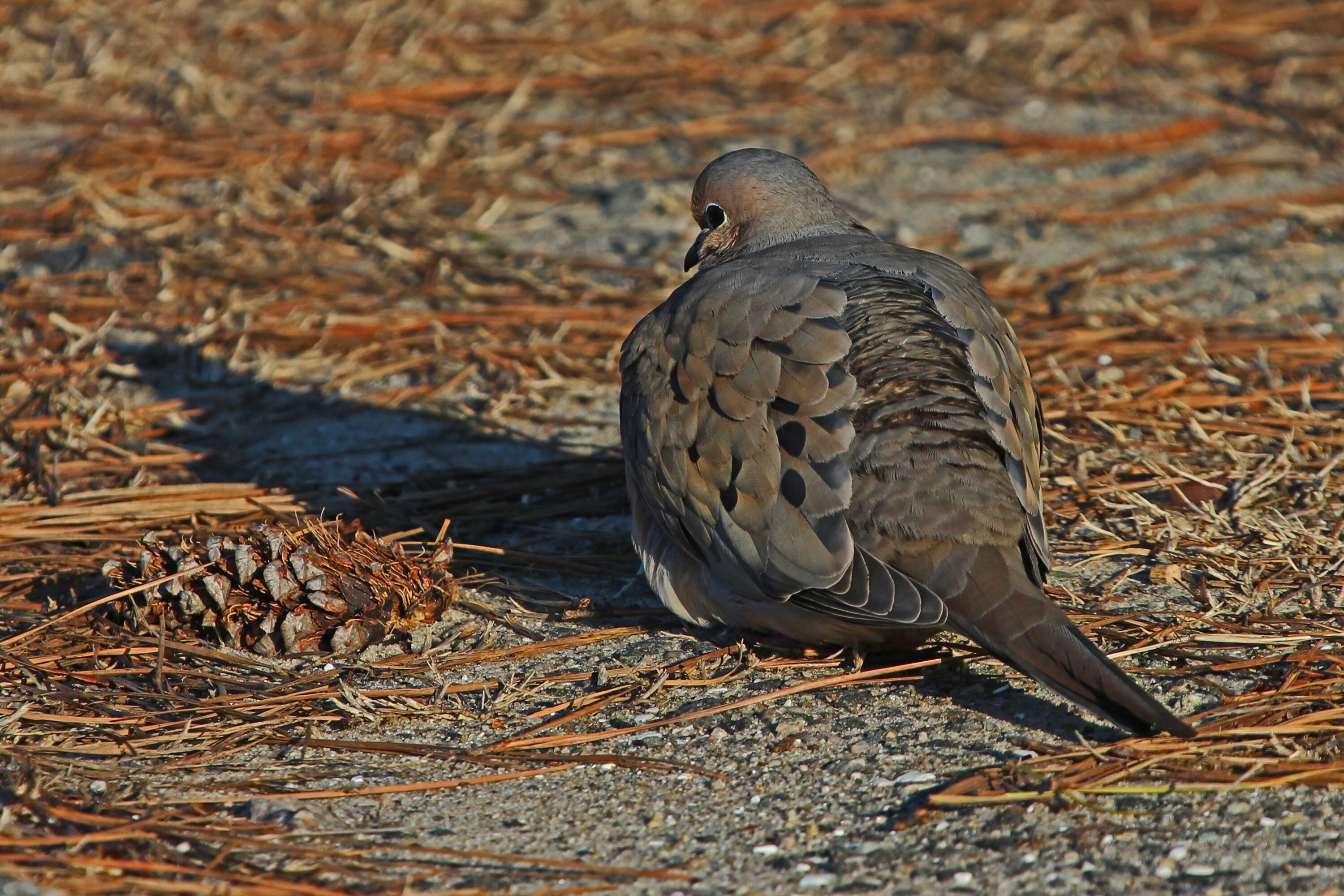
U.S. Assessment Estimates 329 Million Mourning Doves
A federal assessment estimates about 329 million mourning doves in the United States. The western abundance estimate fell…
Read story →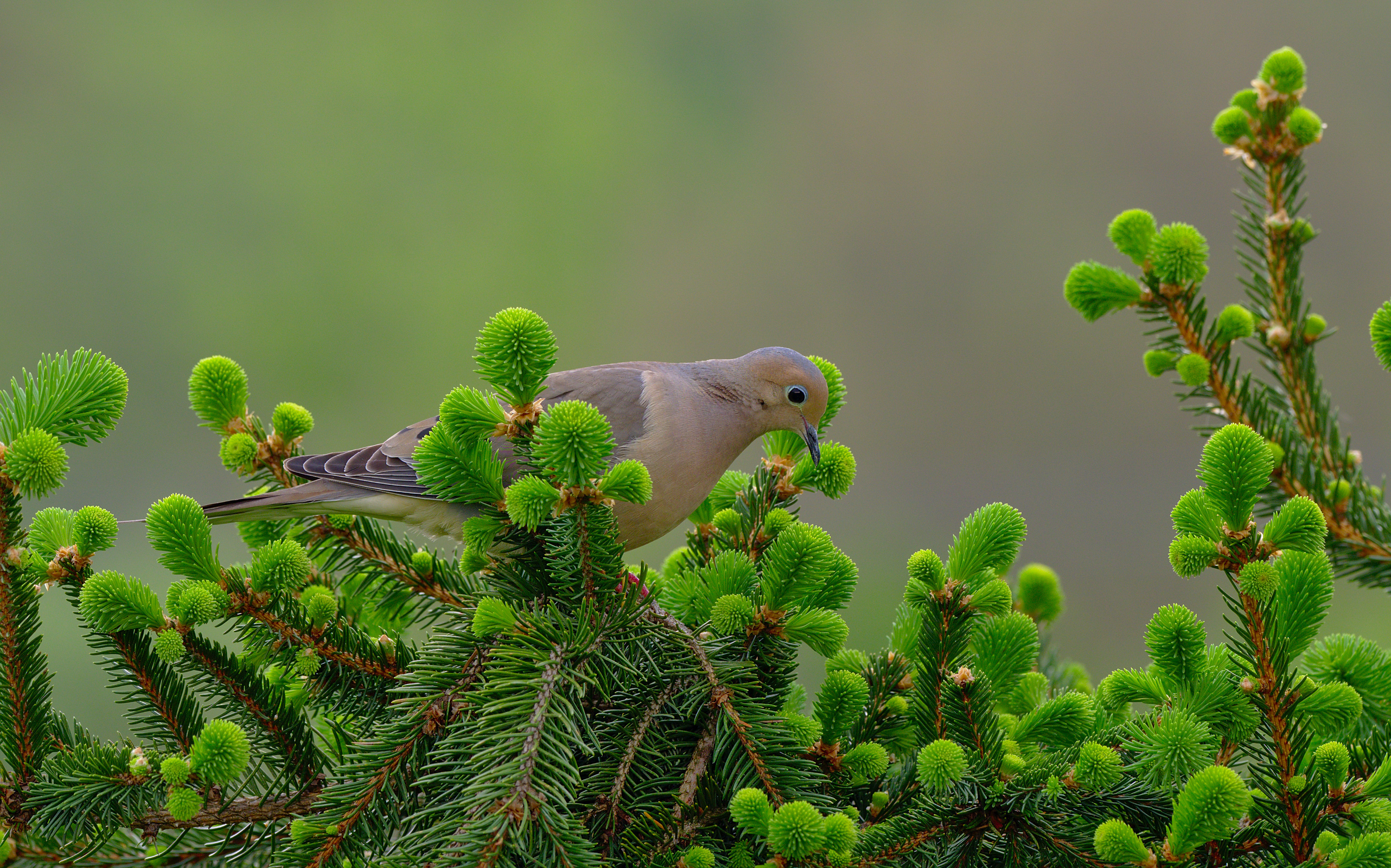
Mourning Dove Abundance in Pennsylvania Was Linked to Both West Nile Virus and Heat
Across 101 Pennsylvania Breeding Bird Survey routes, mourning dove was one of six species with abundance effects associated…
Read story →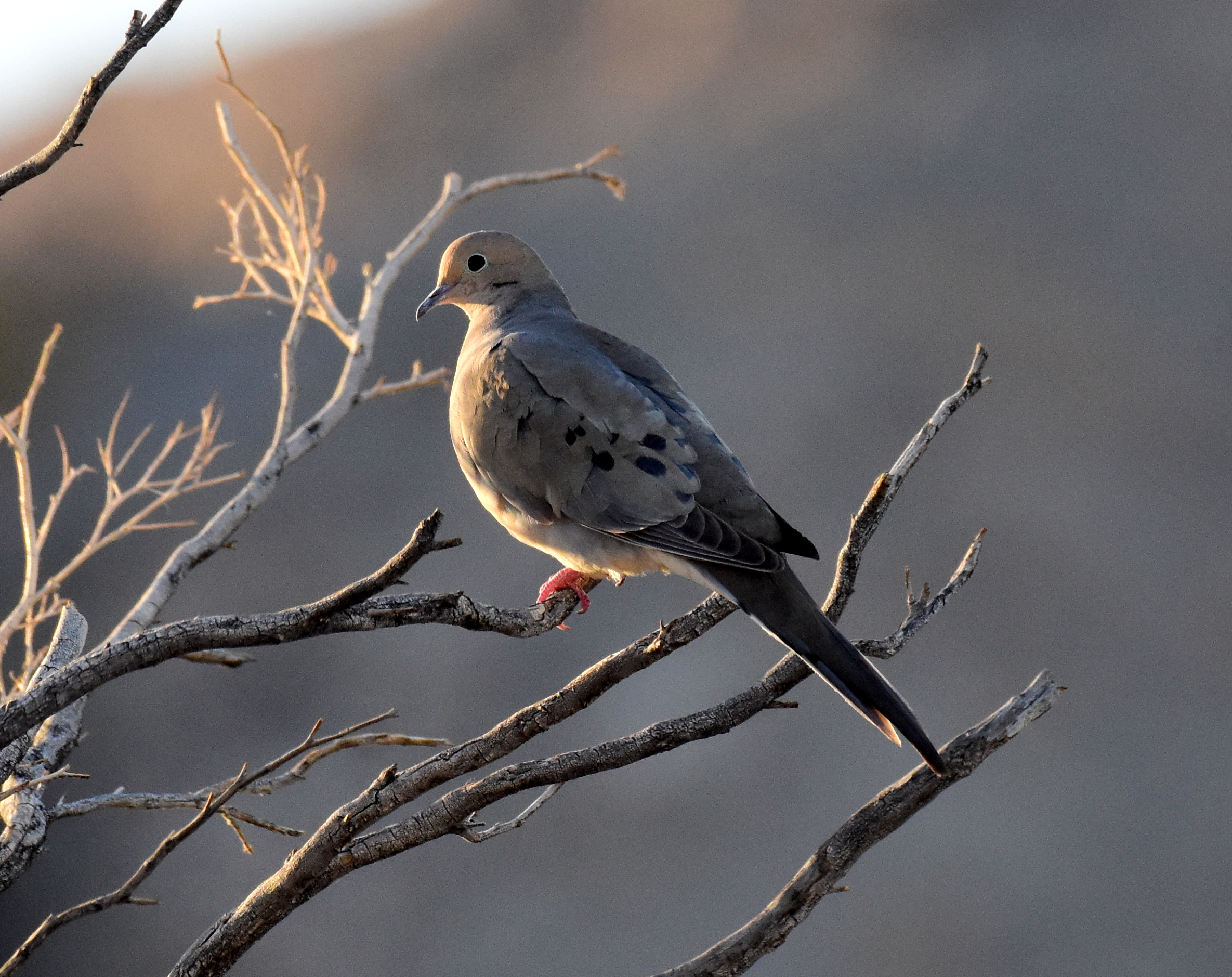
Ulnar and Cardiac Blood Samples Differed in Uric Acid but Not Glucose in Mourning Doves
Paired blood samples from 13 wild-caught mourning doves showed similar glucose concentrations between ulnar-vein and post-euthanasia cardiac samples,…
Read story →SPECIES IN THIS STORY
Species in this story
Independent research and conservation news archive
Did you find this information useful?
Wildlife Vagabond is independently built and maintained. Voluntary support helps cover source verification, hosting and continued work on research and conservation news.
Support Wildlife VagabondThe news archive will remain freely available.