
Mourning Dove Abundance in Pennsylvania Was Linked to Both West Nile Virus and Heat
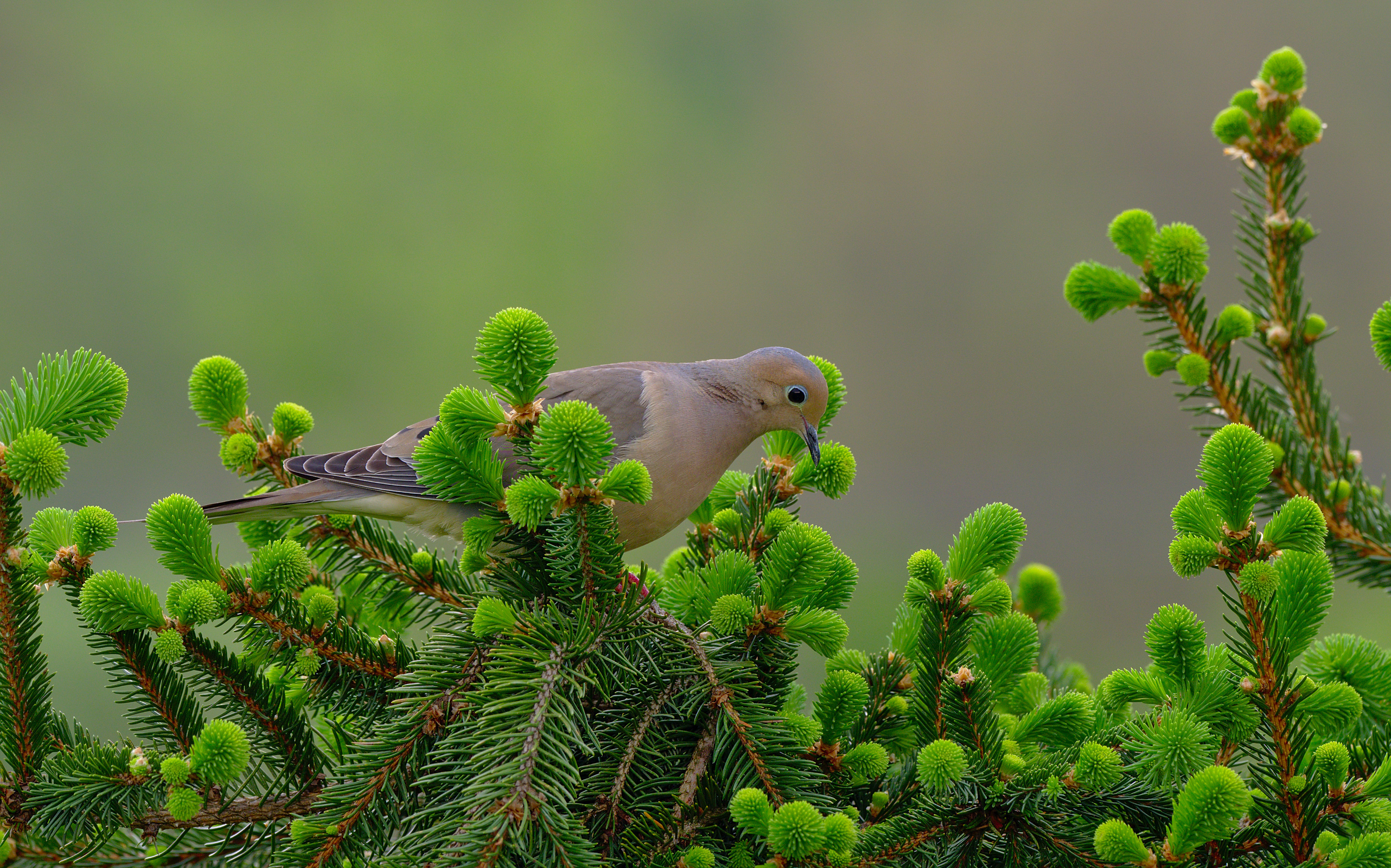
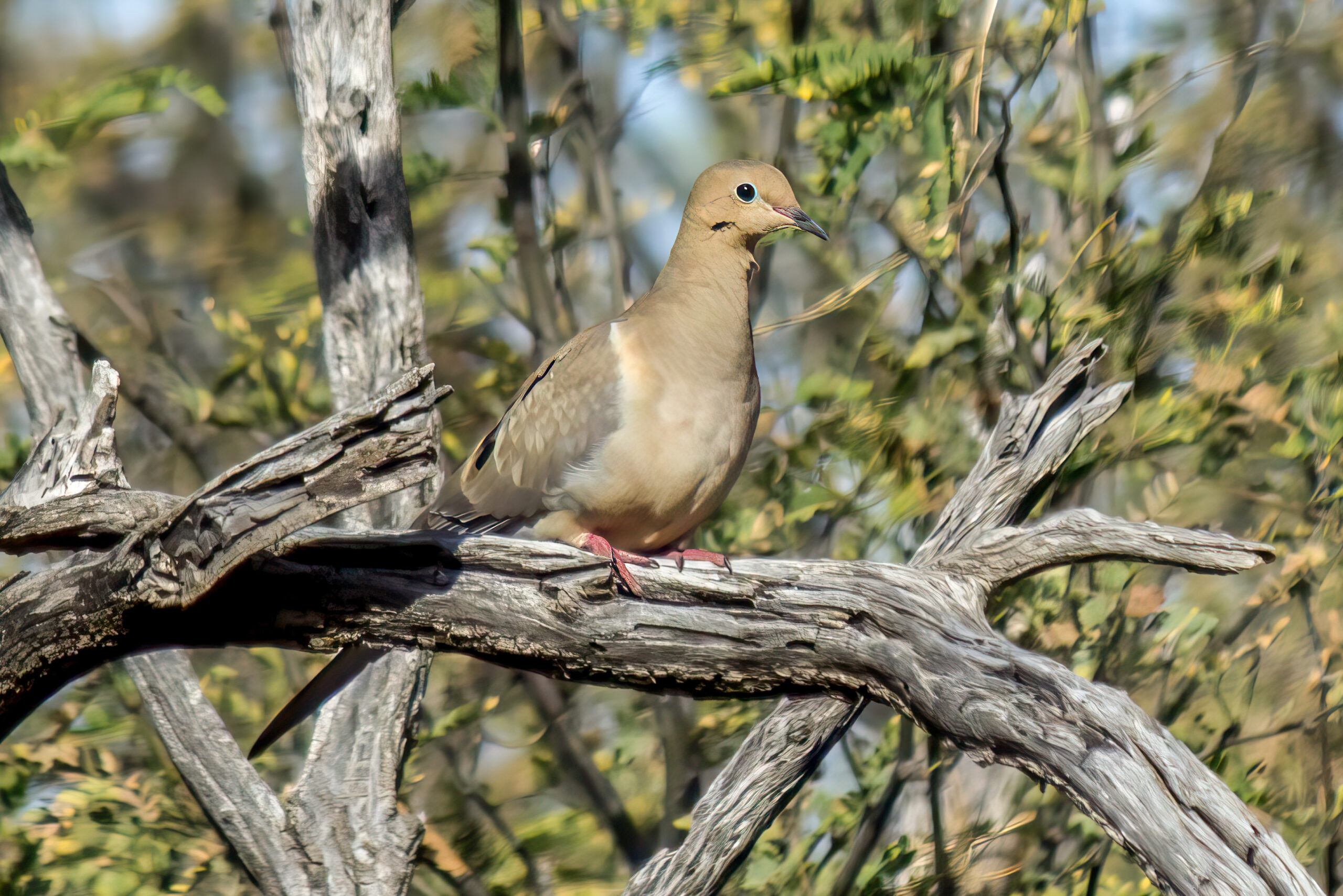
An analysis of 155 breeding bird species in Pennsylvania, USA found the mourning dove (Zenaida macroura) among six species whose abundance showed evidence of associations with both West Nile virus (WNV) and heat. WNV is a mosquito-borne virus that can infect birds and cause direct mortality. In mourning doves, higher modelled WNV activity was associated with lower abundance at the statewide level, but no individual survey route met the study’s threshold for strong route-level evidence. The result is therefore a population-level statistical association, not a record of what happened to individually infected doves.
Linking mosquito surveillance to bird counts
Researchers combined bird counts from 101 North American Breeding Bird Survey routes from 2002–2019 with Pennsylvania mosquito surveillance from 2001–2020. The BBS uses predefined routes repeatedly surveyed by volunteer birders. From testing of two major Culex mosquito vectors and local environmental conditions, the researchers modelled where and when WNV was likely to occur. The resulting annual WNV index represented modelled virus occurrence around each route: a higher value meant stronger predicted WNV activity. They then tested whether this index was associated with estimated bird abundance while accounting for longer-term trends, route and observer effects. A separate heat-stress model provided a contrasting environmental test.
Heat produced a different pattern
Across all 155 species, 31 showed evidence of WNV-associated abundance effects and 24 showed evidence of heat effects. Six species, including mourning dove, showed evidence of both. The heat patterns were generally distinct from the WNV results and affected fewer routes in most of those six species, supporting the conclusion that the WNV signal was not simply reproducing a broad temperature effect.
The mosquito model found WNV detection in mosquito samples from traps more likely in warmer, lower-elevation and less-forested settings. The study did not establish why mourning doves in particular showed a statewide association. The authors discuss direct mortality, reduced body condition or immune function, greater vulnerability to predation and reduced productivity as possible pathways through which WNV can affect bird populations more generally, but these mechanisms were not tested specifically in mourning doves.
More than half of the 31 species with WNV-associated effects were estimated to be stable or increasing at the state level. The authors therefore caution that WNV is not necessarily the main driver of current population trends, but may add pressure that could worsen future declines. The study also shows how long-term mosquito surveillance and community-science bird counts can be combined to detect persistent wildlife-disease signals at population scale.
Disease, parasites & microbiology
Related news
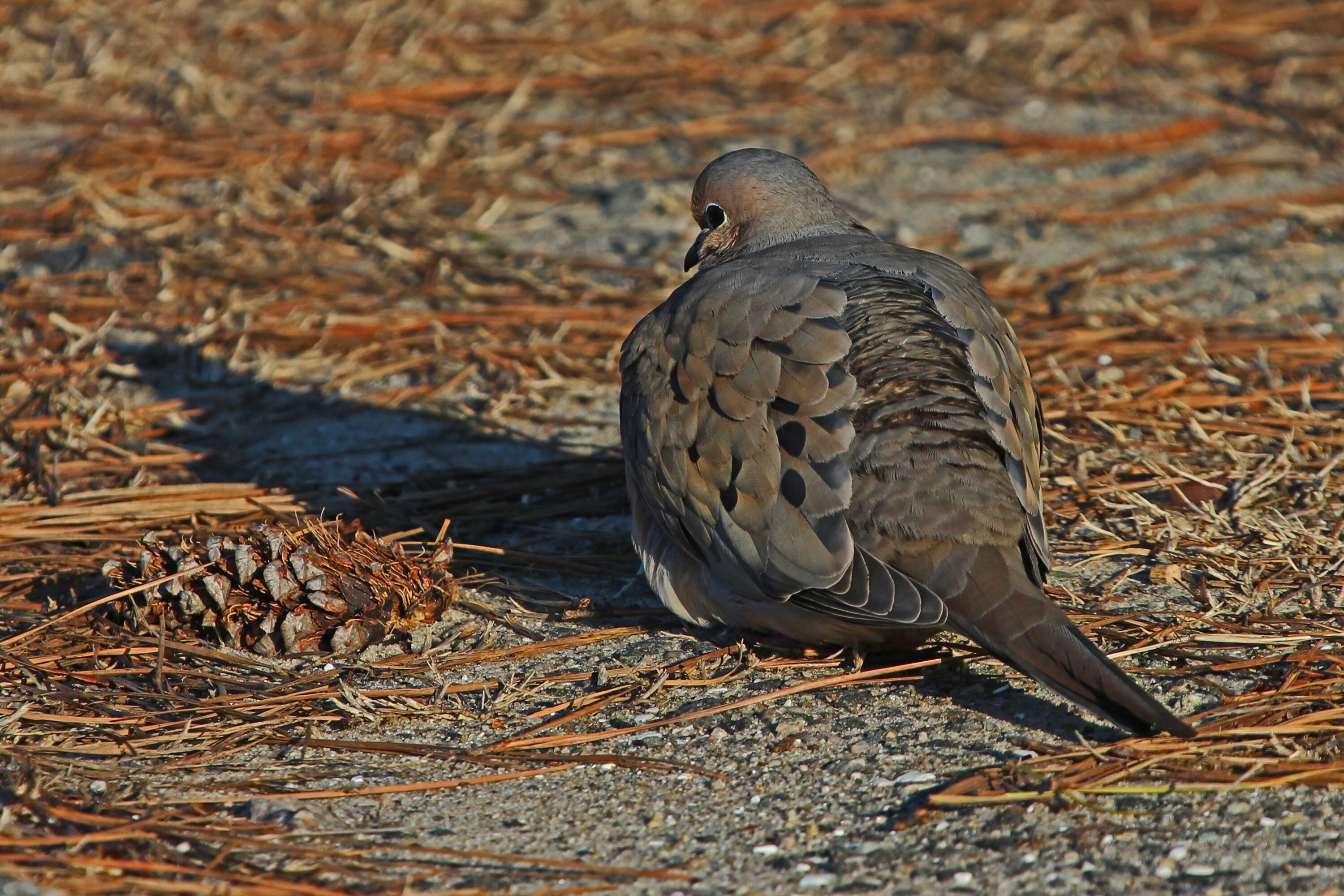
U.S. Assessment Estimates 329 Million Mourning Doves
A federal assessment estimates about 329 million mourning doves in the United States. The western abundance estimate fell…
Read story →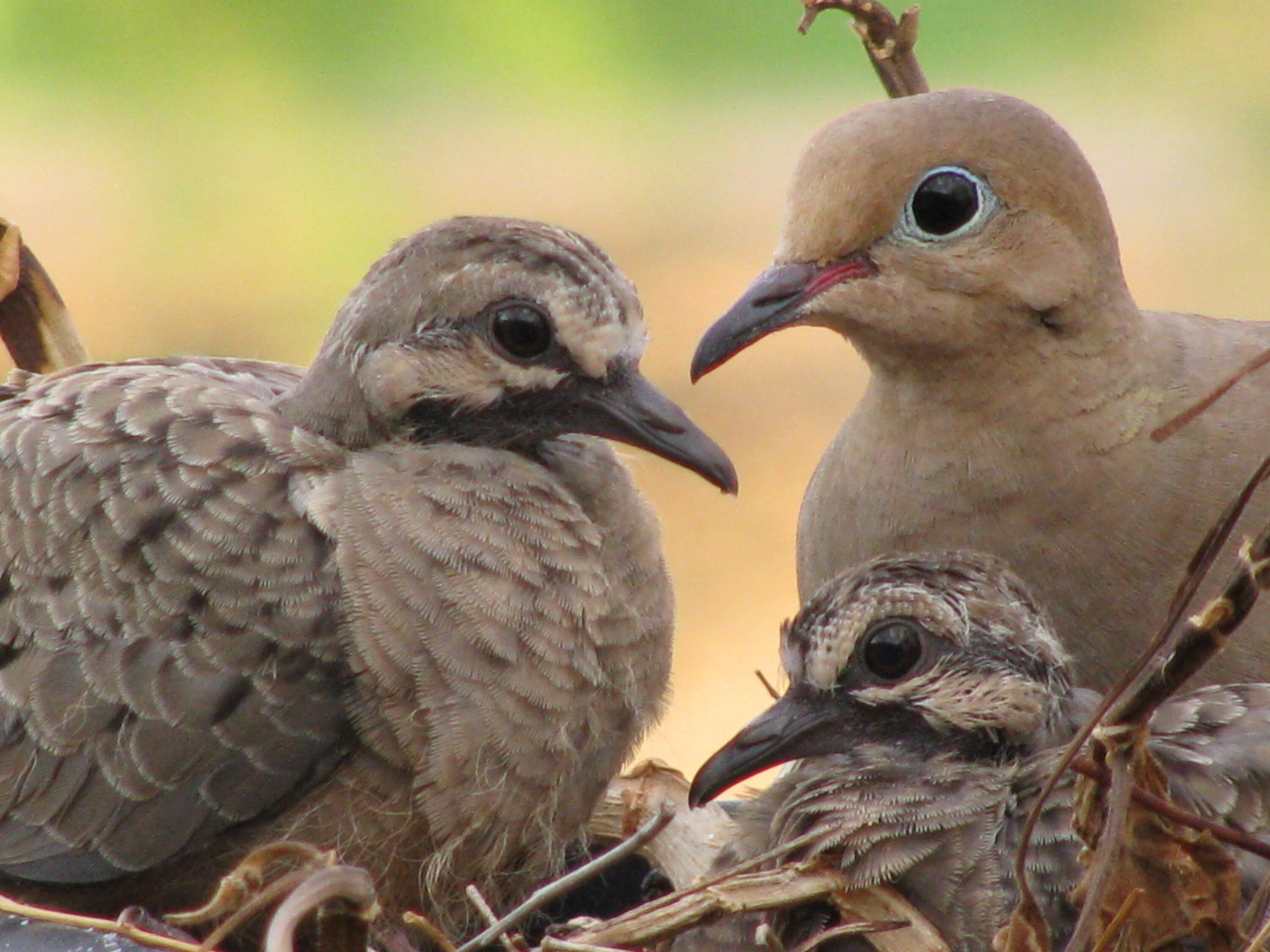
Texas Will Open South-Zone Mourning-Dove Season on September 1 for First Time in Over a Century
For the first time in more than a century, Texas will open mourning-dove hunting in its South Zone…
Read story →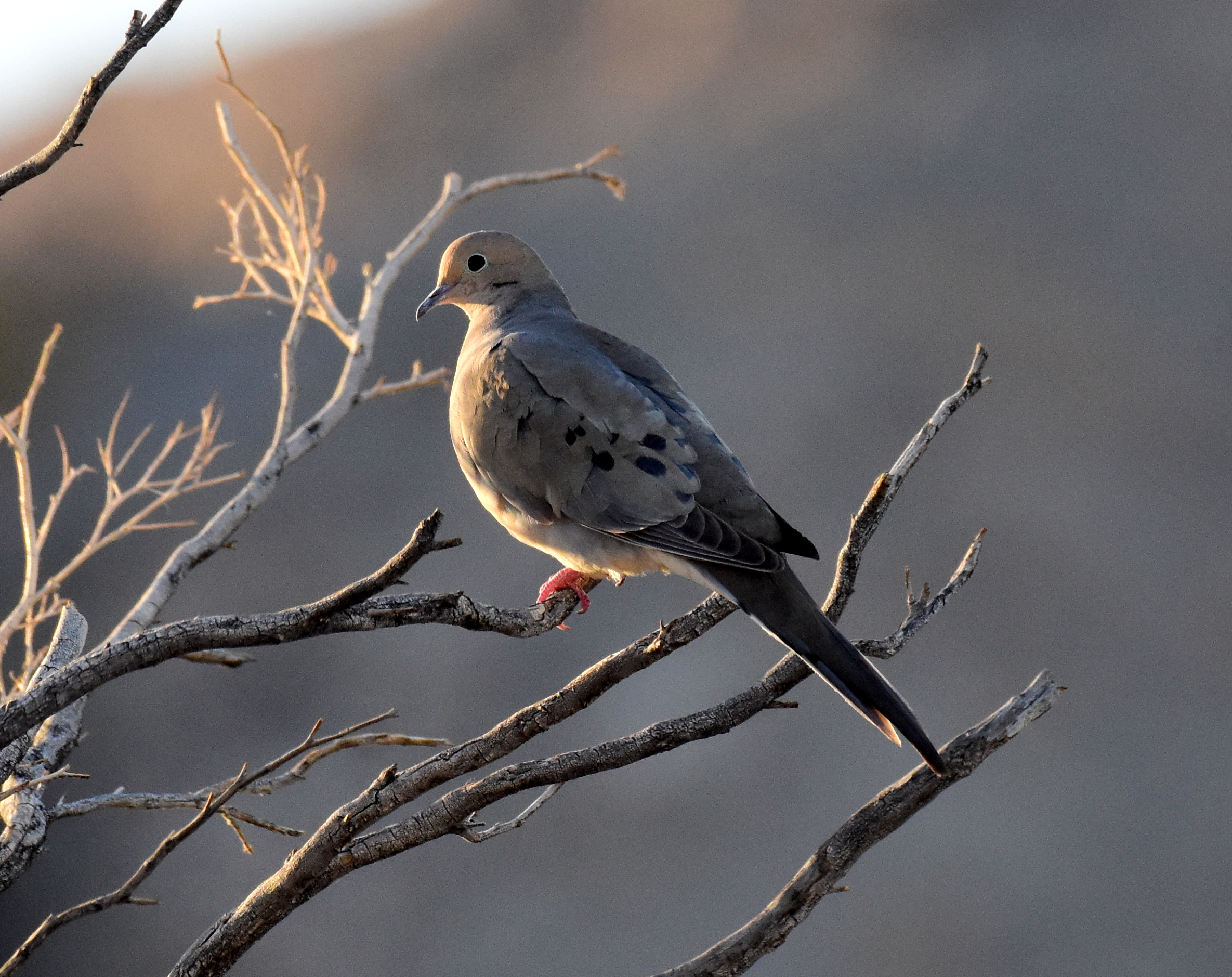
Ulnar and Cardiac Blood Samples Differed in Uric Acid but Not Glucose in Mourning Doves
Paired blood samples from 13 wild-caught mourning doves showed similar glucose concentrations between ulnar-vein and post-euthanasia cardiac samples,…
Read story →SPECIES IN THIS STORY
Species in this story
Independent research and conservation news archive
Did you find this information useful?
Wildlife Vagabond is independently built and maintained. Voluntary support helps cover source verification, hosting and continued work on research and conservation news.
Support Wildlife VagabondThe news archive will remain freely available.