
Vibrational signatures in ivory do not reliably distinguish elephant species
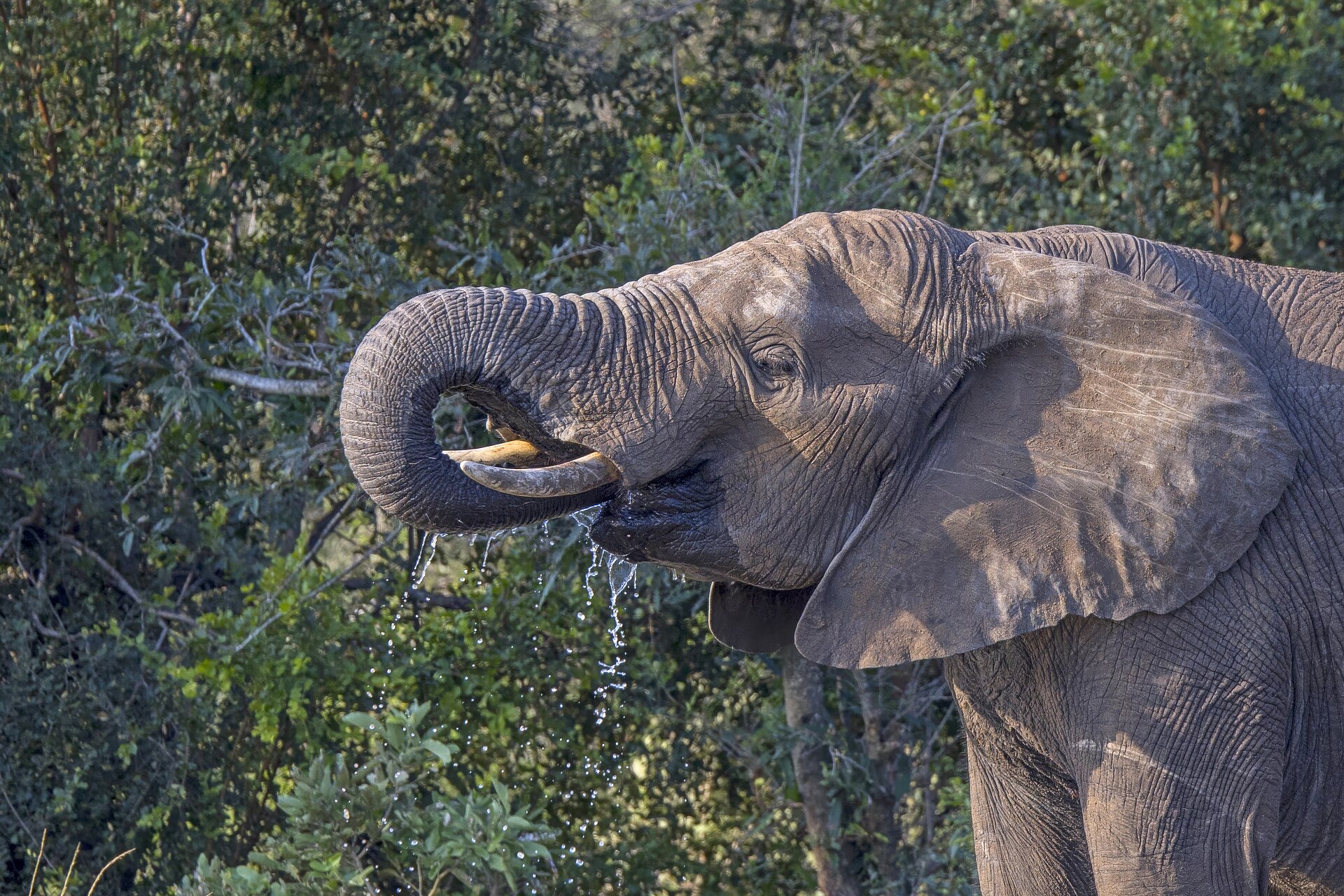
Can the way ivory’s molecules vibrate reveal which elephant species it came from? Researchers tested proposed infrared and Raman markers in ten ivory dowels from a Qing-dynasty table screen at the Palace Museum in Beijing. These light-based analyses produce vibrational signatures linked to features of the material, which can be compared between samples.
The researchers first identified the ivory using ZooMS (Zooarchaeology by Mass Spectrometry), which identifies animal material by comparing patterns in collagen, a structural protein. Seven dowels came from Asian elephants (Elephas maximus) and three from African Bush Elephants (Loxodonta africana).
The proposed markers included signals associated with phosphate and carbonate in ivory’s mineral component, as well as features related to its mineral and organic components. Several appeared in samples from both species, and the overall patterns overlapped substantially. Linear discriminant analysis classified 80% of the ten samples correctly when each sample was left out of model fitting in turn. A separate logistic regression model separated the samples completely, but the researchers regarded this as overfitting: the model may have captured peculiarities of these ten samples rather than differences that would reliably distinguish new ivory samples. These features may reflect physical and chemical variation associated with elephant groups, but in this study they were not unique markers of either species.
Identifying the species behind museum ivory can help researchers understand the material in historical objects. This study suggests that the proposed vibrational features should not be treated as definitive species identifiers on their own. The assessment involved only ten samples, with more Asian than African elephant ivory, so larger, more evenly balanced reference collections with independent species identifications are needed to test how well the patterns hold up. Interpretation of the features also depends partly on the instrument configuration.
Other research
Related news
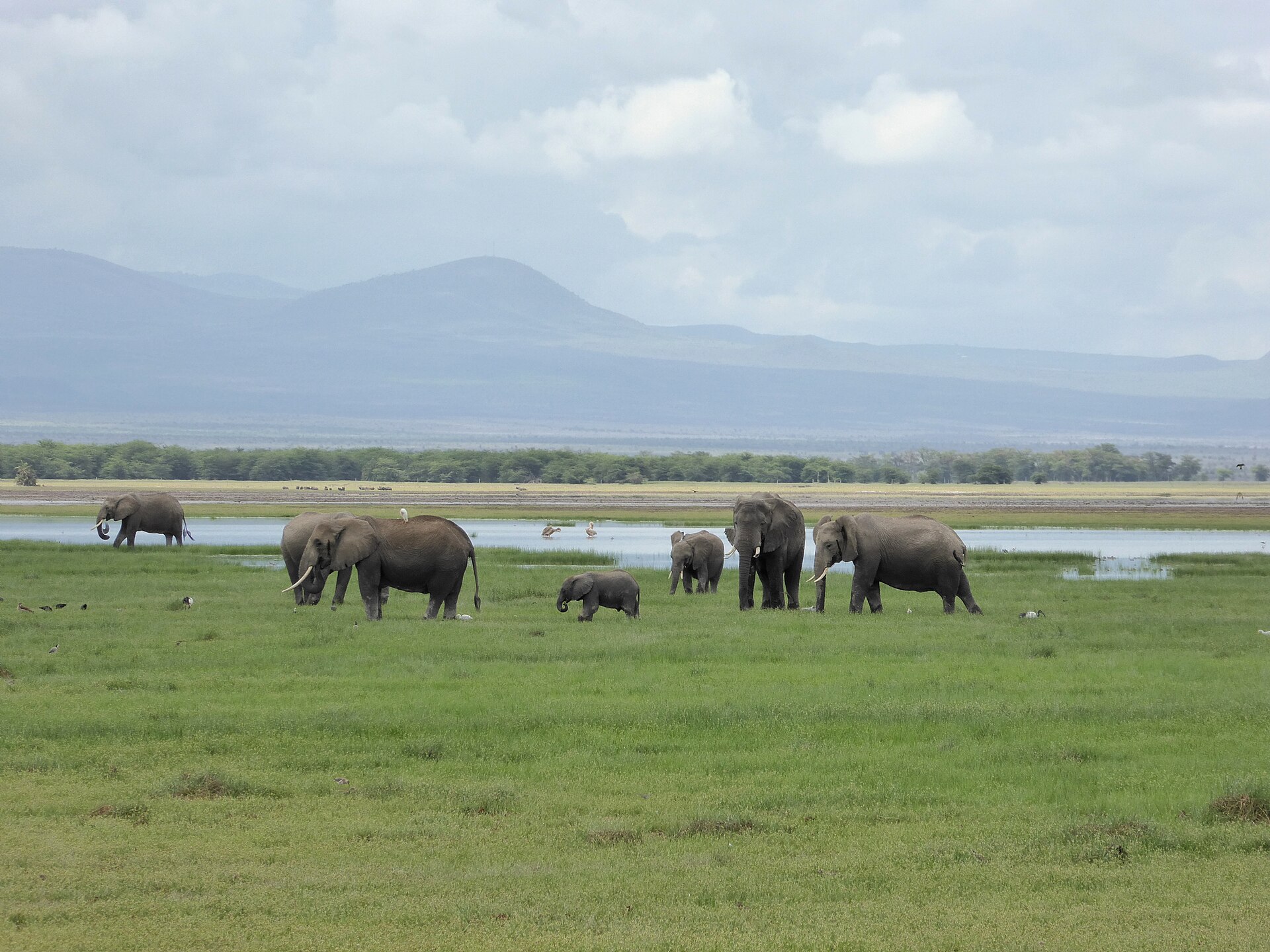
Kinship, drought and matriarchs shape elephant family ties
More than 50 years of records from Amboseli, Kenya, show how elephant family cohesion shifts as families grow,…
Read story →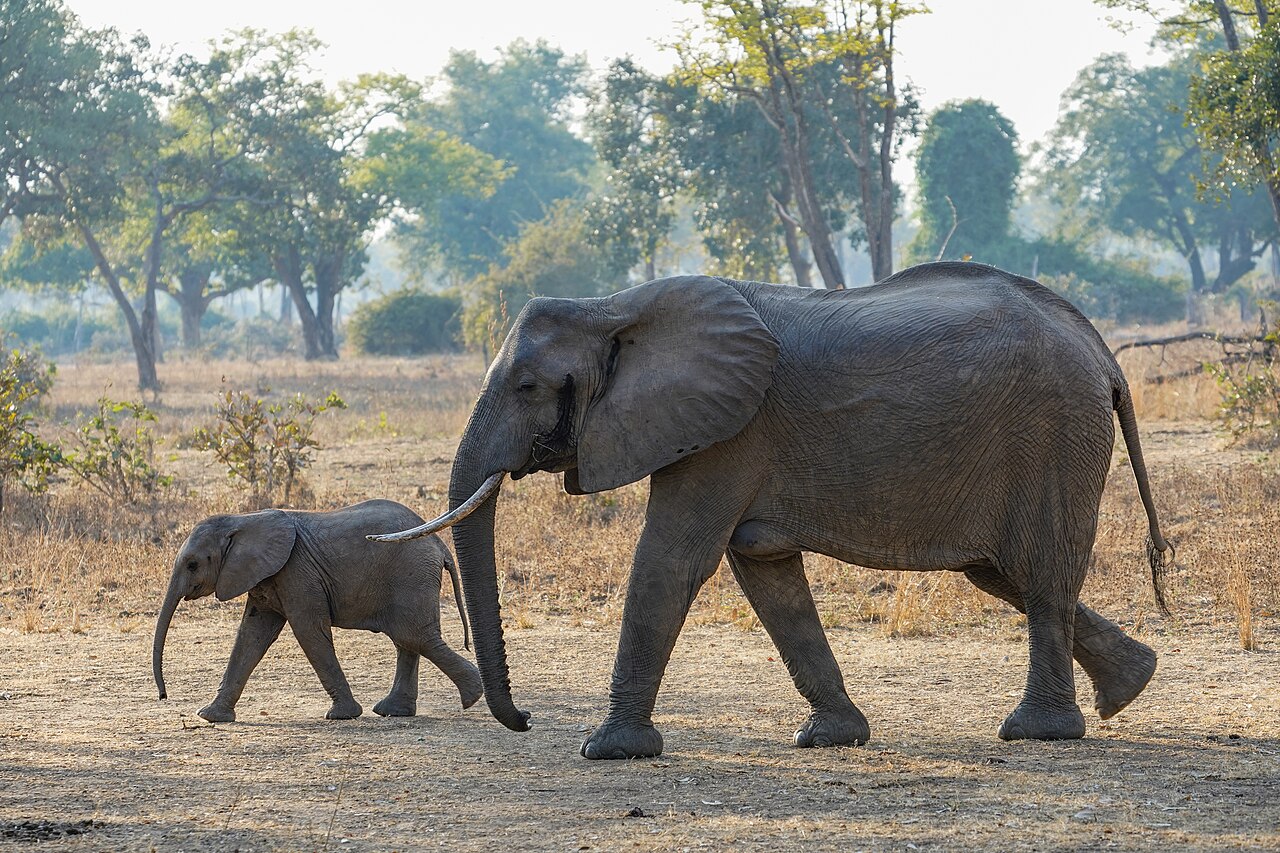
An ancient viral gene may have been repurposed in elephant placenta
An ancient viral gene that appears to have been inherited for at least 79 million years is strongly…
Read story →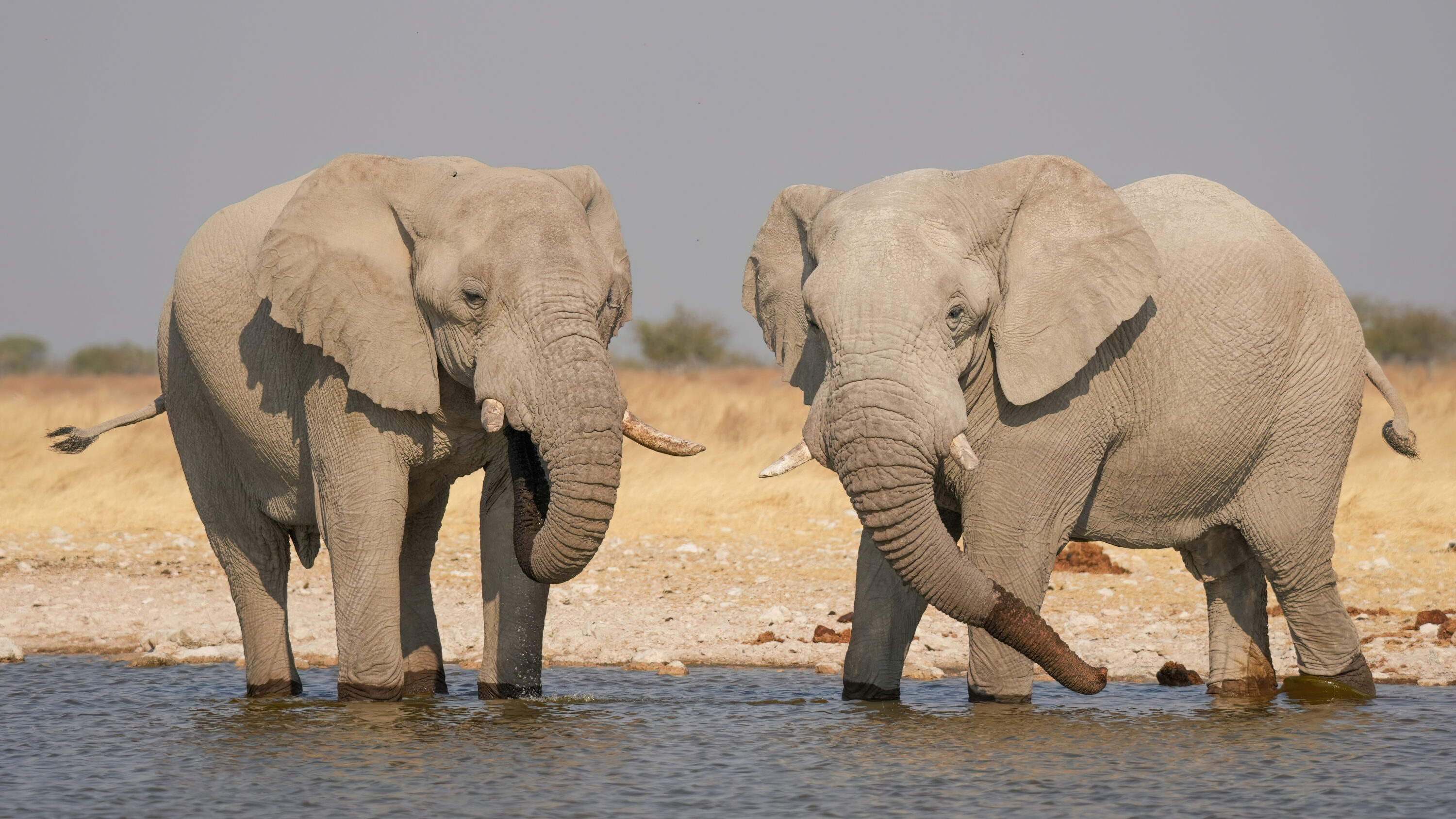
Three Ways of Analysing Elephant Calls Gave Different Results
Recordings from a semi-free herd in South Africa show how the method used to classify call timing can…
Read story →SPECIES IN THIS STORY
Species in this story
Independent research and conservation news archive
Did you find this information useful?
Wildlife Vagabond is independently built and maintained. Voluntary support helps cover source verification, hosting and continued work on research and conservation news.
Support Wildlife VagabondThe news archive will remain freely available.