
78 Hidden Common Swift Nests Found Before Renovations Led to 212 Replacement Nest Boxes
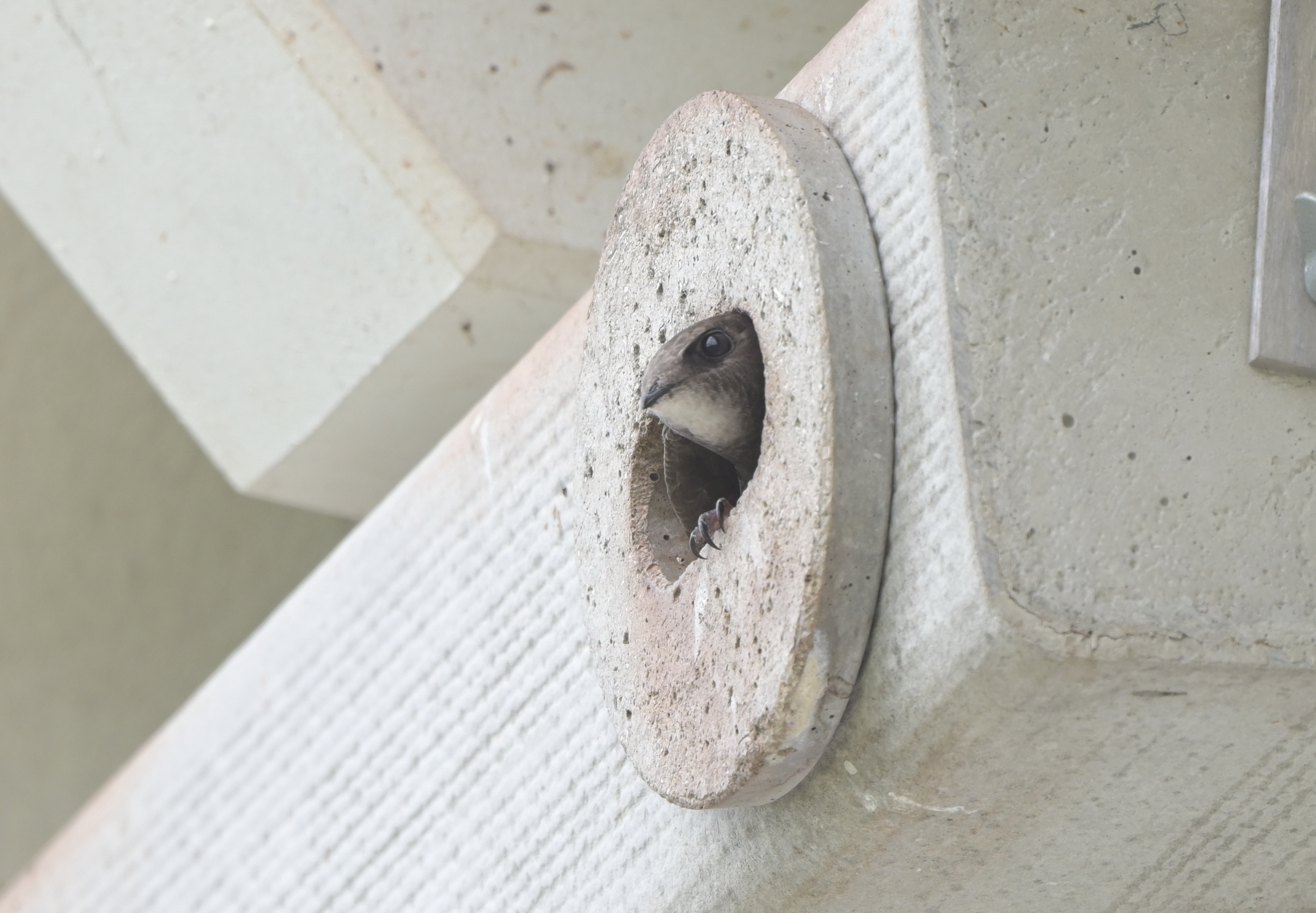
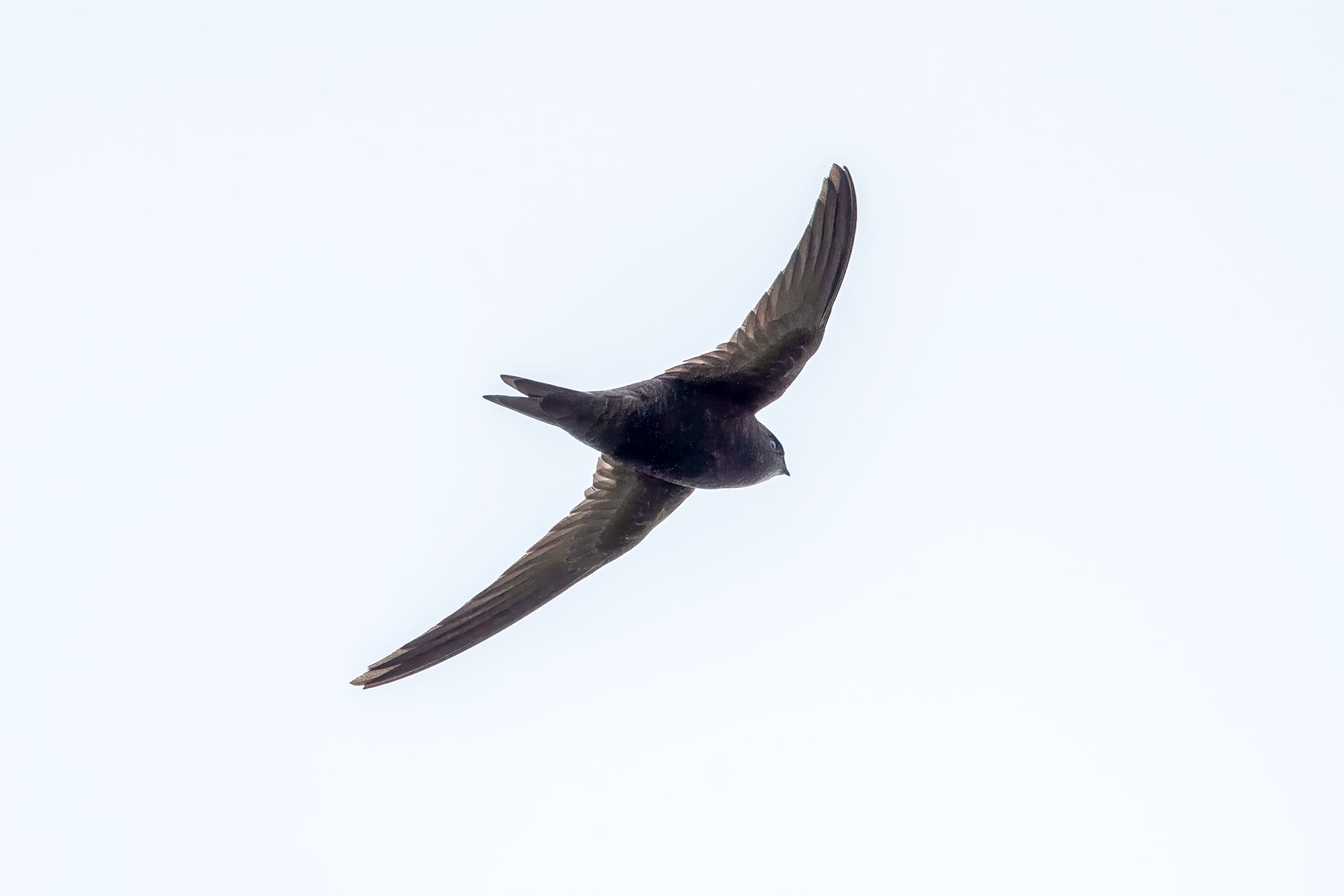
A video method developed to find hidden common swift (Apus apus) nests in buildings revealed 78 active nests during surveys ahead of two university-campus renovation projects in Rennes, France. The findings led the local biodiversity authority to require 212 nest boxes to be integrated into the renovated facades.
The study, published on 24 January 2026, addresses a practical problem in swift conservation: breeding birds enter cracks and cavities in buildings in a fraction of a second and can easily be missed during direct visual surveys.
Two hours of video were fused into easy-to-read images
The researchers filmed each facade continuously for one to two hours from a fixed position. They then combined successive video frames with a filter that retained the darkest value recorded for each pixel. Because swifts were darker than the building, their flight paths appeared as visible traces leading directly to occupied cavities.
Short visual surveys found only about one third of the nests
When the method was applied to the two large campus projects, it detected 78 active nests. Earlier 30-minute visual inspections of the facades had found only about one third of the active nests ultimately revealed by video.
The resulting estimate changed the scale of the compensation. In France, building projects that destroy occupied swift cavities commonly require two to three replacement nest boxes for each active cavity lost. With 78 active nests documented, the local authority decided that 212 nest boxes should be incorporated into the renovated facades between 2024 and 2027. The much larger count therefore translated directly into a larger replacement-habitat requirement.
Timing strongly affected detection
Continuous monitoring of one nest through the 2024 breeding season showed that visits were most frequent after the chicks hatched. One-hour surveys were most effective in the late afternoon and evening, while two-hour recordings between about 10:00 and 22:00 had a high chance of detecting activity for roughly 30 days after hatching.
Renovation and insulation can close the small openings used by breeding swifts. The video-fusion method provides documented evidence of where nests are located before work begins, allowing replacement nesting habitat to be planned from a more complete count rather than from nests that happen to be seen during brief visual checks. The authors have also released software for applying the method to other conservation projects.
Habitat protection
Related news
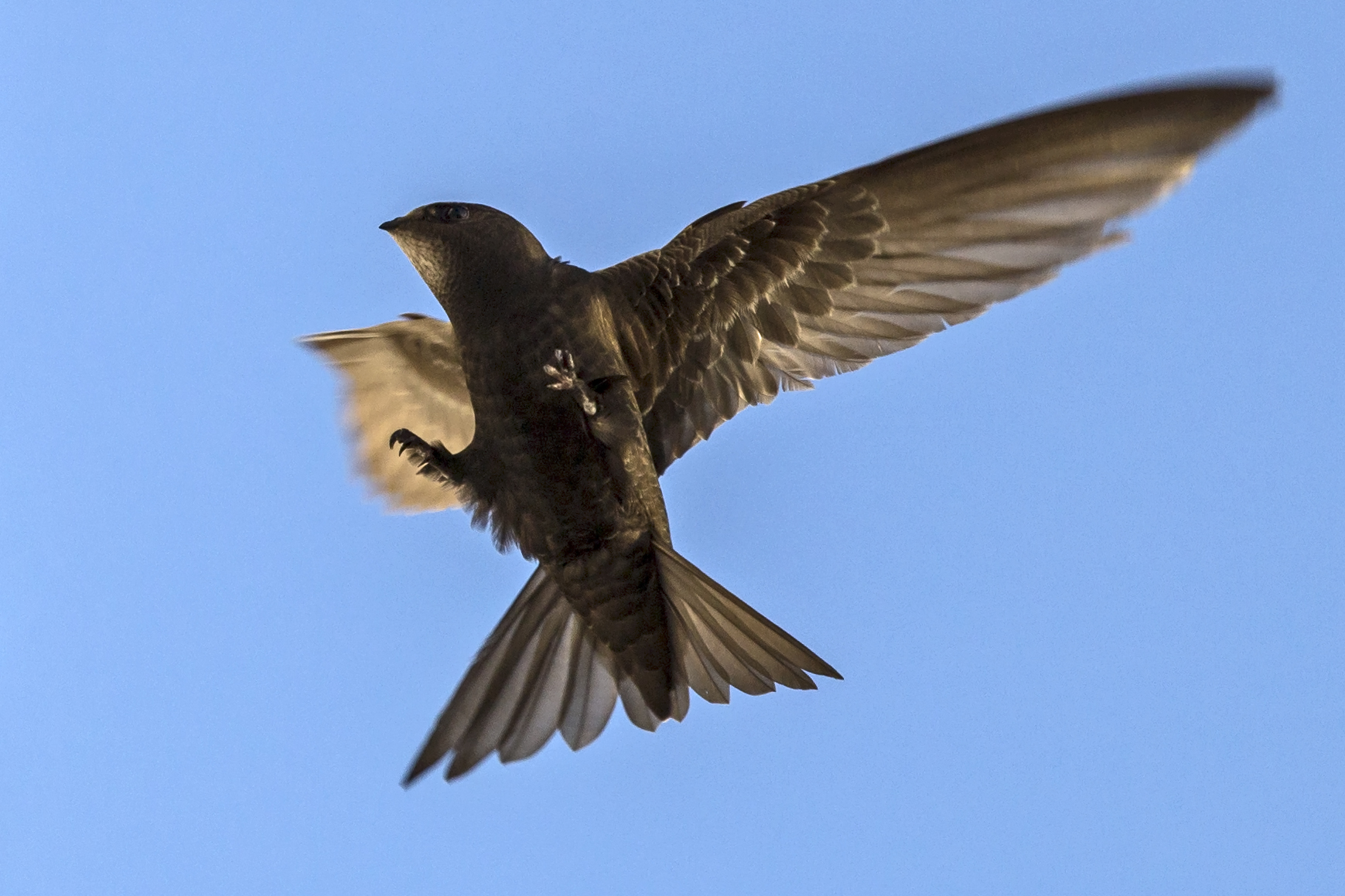
Common Swift Faecal Sacs Contain Measurable Energy That Parents May Recycle
A study of 224 nestling faecal sacs found measurable chemical energy that common swift parents could potentially recycle…
Read story →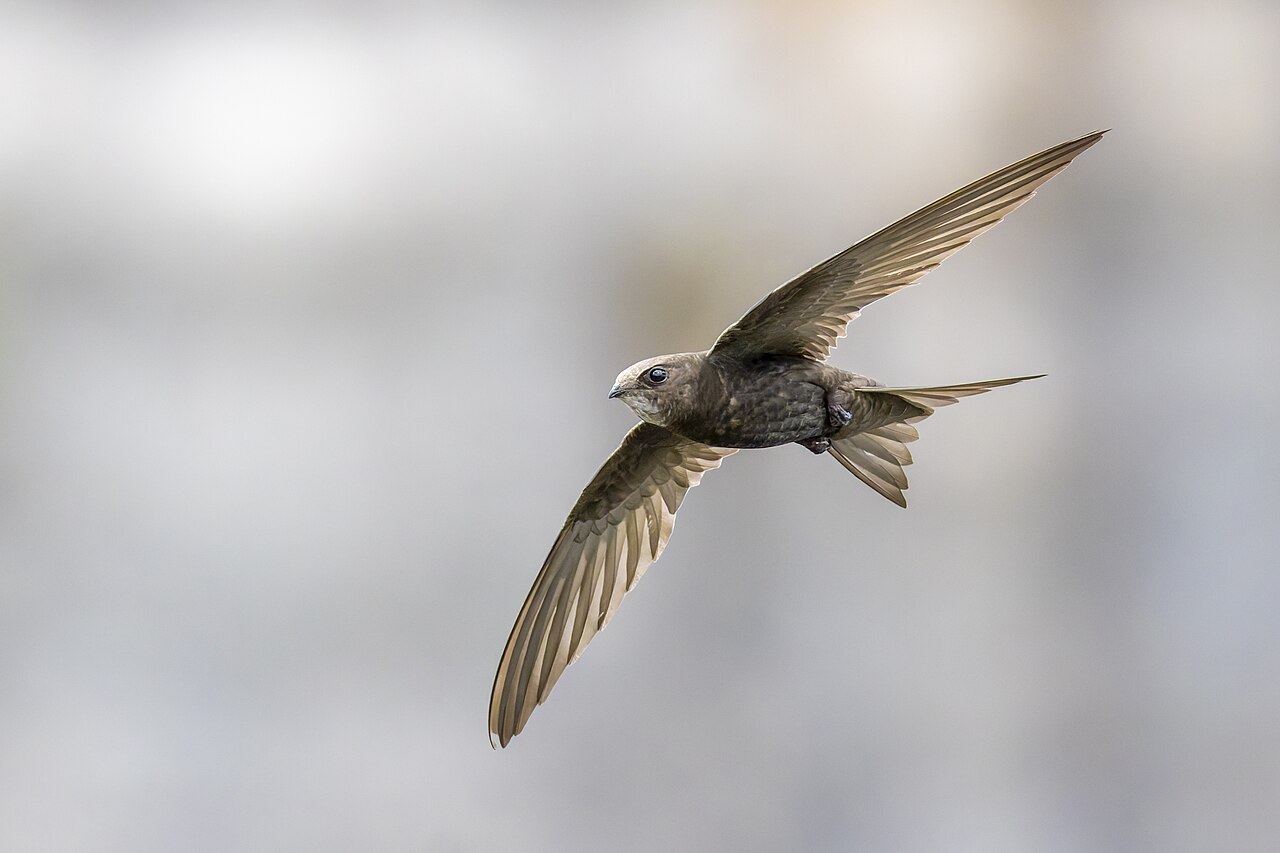
Study Reports First Documented Avipoxvirus Infection in a Swift Species
Four juvenile Common Swifts from three breeding sites in Germany developed avipoxvirus-associated wing lesions. Two recovered and were…
Read story →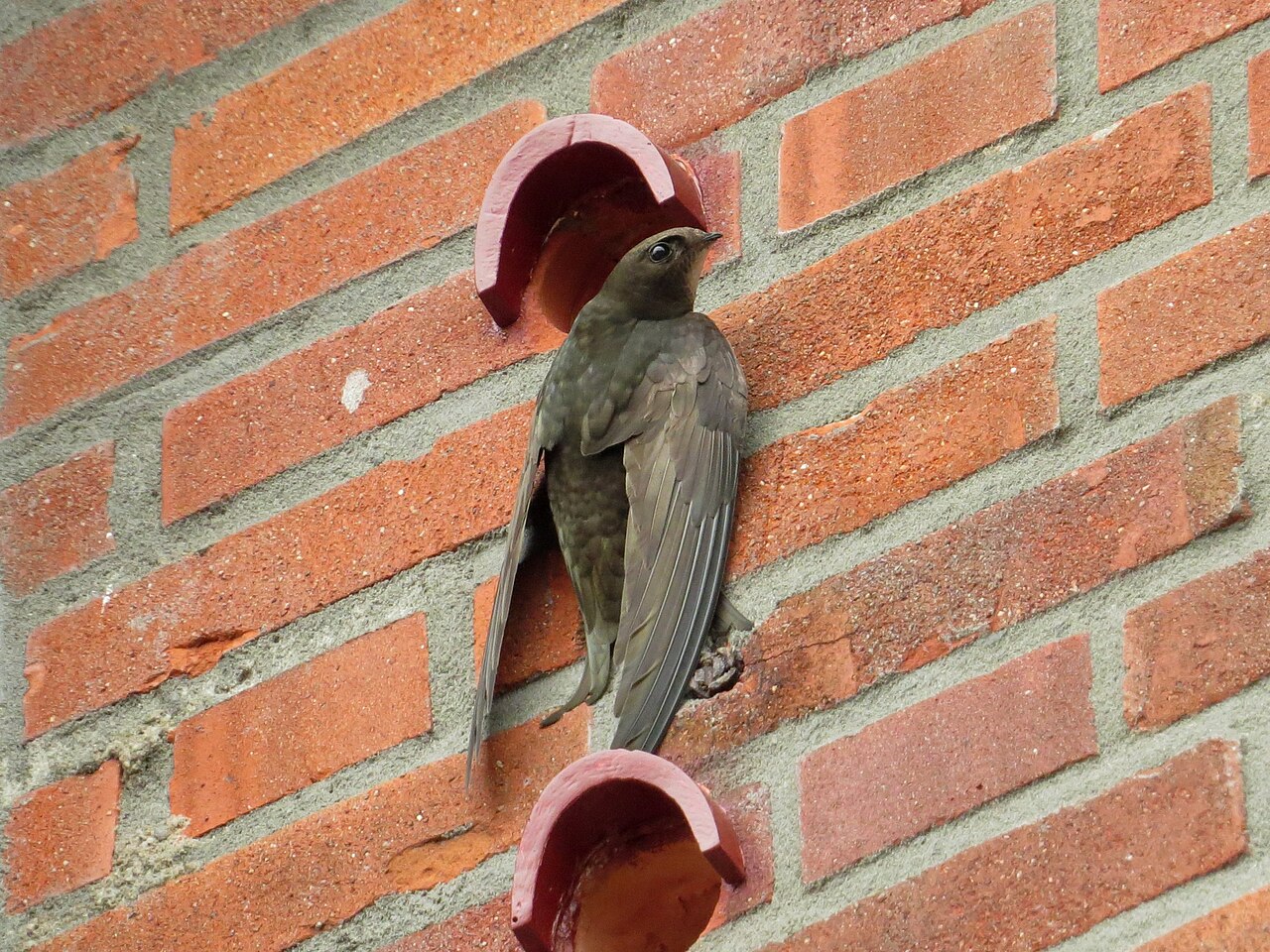
Common Swifts Reused Previous Nest Sites in More Than 94% of Repeat Breeding Records
A 15-year study found that common swifts reused previous nest sites in about 94–95% of repeat breeding records.…
Read story →SPECIES IN THIS STORY
Species in this story
Independent research and conservation news archive
Did you find this information useful?
Wildlife Vagabond is independently built and maintained. Voluntary support helps cover source verification, hosting and continued work on research and conservation news.
Support Wildlife VagabondThe news archive will remain freely available.