
Vietnamese Commune Issued Protection Notice After Officials Counted More Than 1,000 Asian Openbills
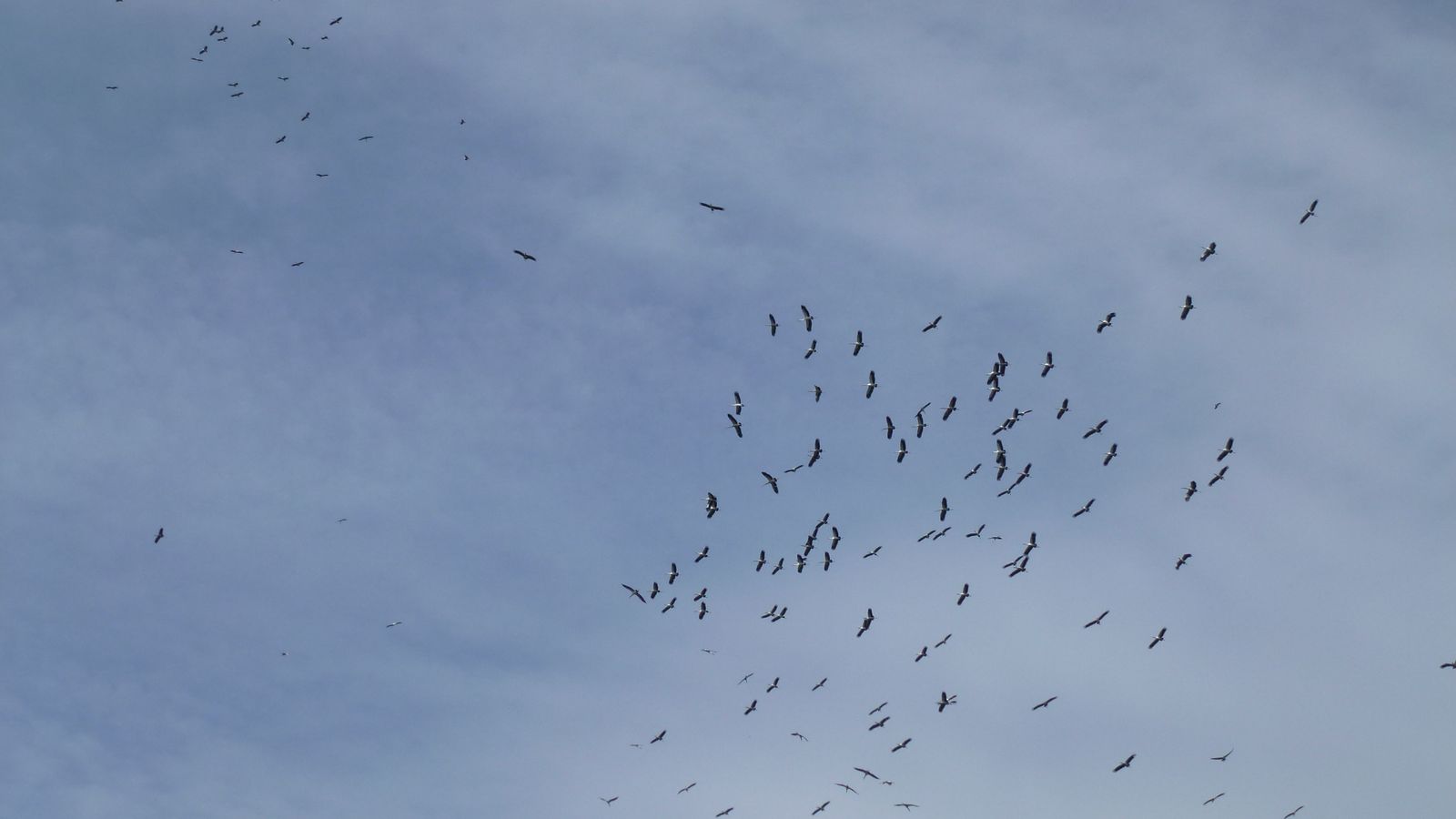
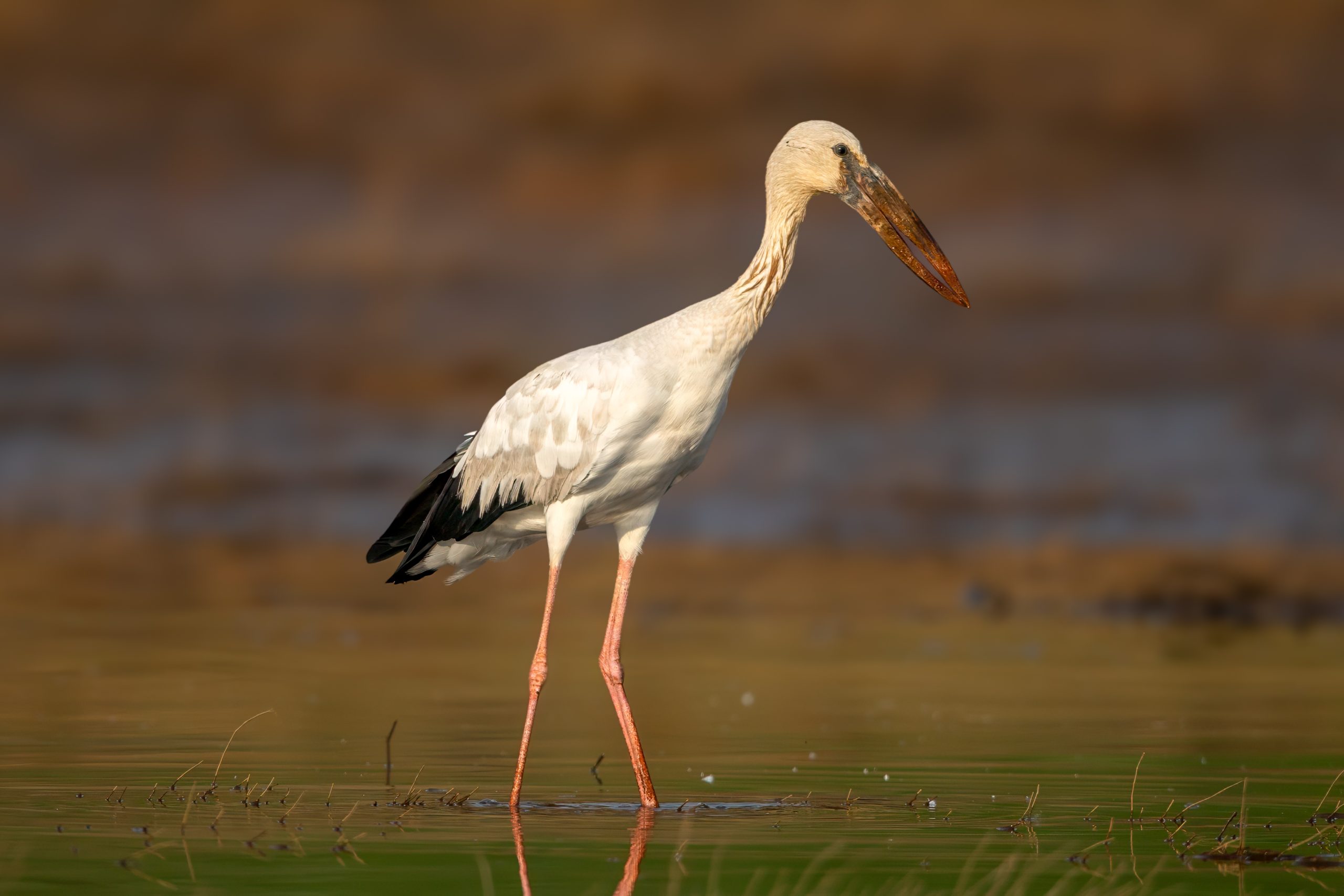
Authorities in Tuy Phước Đông Commune, Gia Lai Province, Vietnam, issued a protection notice on 13 May 2026 after an official evening check recorded more than 1,000 Asian openbills (Anastomus oscitans) returning to the Cồn Chim ecological area in Thị Nại Lagoon.
The inter-agency inspection took place on 11 May at Khoảnh 2, subzone 299. Between 17:30 and 18:45, officials recorded a flock of more than 1,000 birds arriving from several directions.
Local residents reported a rapid increase since late 2025
The commune notice states that people living around Cồn Chim began seeing Asian openbills after Typhoon No. 13 in 2025, initially in groups of about five to ten birds. Residents reported that numbers subsequently increased to more than 1,000. This earlier figure comes from local observations rather than from the same standardized count used on 11 May.
The birds were described feeding on tidal flats exposed at low tide and roosting on power lines and mangrove trees. The notice highlights the area’s mangrove forest, brackish lagoon and abundance of snails, crabs and other aquatic organisms as features that provide feeding and resting habitat.
The 13 May notice prohibited disturbance and exploitation
The People’s Committee called on residents and organizations not to chase, disturb, hunt, capture, buy, sell, slaughter, keep, store or transport the storks. The notice linked the large gathering to the suitability of the restored Cồn Chim–Thị Nại wetland for wild birds.
A follow-up conservation campaign reported several days later broadened the response beyond the flock itself. Local authorities called for stronger protection of mangroves, wetlands and natural bird habitat, encouraged residents to report illegal hunting and wildlife trade, and increased inspections aimed at preventing bird hunting and mangrove destruction.
Thị Nại Lagoon covers about 5,060 hectares, while the Cồn Chim–Thị Nại ecological restoration area covers roughly 480 hectares. The authorities therefore framed protection of the Asian openbills as part of a wider effort to safeguard the lagoon’s wetland and mangrove ecosystem rather than as a measure directed only at the birds.
Management
Related news
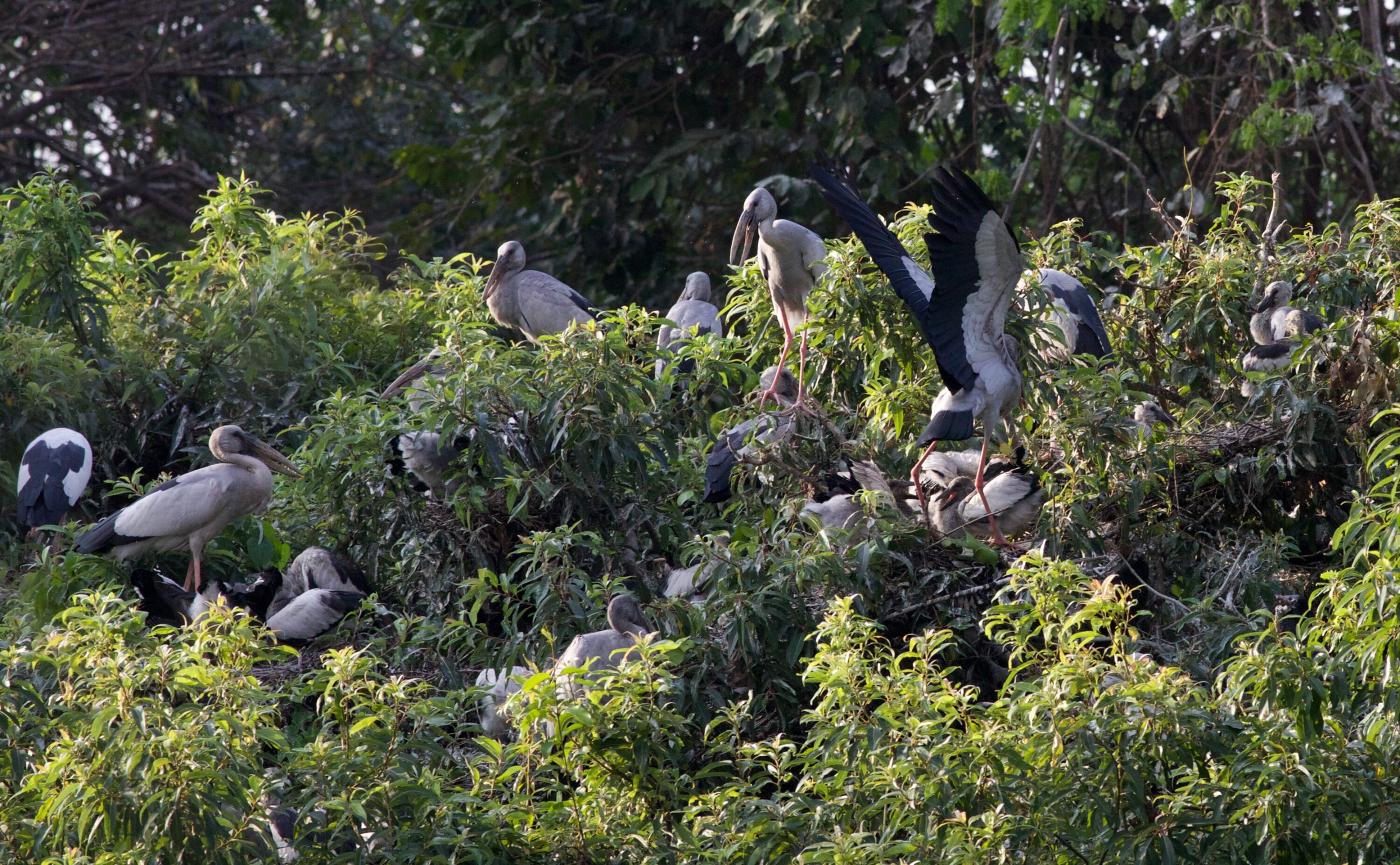
Waterbird Nest Counts Nearly Halved at an Indian Wetland, but Bird Numbers Showed No Clear Decline
At Vettangudi Bird Sanctuary in India, recorded waterbird nests fell from 396 to 190 across eight sampled breeding…
Read story →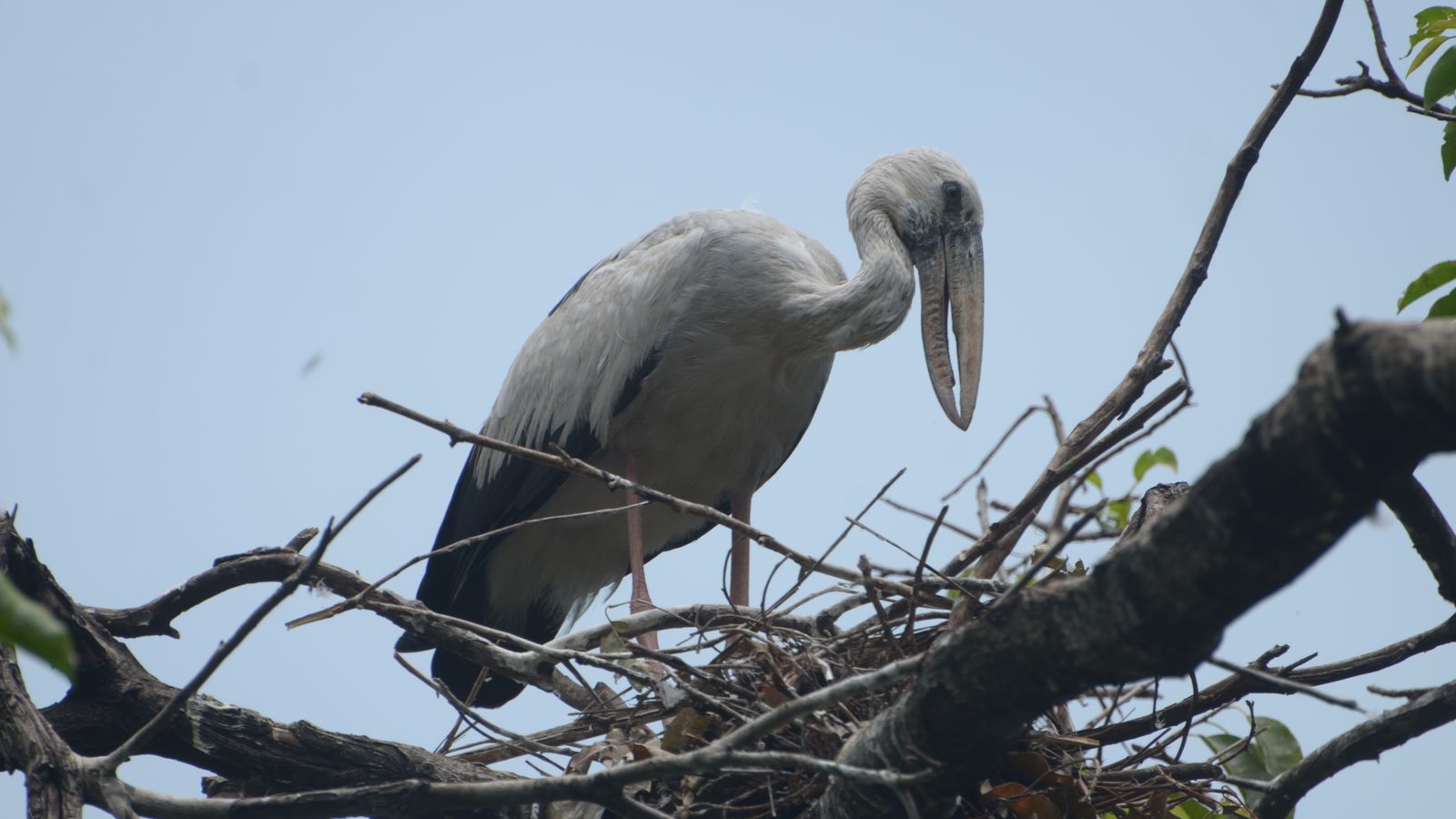
Asian Openbills Favoured Certain Tree Species for Nesting Even When Others Were More Common in Urban Bihar
Among 219 trees of 11 species in Aurangabad, 250 Asian openbill nests were unevenly distributed. Cordia myxa and…
Read story →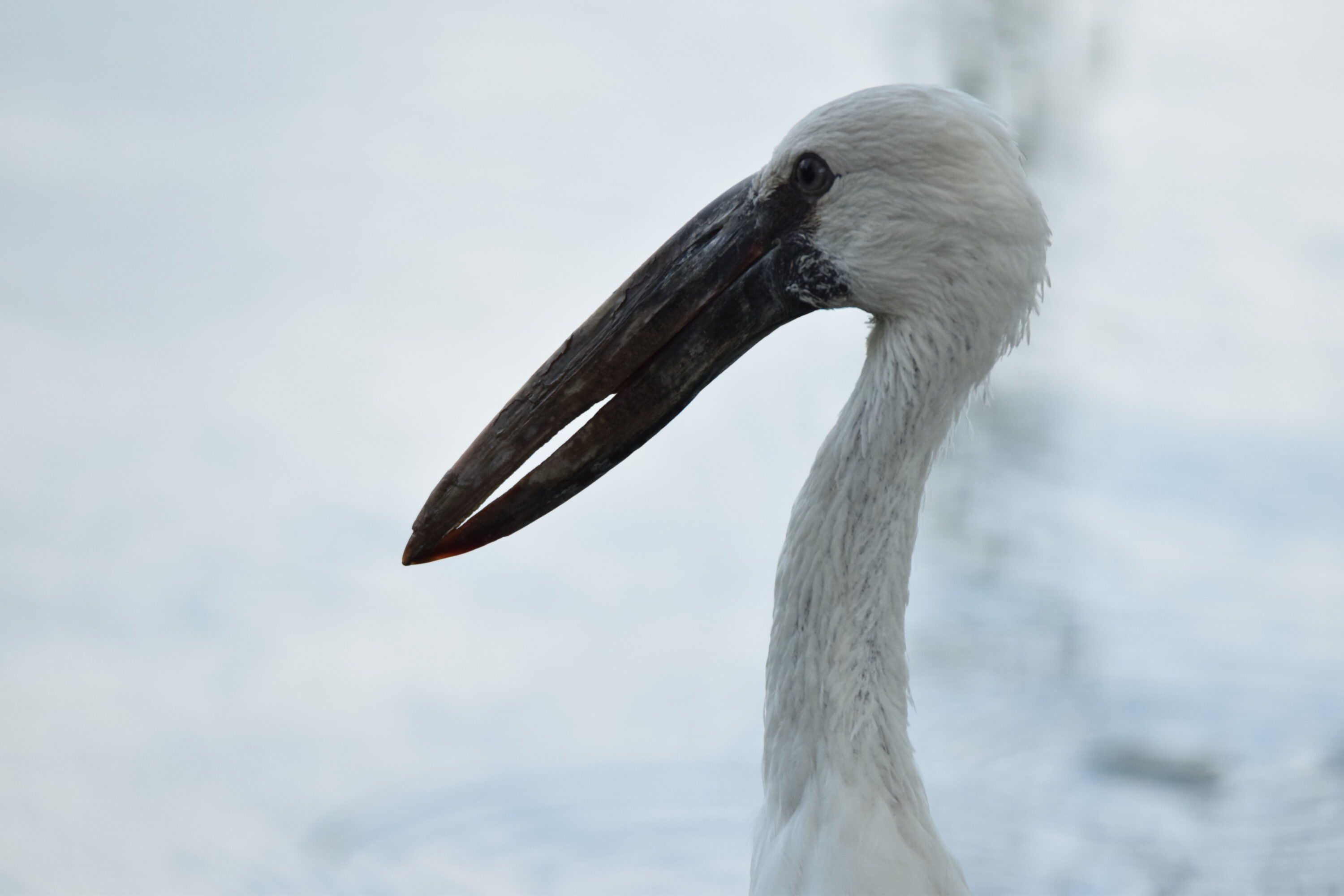
DNA Markers Confirmed Chaunocephalus ferox from a Thai Asian Openbill
Nuclear and mitochondrial DNA from 15 adult Chaunocephalus ferox recovered from a Thai Asian openbill confirmed the parasite's…
Read story →SPECIES IN THIS STORY
Species in this story
Independent research and conservation news archive
Did you find this information useful?
Wildlife Vagabond is independently built and maintained. Voluntary support helps cover source verification, hosting and continued work on research and conservation news.
Support Wildlife VagabondThe news archive will remain freely available.