
Village Weaver Colonies Used Different Nesting Strategies in Wild and Human-Dominated Landscapes
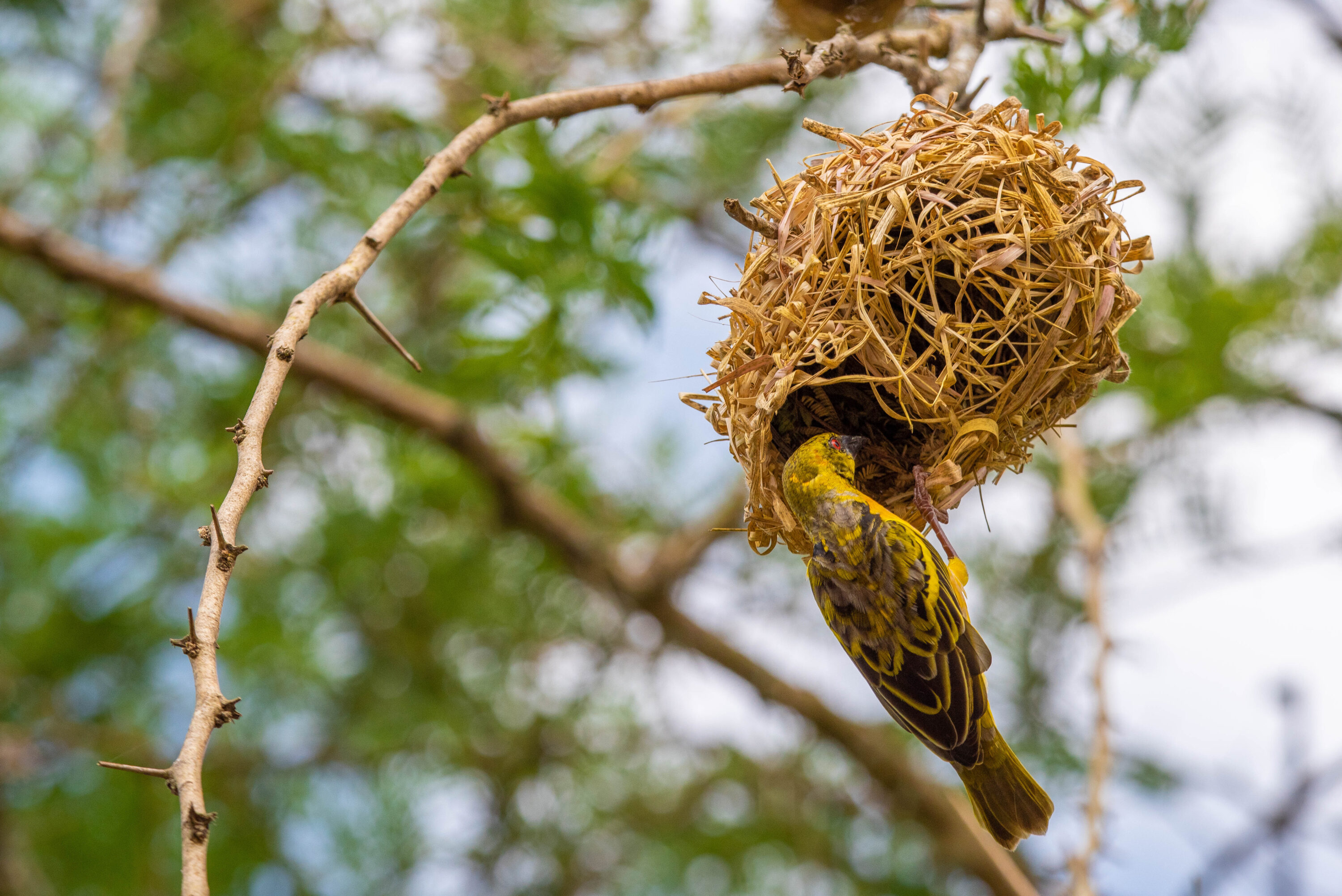
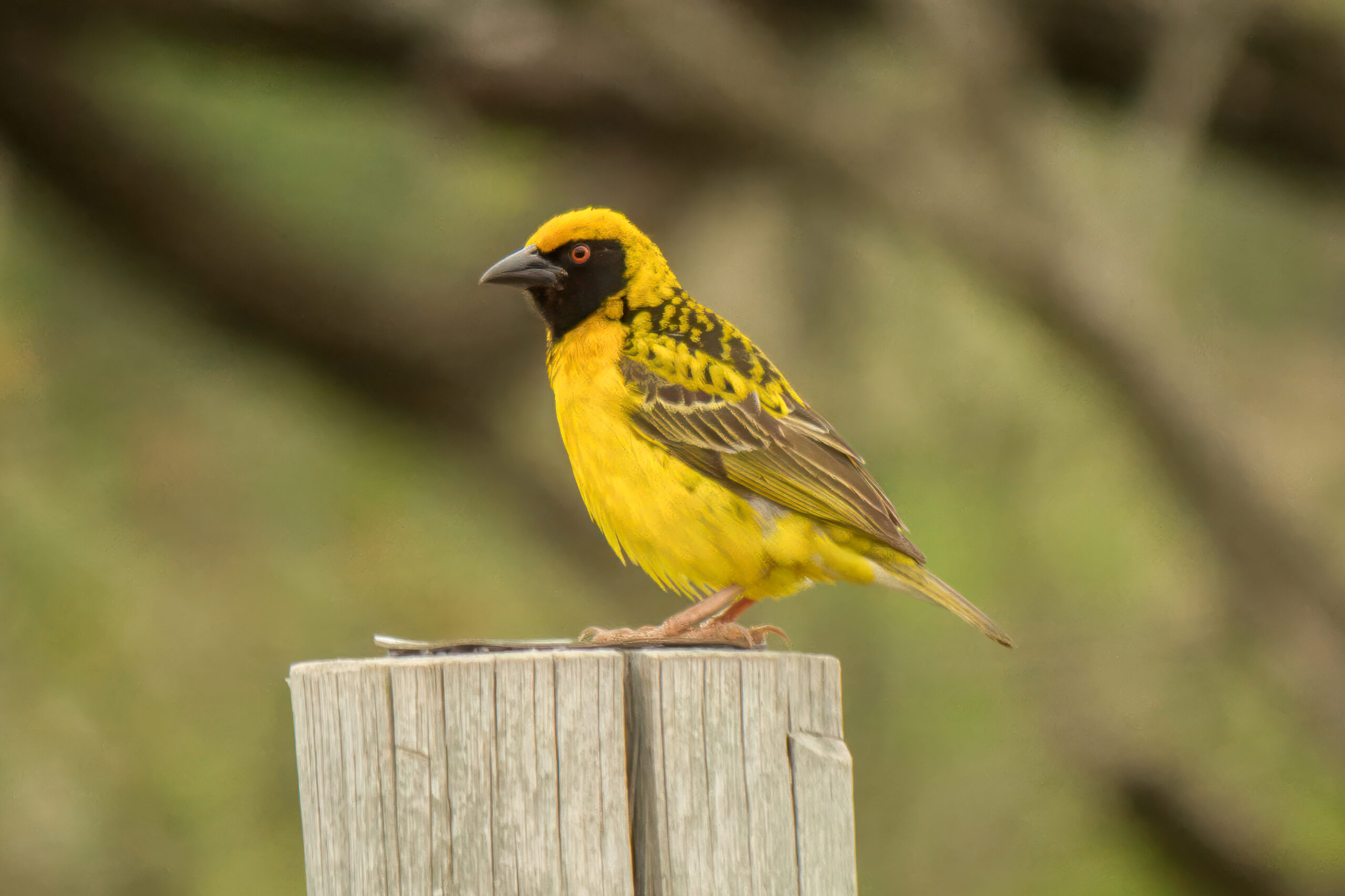
A study of village weavers (Ploceus cucullatus) on the Jos Plateau in Nigeria found clear differences in nest-site characteristics between colonies in wild habitats and those around human settlements. The study was published on 8 January 2026 in Ecology and Evolution.
Researchers recorded 41 colonies at 21 sites across approximately 900 km². Colony size ranged from two to 175 nests, and 63% of the colonies were found in human settlements. Colonies in settlements were larger than those in wild habitats.
The birds nested in a wide range of plants, from native species such as African locust bean (Parkia biglobosa) and African fan palm (Borassus aethiopum) to introduced trees such as eucalyptus. Tree circumference was positively associated with colony size.
Wild colonies were linked to taller trees and denser vegetation
The ecological pattern differed between habitats. In wild areas, larger colonies were associated with taller nesting trees and greater tree density around the colony. These colonies therefore occurred more often in structurally dense vegetation.
Settlement colonies were more closely linked to nearby water
Colonies in human settlements showed a different association. Their size was more strongly related to proximity to accessible water, and the study notes that these water-linked areas were often close to seasonal farms containing grain and vegetable crops.
The authors interpret the pattern as two different trade-offs. In wild habitats, larger and taller trees and denser vegetation may provide better concealment and make nests harder for predators to reach. Around settlements, they interpret the strong association with proximity to water in light of nearby seasonal farms rich in grains and vegetables.
Ecology
Related news
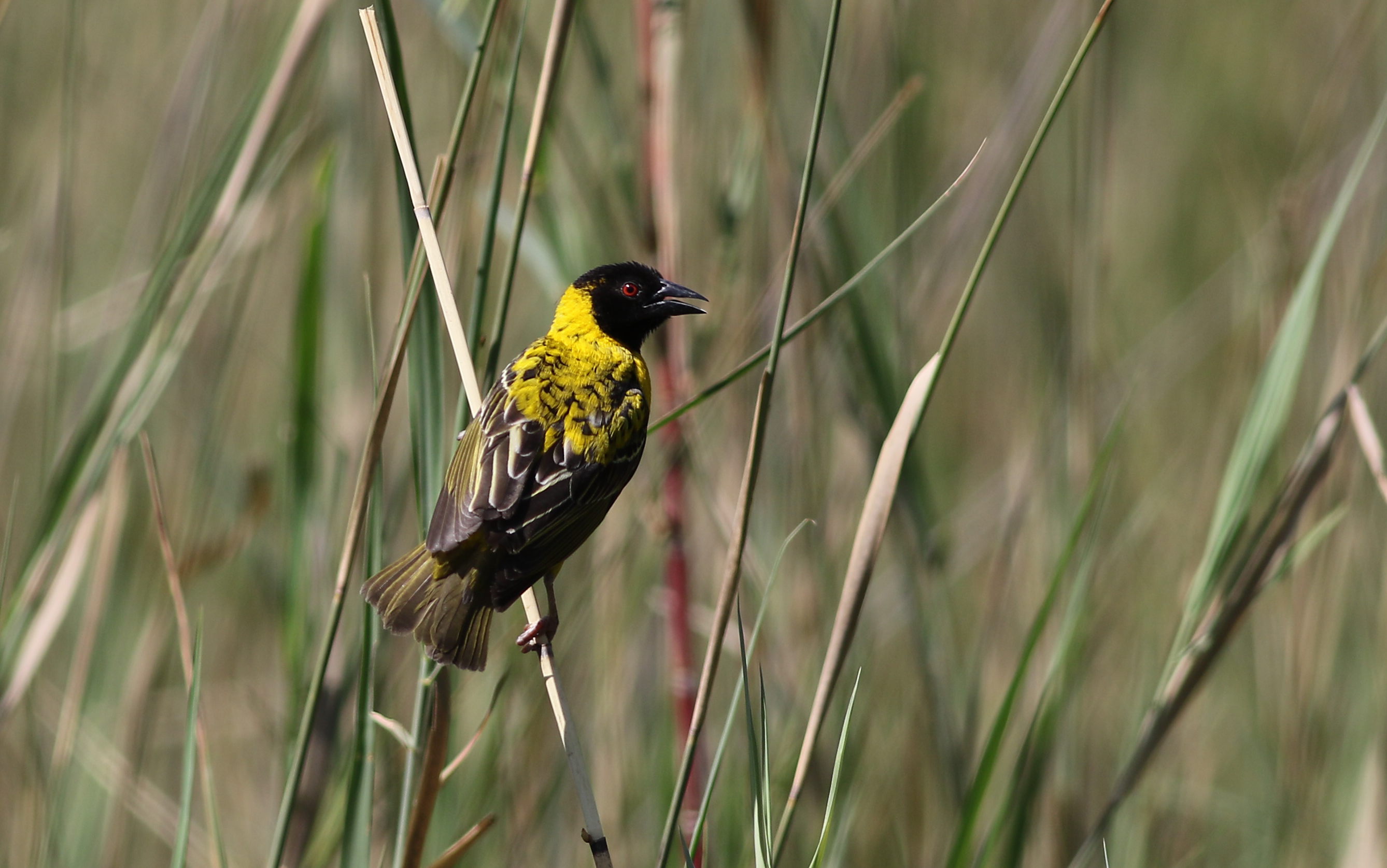
Village Weaver Was a Wet-Season Indicator in a Nigerian Savanna Bird Community
A 2026 bird-community study in north-central Nigeria identified village weaver as a significant wet-season indicator and one of…
Read story →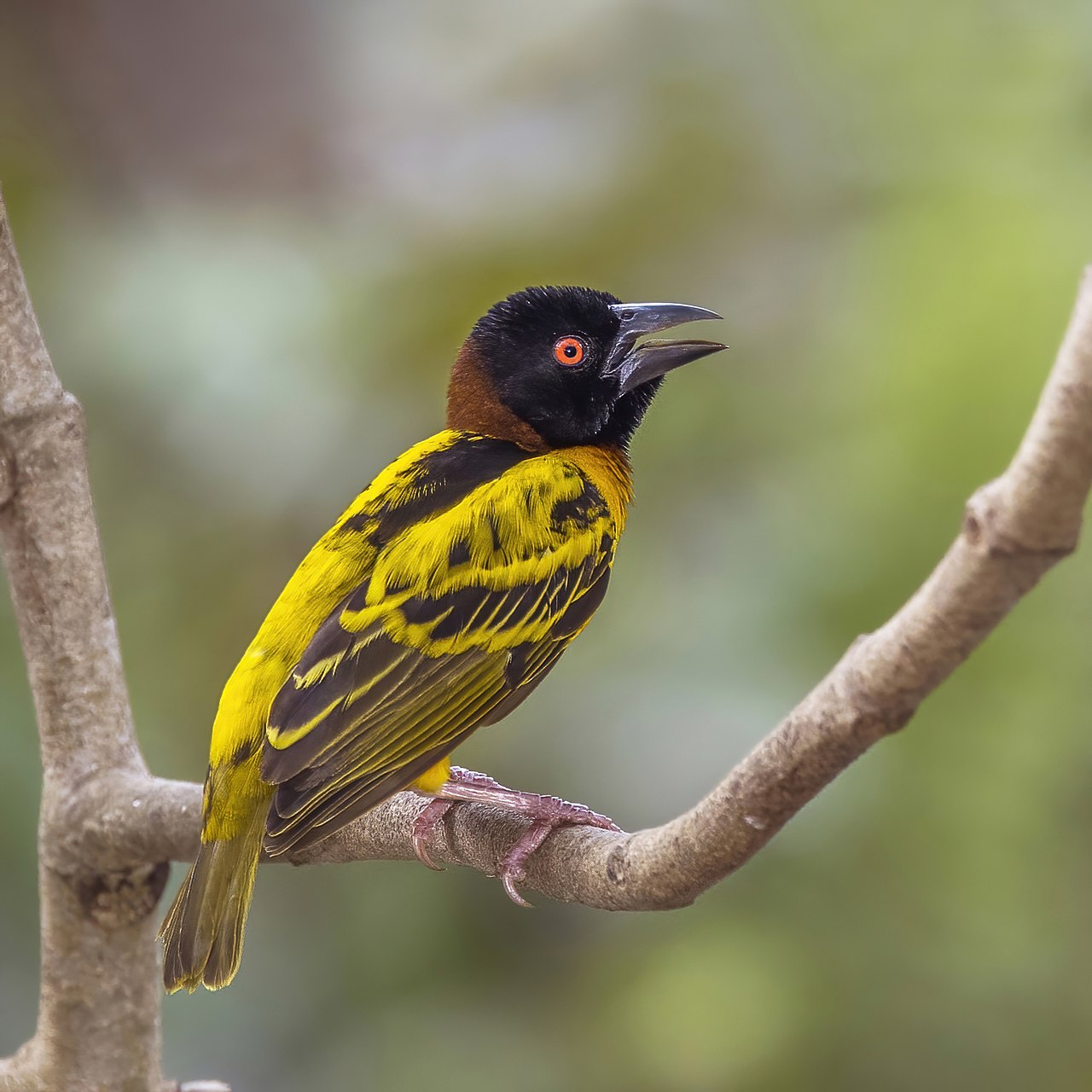
Infection and Moult Were Linked to Weaker Carotenoid Plumage Signals in Male Village Weavers
A 2026 study of 148 breeding male village weavers found that microfilarial infection altered redox balance, while birds…
Read story →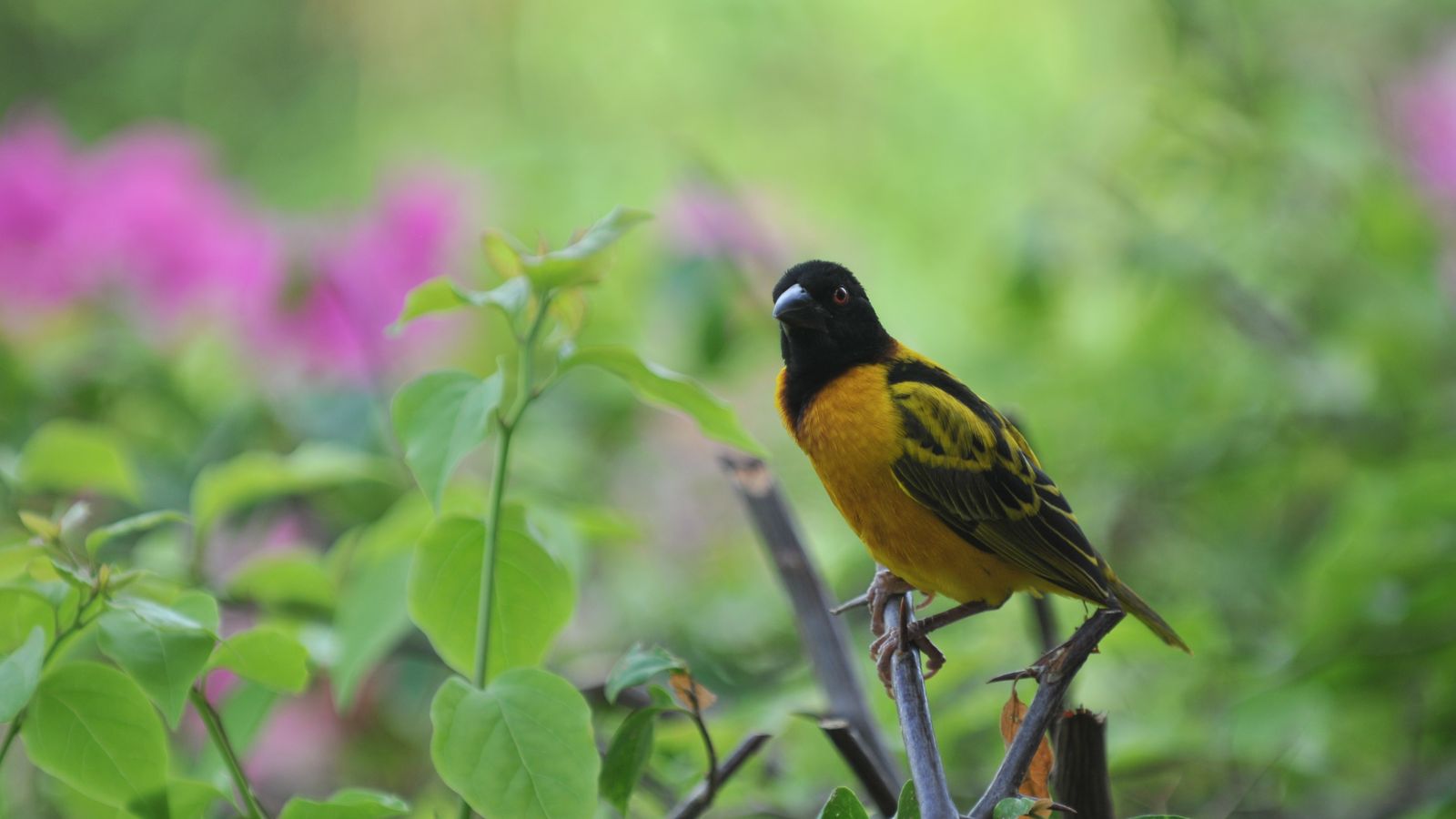
Heavy Metals in Village Weaver Tissues Revealed Distinct Pollution Fingerprints Across Benue State
A 2026 study of wild village weavers from six sites in Benue State found distinct heavy-metal profiles among…
Read story →SPECIES IN THIS STORY
Species in this story
Independent research and conservation news archive
Did you find this information useful?
Wildlife Vagabond is independently built and maintained. Voluntary support helps cover source verification, hosting and continued work on research and conservation news.
Support Wildlife VagabondThe news archive will remain freely available.