
Recent Starlings in Western Australia Differed Genetically from the 2000s Population
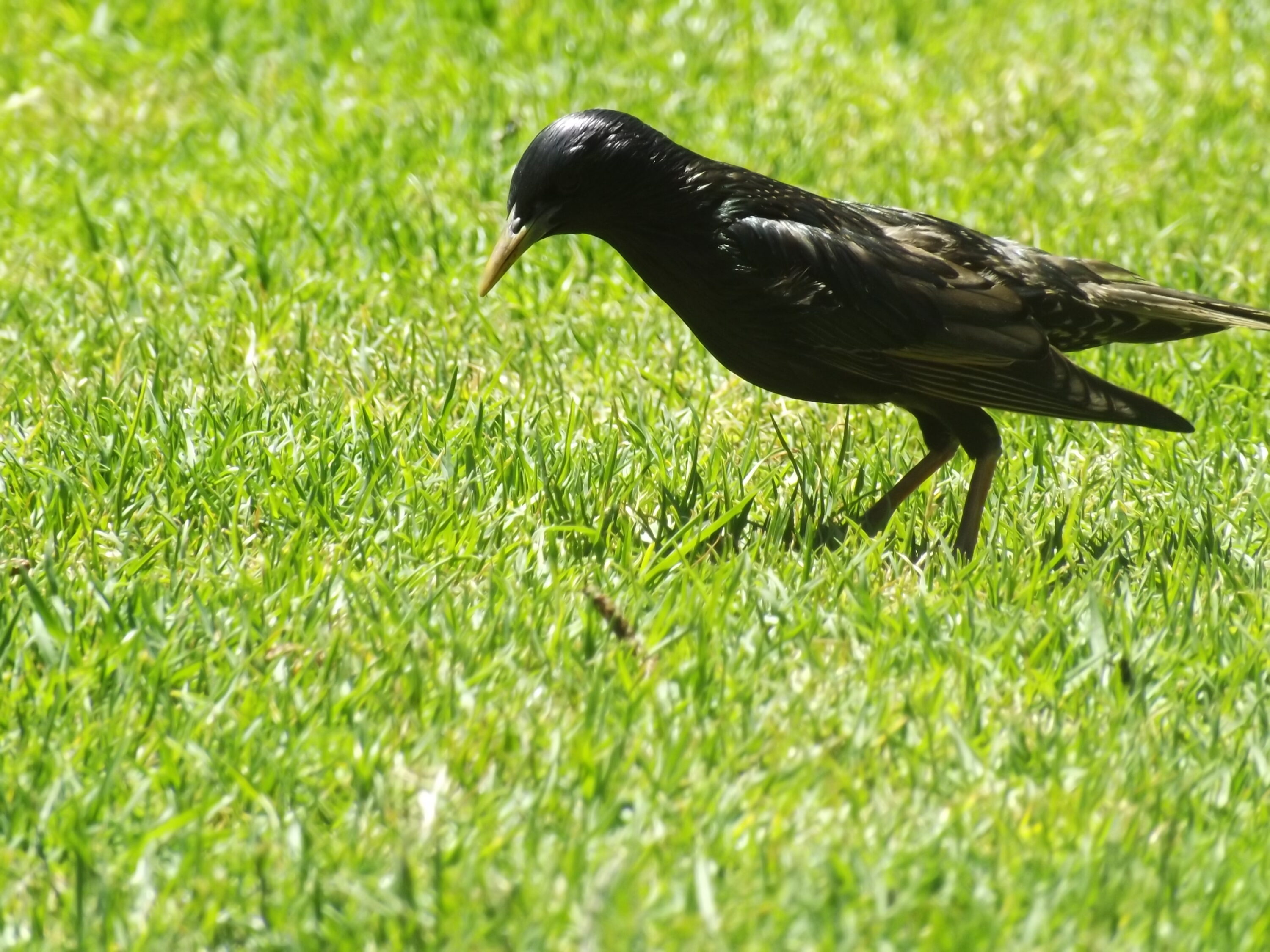
An NCBI BioProject record registered on 1 September 2026 describes genomic data from common starlings (Sturnus vulgaris) sampled across roughly 20 years of the species’ invasion in Australia. The birds came from established populations in New South Wales, Victoria and South Australia, from the Western Australia–South Australia border, and from the western front of the invasion in Western Australia.
The record combines samples from 2004–2008 with birds collected in 2017 and 2023–2024. Researchers used reduced-representation sequencing, which examines a subset of the genome across many genetic markers, to compare genetic diversity, population structure, relatedness, sex ratios and connectivity among the sampled populations.
The recent Western Australian incursions were genetically distinct from birds sampled at the western invasion front in the 2000s. According to the BioProject record, this pattern is consistent with the earlier incursion having been successfully extirpated before starlings later reinvaded the area. The analyses also detected ongoing gene flow from established source populations farther east in Australia.
Western Australia has been subject to government-led starling eradication efforts since the 1970s. The BioProject presents the long-term comparison as a resource for understanding how invasive populations change at an expanding range edge and for assessing the usefulness of genomic surveillance in invasive-species management.
Genetics & genomics
Related news
Common Starling Parents Called Less Often as Their Nestlings Grew Older
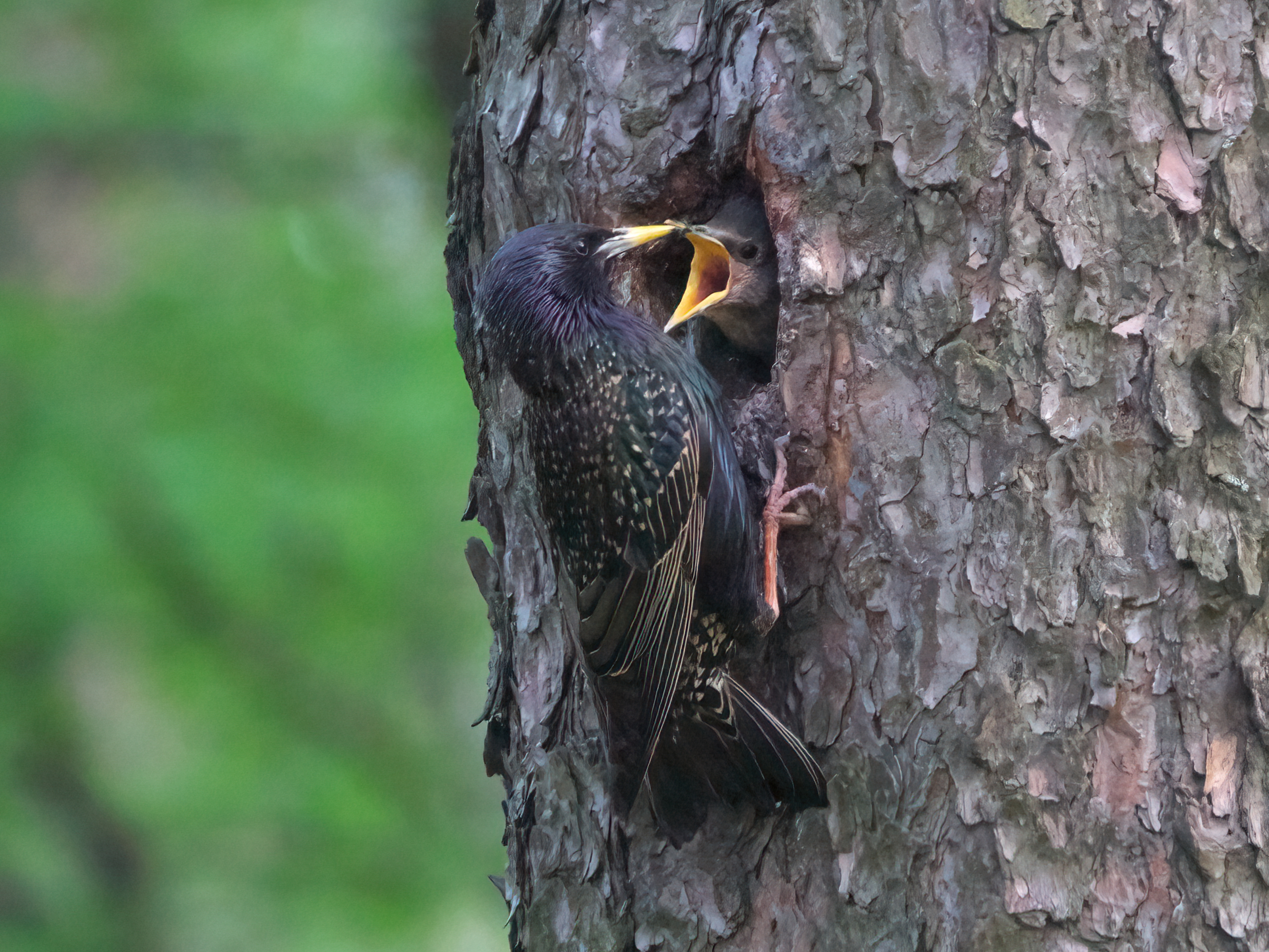
Common starling parents called on 62% of feeding visits when chicks were two days old but only 4%…
Read story →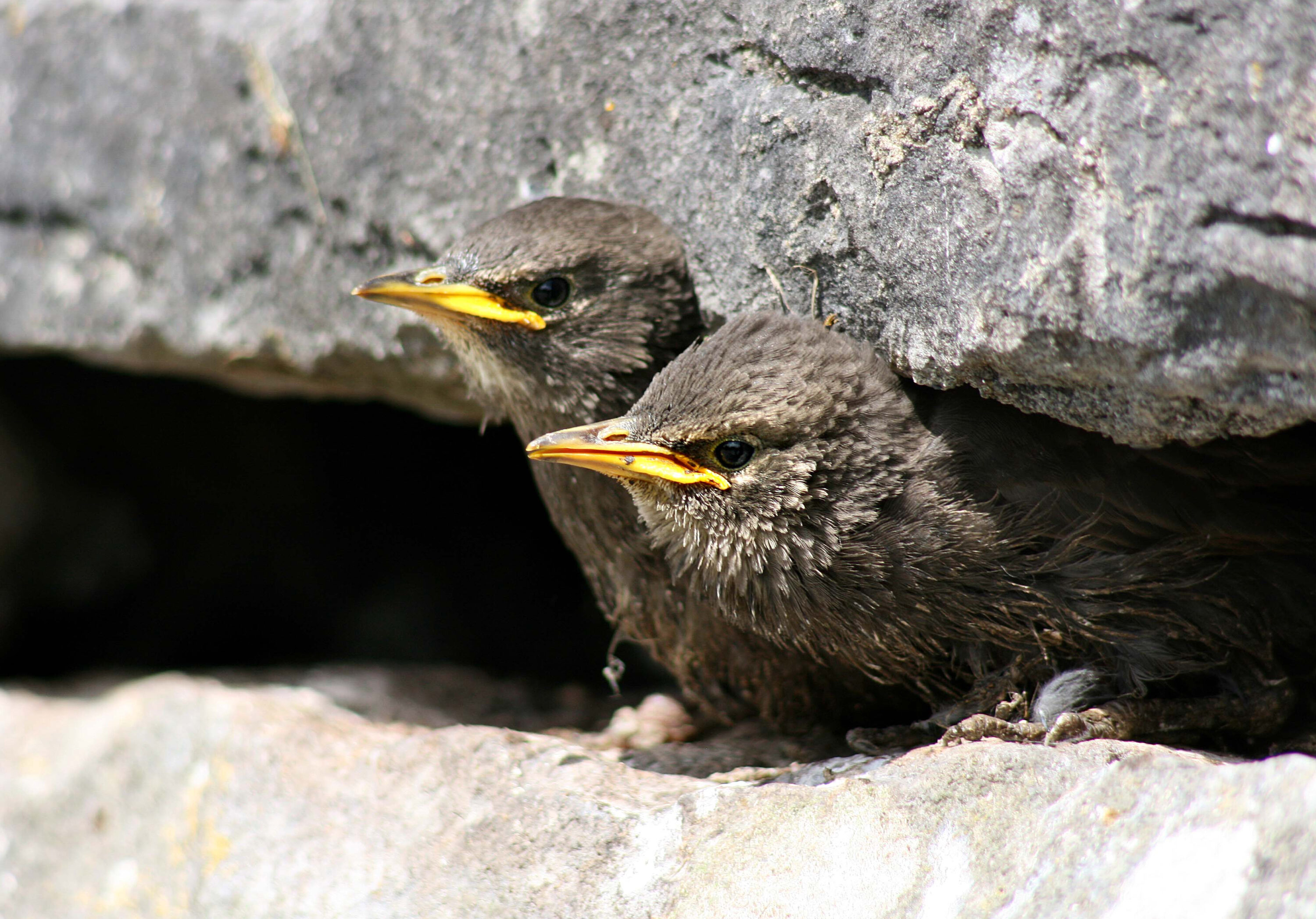
PFAS Exposure Was Linked to Oxidative Stress in Starling Chicks, but Not to Similar Changes in Great Tits
Eggs near an Italian fluoropolymer plant contained up to ten times more PFAS. Starling nestlings showed signs of…
Read story →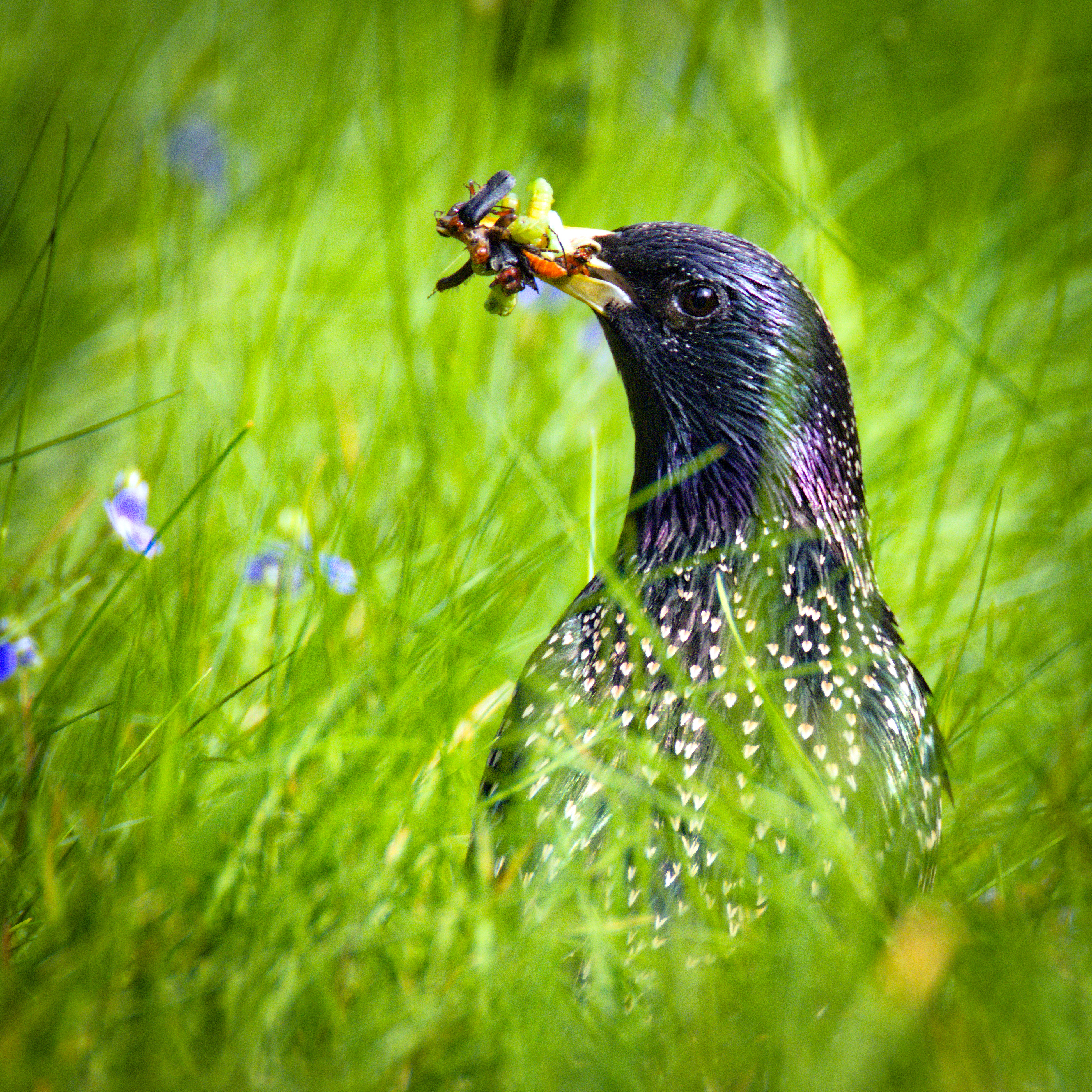
Starlings Were Recorded Less Often Near Point Cook Runways During Three Years of Hazing
Across 590 hazing events at Point Cook RAAF Base, starlings were recorded less often in runway-critical areas over…
Read story →SPECIES IN THIS STORY
Species in this story
Independent research and conservation news archive
Did you find this information useful?
Wildlife Vagabond is independently built and maintained. Voluntary support helps cover source verification, hosting and continued work on research and conservation news.
Support Wildlife VagabondThe news archive will remain freely available.