
Common Starling Parents Called Less Often as Their Nestlings Grew Older
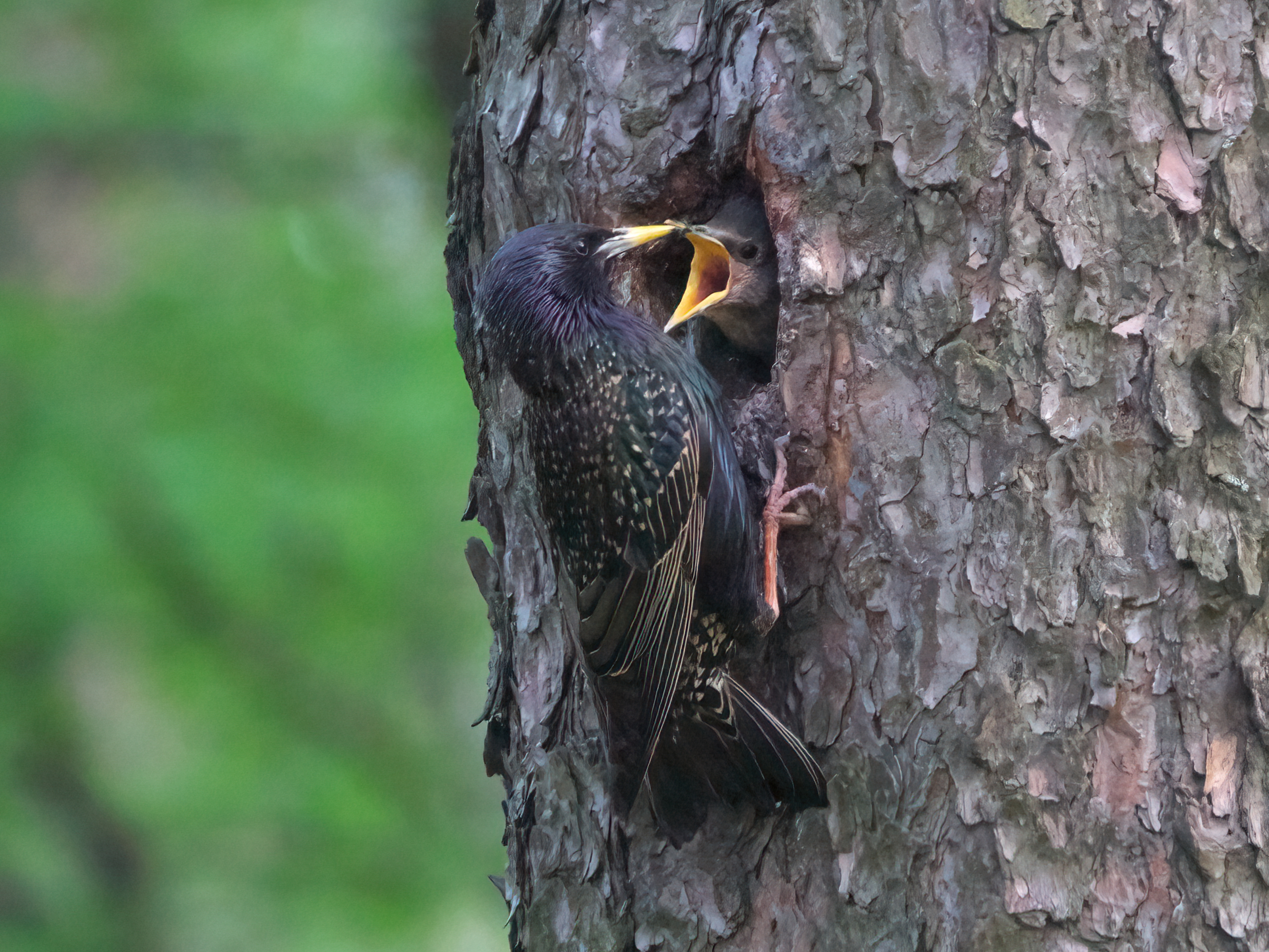
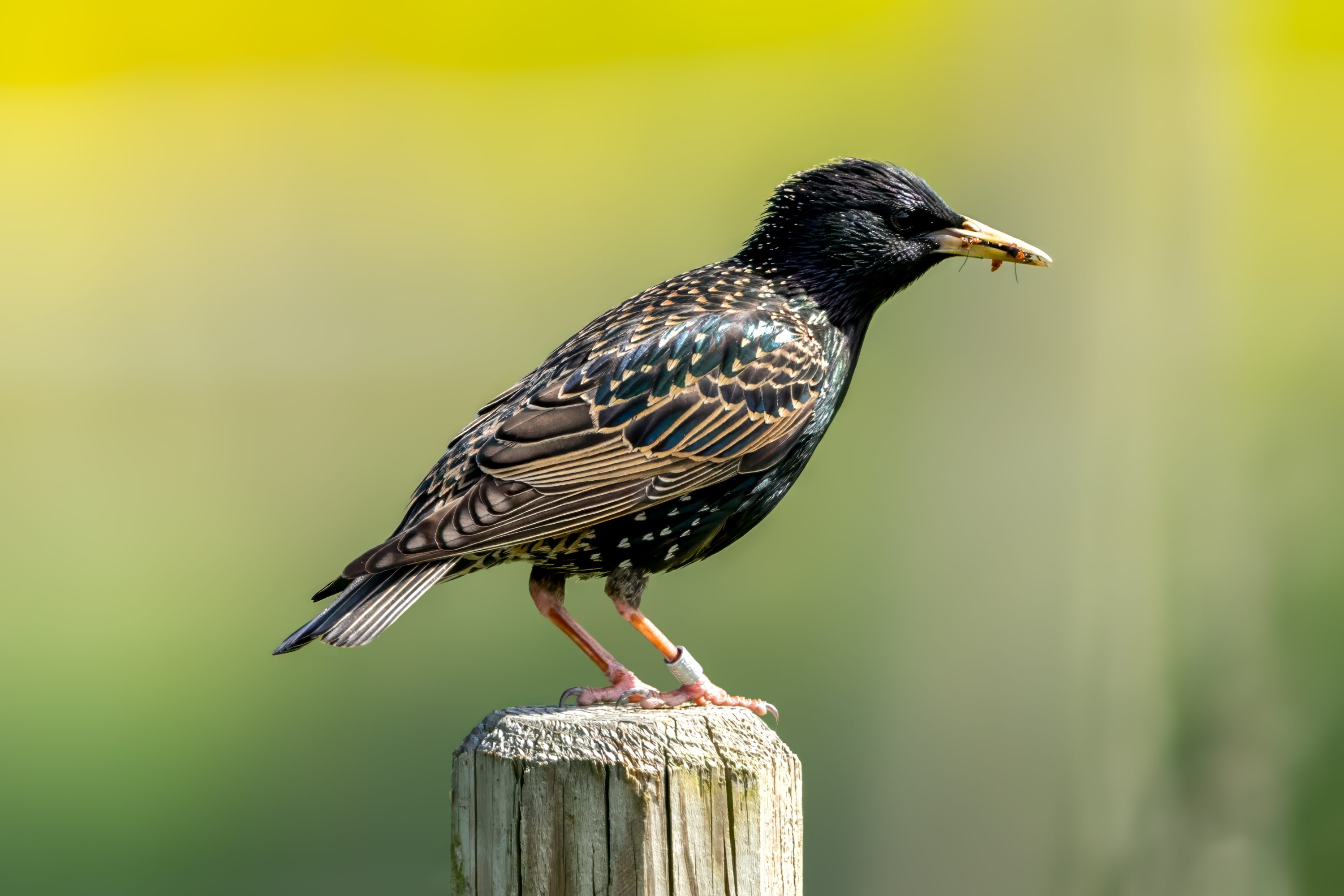
Common starling (Sturnus vulgaris) parents in Halifax, Nova Scotia, Canada, called much less often when approaching the nest with food as their nestlings grew older. Researchers recorded seven early-season and four late-season broods when the chicks were 2, 4, 11 and 13 days old, and also noted whether the other parent was inside the nest box.
The decline with nestling age was steep. Parents called on 62% of provisioning visits when chicks were two days old and 36% on day four, but on only 4% of visits on both days 11 and 13. Late-season parents reduced their calling earlier: on day four, calls occurred on 17% of visits in late broods compared with 50% in early broods.
Whether the other parent was present made an even stronger difference. Provisioning adults called on 85% of 68 visits when their mate was inside the nest box, compared with 17% of 877 visits when the mate was absent. The authors therefore suggest that the calls were directed mainly to the other parent rather than to the nestlings themselves.
Young starling chicks are blind, helpless and initially unable to regulate their own body temperature, so one parent may still be brooding when the other returns with food. The authors suggest that calling at this stage could help coordinate parental care and make provisioning more efficient. As the chicks grow and require less brooding, that coordination may become less necessary; reducing calls could also avoid the potential cost of drawing attention to the nest. The study did not test predation risk directly.
Behaviour
Related news
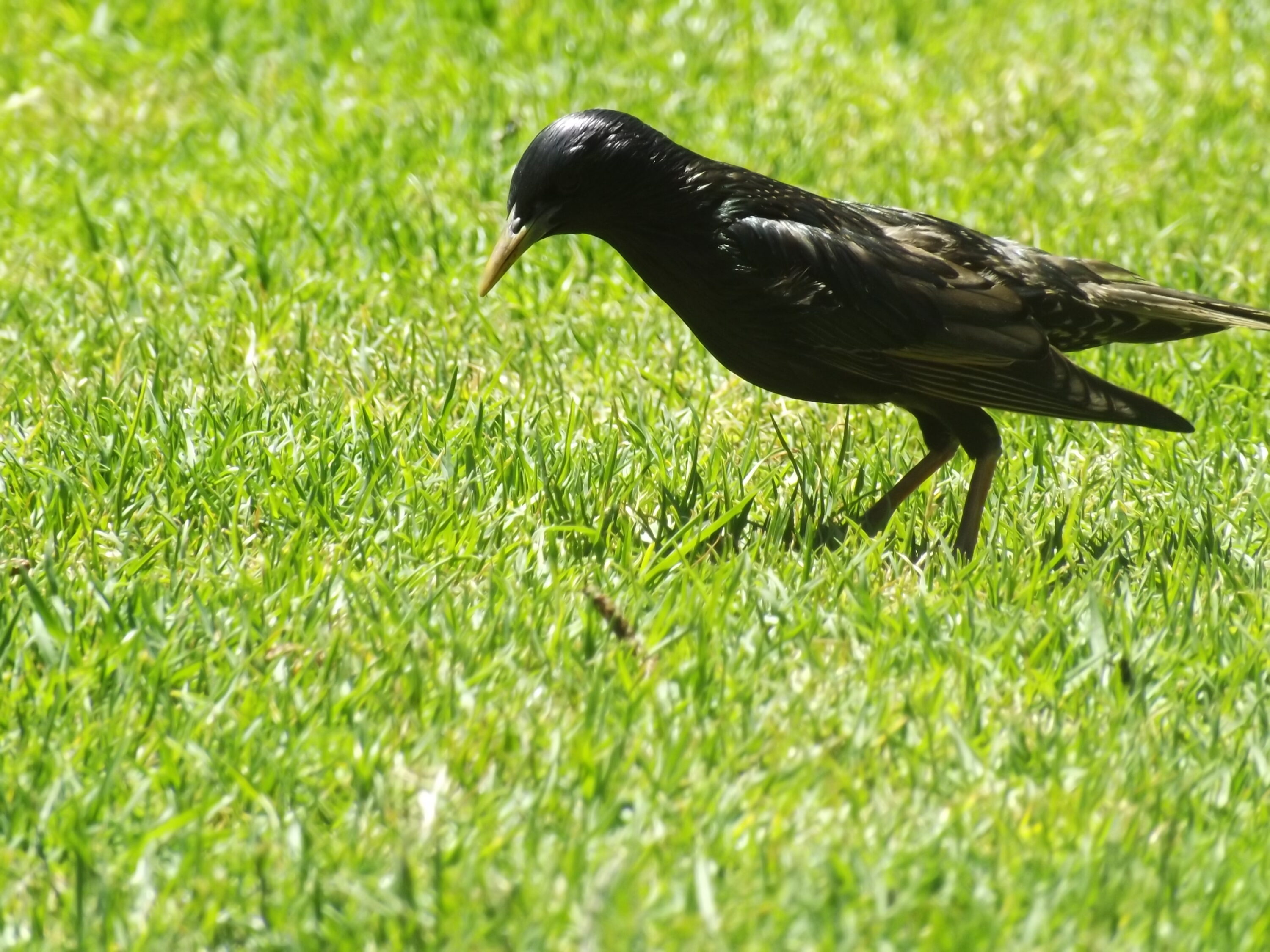
Recent Starlings in Western Australia Differed Genetically from the 2000s Population
Starlings detected in Western Australia in 2017–2024 were genetically distinct from birds sampled there in the 2000s, a…
Read story →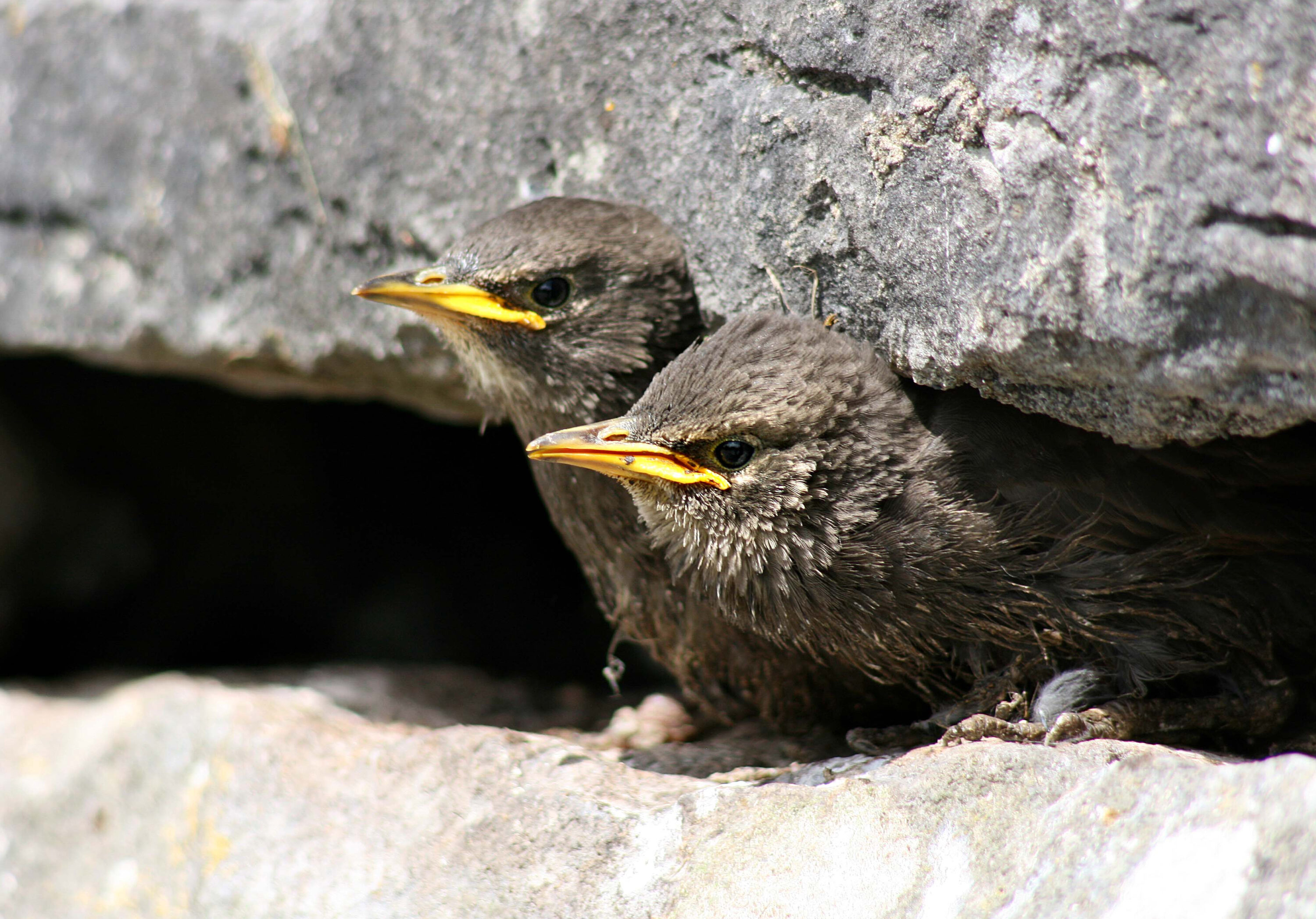
PFAS Exposure Was Linked to Oxidative Stress in Starling Chicks, but Not to Similar Changes in Great Tits
Eggs near an Italian fluoropolymer plant contained up to ten times more PFAS. Starling nestlings showed signs of…
Read story →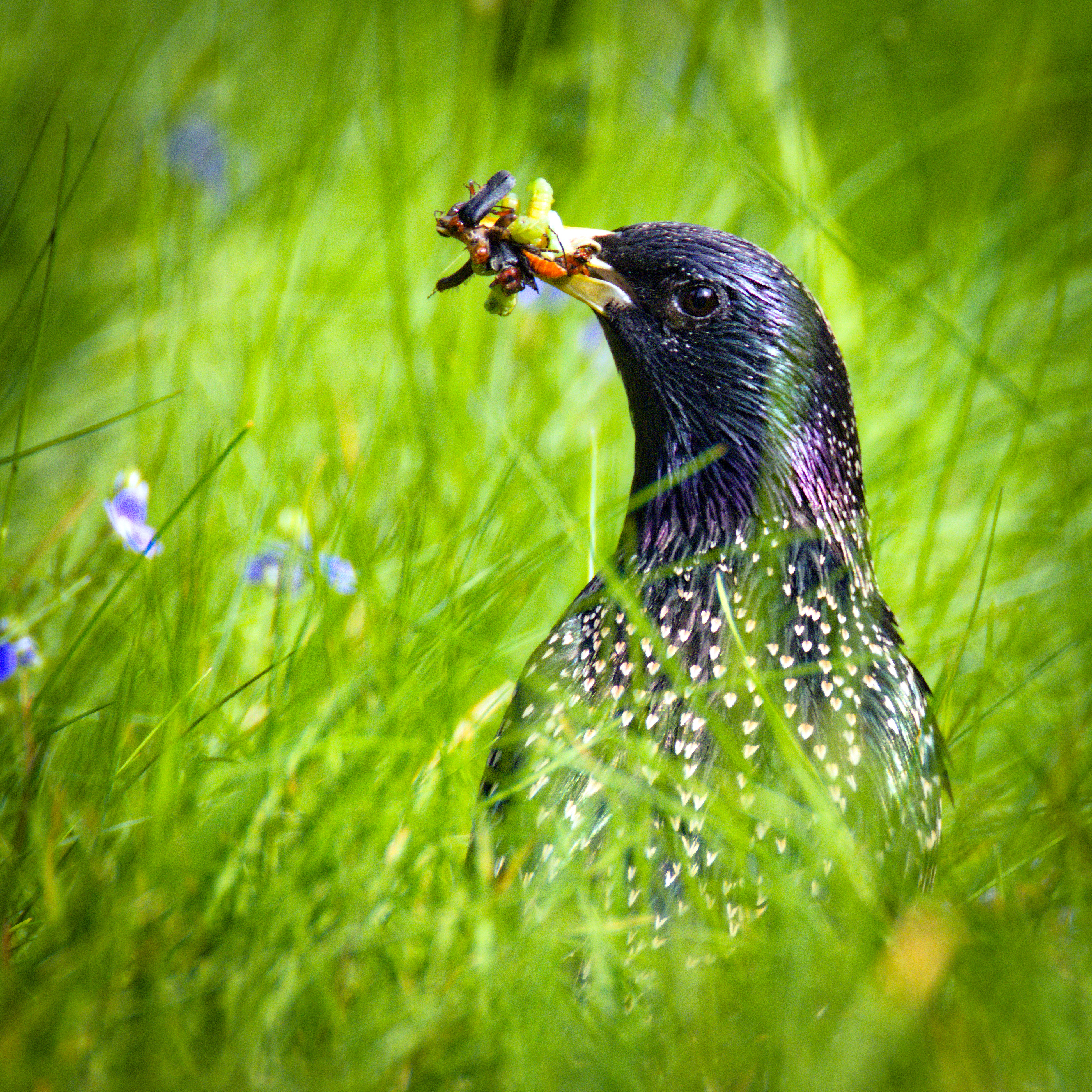
Starlings Were Recorded Less Often Near Point Cook Runways During Three Years of Hazing
Across 590 hazing events at Point Cook RAAF Base, starlings were recorded less often in runway-critical areas over…
Read story →SPECIES IN THIS STORY
Species in this story
Independent research and conservation news archive
Did you find this information useful?
Wildlife Vagabond is independently built and maintained. Voluntary support helps cover source verification, hosting and continued work on research and conservation news.
Support Wildlife VagabondThe news archive will remain freely available.