
White-backed Vulture Transect Index Rose From 4.4 to 11.9 Birds per 100 km in Nazinga
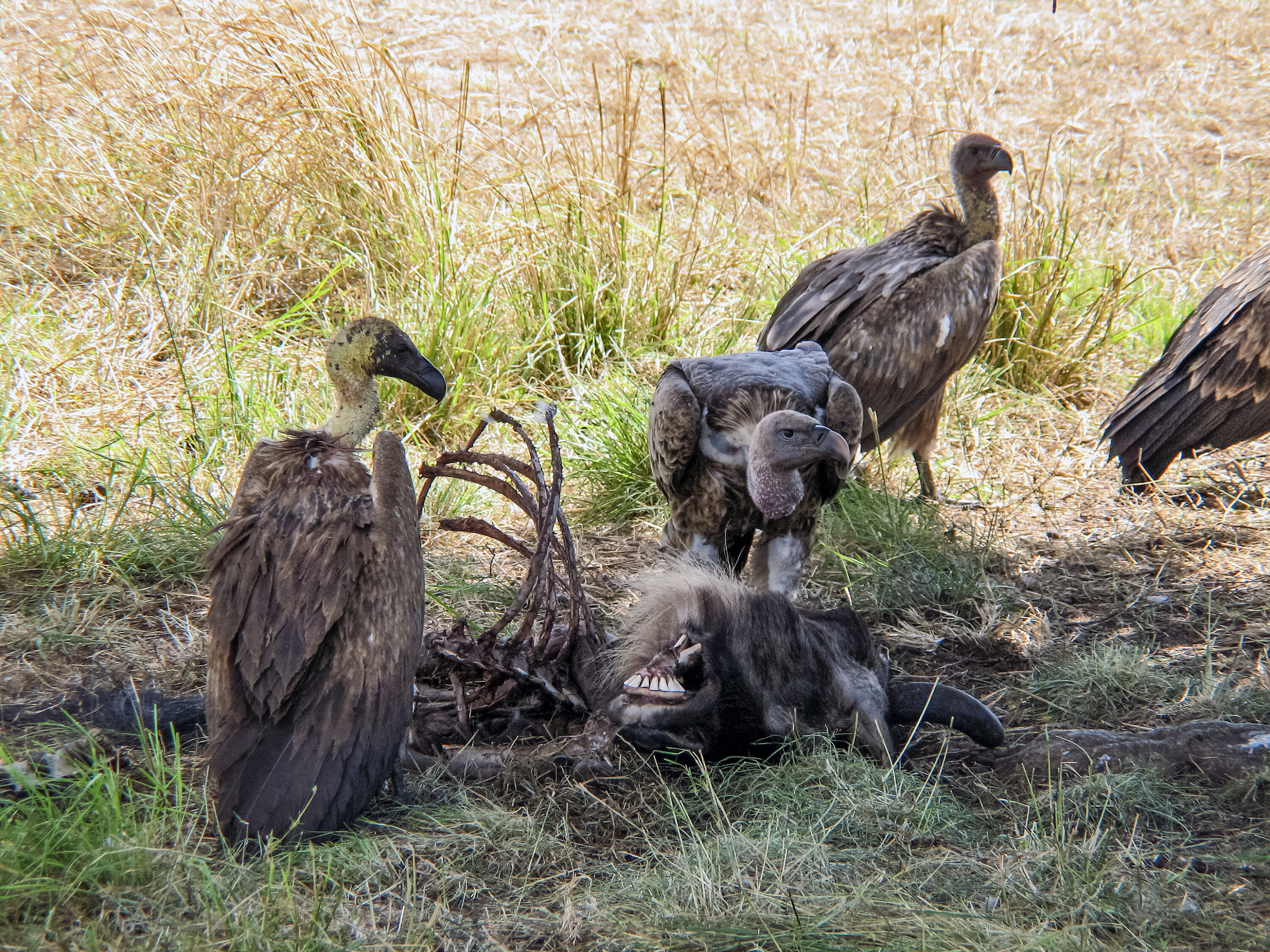
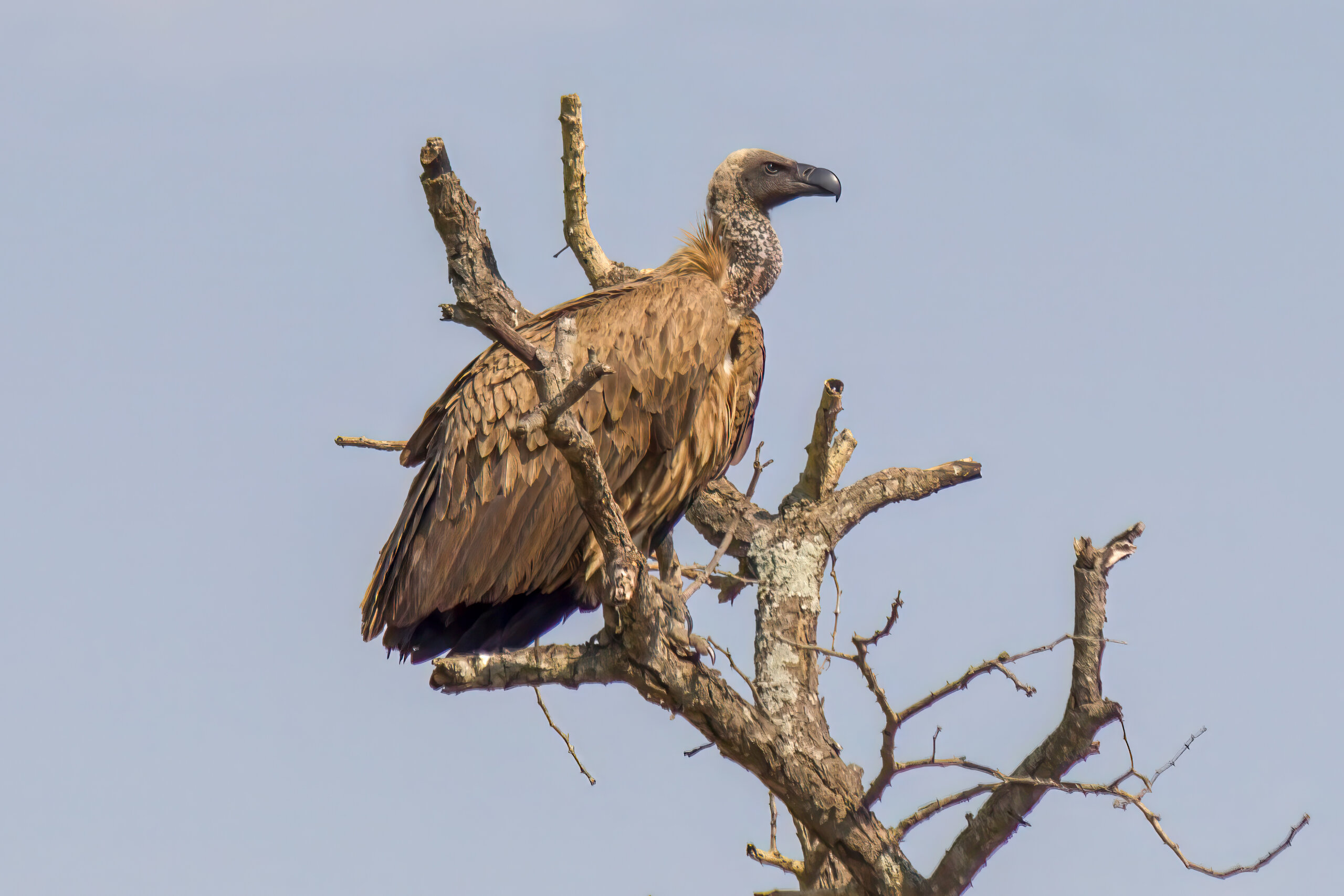
A 2026 study of vultures in Nazinga Game Ranch, Burkina Faso, found that white-backed vultures (Gyps africanus) remained the most frequently recorded vulture species in the protected area and that their transect-based relative-abundance index had increased since the previous survey in 2004.
A transect is a predefined line or route used to survey an area systematically, with observations, signs or sampling points recorded along it.
Researchers used transect counts to update the status of vultures in Nazinga and compare the new results with earlier surveys. They recorded 49 vultures belonging to three species. White-backed vultures accounted for 59.2% of the total, corresponding to 29 individuals, while hooded vultures (Necrosyrtes monachus) made up 38.8% and white-headed vultures (Trigonoceps occipitalis) 2%.
White-backed vulture index rose after a severe earlier decline
The long-term comparison shows a severe earlier decline followed by a more positive recent pattern for white-backed vultures. Between surveys from the 1970s and 2004, the relative-abundance index fell from 19 to 4.4 individuals per 100 kilometres of transect, a decline of 76.8%. By the 2019 survey used in the new study, the index had risen to 11.9 individuals per 100 kilometres.
Other vulture species did not share the same pattern
The same recovery pattern was not shared equally by the other vultures. Hooded vultures had declined from 16 to 7.7 individuals per 100 kilometres between the 1970s and 2004 and were relatively stable thereafter. White-headed vultures continued to decline, from 6 to 1.9 and then to 0.4 individuals per 100 kilometres. Lappet-faced vultures (Torgos tracheliotos) and Rüppell’s vultures (Gyps rueppelli), which had previously been recorded in small numbers, were not detected in the latest survey.
The authors describe Nazinga Game Ranch as an important stronghold for vultures in Burkina Faso. They interpret the apparent post-2004 increase in white-backed vultures as a possible sign of increasing dependence on the protected area as threats intensify outside protected landscapes.
The researchers caution that broader work in both protected and unprotected areas is still needed to assess vulture trends at national and regional scales. Their results are based on relative abundance along surveyed transects rather than a complete census of the population.
The study was first published online in Ostrich: Journal of African Ornithology on 3 April 2026.
Population & status
Related news
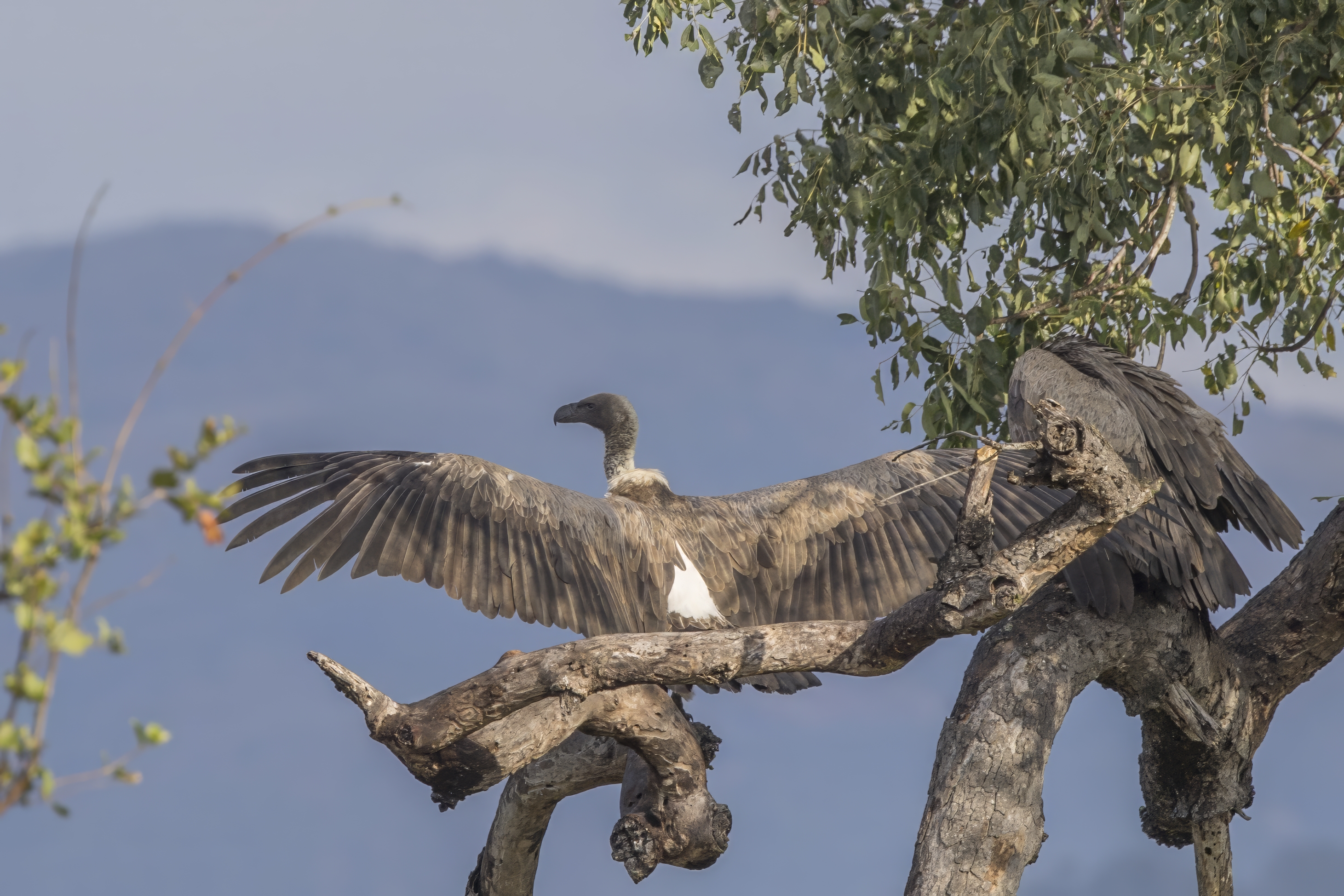
CT Reveals the Organs and Blood Vessels Inside a White-backed Vulture
A contrast-enhanced CT scan of one adult male white-backed vulture revealed major organs and vessels, while also showing…
Read story →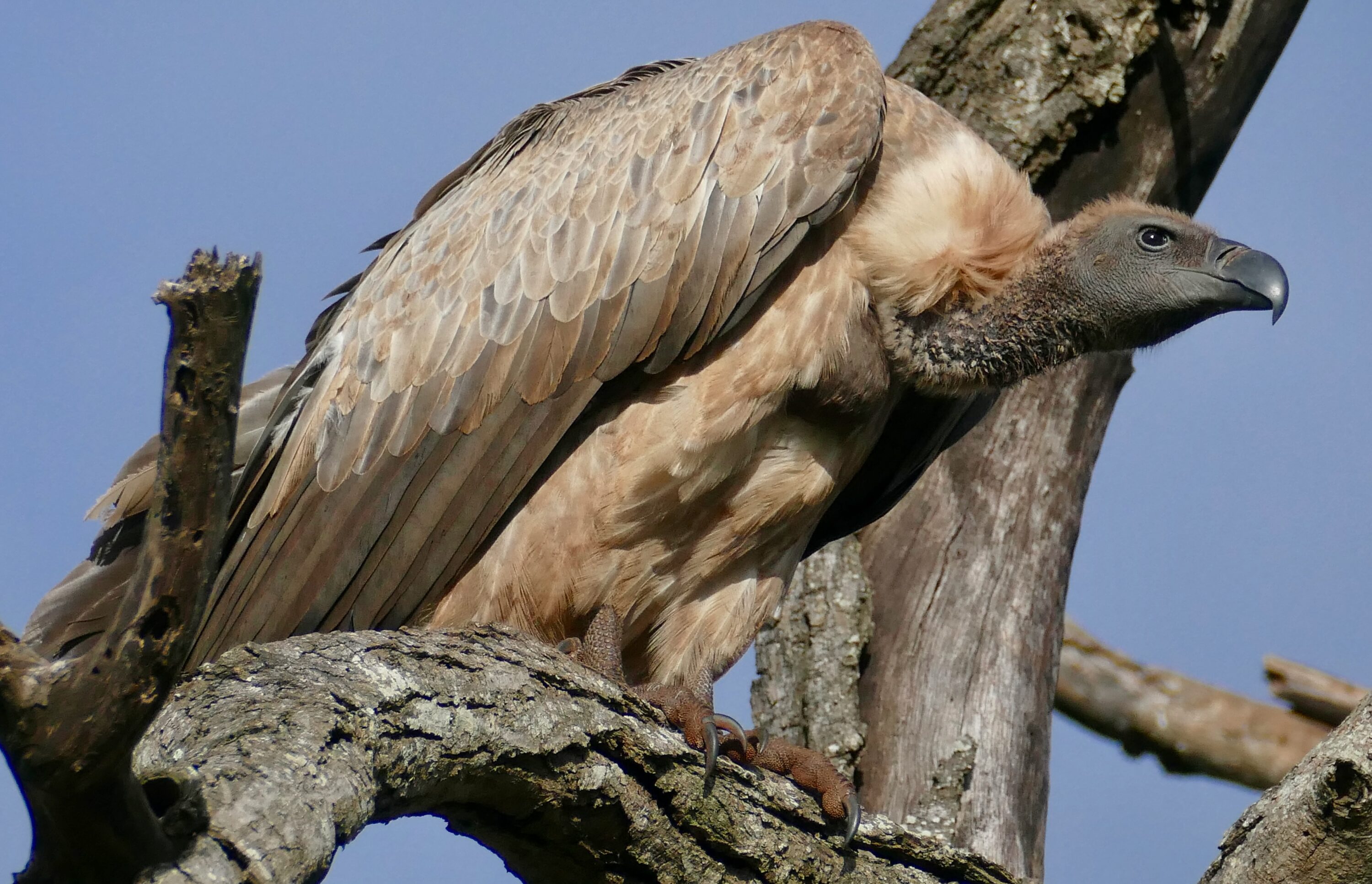
Two new studies sharpen the conservation map for white-backed vultures in Ethiopia
New surveys and habitat modelling from southwest Ethiopia identify important breeding, roosting and foraging areas for the critically…
Read story →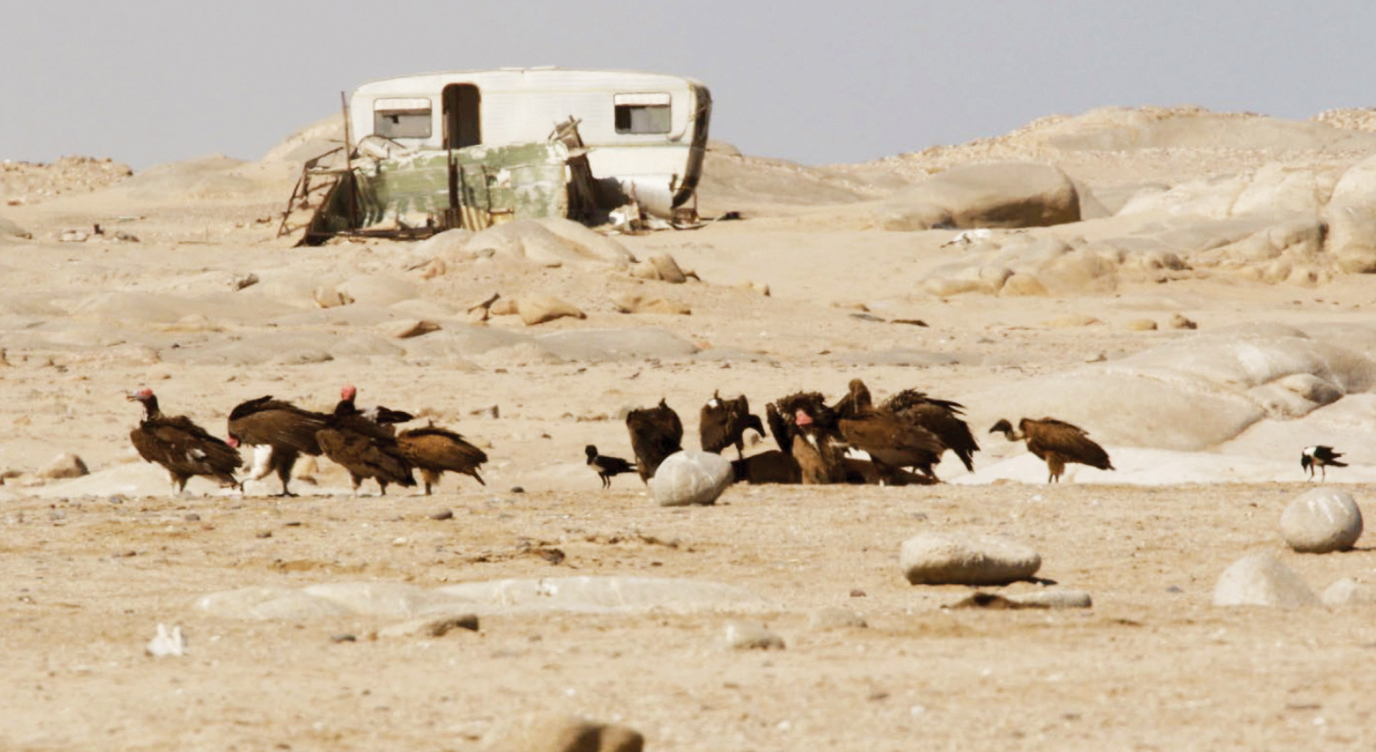
White-backed Vultures Documented Feeding on Marine Carrion for the First Time
Four immature white-backed vultures were observed feeding on a Cape fur seal killed by lions at Möwe Bay…
Read story →SPECIES IN THIS STORY
Species in this story
Independent research and conservation news archive
Did you find this information useful?
Wildlife Vagabond is independently built and maintained. Voluntary support helps cover source verification, hosting and continued work on research and conservation news.
Support Wildlife VagabondThe news archive will remain freely available.