
Wild Boar Harvests and Road Collisions Peaked in Years Without Major Beech and Oak Seed Crops
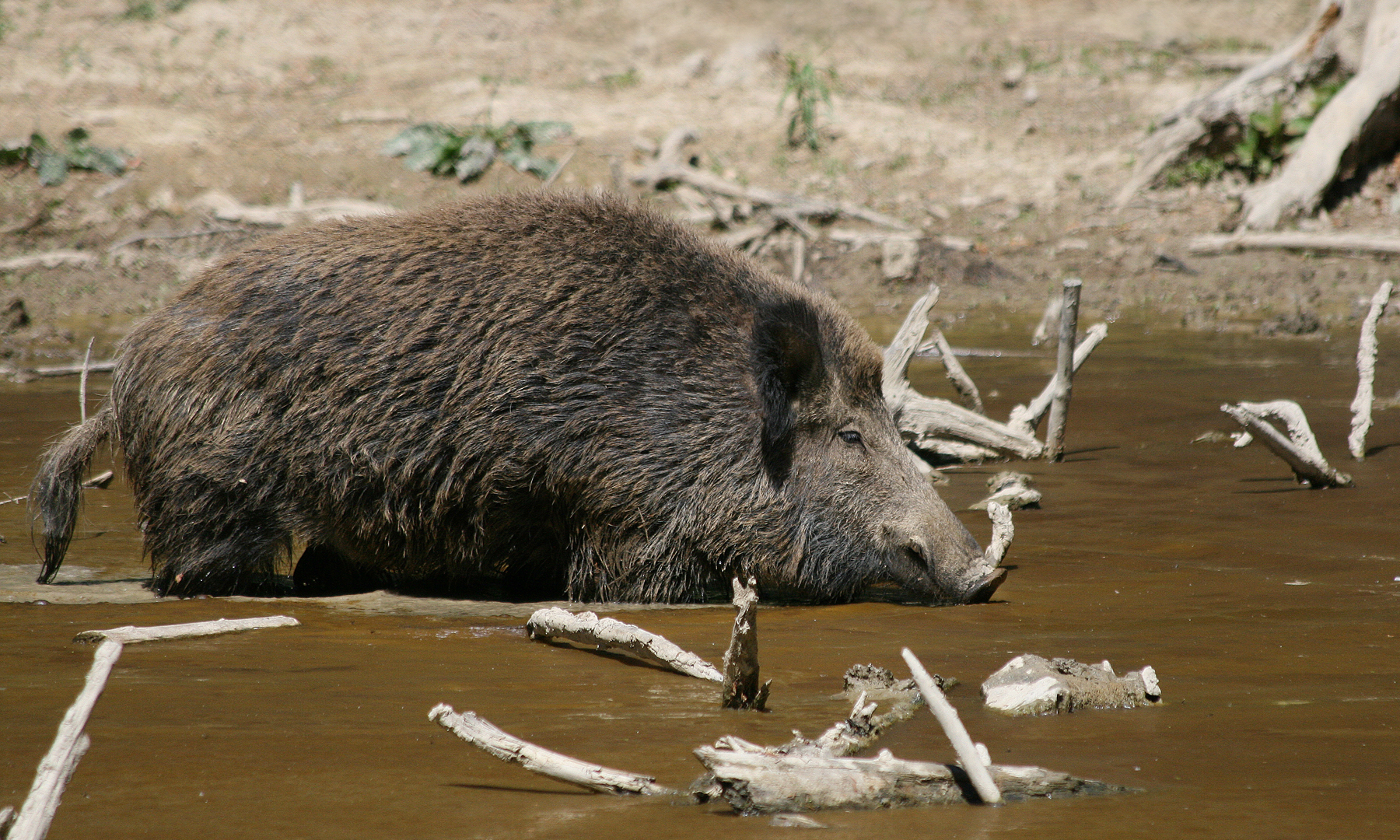
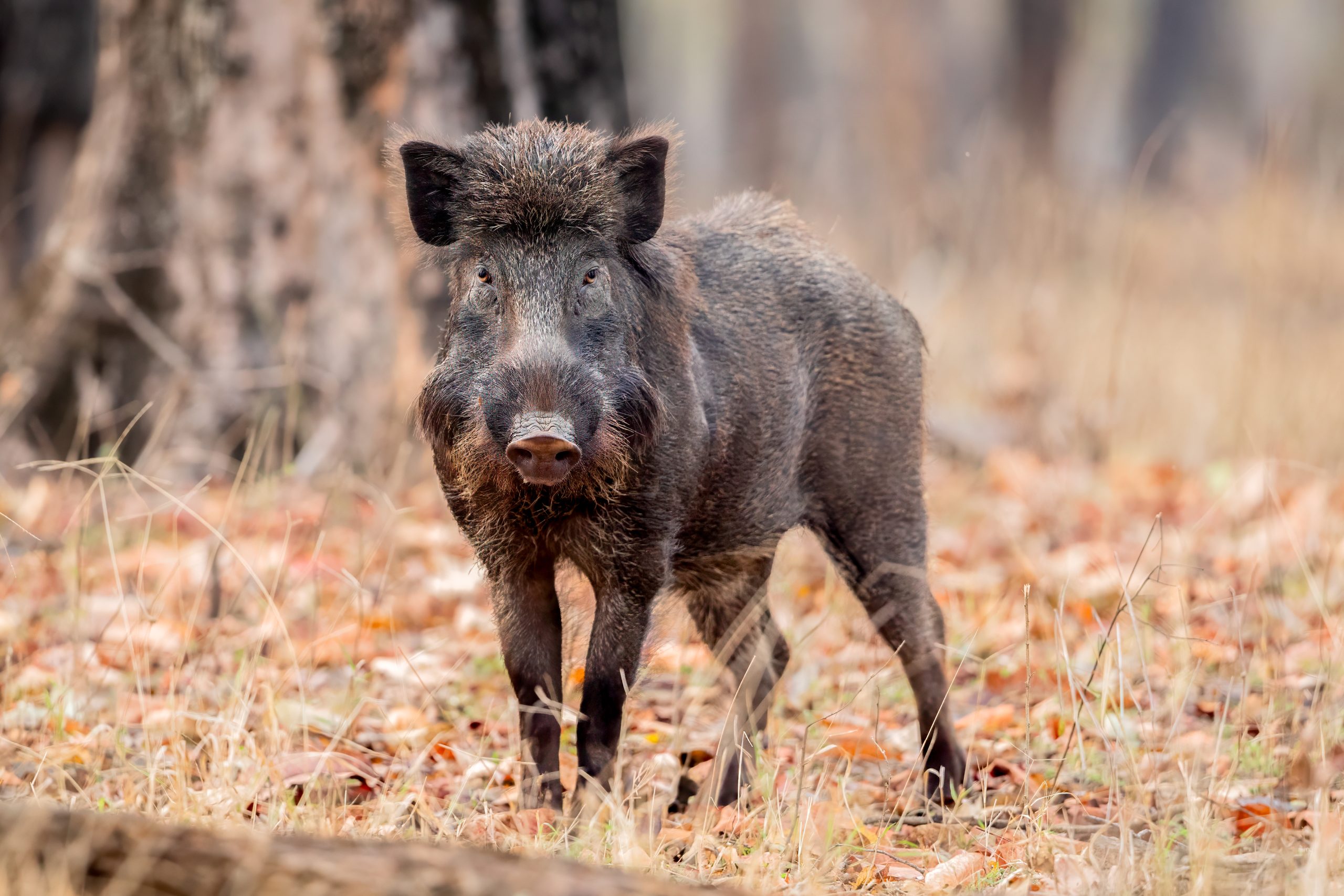
A long-term study of wild boar (Sus scrofa) records across Europe found broad, roughly two-year fluctuations in hunting bags, while a detailed analysis from Baden-Württemberg in southern Germany linked the pattern to pulsed seed crops from beech and oak. Mast seeding is the synchronous production of unusually large seed crops by many trees in the same year. Counterintuitively, both the number of wild boar shot and the number involved in vehicle collisions were highest in years without major mast seeding.
The study, first published on 1 July 2026, analysed hunting-bag time series from 16 European countries and 13 German federal states between 2000 and 2023. The researchers then focused on Baden-Württemberg, where annual records of wild boar shot and road collisions could be compared with mast production by European beech (Fagus sylvatica), sessile oak (Quercus petraea) and pedunculate oak (Quercus robur), and with temperatures during April and May.
Two-year fluctuations appeared across large parts of Central Europe
Wild boar bag records showed pronounced bi-annual fluctuations that were especially synchronised over large areas during 2007–2012 and 2017–2020. Similar temporal patterns occurred across western and southern German states and several neighbouring Central European countries.
The authors stress that hunting bags are not direct population counts. Hunting effort, hunting methods, disease and management can all affect how many animals are recorded as shot. The broad synchrony nevertheless suggests that common ecological drivers were acting on wild boar populations across large areas.
Warm spring conditions were linked to large seed crops
In Baden-Württemberg, warmer conditions during April and May were associated with heavier mast production by the two oak species and European beech. The researchers converted annual seed production into an estimate of the energy potentially available to wild boar. Beech contributed the largest share on average.
From 2000 to 2022, this estimated mast energy was negatively associated with both the number of wild boar shot and the number involved in vehicle collisions. Both time series peaked in years without mast seeding. In the recent sequence, synchronised mast years in 2018, 2020 and 2022 alternated with high records of wild boar shot and road collisions in the intervening years.
More food can mean fewer animals recorded that same year
The negative relationship does not mean that abundant acorns and beech nuts reduce wild boar populations. Previous work cited by the authors shows that mast can improve overwinter survival and increase the proportion of breeding females, raising reproductive potential. The study instead points to two processes that can make records fall during mast years.
First, when natural forest food is abundant, wild boar are less attracted to bait used for hunting and may therefore be harder to shoot. Second, abundant seed crops can reduce home-range size. If animals move less widely, their probability of encountering roads may also fall. In years without mast, food scarcity can make bait more attractive and increase movement, providing a plausible explanation for simultaneous peaks in hunting bags and vehicle collisions.
The authors therefore interpret the pattern as a cascade rather than a simple one-step effect: temperatures during April and May are associated with oak and beech seed production; mast changes food availability, reproduction and movement; and those changes are then reflected in hunting and collision records. Because these processes operate together, a large mast crop can support future population growth while producing fewer recorded shootings and collisions in the mast year itself.
The study links resource pulses with population fluctuations, not exact abundance
The Baden-Württemberg data provide the clearest mechanistic evidence, while the wider European time series show that comparable two-year fluctuations occurred across much of Central Europe. The authors conclude that mast seeding is a likely driver of these cycles, but caution that harvest and collision records are indirect indicators and cannot be converted directly into local population size.
The study therefore adds an important distinction to interpreting wildlife statistics: a low hunting bag in a year of abundant forest food does not necessarily mean the population has declined. Changes in food, movement and hunting success can alter the number of animals entering official records even when the same resource pulse is improving conditions for survival and reproduction.
Ecology
Related news
Roe Deer and Wild Boar Remained Key Wolf Prey as Diet Shifted Across North-western Italy
From 2021 to 2025, wolves in north-western Italy continued to feed mainly on wild prey. In the Po…
Read story →
Copper levels in wild boar differed across Slovak districts
An analysis of kidney, liver and muscle from 147 wild boar in four districts found that iron and…
Read story →
Genes Linked to the Stripes of Wild Boar Piglets
Genetic analysis of a 932-piglet breeding population and skin from three striped newborn hybrids implicated MC1R, KIT and…
Read story →SPECIES IN THIS STORY
Species in this story
Independent research and conservation news archive
Did you find this information useful?
Wildlife Vagabond is independently built and maintained. Voluntary support helps cover source verification, hosting and continued work on research and conservation news.
Support Wildlife VagabondThe news archive will remain freely available.