
Wetlands Linked to More Persistent African Swine Fever Reports in Lithuanian Wild Boar
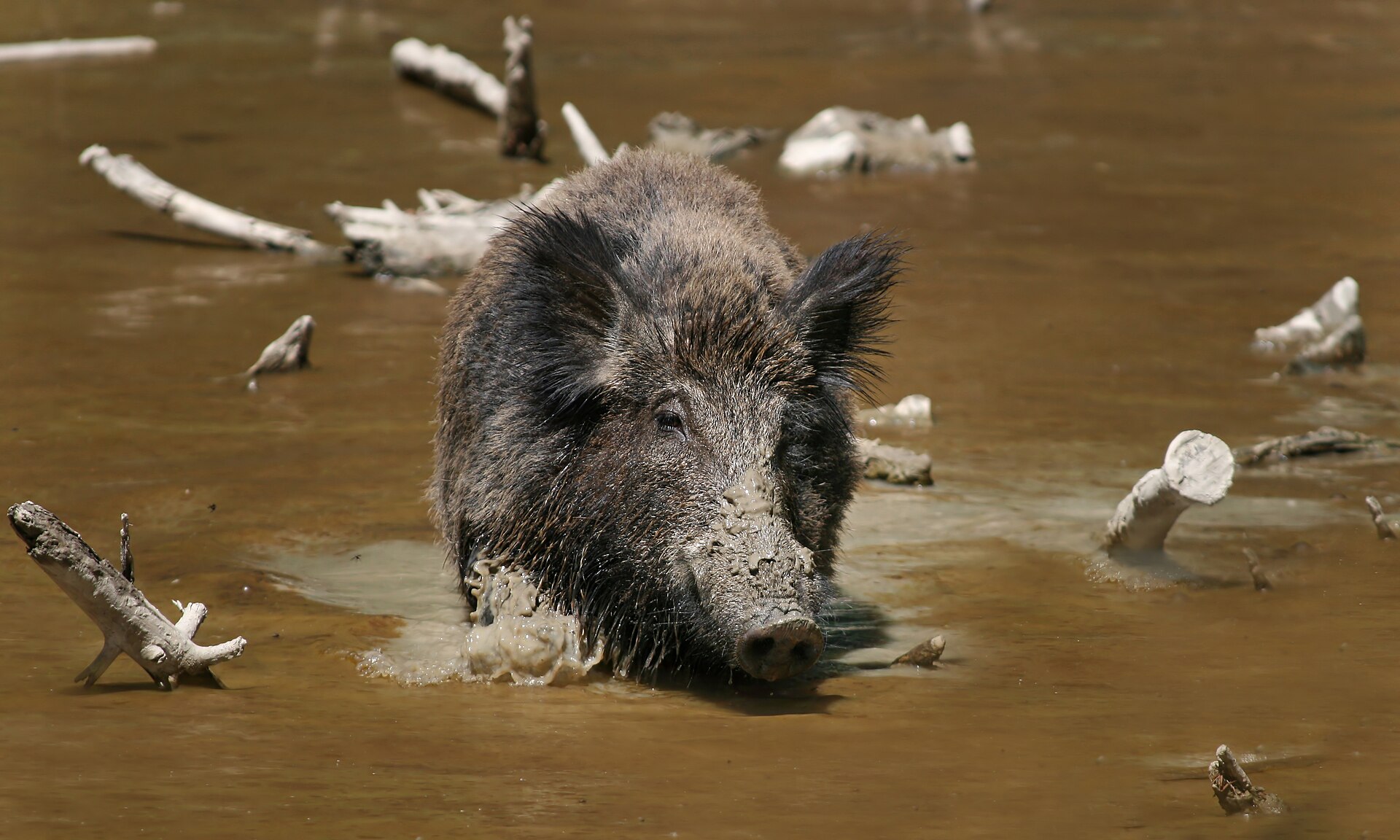
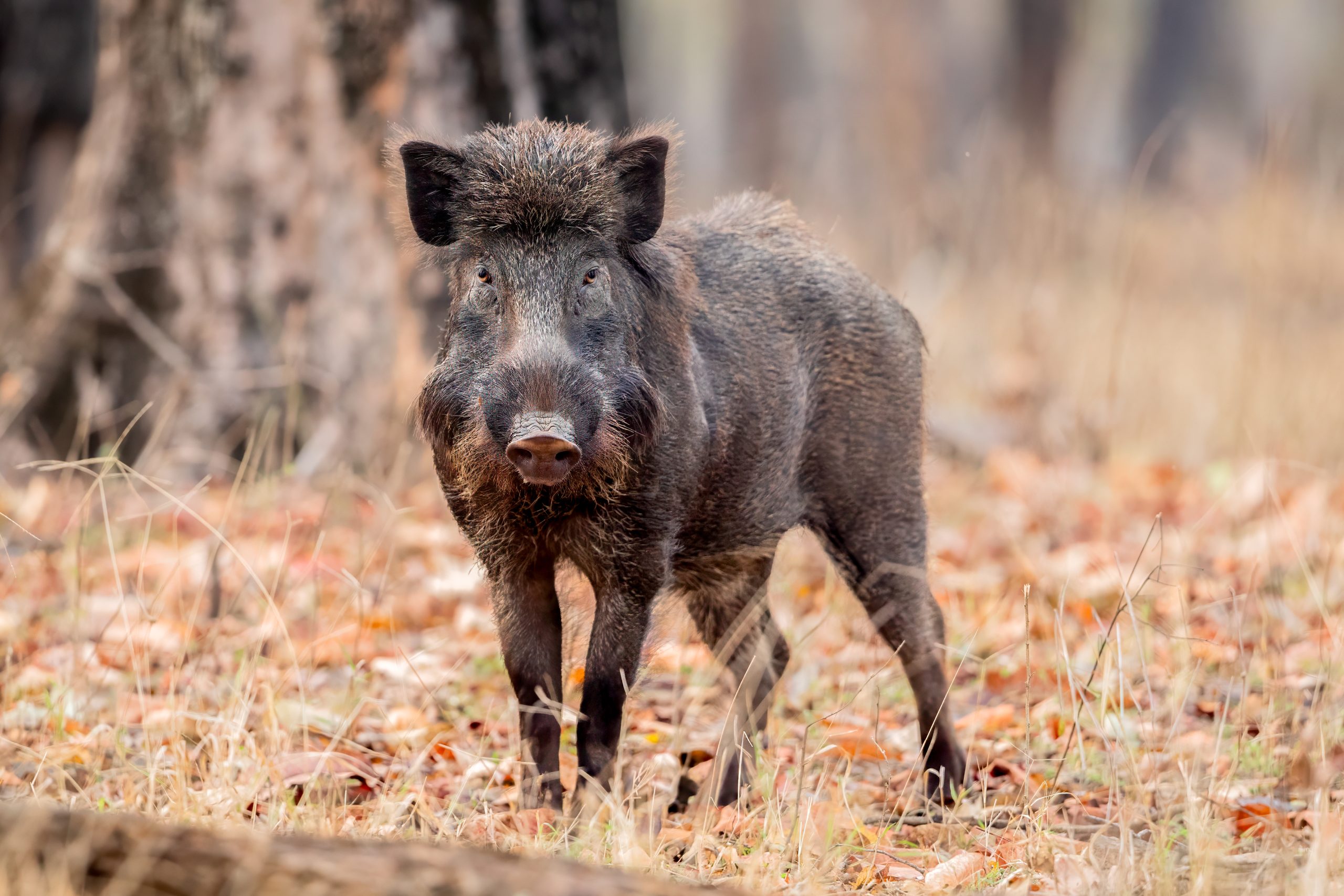
A study of wild boar (Sus scrofa) across Lithuania found that municipalities with more wetland cover were more likely to have African swine fever (ASF) reported over several years. Forest cover, by contrast, was associated with fewer reported cases. ASF is a serious viral disease of wild and domestic pigs, making it important to understand where it continues to be reported.
The researchers examined municipal data from 2016 to 2022, including ASF reports and numbers of wild boar hunted or found dead. They classed a municipality as endemic if cases had been reported for at least three consecutive years. These municipalities had more reported cases and more wild boar found dead than municipalities in the other groups.
Wetland cover tracked persistent reports
Greater wetland cover was associated with a higher likelihood of belonging to the endemic group, more reported cases and ASF being reported over time. Forest cover showed a different relationship: municipalities with more forest had fewer reported cases. Because these are observational associations, they do not show that wetlands cause ASF to persist.
The number of hunted wild boar was positively correlated with the number of hunted animals that tested positive for ASF. The authors suggest this may reflect how many animals were sampled through hunting, rather than an effect of hunting on infection.
Together, the findings point to landscape features that may help focus ASF surveillance. The authors particularly emphasize finding and testing dead wild boar as a way to monitor the disease.
Ecology
Related news
Roundworm infection in a wild boar was linked to lesions in several organs
A postmortem examination of a female wild boar in Tamil Nadu, India, found four Ascaris suum roundworms and…
Read story →
Wild boar choose different tree-rubbing sites as seasons change
Monthly surveys along ten transects in a Mediterranean agroforestry system found that wild boar used tree-rubbing sites differently…
Read story →
Wild boar in Annaba: nocturnal activity and urban encounters
A survey of 250 residents in Annaba, Algeria, found a sharp contrast between city sectors: 68% of respondents…
Read story →SPECIES IN THIS STORY
Species in this story
Independent research and conservation news archive
Did you find this information useful?
Wildlife Vagabond is independently built and maintained. Voluntary support helps cover source verification, hosting and continued work on research and conservation news.
Support Wildlife VagabondThe news archive will remain freely available.