
Young and Adult Common Reed Warblers Had Similar Non-Breeding Isotopic Niches
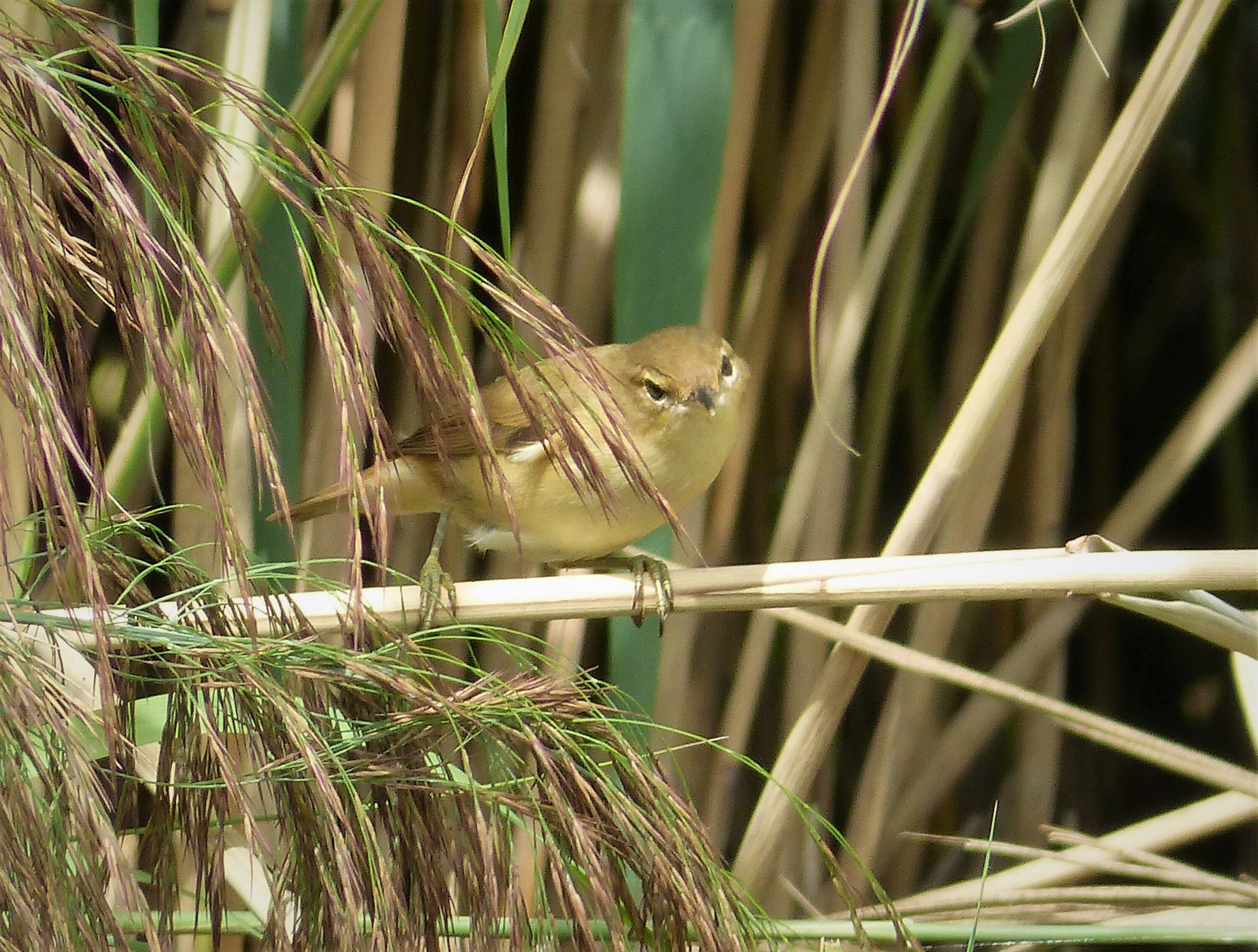
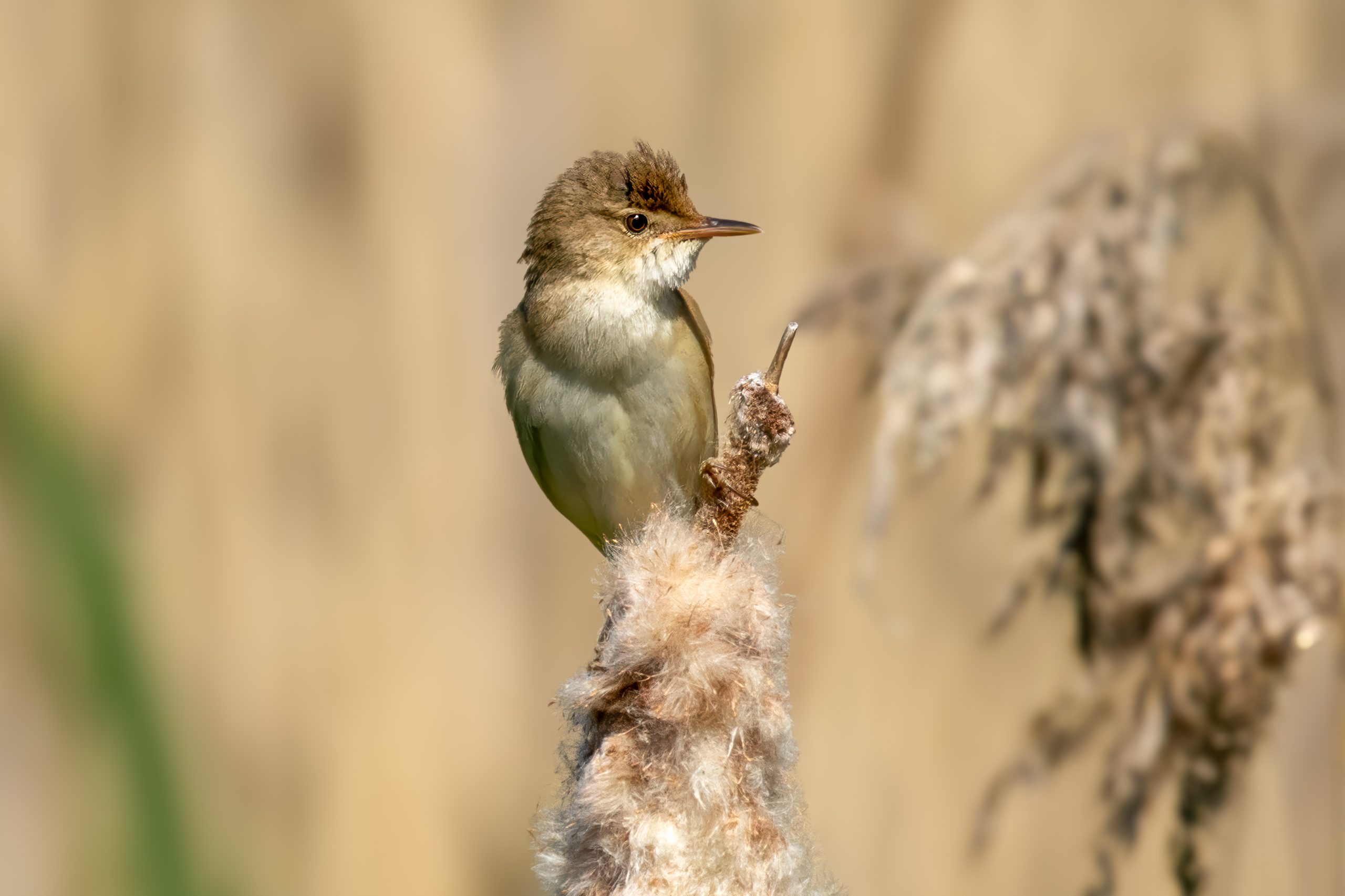
Young and adult common reed warblers (Acrocephalus scirpaceus) showed similar and largely overlapping isotopic niches outside the breeding season in a Czech study published in 2026. The result did not support a central prediction of the serial residency hypothesis: that young migrants should disperse more broadly on their first journey and therefore use a wider range of non-breeding locations and resources than older birds.
Feathers preserved a chemical record of non-breeding resource use
The researchers measured stable carbon and nitrogen isotope ratios in feathers grown during the birds’ first and subsequent non-breeding periods. These chemical signatures reflect broad differences in the environments and food webs used while feathers are growing, allowing the authors to compare the breadth and overlap of realised resource niches between age classes without assigning individual birds to exact wintering sites. A broader isotopic niche would mean greater variation among birds in these environmental and resource signatures, while strong overlap means the two age groups used broadly similar ranges of conditions and resources.
Young birds did not occupy a broader isotopic niche
Isotopic niche breadth was similar in young and adult reed warblers, with extensive overlap between the two age groups. In a subset of birds sampled in two consecutive years, isotope values also showed no systematic shift from one year to the next.
The authors conclude that the findings do not support the prediction that first-year birds occupy a broader realised isotopic niche. They suggest that substantial differences among individuals and survivorship bias may obscure age-related patterns early in life. Survivorship bias matters because the adults available for comparison are necessarily the birds that survived; juveniles using unusual strategies that reduced survival could therefore be underrepresented in the later age class. The study also notes that combining carbon and nitrogen measurements with additional intrinsic tracers such as hydrogen and sulfur isotopes could provide a closer link between resource use and large-scale non-breeding distributions.
Ecology
Related news
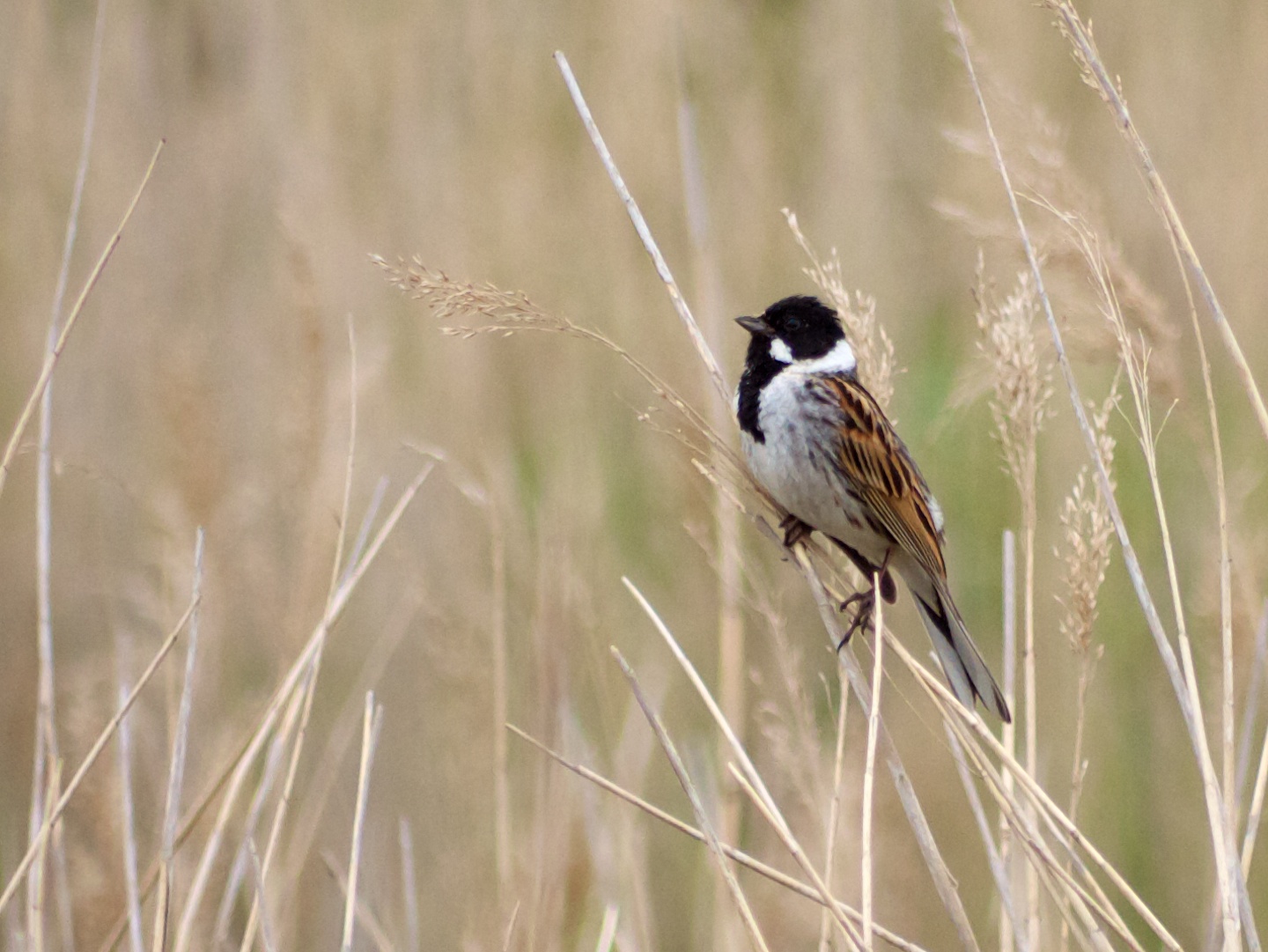
Birds Breeding in Tall Vegetation Increased as Cattail Paludiculture Developed Over Six Years
At a 10-hectare rewetted peat site in north-eastern Germany, breeding pairs that favour tall vegetation increased as cattails…
Read story →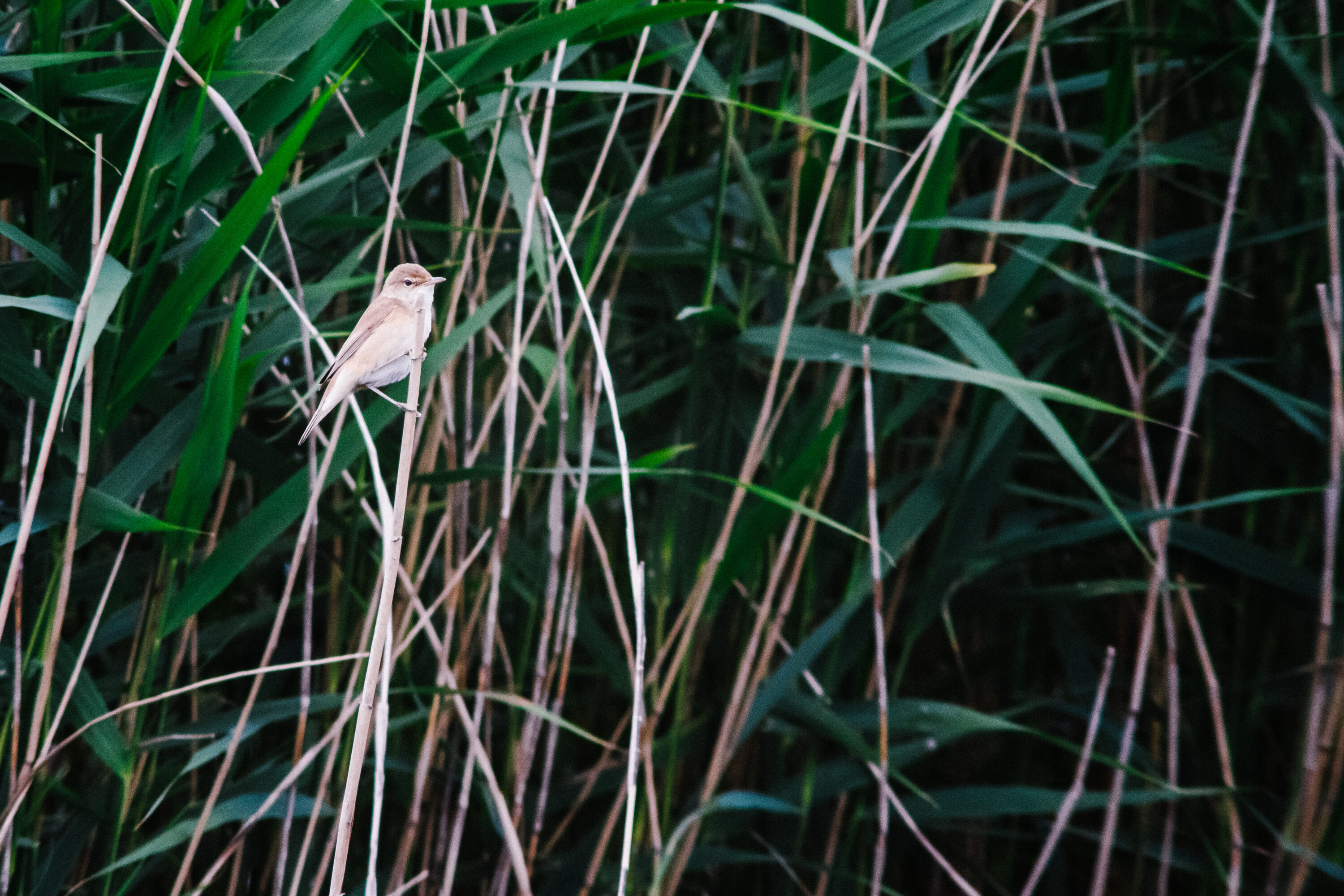
Three Warblers in Catalonia Differed in Prey Choice, Prey Size and Use of Aquatic Prey
DNA metabarcoding of 189 diet samples from three warblers in Catalan reedbeds found several forms of dietary separation:…
Read story →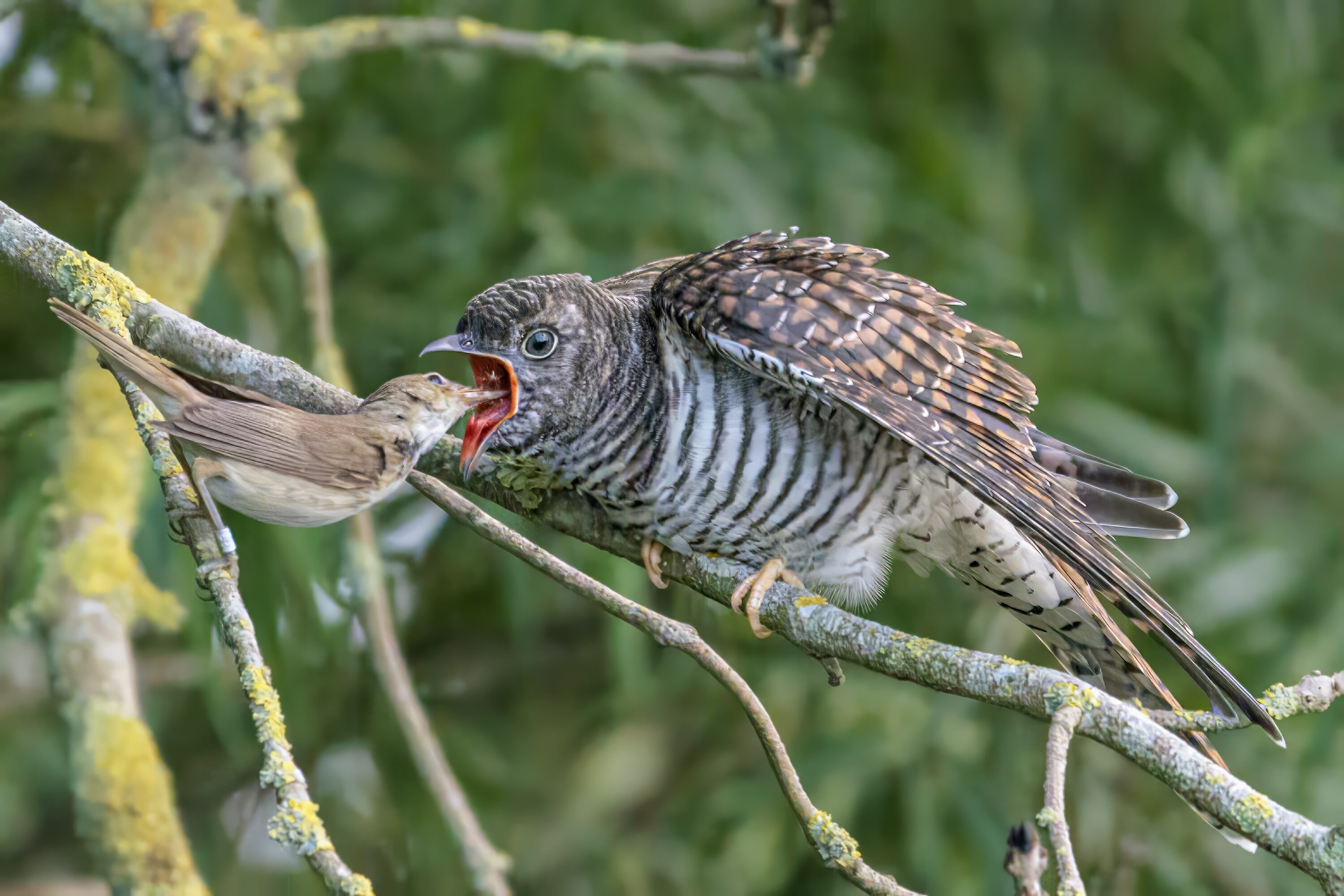
Reed Warblers Long Separated From Cuckoos Showed Weaker Host Defences
Field experiments in Finland and Sicily found weak anti-cuckoo defences in common reed warblers living outside regular cuckoo…
Read story →SPECIES IN THIS STORY
Species in this story
Independent research and conservation news archive
Did you find this information useful?
Wildlife Vagabond is independently built and maintained. Voluntary support helps cover source verification, hosting and continued work on research and conservation news.
Support Wildlife VagabondThe news archive will remain freely available.