
Birds Breeding in Tall Vegetation Increased as Cattail Paludiculture Developed Over Six Years
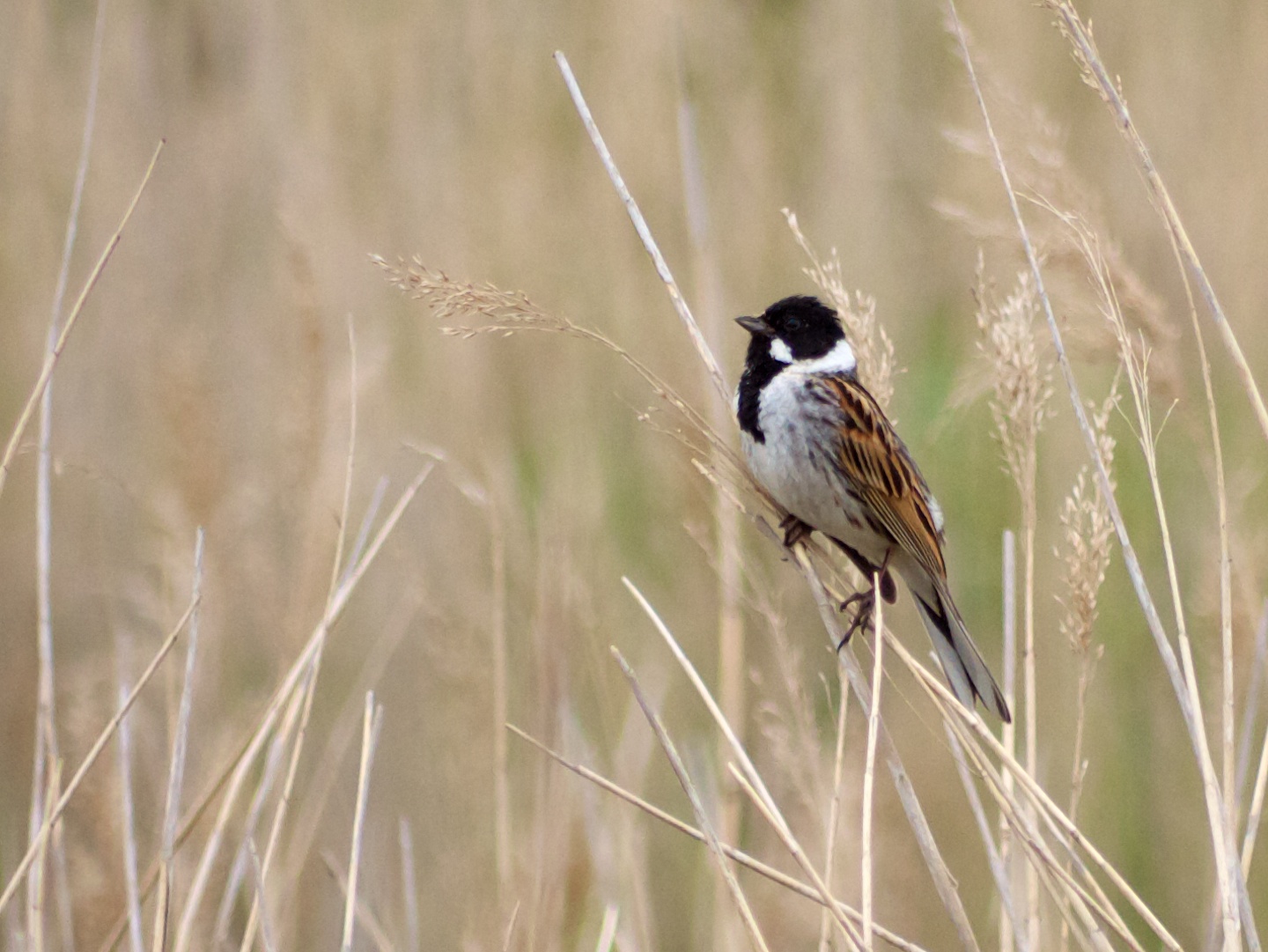
Breeding birds that favour tall vegetation increased over six years at a 10-hectare cattail paludiculture site in north-eastern Germany. The former drained grassland had been rewetted and planted with narrow-leaved cattail (Typha angustifolia) and broadleaf cattail (Typha latifolia). As cattails became increasingly dominant, the number of breeding pairs associated with tall vegetation rose in parallel.
Paludiculture is the productive use of rewetted peat soils. From 2020 to 2025, the researchers surveyed vegetation in 80 permanent plots and mapped breeding birds across the whole site. The cattail crop was harvested in winter in most years, allowing the study to follow how a managed wetland crop and its bird community developed together.
Birds of tall wetland vegetation increased
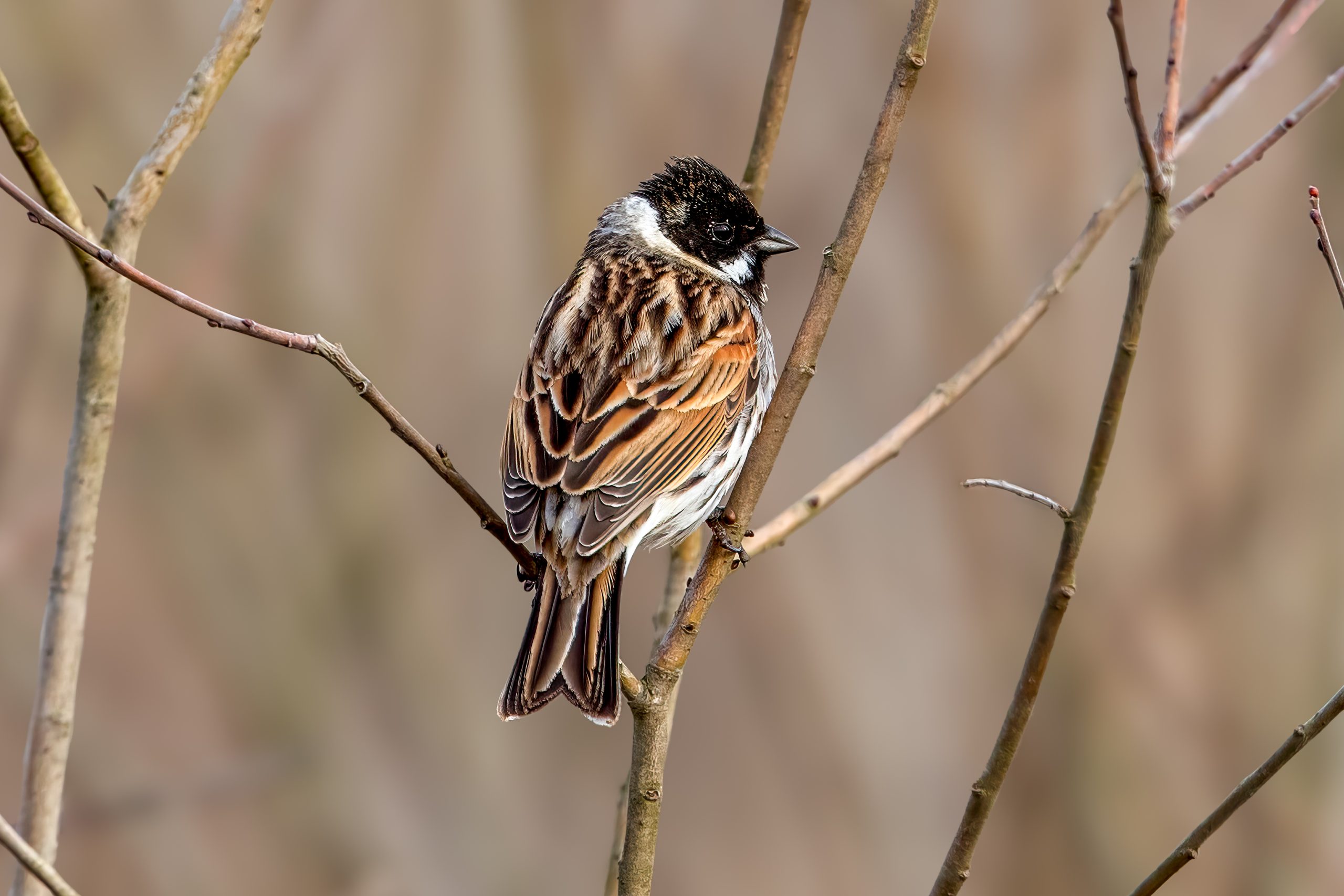
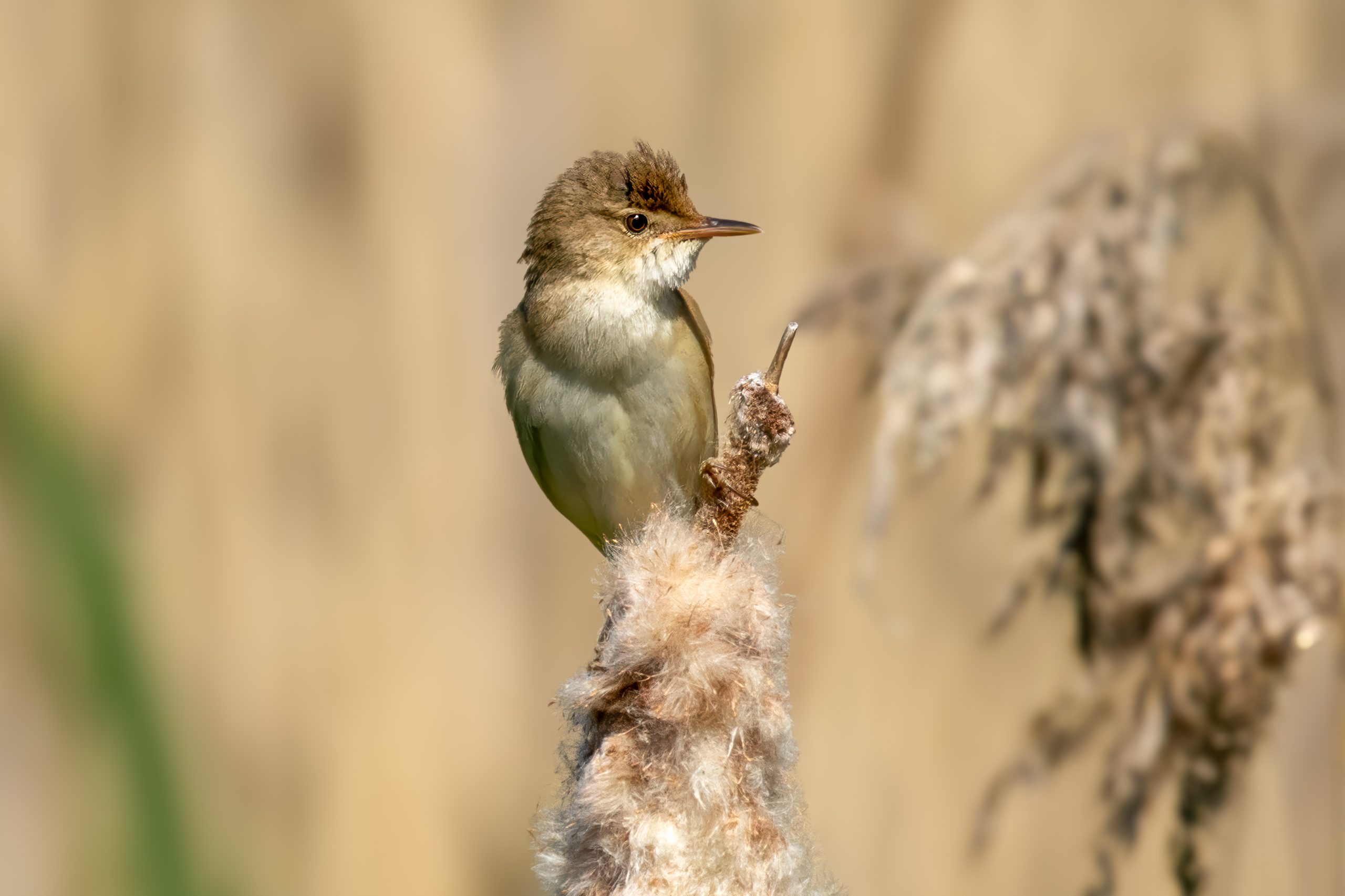
Reed bunting (Emberiza schoeniclus) and common reed warbler (Acrocephalus scirpaceus) were among the reedbed species whose breeding-pair numbers increased as the tall wetland vegetation developed. Great reed warbler (Acrocephalus arundinaceus) and Savi’s warbler (Locustella luscinioides) also increased over the study period. The broader pattern was not simply a replacement of open-habitat birds by reedbed species.
Open-habitat species did not decline
Despite the taller vegetation and management aimed at cattail production, species that prefer open terrestrial habitat did not decline. The authors link this coexistence to the remaining habitat heterogeneity within the site, including variation in water depth and microtopography. The bird community still differed from those at other rewetted peatlands in the region, but mire-typical species continued to breed there.
The study therefore provides a six-year example of productive cattail cultivation developing alongside a diverse breeding-bird community. It suggests that rewetted peatland can remain heterogeneous enough to support birds with different habitat preferences even when the site is actively managed and harvested.
Ecology
Related news
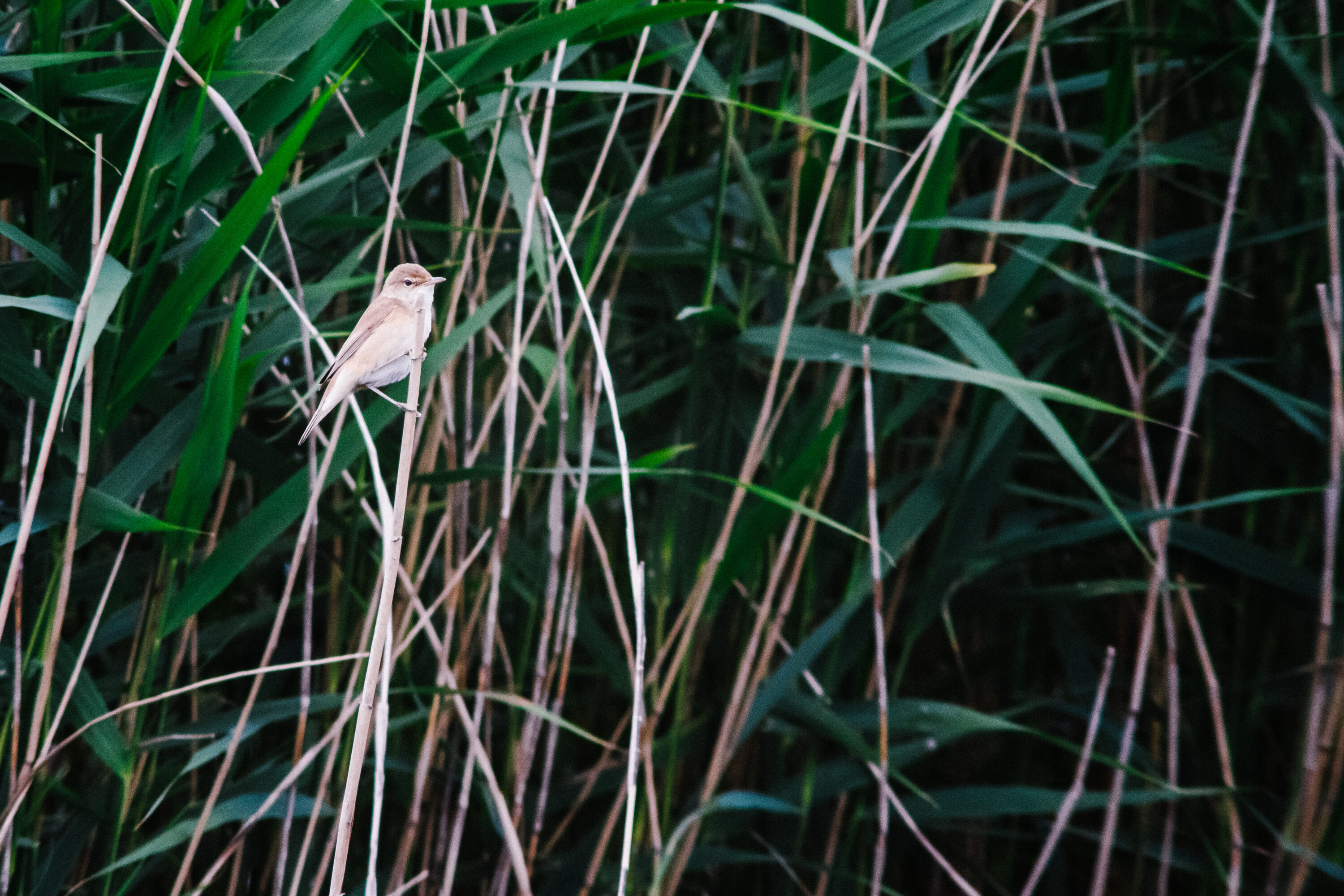
Three Warblers in Catalonia Differed in Prey Choice, Prey Size and Use of Aquatic Prey
DNA metabarcoding of 189 diet samples from three warblers in Catalan reedbeds found several forms of dietary separation:…
Read story →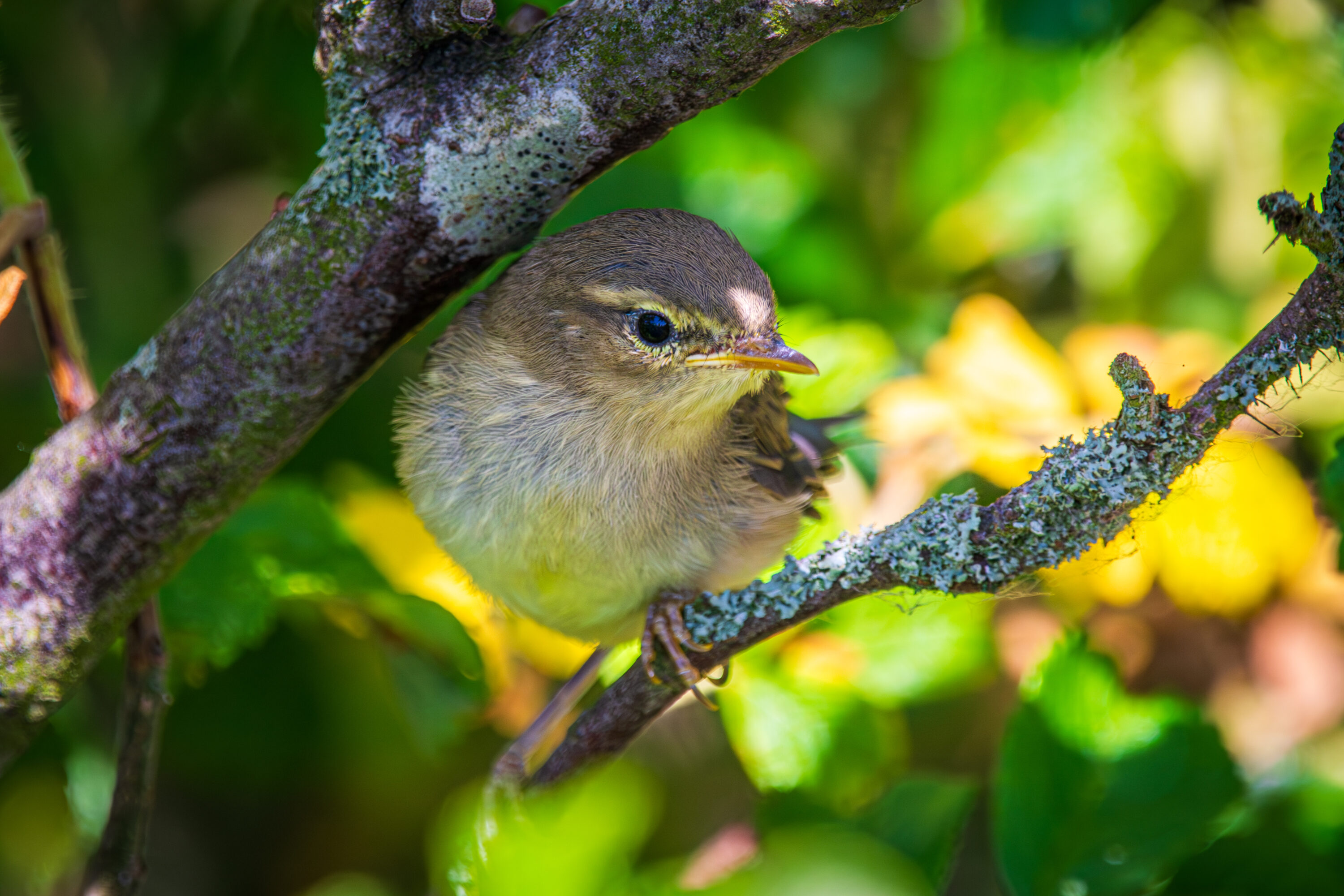
Northern Willow Warbler Moult Lasted About 15 Days
A 2026 study in Russia’s far north found a highly synchronous willow warbler moult lasting about 15 days,…
Read story →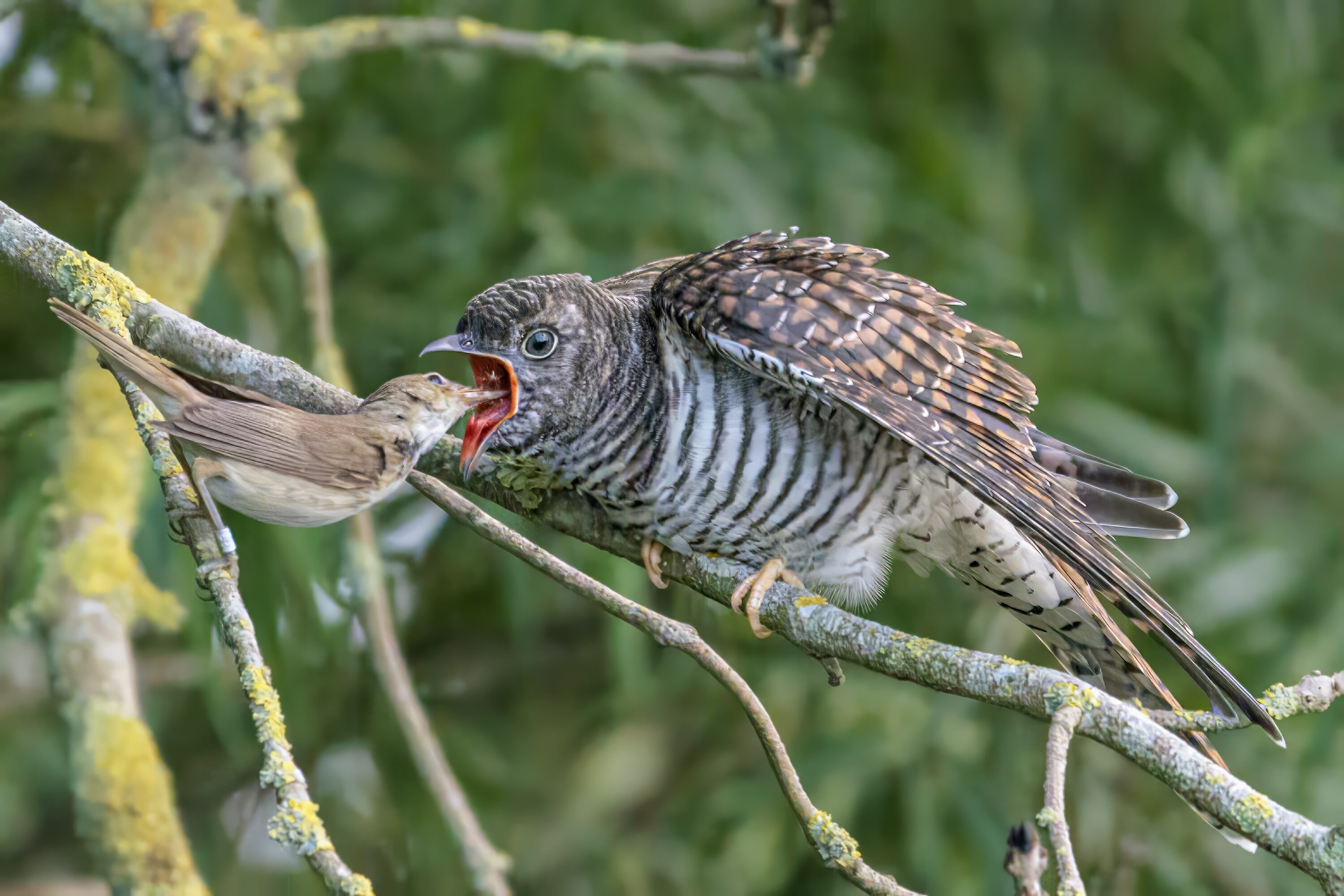
Reed Warblers Long Separated From Cuckoos Showed Weaker Host Defences
Field experiments in Finland and Sicily found weak anti-cuckoo defences in common reed warblers living outside regular cuckoo…
Read story →SPECIES IN THIS STORY
Species in this story
Independent research and conservation news archive
Did you find this information useful?
Wildlife Vagabond is independently built and maintained. Voluntary support helps cover source verification, hosting and continued work on research and conservation news.
Support Wildlife VagabondThe news archive will remain freely available.