
Reed Warblers Long Separated From Cuckoos Showed Weaker Host Defences
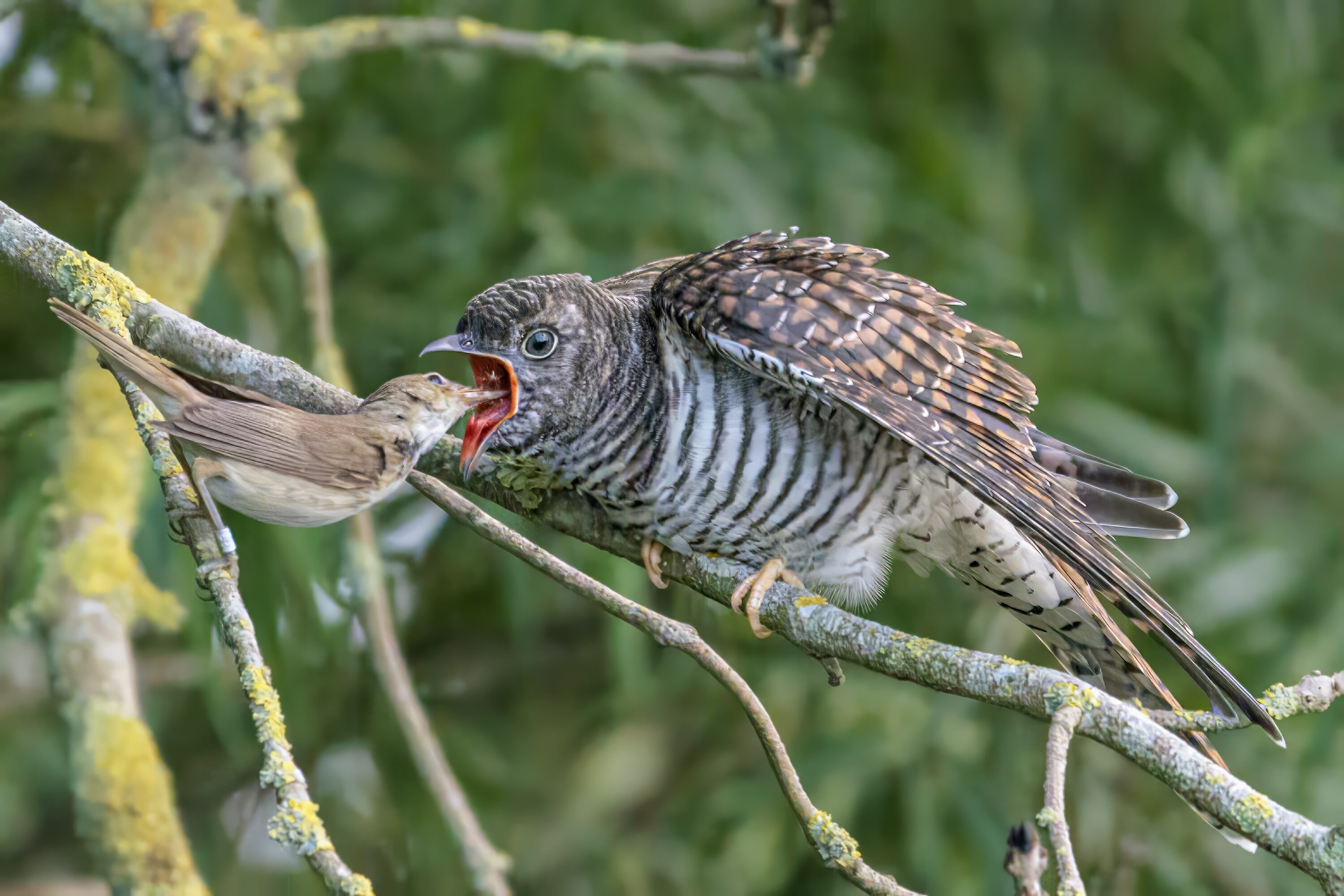
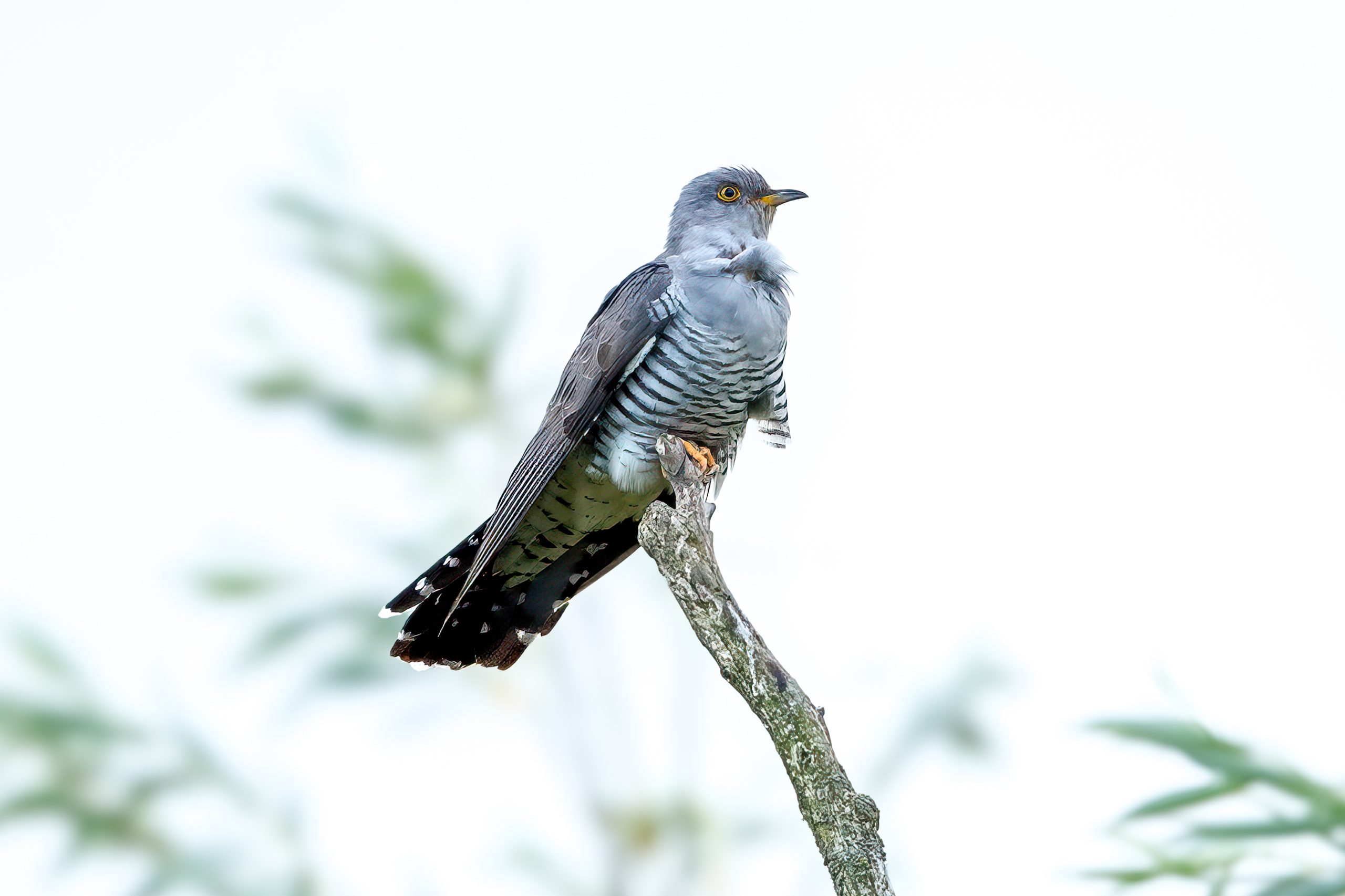
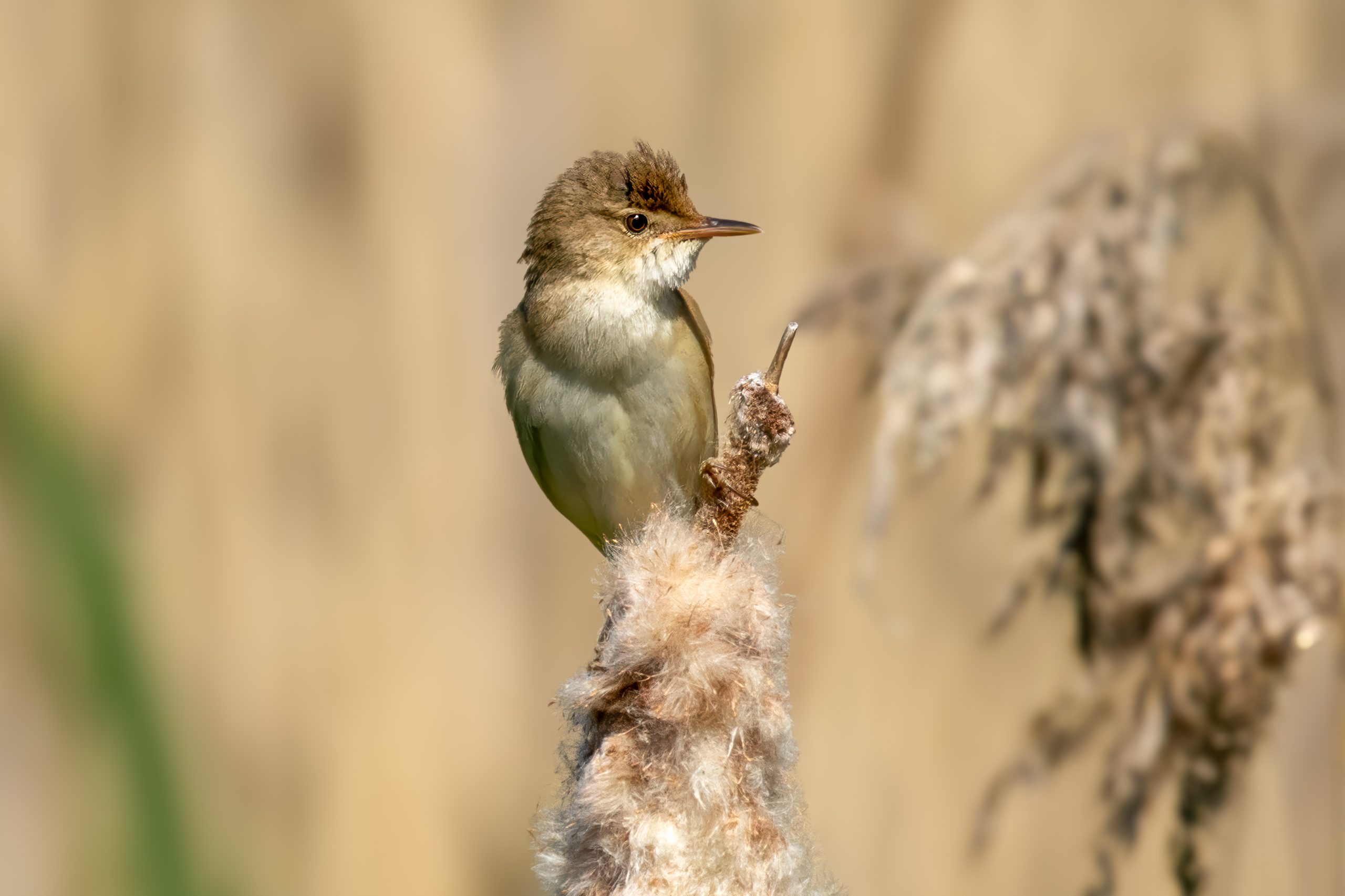
Common reed warblers (Acrocephalus scirpaceus) living in populations that have been separated from regular common cuckoo (Cuculus canorus) parasitism showed reduced defensive responses, according to field experiments published on 28 May 2026. Researchers compared a Finnish population that colonised areas outside regular cuckoo–reed warbler parasitism about a century ago with a Sicilian population that has probably experienced little or no regular cuckoo parasitism for much longer.
The study tested whether apparently weakened defences could still be activated by social information. At each nest, researchers presented a model cuckoo and then simulated neighbouring reed warblers mobbing either a cuckoo or a control. They measured mobbing behaviour and also tested whether females rejected experimentally introduced foreign eggs.
Only Finnish birds that already mobbed increased their response
At the first cuckoo presentation, 36% of pairs in Finland and 13% in Sicily mobbed the model. Simply receiving social information about a cuckoo did not make significantly more pairs begin mobbing in either population.
There was, however, one sign of retained social responsiveness in Finland. Among Finnish pairs that had already responded to the cuckoo model, social information about cuckoo risk increased the intensity of mobbing. The same effect was not detected in Sicily. The authors interpret the Finnish result as evidence that some social responsiveness has persisted after roughly a century without regular parasitism. The still weaker Sicilian response is consistent with a much longer period of relaxed selection, but the authors caution that Sicily may not represent the decay of a previously strong defence because its historical exposure to cuckoo parasitism is less certain.
Foreign-egg rejection remained low or absent
Social information also failed to restore strong egg rejection. Neither population rejected the brown-spotted model eggs designed to resemble cuckoo eggs in this host system. Sicilian reed warblers also accepted all non-mimetic blue model eggs in the relevant trials.
Finnish birds rejected some blue eggs, but the rate was almost identical whether they had received cuckoo-related social information or the control treatment: 24% versus 22%. The treatment therefore did not significantly increase egg rejection.
A contrast with populations still exposed to cuckoos
The authors contrast these results with common reed warbler populations that are currently parasitised by cuckoos. In those populations, similar experimental social information can increase mobbing and substantially raise egg rejection. The Finnish result therefore supports the authors’ conclusion that behavioural host defences and the social information used to adjust them can deteriorate when the selection pressure from brood parasitism is relaxed.
The study shows that the loss of a parasite from part of a host’s range can change more than the immediate frequency of attacks. Defensive behaviour itself, and the ability to strengthen that behaviour after observing other birds, may weaken over generations. The authors argue that this process can help create a geographic mosaic in which cuckoo–host coevolution differs markedly between populations of the same host species.
Behaviour
Related news
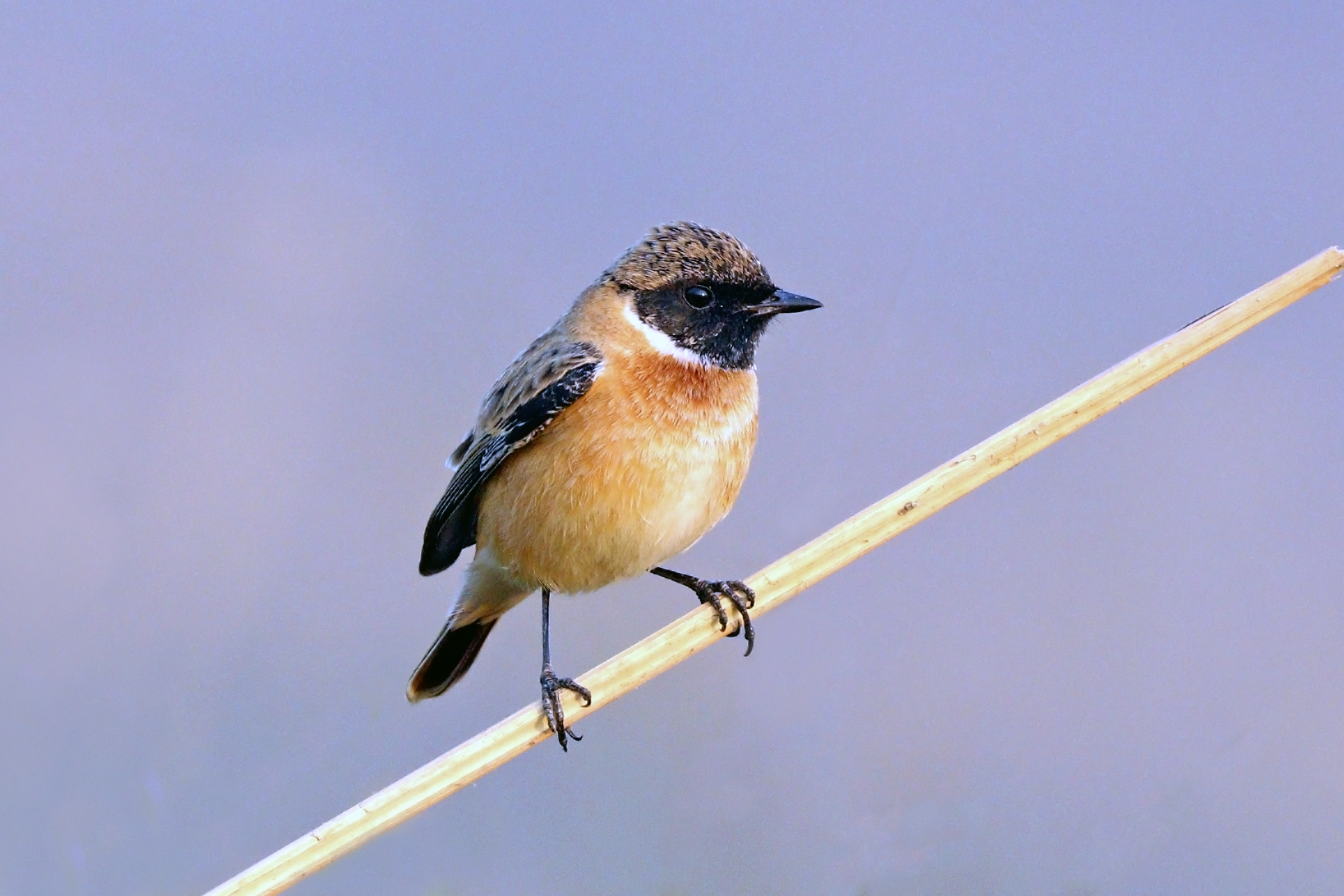
Egg Rejection Did Not Clearly Increase After Cuckoo Arrival in Two Host Species
Grey bushchats and Siberian stonechats showed no clear increase in foreign-egg rejection after common cuckoos arrived. The result…
Read story →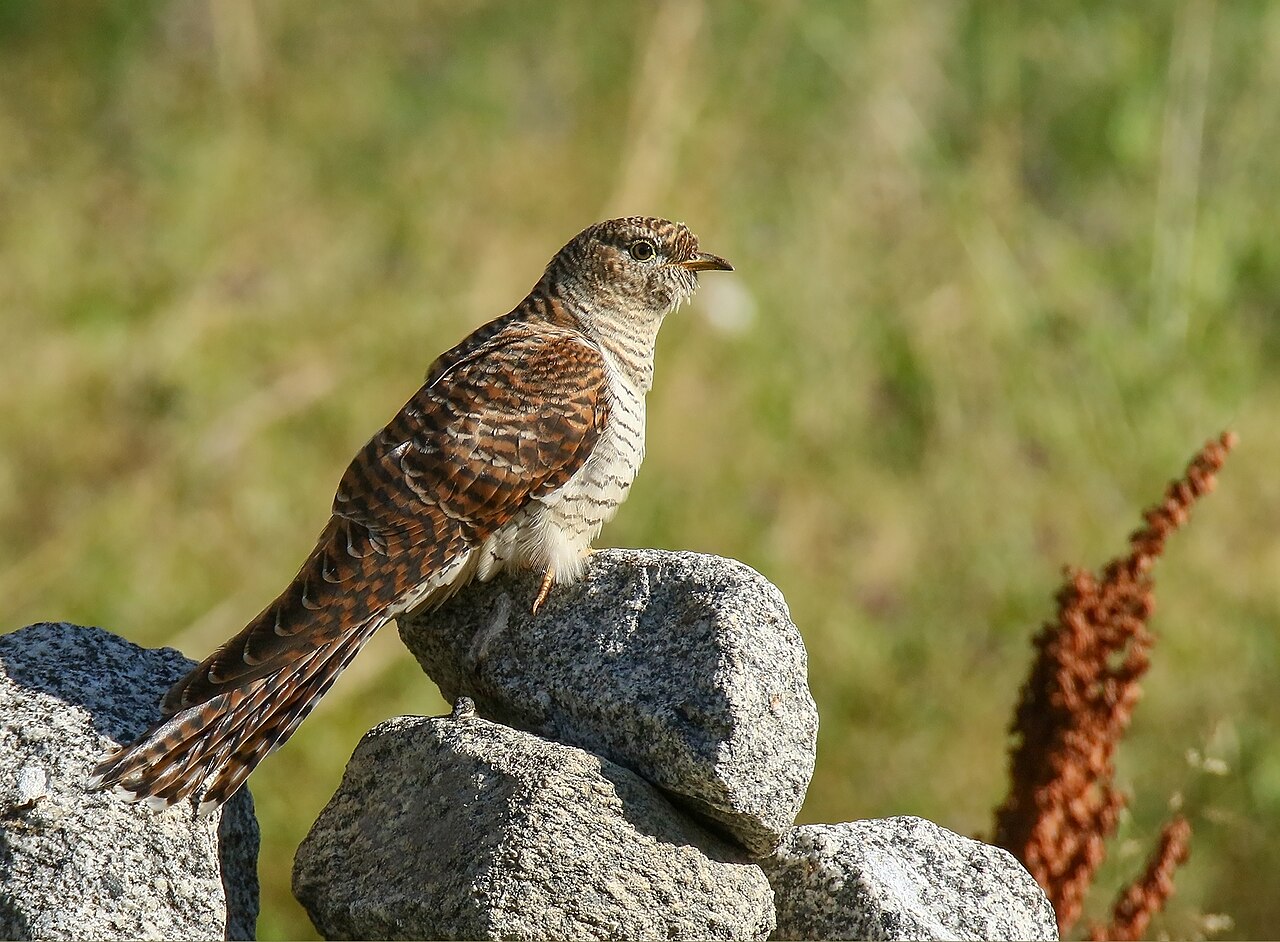
Cuckoos Use Two Different Strategies to Lay Eggs in Redstart Nests
Video from Finnish redstart nest boxes provides the first direct evidence that common cuckoos use two egg-laying strategies,…
Read story →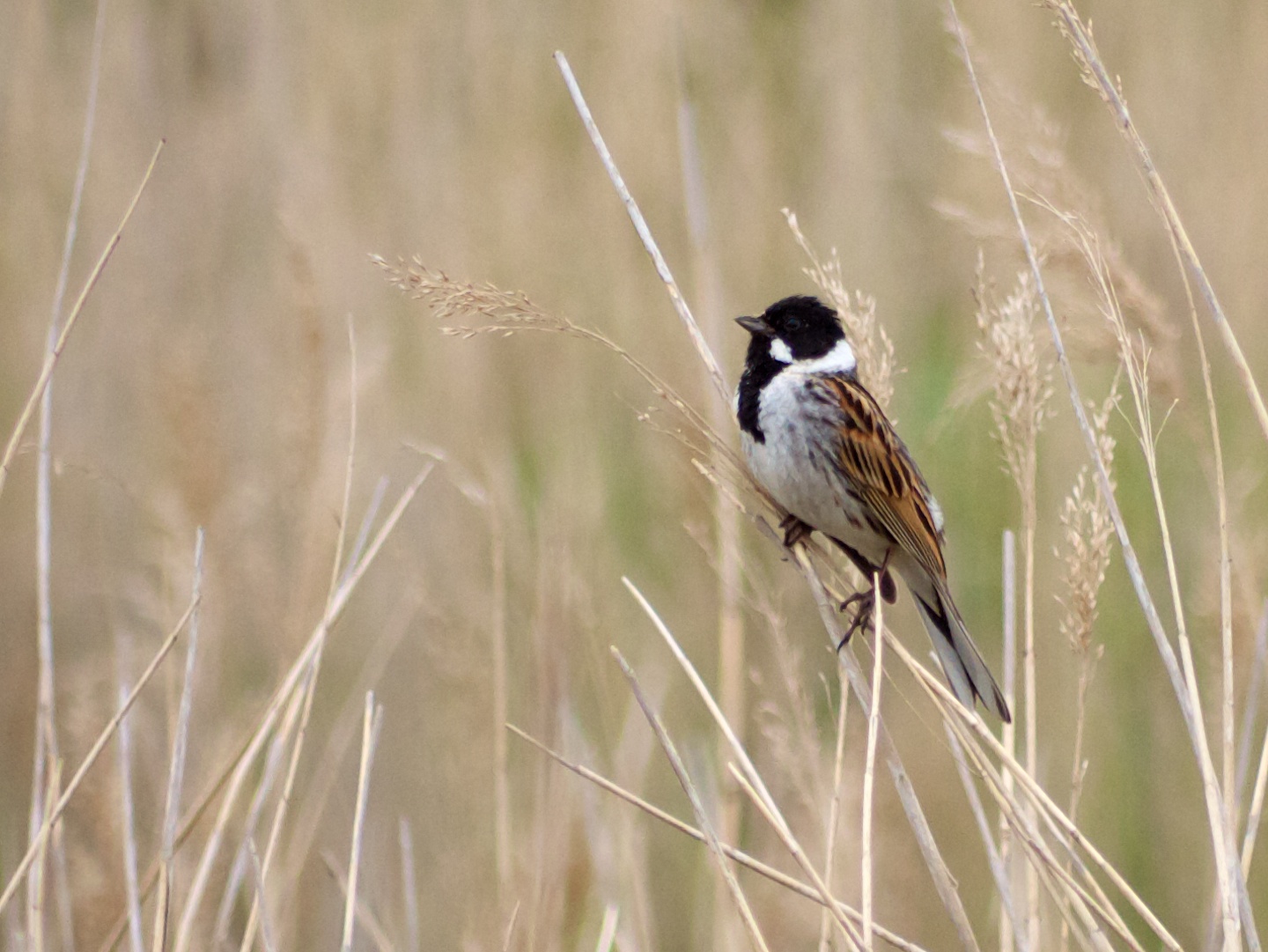
Birds Breeding in Tall Vegetation Increased as Cattail Paludiculture Developed Over Six Years
At a 10-hectare rewetted peat site in north-eastern Germany, breeding pairs that favour tall vegetation increased as cattails…
Read story →SPECIES IN THIS STORY
Species in this story
Independent research and conservation news archive
Did you find this information useful?
Wildlife Vagabond is independently built and maintained. Voluntary support helps cover source verification, hosting and continued work on research and conservation news.
Support Wildlife VagabondThe news archive will remain freely available.