
Zitting Cisticola Sex Chromosome Revealed Two Evolutionary Strata on Chromosome 4
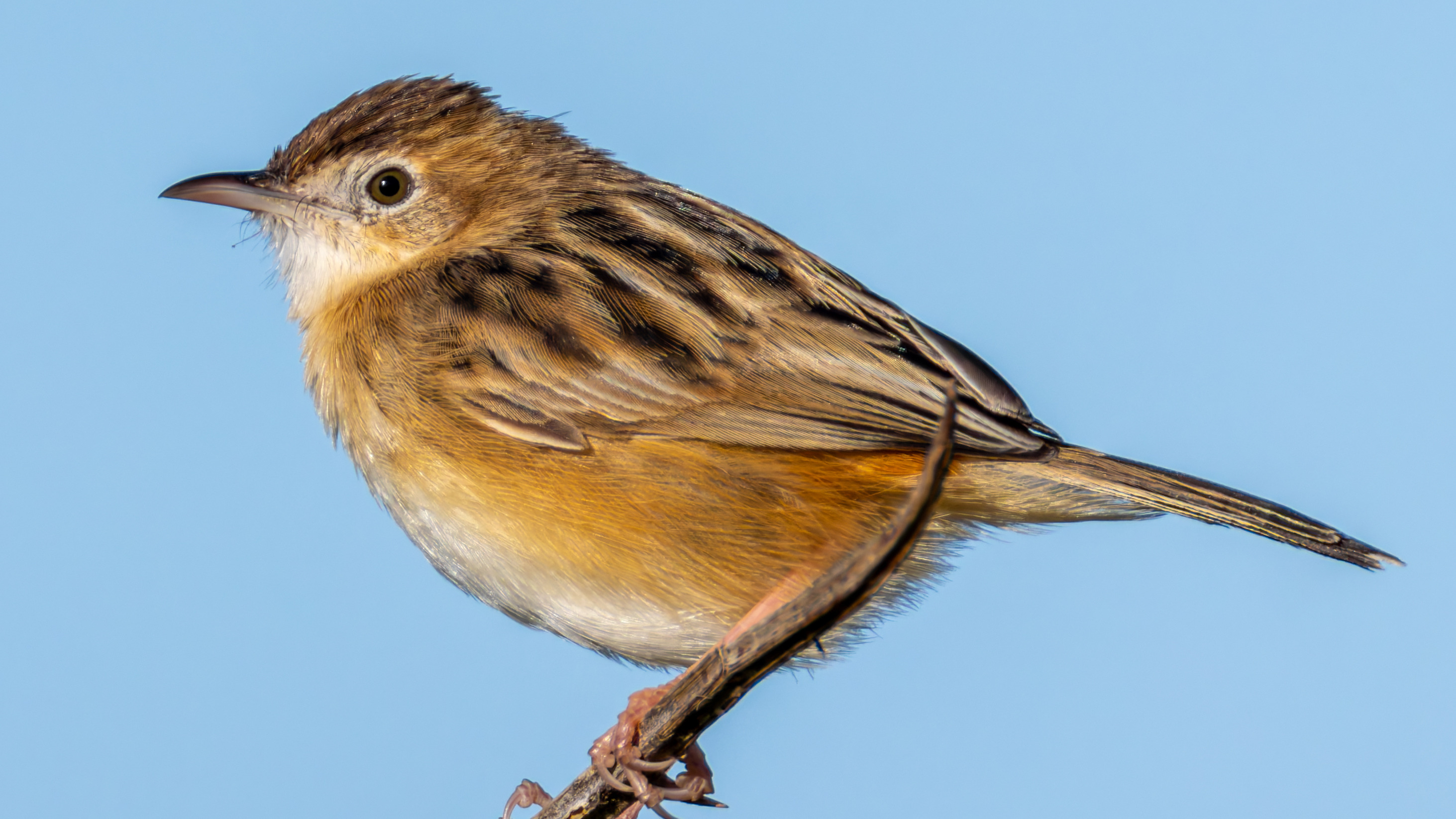
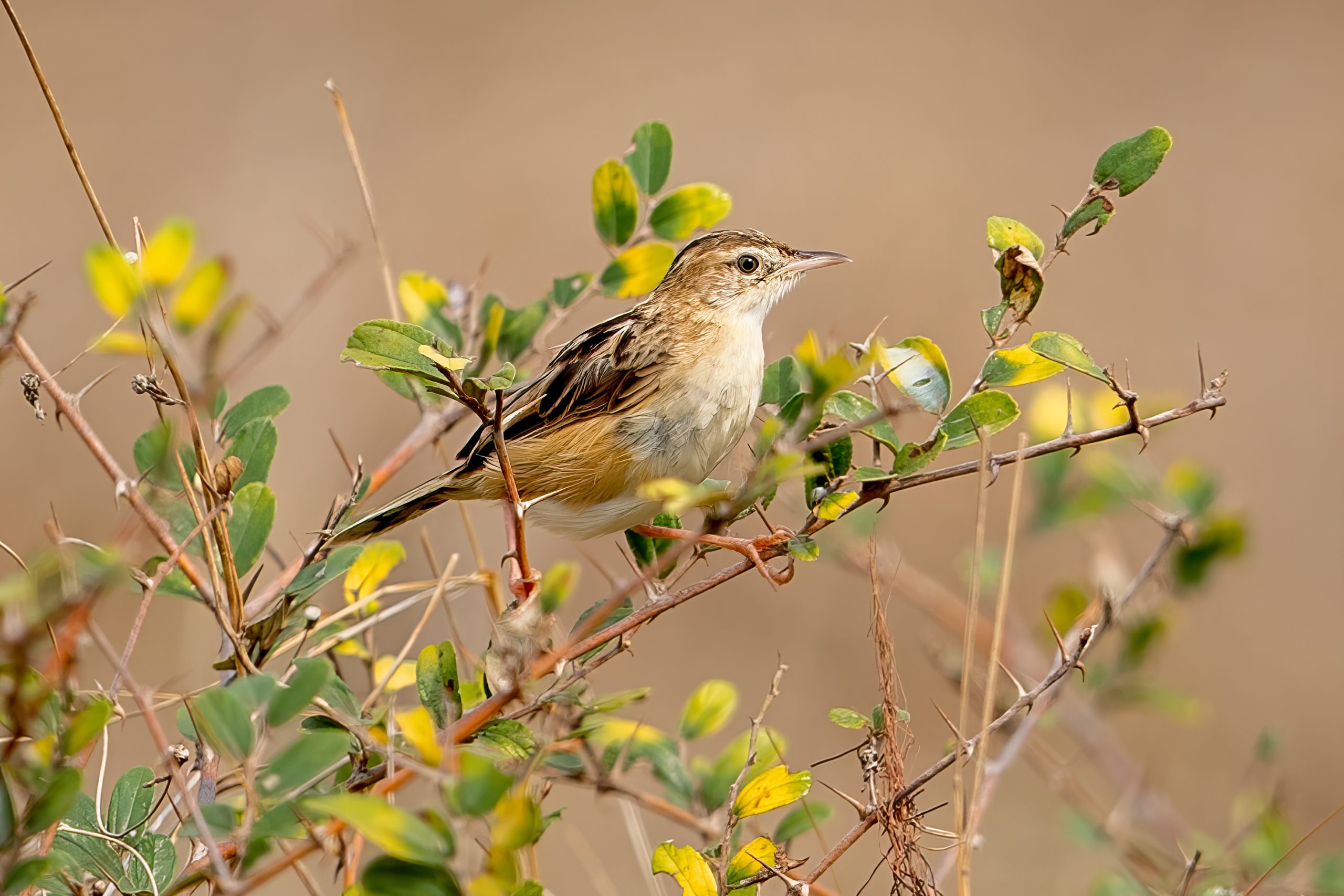
The sex chromosome system of zitting cisticola (Cisticola juncidis) carries a large section derived from chromosome 4, and that section records at least two stages in the chromosome’s evolutionary history. In birds, males are typically ZZ and females ZW. When material from an ordinary chromosome becomes attached to a sex chromosome, the enlarged combination is called a neo-sex chromosome. Sylvioidea already share an older arrangement involving chromosome 4A; the new study examined additional chromosome-4 material that was incorporated later in particular lineages. Published in BMC Genomics on 20 April 2026, it compared whole-genome data from zitting cisticola, grey-backed camaroptera (Camaroptera brevicaudata) and yellow-throated nicator (Nicator vireo).
In zitting cisticola, a large part of chromosome 4 had become sex-linked. The researchers identified two evolutionary strata within it. Recombination is the exchange of DNA between paired chromosome copies during the formation of eggs or sperm; when Z and W stop recombining in a region, they begin to evolve more independently. An evolutionary stratum is therefore a section where this exchange stopped at a particular stage in the past. The older stratum had stopped recombining earlier than the younger one.
The team inferred these regions by comparing male and female sequencing patterns along the chromosome. Older non-recombining regions tend to show stronger sex differences because the W copy has had more time to diverge and lose sequence, whereas younger regions retain more similarity between Z and W.
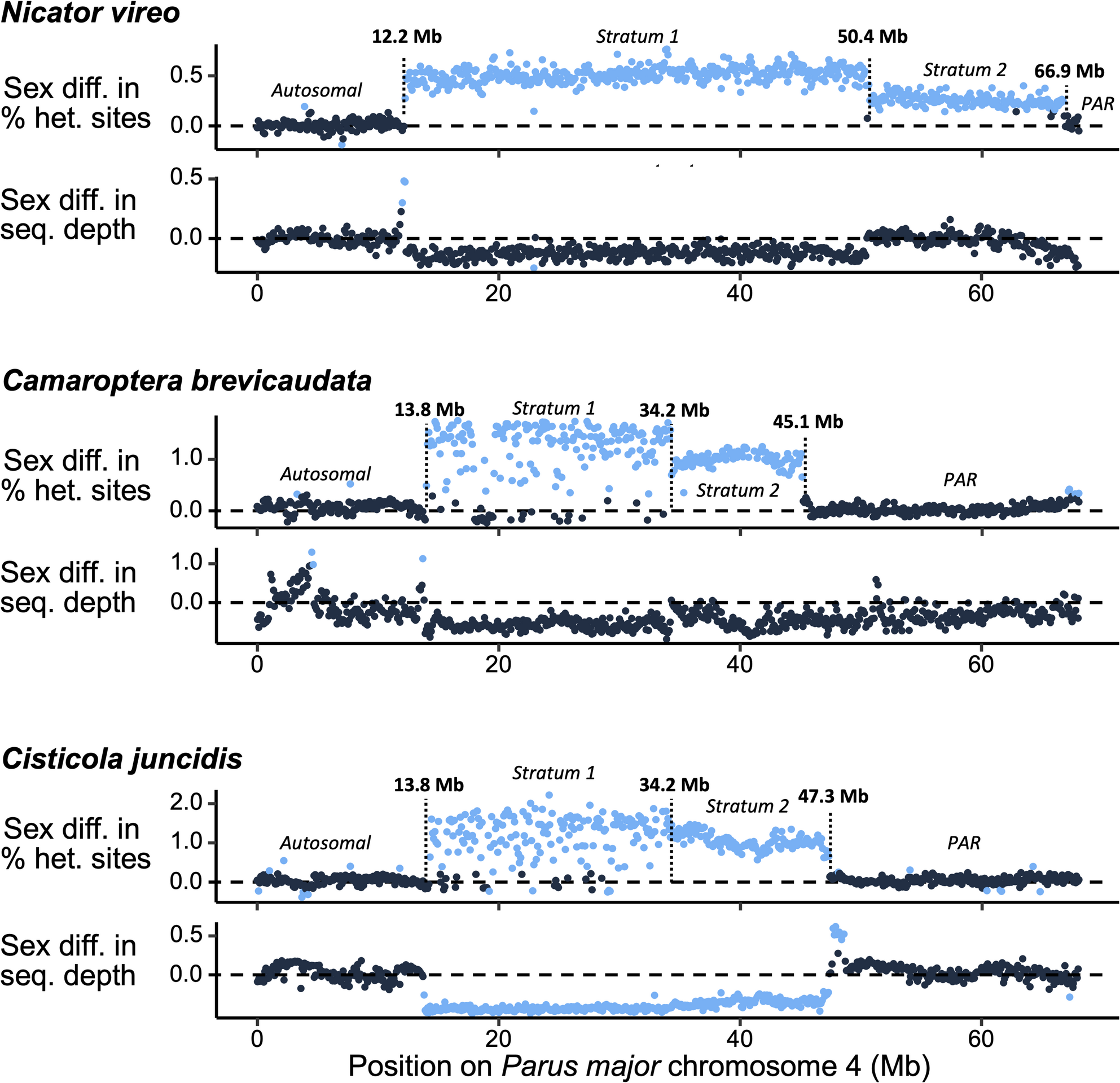
Two evolutionary strata emerged on chromosome 4
The older stratum had the same boundary in zitting cisticola and grey-backed camaroptera. The authors interpret this shared pattern as evidence that chromosome-4 material was translocated—moved and attached—to the sex chromosomes once in an ancestor of the family Cisticolidae, before the two genera diverged. Published phylogenies place that event roughly 23–11 million years ago.
The younger non-recombining region later extended about 2.2 million DNA base pairs farther in zitting cisticola than in grey-backed camaroptera, showing that Z–W recombination continued to shut down differently after the lineages separated. Yellow-throated nicator had a different chromosome-4 attachment point and a much larger sex-linked region, supporting an independent translocation in Nicatoridae rather than the same ancestral event.
Genetics & genomics
Related news
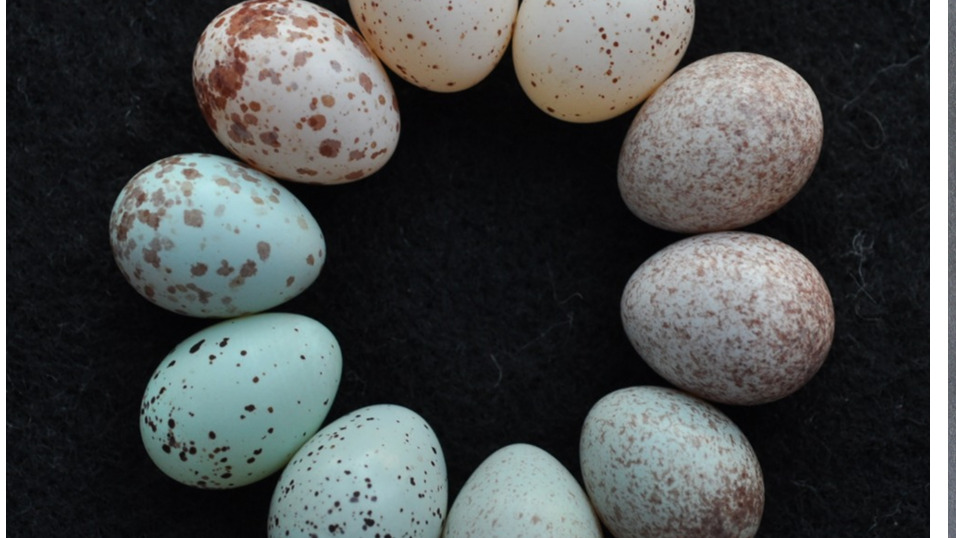
Zitting Cisticolas With Categorical Egg Signatures Made Fewer Recognition Errors
Field experiments in Zambia found that Zitting Cisticolas with categorically patterned egg signatures were less likely to accept…
Read story →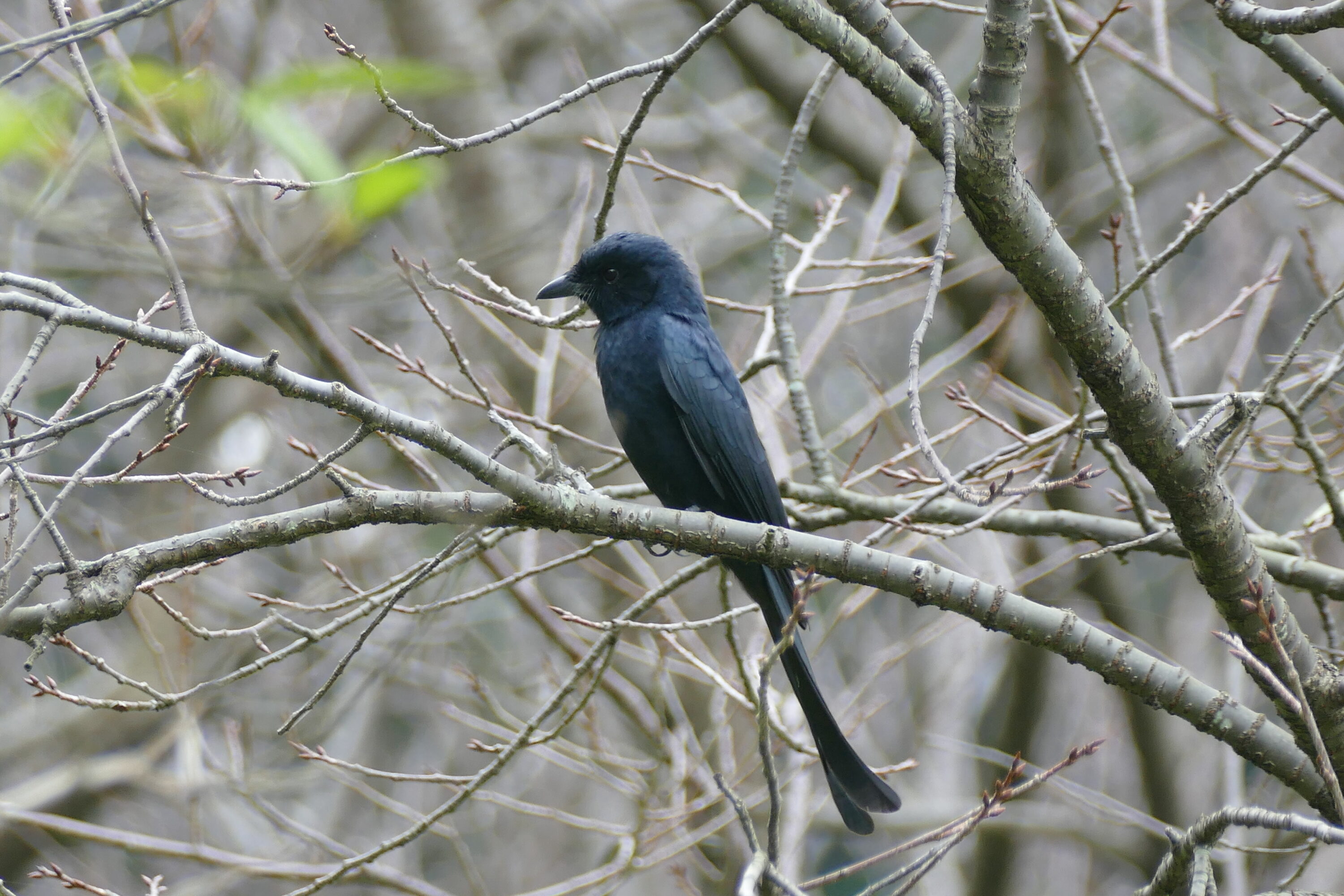
114,357 ha of Taiwan Farmland Was Modelled as Suitable for Four Bird Species
Suitable habitat for black drongo, common moorhen, zitting cisticola and scaly-breasted munia overlapped across 114,357 hectares of Taiwan…
Read story →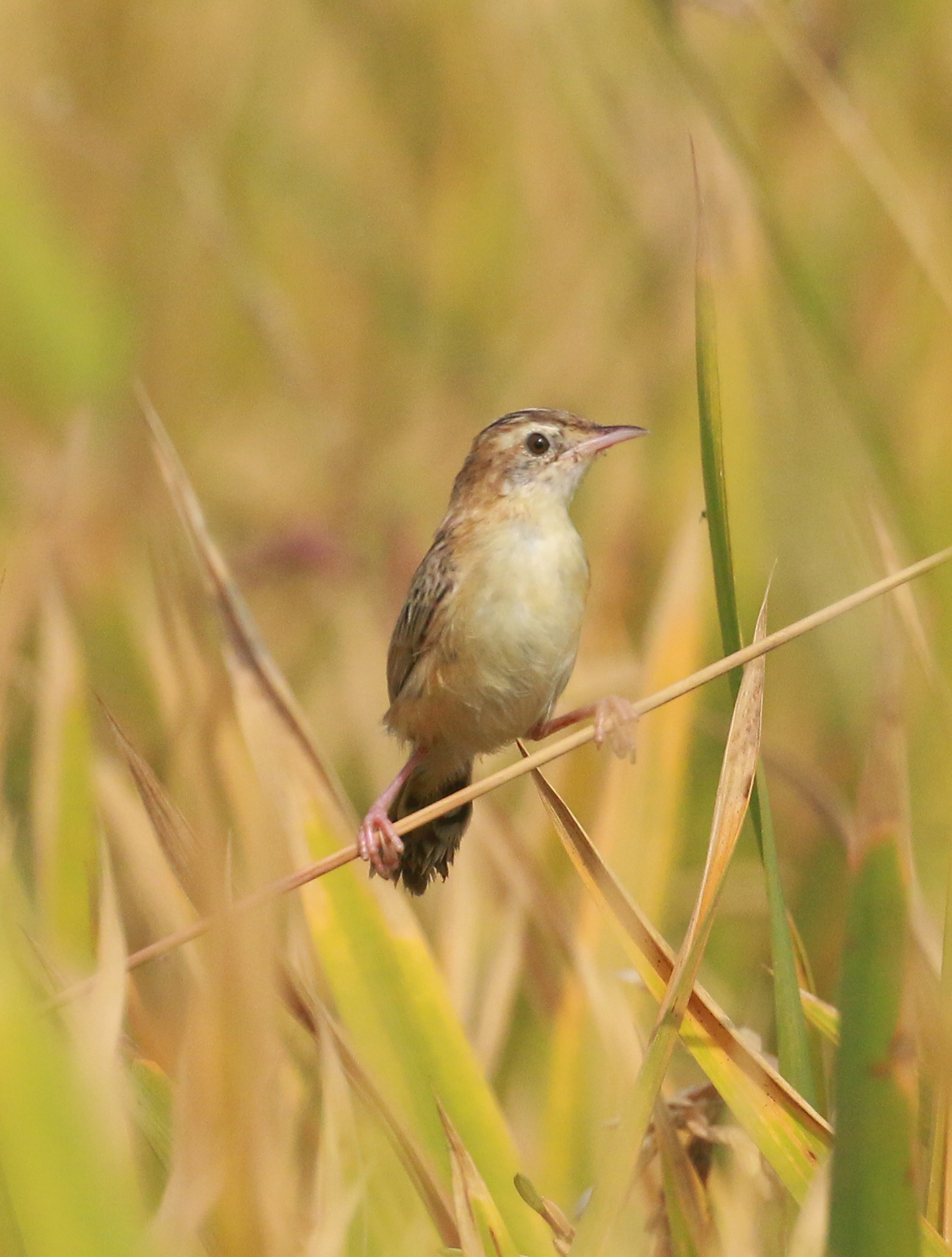
Zitting Cisticolas Raised at Least Seven Juveniles from Three Broods in Suffolk
At least 11 Zitting Cisticolas were present at Corporation Marsh in Suffolk on 6 August 2026, including up…
Read story →SPECIES IN THIS STORY
Species in this story
Independent research and conservation news archive
Did you find this information useful?
Wildlife Vagabond is independently built and maintained. Voluntary support helps cover source verification, hosting and continued work on research and conservation news.
Support Wildlife VagabondThe news archive will remain freely available.